
Tapinoma philippinense
- Науч. назв.
- Tapinoma philippinense
- Триба
- Tapinomini
- Подсемейство
- Dolichoderinae
- Автор
- Donisthorpe, 1942
- Распространение
- Встречается в 0 странах
Введение
Tapinoma philippinense is a small ant species known only from the Philippines, described in 2025 . As a member of the Dolichoderinae subfamily, workers lack a functional stinger and instead rely on their defense mechanism, they exude a sticky, foul-smelling secretion from an anal gland. This species is poorly studied, and most care details must be inferred from related Tapinoma ants. Their natural habitat is likely tropical forest, but specific nesting or foraging behavior hasn't been documented.
Quick Summary
- Difficulty: Medium
- Origin & Habitat: Philippines (Indomalaya region), likely tropical forest areas [1].
- Colony Type: Colony structure not documented for this species. Based on the Tapinoma genus, most are monogyne (single queen) [2].
- Size & Growth:
- Queen: ~4-5 mm (inferred from Tapinoma genus) [2]
- Worker: ~2-3 mm (inferred from Tapinoma genus) [2]
- Colony: Not documented, mature colonies of related species reach several hundred workers.
- Growth: Moderate (inferred from genus patterns)
- Development: Estimated 6-8 weeks at 25-28°C based on typical Dolichoderinae development. (No direct data, estimate based on related Tapinoma species.)
- Antkeeping:
- Temperature: Tropical species, keep at 24-28°C year-round. Use a heating cable on one side for a gradient.
- Humidity: Keep nest substrate moderately moist but not waterlogged. Provide a moisture gradient.
- Diapause: No, a tropical Philippine species, active year-round.
- Nesting: Natural nest sites unknown. In captivity, start with a test tube, then move to Y-tong, plaster, or 3D-printed nest once the colony has 20-30 workers. Ensure all openings are tight to prevent escapes.
- Behavior: Tiny, fast-moving, non-aggressive. Lacks a stinger, defends by releasing an unpleasant-smelling anal gland secretion. Escape risk is high due to small size, use fine mesh or Fluon barriers. Forages for honeydew and small insects.
- Common Issues: escape prevention is critical, workers at 2-3 mm can squeeze through tiny gaps, use Fluon or tight seals., constant warmth needed, temperatures below 20°C can stress or kill the colony., limited species-specific information, be ready to adapt care based on colony responses., newly described species, so few captive breeding records exist, growth may be slow at first.
Housing and Nest Setup
Since the queen’s founding behavior is unknown, start with a simple test tube setup. Fill a test tube one‑third with water, plug the wet end with cotton, then introduce the queen. Keep the tube dark and quiet. After the first workers (nanitics) appear and the colony reaches about 20-30 workers, move them to a formicarium made of Y‑tong (AAC), plaster, or 3D‑printed material. Avoid large open areas, these tiny ants can get lost easily. Seal all connections to prevent escapes.
Feeding and Diet
Like most Tapinoma, this species likely forages for honeydew and small insects. In captivity, provide constant access to sugar water, honey, or diluted maple syrup. Offer protein, fruit flies, pinhead crickets, or small mealworms, every 2-3 days. Remove uneaten prey after 24 hours to avoid mold. Since the diet isn’t studied, watch your colony’s preferences and adjust.
Temperature and Seasonal Care
As a tropical Philippine species, T. philippinense needs warm temperatures year‑round. Keep the nest at 24-28°C. Below 20°C the colony becomes sluggish and brood development may stall. Use a heating cable on one side of the nest to create a gradient. No hibernation needed, maintain steady warmth and avoid cold drafts [1].
Escape Prevention
Workers are only 2-3 mm, so escape prevention is essential. Standard cotton barriers may not be enough, add a ring of Fluon (insect barrier) around the opening or use fine mesh. Check all connections daily, especially during the first few weeks. These ants can slip through gaps you might not notice, it’s better to over‑prevent than to lose the colony.
Colony Development and Growth
Very little is known about the colony development of this species. Founding method is unconfirmed, if it follows typical Tapinoma patterns, the queen may be claustral (raises first brood on stored reserves). The first workers will be smaller than later generations. Growth rate is estimated as moderate. Maximum colony size isn’t documented, but expect several hundred workers over a year or two. Be patient: many new ant species grow slowly in captivity.
Frequently Asked Questions
How long does it take for Tapinoma philippinense to raise first workers?
No direct data. Based on other Dolichoderinae, expect 6-8 weeks from egg to first worker at 25-28°C. The queen may seal herself in during this period.
Can I keep Tapinoma philippinense in a test tube setup?
Yes, a standard test tube works for a queen and her first workers. Use a water reservoir with a cotton plug. Because of their tiny size, add extra escape prevention (Fluon or fine mesh) around the tube opening.
What temperature do Tapinoma philippinense need?
Keep warm: 24-28°C year‑round. They are tropical and don’t tolerate cold below 20°C. Use a heating cable on one side of the nest to maintain a gradient [1].
Are Tapinoma philippinense good for beginners?
They can be kept by beginners if escape prevention is done right. They are non‑aggressive and don’t sting. However, their constant need for warmth and their tiny size make them a bit more challenging than some other beginner species.
How big do Tapinoma philippinense colonies get?
Unknown for this species. Related Tapinoma reach several hundred workers. Expect moderate growth over a year or more to reach a mature colony.
Do Tapinoma philippinense need hibernation?
No. They are tropical and active all year. Keep them warm (24-28°C) throughout the year.
What do Tapinoma philippinense eat?
Likely honeydew and small insects. In captivity, offer sugar water or honey always, and small protein (fruit flies, pinhead crickets) every 2-3 days. Remove uneaten food after 24 hours.
Can I keep multiple queens together?
Not recommended. Colony structure is unknown, but most Tapinoma are monogyne. Starting with a single queen is safest.
Why are my Tapinoma philippinense escaping?
Their tiny 2-3 mm bodies can slip through very small gaps. Use Fluon around all openings, fine mesh covers, and inspect the setup daily. Even tiny cracks can be escape routes.
Report an Issue
The current care sheet is based fully on literature. See inconsistencies, or something that's incorrect? Please , it will be resolved after review from an admin. Contributing to the blogs tab also helps providing information, to make us be able to further improve the caresheets. Thank you for your support!
References

Эта инструкция по уходу лицензирована по CC BY-SA 4.0 .
Блоги сообщества
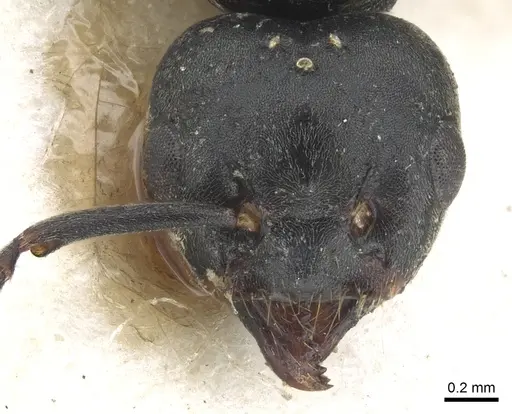
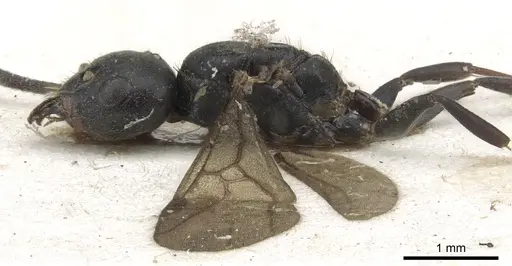
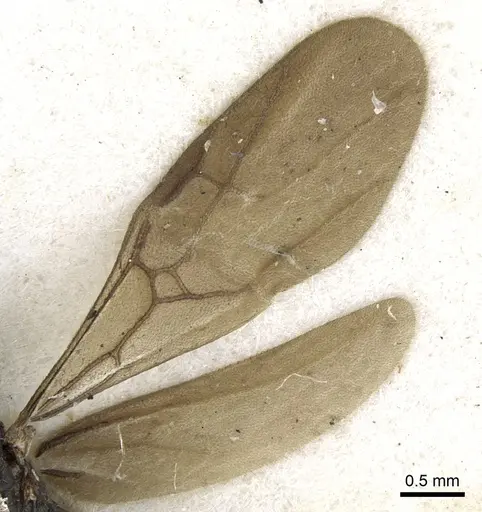
CASENT0903074
Посмотреть на AntWeb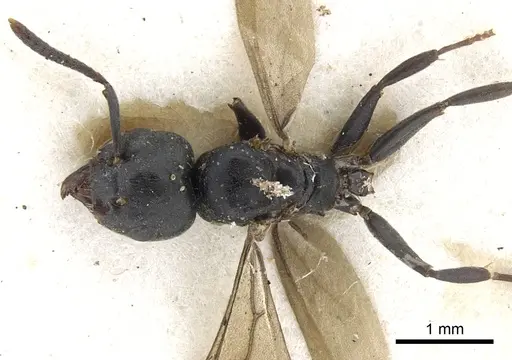
Литература
Загрузка карты распределения...Загрузка товаров...