
Tapinoma luridum
- Науч. назв.
- Tapinoma luridum
- Триба
- Tapinomini
- Подсемейство
- Dolichoderinae
- Автор
- Emery, 1908
- Распространение
- Встречается в 0 странах
Введение
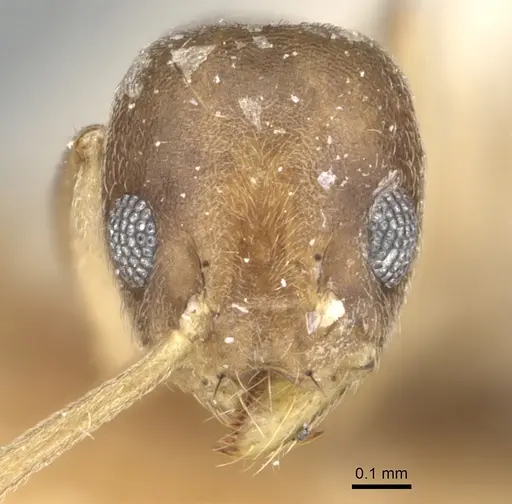
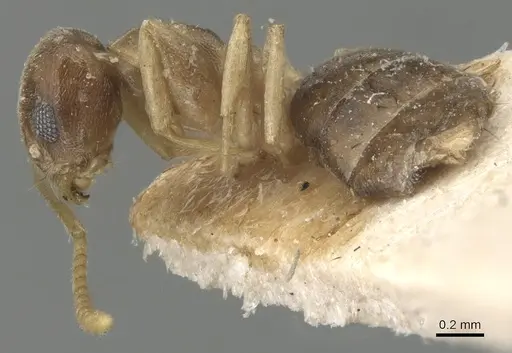
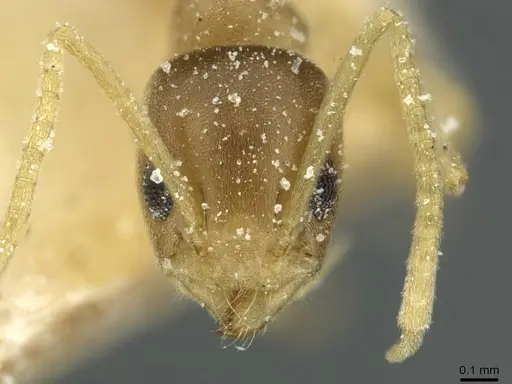
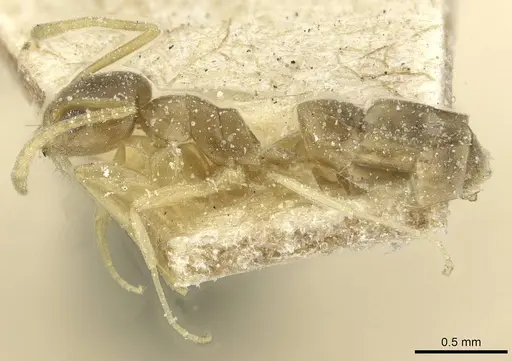
Tapinoma luridum is a small ant species native to Central and West Africa, documented in the Democratic Republic of Congo, Rwanda, Benin, Gambia, Guinea, and also collected at high elevations around 1900m in Kenya . Workers are typical of the genus Tapinoma - small, dark-bodied, with relatively large eyes. This species has an interesting nesting flexibility: in Central African forests it nests arboreally in trees , while in Benin it nests at ground level near the base of Eucalyptus trees . It has also been found nesting inside termite nests . First described by Emery in 1908,it has three recognized subspecies . Morphologically, it is similar to the Saudi Arabian species Tapinoma yacoubi in colour and body proportions .
Quick Summary
- Difficulty: Medium
- Origin & Habitat: Central and West Africa, Democratic Republic of Congo, Rwanda, Benin, Gambia, Guinea, and elevated areas in Kenya (up to 1900m) [1][2][8][9][10]. Found in forests (arboreal nesting) and also in disturbed areas near Eucalyptus plantations (ground nesting) [5].
- Colony Type: Colony structure is not documented in the available literature. Based on typical Tapinoma patterns, it may be monogyne (single queen), but this is unconfirmed.
- Size & Growth:
- Queen: ~4-5mm (inferred from Tapinoma genus pattern)
- Worker: ~2-3mm (inferred from Tapinoma genus pattern)
- Colony: Likely several hundred workers, unconfirmed
- Growth: Moderate
- Development: Estimated 6-8 weeks based on warm tropical conditions (not directly studied) (Development timeline not documented for this species, estimate based on related Tapinoma in warm temperatures.)
- Antkeeping:
- Temperature: Keep at 24-28°C. These tropical African ants require consistent warmth. Use a heating cable on one side of the nest to create a gradient. Avoid temperatures below 20°C.
- Humidity: Moderate humidity, keep nest substrate slightly moist but not waterlogged. They adapt to both arboreal and ground conditions, so a balanced moisture level works.
- Diapause: Likely no true diapause. Being a tropical species, they probably remain active year-round with possible slight slowdown in cooler months.
- Nesting: Provide both vertical climbing structures (small branches, cork bark) and enclosed chambers. Y-tong (AAC), plaster, or soil nests work well. They have been found in termite nests in the wild [6] and appreciate dark, protected spaces.
- Behavior: These ants are not particularly aggressive, they tend to co-exist with other species at food sources rather than dominating [3][4]. They will monopolise baits when aggressive competitors like Crematogaster are absent. As Dolichoderinae, they lack a functional stinger, instead they exude a sticky, foul-smelling fluid from anal glands as defence. Workers are small, quick, and active foragers. Their small size (under 4mm) means escape risk is high, ensure tight seals.
- Common Issues: limited natural history data, care requirements partly inferred, be prepared to adjust, tropical origin, cannot tolerate prolonged cool temperatures, maintain warmth year-round, small size, high escape risk, need very fine mesh or tight seals, arboreal tendencies, may not accept typical test tube setups as readily, limited availability in the hobby
Housing and Nest Setup
Tapinoma luridum is flexible in its nesting choices, they have been found in trees, at ground level near Eucalyptus, and inside termite nests [6]. Provide options in your setup: a Y-tong (AAC), plaster, or soil nest with dark, enclosed chambers suits them well. Add vertical climbing structures like small branches or cork bark. The outworld should be secure, these ants are small (
Feeding and Diet
Studies show T. luridum readily takes protein baits like tuna [3][4]. Offer small insects (fruit flies, small crickets, mealworm pieces) 2-3 times per week. Provide sugar sources (honey water or sugar water) continuously, they likely consume honeydew in the wild. Remove uneaten protein to prevent mold. This species appears to co-feed with other ants at baits, so don't worry if they don't aggressively defend food.
Temperature and Seasonal Care
As a tropical African species, T. luridum needs stable warmth, aim for 24-28°C. A heating cable on one side of the nest creates a gradient so ants can choose. Room temperature (20-22°C) may be too cool for sustained activity and development. Avoid temperatures below 20°C. They likely do not need a true diapause, maintain warmth year-round. Slight reduction in activity during cooler months is normal, but don't let them get cold.
Behavior and Defense
Tapinoma luridum is a relatively peaceful species, it coexists with other ants at food sources rather than fighting [3]. When dominant competitors like Crematogaster are absent, it will monopolise baits. As a Dolichoderinae ant, it lacks a stinger. Defence is via a sticky, foul-smelling secretion from anal glands (smear defence). This is not dangerous to humans but can be unpleasant. Workers are quick and active, so handle enclosures carefully to avoid escapes.
Colony Establishment
The founding process is undocumented for this species. Based on typical Tapinoma patterns, queens likely seal themselves in a chamber (claustral founding) and raise the first brood on stored reserves. The first workers (nanitics) will be smaller than older workers. Allow the queen to found undisturbed in a small setup (e.g., a test tube with a small opening to an outworld). Once workers appear, start offering small protein and sugar. Growth rate is likely moderate, expect several months to reach a few dozen workers.
Frequently Asked Questions
How long does it take for Tapinoma luridum to produce first workers?
Based on typical Tapinoma development patterns at warm temperatures (~26°C), expect first workers (nanitics) approximately 6-8 weeks after eggs are laid. This is an estimate since the specific timeline has not been documented for this species.
What temperature do Tapinoma luridum ants need?
Keep the nest at 24-28°C. These are tropical African ants that need consistent warmth. Use a heating cable on part of the nest to maintain the gradient. Avoid prolonged temperatures below 20°C.
Can I keep Tapinoma luridum in a test tube setup?
They may not prefer standard test tube setups because they are partly arboreal and have been found in enclosed spaces like termite nests. A Y-tong (AAC), plaster, or soil nest with climbing structures works better. You could offer a test tube for the founding stage, but transition to a more natural nest once workers appear.
Are Tapinoma luridum ants aggressive?
No, they are not particularly aggressive. Studies show they co-exist with other ant species at food sources rather than fighting [3]. They will dominate baits only when more aggressive species like Crematogaster are absent.
How big do Tapinoma luridum colonies get?
Colony size is not documented, but based on related Tapinoma species, they likely reach several hundred workers. Consider them a moderate-sized colony.
Do Tapinoma luridum ants need hibernation?
Probably not. As a tropical African species, they likely remain active year-round. Maintain warm temperatures throughout the year without a cold diapause.
What do Tapinoma luridum ants eat?
They accept a varied diet. Studies show they readily take protein baits like tuna [3]. Offer small insects (fruit flies, small crickets) and sugar water or honey water. Provide protein 2-3 times per week and keep sugar available.
Is Tapinoma luridum a good species for beginners?
This is a moderate-difficulty species. Limited natural history data means some care requirements are inferred from genus patterns, so you need to be prepared to adjust. They are not aggressive and don't need complex setups, but their tropical warmth needs must be met consistently. Their small size also demands good escape-proofing.
Where is Tapinoma luridum found in the wild?
It is native to Central and West Africa: Democratic Republic of Congo, Rwanda, Benin, Gambia, Guinea, and also recorded at high elevations (around 1900m) in Kenya [1][2][8][9][10]. It nests in trees in forests and at ground level near Eucalyptus in Benin [5].
Report an Issue
The current care sheet is based fully on literature. See inconsistencies, or something that's incorrect? Please , it will be resolved after review from an admin. Contributing to the blogs tab also helps providing information, to make us be able to further improve the caresheets. Thank you for your support!
References

Эта инструкция по уходу лицензирована по CC BY-SA 4.0 .
Блоги сообщества
CASENT0170323
Посмотреть на AntWeb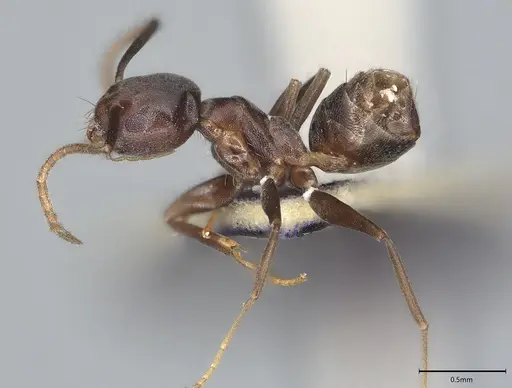
CASENT0178239
Посмотреть на AntWeb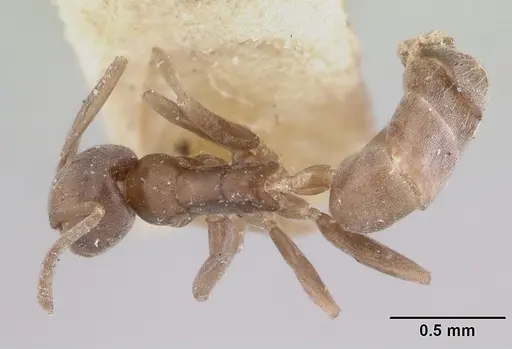
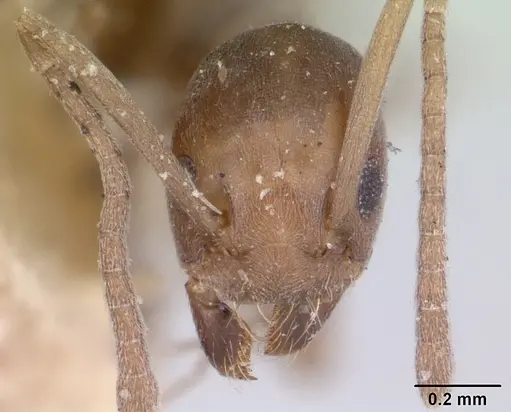
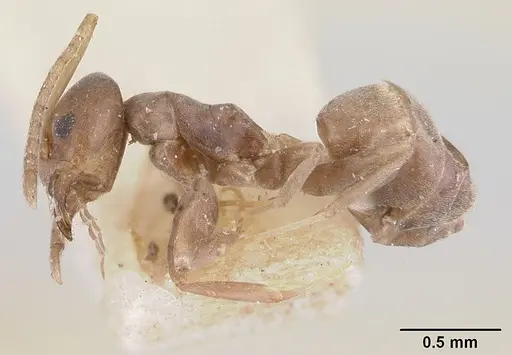
CASENT0904030
Посмотреть на AntWeb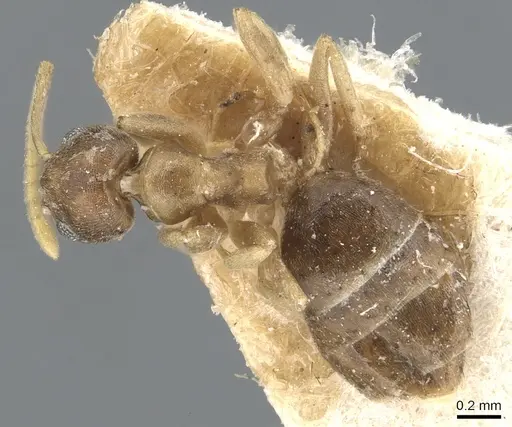
CASENT0911579
Посмотреть на AntWeb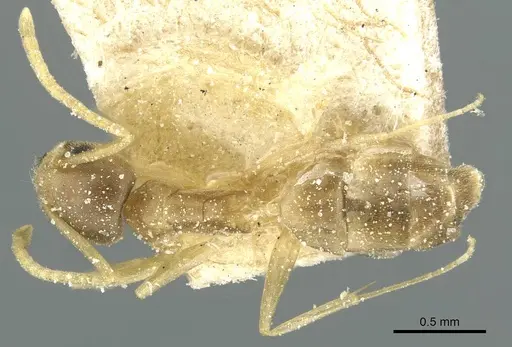
CASENT0917135
Посмотреть на AntWeb
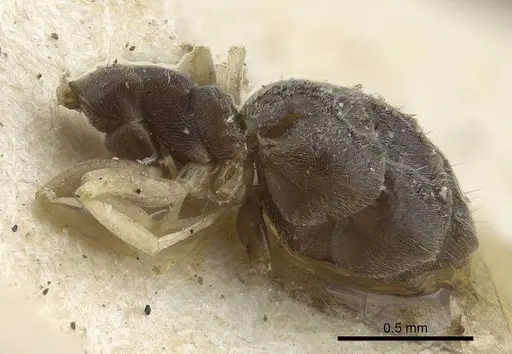
LACMENT181857
Посмотреть на AntWeb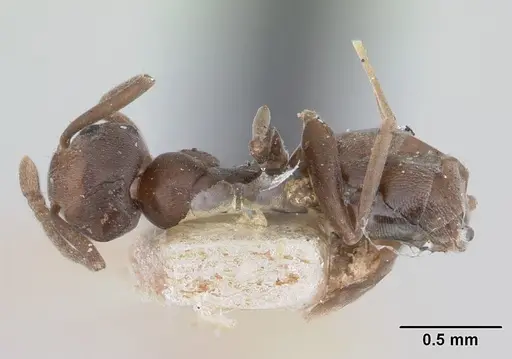
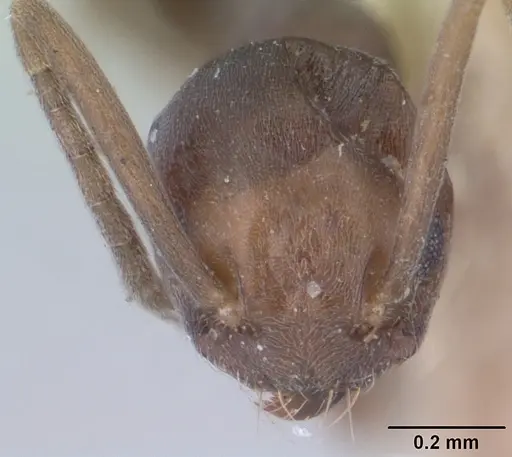
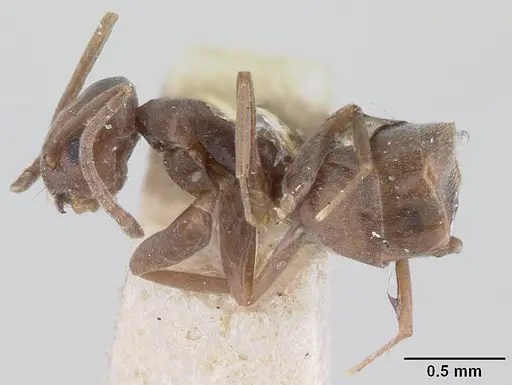
Литература
Загрузка карты распределения...Загрузка товаров...