
Strumigenys nannosobek
- Науч. назв.
- Strumigenys nannosobek
- Триба
- Attini
- Подсемейство
- Myrmicinae
- Автор
- Bolton, 2000
- Распространение
- Встречается в 0 странах
Введение
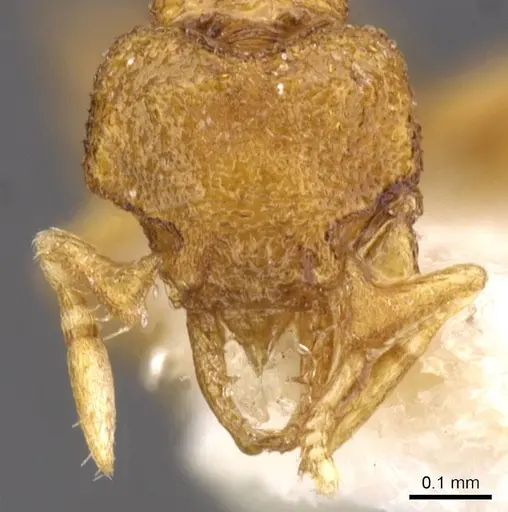
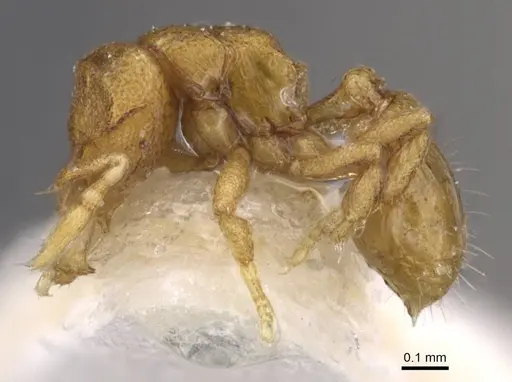
Strumigenys nannosobek is a minute predatory ant measuring just 1.4-1.5mm in total length, making it one of the smallest ants you can keep . Workers have distinctive long erect hairs on their middle and hind tibiae and basitarsi, and possess the longest mandibles recorded in their species group (the murphyi group) . The species was originally described from Bhutan and has since been recorded in India, specifically from Kerala and Sikkim states . This is a very rare species in the antkeeping hobby with no documented captive history.
Quick Summary
- Difficulty: Expert
- Origin & Habitat: Found in Bhutan and northern India (Kerala, Sikkim), primarily in highland forest habitats around 1000m elevation [1]. The Indomalaya region has humid subtropical to tropical forest conditions.
- Colony Type: Unconfirmed colony structure, no observations of wild colonies have been documented. Based on related Strumigenys species, likely single-queen colonies.
- Size & Growth:
- Queen: Unknown, queen caste has not been described
- Worker: 1.4-1.5mm [1]
- Colony: Unknown, no colony data exists
- Growth: Unknown, no development data exists
- Development: Unknown, no direct observations (Based on related tiny Strumigenys species, development likely takes several months. These are extremely slow-growing ants even by Strumigenys standards.)
- Antkeeping:
- Temperature: Unconfirmed, no thermal data exists for this species. Start around 22-25°C and monitor colony activity. Related Strumigenys species typically prefer warm, stable conditions.
- Humidity: Unconfirmed, no humidity data exists. Based on collection from humid forest habitats in Kerala and Bhutan, aim for moderate to high humidity (60-80%) with moist substrate.
- Diapause: Unknown, no seasonal data exists. The highland origin suggests some tolerance for cooler conditions, but whether true hibernation occurs is unconfirmed.
- Nesting: Natural nesting is unconfirmed. Related Strumigenys typically nest in soil, leaf litter, or rotting wood. Use a naturalistic setup with moist substrate or a small Y-tong/plaster nest with tight chambers scaled to their tiny size.
- Behavior: Temperament is unconfirmed, but related Strumigenys are typically docile and non-aggressive. They are specialized predators using their trap-jaw mandibles to capture tiny prey (primarily springtails) [3]. Escape risk is extremely high due to their minute 1.4mm size, fine mesh barriers are absolutely essential. They are slow-moving and secretive.
- Common Issues: tiny size makes escape prevention critical, they can squeeze through standard mesh, complete lack of species-specific care data means trial and error is required, slow growth and small colony sizes make them difficult to establish, no confirmed diet acceptance, must experiment with live micro-prey, wild-caught colonies may have parasites that kill them in captivity
Why This Species Is Challenging
Strumigenys nannosobek is one of the most difficult ants to keep because absolutely nothing is known about its biology in the wild or in captivity. The scientific literature describes only the worker morphology, there are no observations of queen caste, colony size, founding behavior, diet preferences, temperature tolerance, or any other aspect of their natural history [1][2]. This means you will be essentially pioneering captive care for this species with no established baseline. Only experienced antkeepers willing to experiment and document their findings should attempt this species. Expect high failure rates and be prepared to learn from each attempt.
Housing and Escape Prevention
Because workers measure only 1.4-1.5mm, escape prevention is your biggest challenge. Standard test tube setups may still allow escapes through the cotton or between the tube and outworld. Use fine mesh (at least 0.5mm) on all openings and consider double-barrier systems. A small Y-tong or plaster nest with chambers scaled to their tiny size works better than large formicaria where they can get lost. Keep the nest area humid but ensure ventilation prevents mold. The outworld should be small and simple so you can monitor their activity. Never use setups with gaps larger than 1mm anywhere in the enclosure.
Feeding and Diet - The Unknown Factor
Diet is entirely unconfirmed for this species, but you can make educated guesses based on genus patterns. Strumigenys are specialized predators that typically hunt springtails (Collembola) and other tiny micro-arthropods using their trap-jaw mandibles [3]. Start by offering live springtails, which are the preferred prey of most Strumigenys species. Other options include booklice (Psocoptera), minute soil mites, and other tiny arthropods. Do not expect them to accept sugar water or honey, Strumigenys are not known for carbohydrate feeding. Offer prey every few days and remove uneaten items promptly to prevent mold. Given their tiny size, prey should be no larger than 1mm.
Temperature and Humidity Guessing Game
Since no thermal data exists for this species, you must experiment cautiously. Start with a temperature gradient around 22-26°C and observe where workers cluster. The Kerala collection site (Periyar Tiger Reserve) is tropical at low elevation, while Bhutan specimens come from higher altitudes, this suggests some temperature flexibility. For humidity, aim for 60-80% based on their collection from humid forest habitats. Keep substrate consistently moist but not waterlogged. Monitor for mold and adjust ventilation accordingly. Any sudden temperature changes can be fatal, stability is key. [1]
Growth Expectations
Do not expect rapid growth. Even under ideal conditions, Strumigenys colonies are typically slow-growing, and tiny species like nannosobek likely develop even slower. First workers (nanitics) may take several months to appear after founding. Colony sizes likely remain small, probably under 100 workers even at maturity. This species is not one for keepers who want visible progress. Document your observations thoroughly because any successful captive breeding would be a significant contribution to antkeeping knowledge.
Frequently Asked Questions
Is Strumigenys nannosobek good for beginners?
No. This species is absolutely not suitable for beginners. Nothing is known about its captive care requirements, making it an experimental species even for experienced antkeepers. Start with more established Strumigenys species like Strumigenys rossi or Strumigenys lewisi that have documented care guidelines.
What do Strumigenys nannosobek ants eat?
Diet is unconfirmed, but based on related Strumigenys species, they are specialized predators on tiny arthropods. Offer live springtails as a primary food source. Other potential prey includes booklice, minute soil mites, and tiny insects. Do not expect them to accept sugar water or honey, this is not typical for the genus [3].
How long does it take for first workers to appear?
Unknown, no captive observations exist. Based on related tiny Strumigenys species, expect several months (possibly 3-6+ months) from egg to first worker under ideal conditions. These are extremely slow-growing ants even by ant standards.
How big do Strumigenys nannosobek colonies get?
Colony size is unconfirmed. Based on their tiny 1.4mm worker size and related species patterns, colonies likely reach only 50-100 workers at maximum. Do not expect large colonies.
What temperature should I keep Strumigenys nannosobek at?
No species-specific data exists. Start with 22-26°C and observe colony behavior. Adjust based on where workers choose to cluster. Avoid temperature fluctuations and keep conditions stable.
Can I keep multiple queens together?
Unknown, no observations of colony founding or queen behavior exist. Do not attempt combining unrelated queens without data. Most Strumigenys are single-queen species, but this is unconfirmed for nannosobek.
Why are my Strumigenys nannosobek dying?
Without species-specific knowledge, diagnosing problems is extremely difficult. Common issues likely include: escape (check all barriers), unsuitable prey size, temperature extremes, humidity problems, or parasites. This species has such limited data that most captive attempts will fail. Document your conditions thoroughly to learn from each attempt.
What is the best nest type for Strumigenys nannosobek?
No established recommendations exist. Use a small Y-tong or plaster nest with chambers scaled to their 1.5mm size, or a naturalistic setup with moist substrate and small chambers. Avoid large formicaria where they can get lost or become isolated.
Where does Strumigenys nannosobek come from?
This species is known from Bhutan and northern India (Kerala and Sikkim states). The Kerala collection was at around 1000m elevation in Periyar Tiger Reserve [1]. The Bhutan specimens came from lower elevations around 400m.
Is Strumigenys nannosobek a trap-jaw ant?
Yes, Strumigenys have trap-jaw mandibles (called trap-jaw or snap-jaws) that can strike at extremely fast speeds to capture prey. This is a defining characteristic of the genus [3].
How do I establish a colony of Strumigenys nannosobek?
This is unknown territory. Your best option is to find an established colony from another keeper who has succeeded. If none exists, you would need to catch a mated queen during nuptial flights (timing and location unknown) and attempt founding in a small test tube setup with moist substrate. Success rates will likely be very low given the lack of knowledge.
Report an Issue
The current care sheet is based fully on literature. See inconsistencies, or something that's incorrect? Please , it will be resolved after review from an admin. Contributing to the blogs tab also helps providing information, to make us be able to further improve the caresheets. Thank you for your support!
References

Эта инструкция по уходу лицензирована по CC BY-SA 4.0 .
Блоги сообщества
CASENT0900137
Посмотреть на AntWeb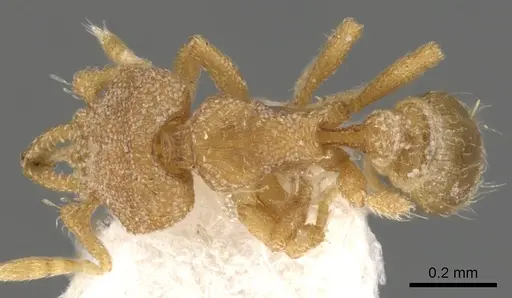
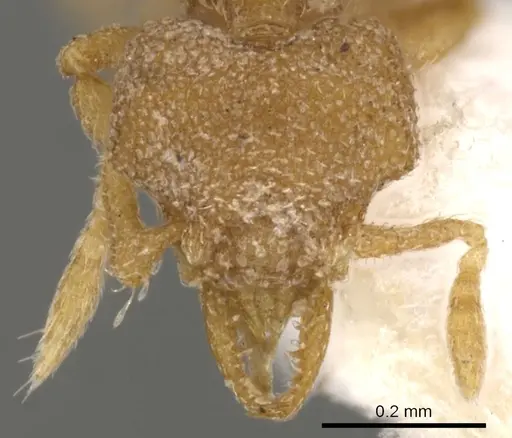
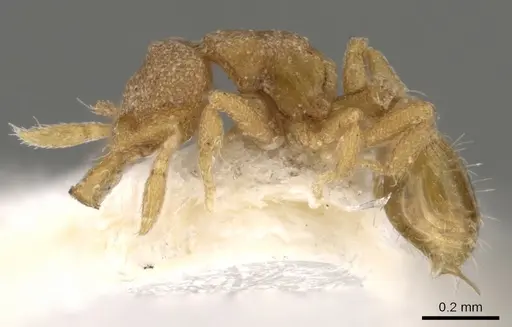
CASENT0912860
Посмотреть на AntWeb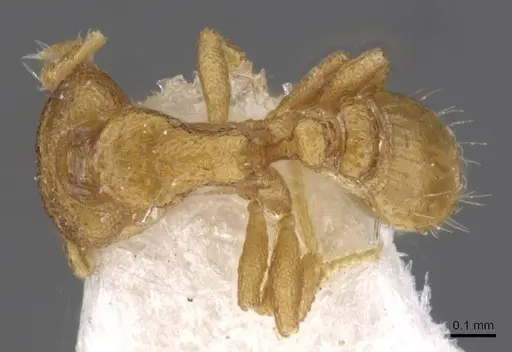
Литература
Загрузка карты распределения...Загрузка товаров...