
Strumigenys memorialis
- Науч. назв.
- Strumigenys memorialis
- Триба
- Attini
- Подсемейство
- Myrmicinae
- Автор
- Deyrup, 1998
- Распространение
- Встречается в 0 странах
Введение
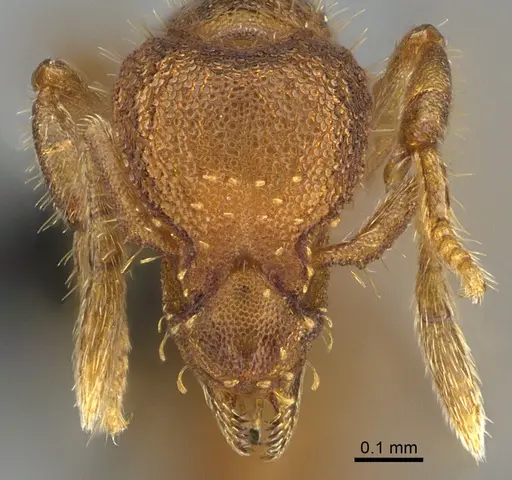
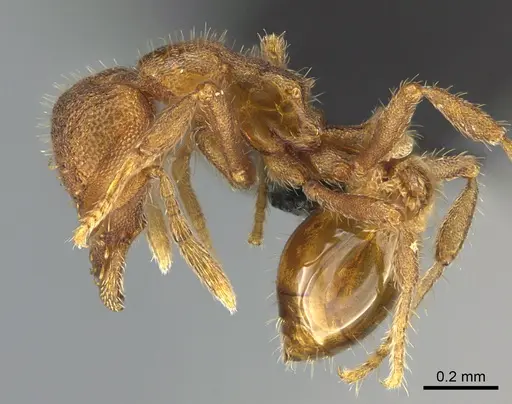
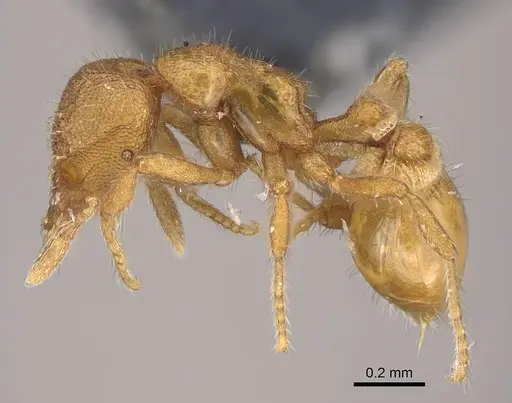
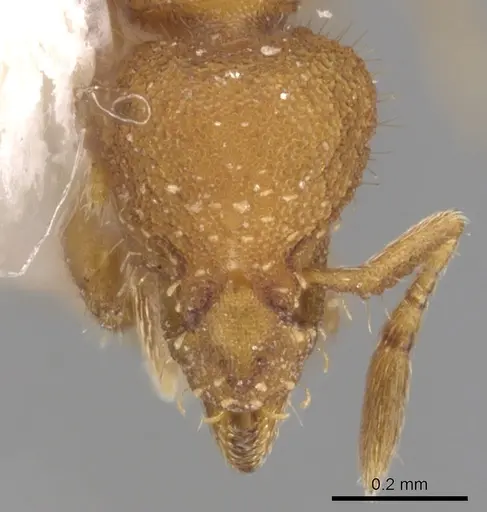
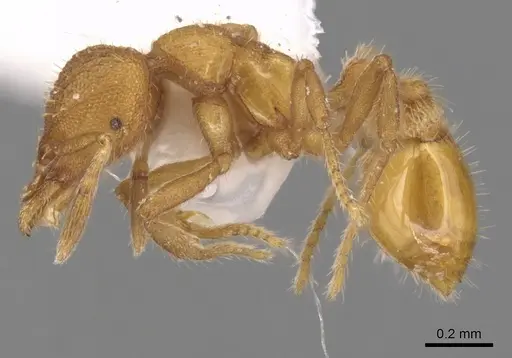
Strumigenys memorialis is a tiny ant species from North America. It belongs to the Nearctic lineage of Strumigenys . Almost nothing is known for certain about its biology - most details below are inferred from the genus. These ants are very small and likely live in leaf litter or soil. Their small size and secretive habits make them a challenge to study or keep.
Quick Summary
- Difficulty: Expert
- Origin & Habitat: North America (Nearctic region) [1]. Exact habitat preferences are not described in available literature, but related Strumigenys species often live in moist forest leaf litter, under stones, or in rotting wood.
- Colony Type: Likely monogyne (single queen) based on genus patterns, but species-specific data is lacking.
- Size & Growth:
- Queen: Size data unavailable. Based on genus morphology, queens are typically slightly larger than workers but no direct measurements are known.
- Worker: Size data unavailable. No measurements from research. Genus Strumigenys workers are typically 2-3mm, but this species has not been measured.
- Colony: Unknown. Most Strumigenys colonies are small (under a few hundred workers), but no data exists for this species.
- Growth: Slow (inferred from genus patterns)
- Development: Unknown, no data. Allow at least 8-12 weeks as a rough estimate based on related Strumigenys, but exact timing is not confirmed. (Development speed is likely temperature-dependent. Due to lack of research, timing is speculative.)
- Antkeeping:
- Temperature: Lacks confirmed data. Based on Nearctic origin and genus preferences, maintain stable moderate temperatures around 20-24°C. Avoid extremes.
- Humidity: Likely requires high humidity as is typical for leaf-litter Strumigenys. Keep nest substrate consistently damp but not waterlogged. No precise data available.
- Diapause: Likely requires a winter rest period (diapause) given its Nearctic range. If providing diapause, reduce temperature to around 10-15°C for 2-3 months, keeping the colony moist but not feeding. This is inferred from related species and not confirmed for S. memorialis.
- Nesting: Y-tong (AAC) nests or test tubes with a damp cotton reservoir work well. Choose chambers scaled to the ants' tiny size. Use fine mesh on all openings to prevent escape.
- Behavior: Temperament: shy, non-aggressive. Poses no danger to humans due to tiny size (sting present but practically harmless). Escape risk is very high due to small size, use fine mesh and sealed connections. They prefer stable, undisturbed conditions.
- Common Issues: escape prevention is critical due to their tiny size, standard ant mesh may not block them., high humidity is essential but easily overlooked, colonies desiccate quickly in dry conditions., live prey (springtails) likely required, they may refuse dead prey., slow growth tests patience, colonies may take many months to produce significant numbers., wild-caught colonies may have parasites or suffer poorly from unknown care requirements.
Housing and Nest Setup
Because Strumigenys memorialis is extremely small, you must choose a nest with tiny chambers and tight, humid spaces. A Y-tong (AAC) nest with narrow tunnels or a simple test tube setup with a damp cotton reservoir both work. Keep the nest consistently moist but not flooded. Cover all ventilation holes and joints with very fine mesh (at least 0.5mm or smaller), standard ant mesh will not stop these ants. A small outworld is fine since colonies stay small.
Feeding and Diet
Like other Strumigenys, this species is probably a specialized predator of springtails and other micro-arthropods. Live prey is almost certainly required, they likely ignore dead food. You will need to culture your own springtails to provide a steady supply. Other small live insects (booklice, small flies) may be taken occasionally. Do not offer sugary liquids or protein powders, these ants appear to rely entirely on live prey. Feed small amounts every 2-3 days and remove uneaten prey after 24 hours.
Temperature and Seasonal Care
Keep the nest at room temperature (about 20-24°C). Avoid direct sunlight and heating vents, both dry out the nest quickly. A winter diapause is likely needed. If you provide one, gradually lower the temperature to 10-15°C for 2-3 months during winter. Keep the colony slightly moist but do not feed during this rest. These recommendations are based on the species' Nearctic origin and genus patterns, not on confirmed research. [1]
Behavior and Observation
Strumigenys memorialis likely has the fast trap-jaw strike typical of the genus, but this has not been directly observed in this species. Workers are shy and spend most of their time in the nest. Disturbance may cause brood abandonment. Their sting is present but medically insignificant due to their tiny size. Watching them hunt is the main reward for keeping them, but patience is essential: colonies grow slowly and are not active in the open like many ants.
Frequently Asked Questions
How long does it take for Strumigenys memorialis to produce first workers?
This is unknown for this species. Based on related Strumigenys, expect roughly 8-12 weeks from egg to worker, but this is a rough estimate. Do not disturb the queen during founding.
Can I keep Strumigenys memorialis in a test tube?
Yes, a simple test tube with a damp cotton reservoir is a good starting setup. Connect a tiny outworld for feeding. This keeps humidity high and mimics a natural crevice.
What do Strumigenys memorialis eat?
They likely require live springtails as their main food. These are specialized predators that usually ignore dead prey. Culturing your own springtails is essential.
Are Strumigenys memorialis good for beginners?
No. This species is not recommended for beginners because its care requirements are poorly understood, it needs live prey, high humidity, and grows very slowly. Only experienced keepers who can provide constant attention should attempt it.
Do Strumigenys memorialis need hibernation?
Likely yes, because it comes from a temperate region. A 2-3 month winter rest at 10-15°C is recommended but not confirmed by research. Keep the nest moist but do not feed during diapause.
How big do Strumigenys memorialis colonies get?
No data. Based on other Strumigenys, colonies probably stay under a few hundred workers at most. They are not large colony builders.
Why are my Strumigenys memorialis dying?
The most common reasons are: insufficient humidity (they dry out quickly), refusal of dead prey (they need live springtails), escapes through tiny gaps, and stress from frequent disturbance. Check humidity first, then food.
When should I move Strumigenys memorialis to a formicarium?
Move them only when the test tube is overcrowded and the cotton is soiled. For this species, a test tube or small Y-tong nest often works long-term. Larger nests may make them feel unsafe.
Can I keep multiple Strumigenys memorialis queens together?
This is not known for this species. Most Strumigenys are monogyne and will fight if queens are kept together. Stick to one queen per colony to be safe.
Report an Issue
The current care sheet is based fully on literature. See inconsistencies, or something that's incorrect? Please , it will be resolved after review from an admin. Contributing to the blogs tab also helps providing information, to make us be able to further improve the caresheets. Thank you for your support!
References

Эта инструкция по уходу лицензирована по CC BY-SA 4.0 .
Блоги сообщества
ANTWEB1054791
Посмотреть на AntWeb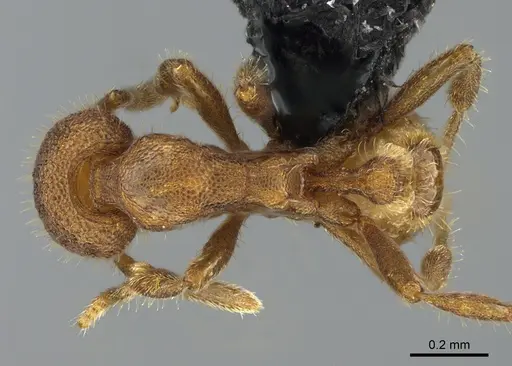
CASENT0104812
Посмотреть на AntWeb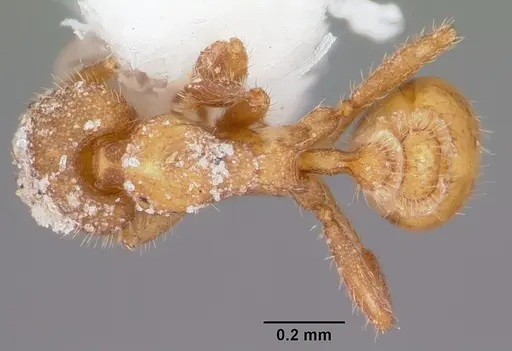
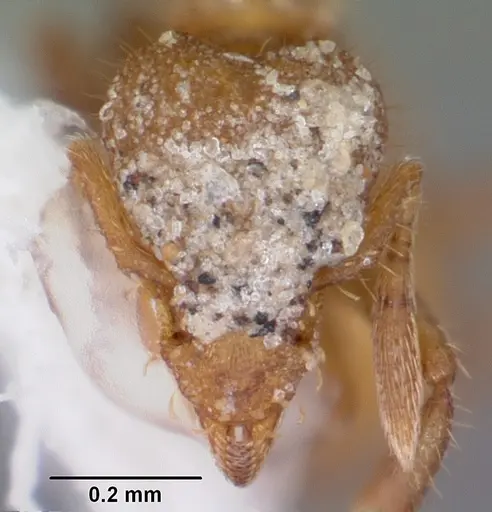
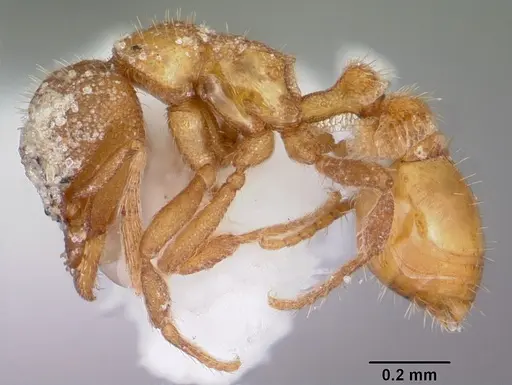
CASENT0747064
Посмотреть на AntWeb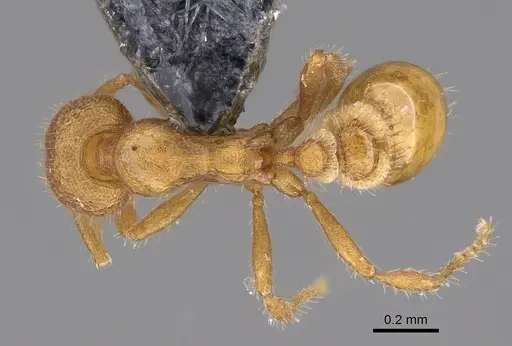
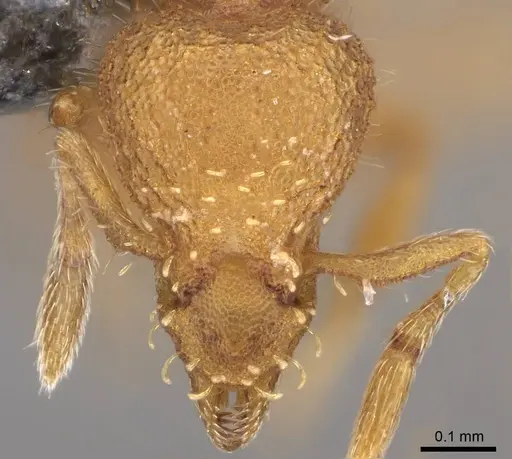
CASENT0900167
Посмотреть на AntWeb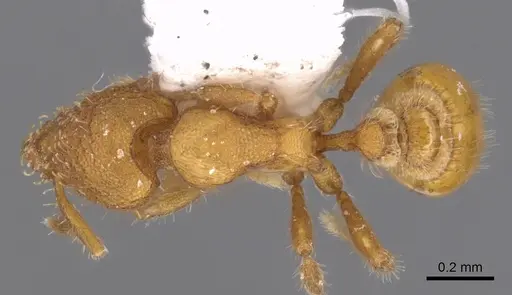
Литература
Загрузка карты распределения...Загрузка товаров...