
Strumigenys hindu
- Науч. назв.
- Strumigenys hindu
- Триба
- Attini
- Подсемейство
- Myrmicinae
- Автор
- De Andrade, 2007
- Распространение
- Встречается в 0 странах
Введение
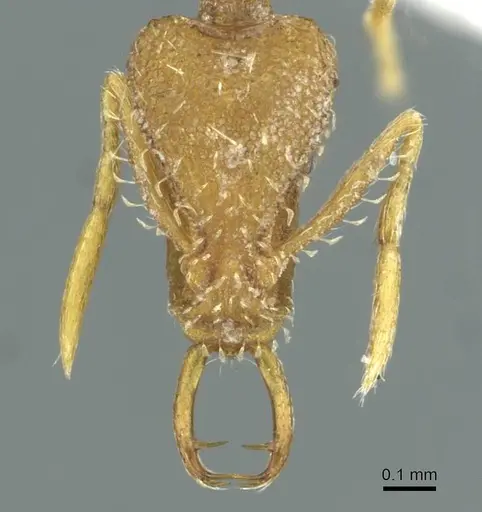
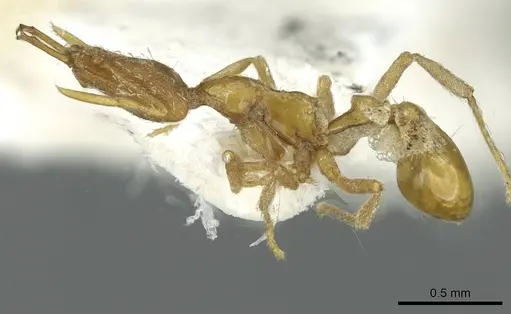
Strumigenys hindu is a minute predatory ant measuring 2.5 mm in total length, placing it among the smallest ants in the Myrmicinae subfamily. It was described in 2007 from specimens collected in Pokhara, Nepal at 820 meters elevation, and is endemic to that region . Workers are light brown with distinctive spongiform structures on the petiole and postpetiole, and they have the characteristic trap-jaw mandibles of the genus . This species belongs to the Strumigenys godeffroyi group and can be distinguished from close relatives by its larger body size . Almost nothing is known about the biology of Strumigenys hindu . What we infer comes from what's known about other Strumigenys species: they are specialized predators that hunt tiny soil arthropods, likely springtails, and live in dark, humid leaf-litter habitats. Colony structure and founding behavior have not been documented.
Quick Summary
- Difficulty: Expert
- Origin & Habitat: Endemic to Nepal, specifically collected in the Pokhara valley at 820m elevation in Kaski district [1]. The natural habitat is likely subtropical forest edges at mid-elevations in the Himalayan foothills.
- Colony Type: Unknown colony structure. No queen has been described. Based on genus patterns, Strumigenys colonies are typically small with a single queen (monogyne), but this is unconfirmed for S. hindu.
- Size & Growth:
- Queen: Not described for this species, queens unknown.
- Worker: 2.5 mm total length (TL) [2]
- Colony: Unknown, likely small (under 100 workers) based on genus patterns.
- Growth: Slow
- Development: Unknown for this species. Inferred from related Strumigenys: likely 4-8 months at optimal temperature. (Strumigenys are among the slowest developing ants. Expect extended founding periods of 6+ months before first workers appear.)
- Antkeeping:
- Temperature: Keep at 20-24°C. This species comes from mid-elevation Nepal (820 m) where temperatures are moderate. Avoid overheating, they prefer stable, cool conditions.
- Humidity: High humidity required. The nest substrate should be consistently damp but not waterlogged. Use a well-ventilated setup to prevent mold.
- Diapause: Likely required. Inferred from subtropical distribution: reduce temperature to 15-18°C for 2-3 months in winter to mimic natural seasonal cycles.
- Nesting: Prefers dark, humid environments. A naturalistic terrarium with moist substrate and leaf litter works well. A test tube with small water reservoir is possible for starting colonies. Use fine mesh (≤0.5 mm) to prevent escapes. Avoid dry or exposed setups.
- Behavior: Extremely shy and non-aggressive. These tiny ants are specialized predators that hunt springtails using their trap-jaw mandibles. They are cryptobiotic, spending most of their time hidden in dark, humid microhabitats. Escape risk is significant due to tiny size, use fine barriers. They have a functional stinger but it is of negligible medical significance.
- Common Issues: specialized diet requires a live springtail culture, they are obligate predators and will starve without it., extremely slow growth leads to colony failure if food or humidity isn't consistently maintained., tiny size means even standard ant mesh is not enough, use very fine mesh or a tightly sealed outworld., high humidity needs can cause mold problems if ventilation is poor., most care advice is based on guesswork from related species, specific requirements for S. hindu are unknown.
Housing and Nest Setup
Because the biology of Strumigenys hindu is undocumented, housing advice must be inferred from closely related species. A test tube setup with a small water reservoir and tightly packed cotton works for starting colonies, but ensure the tube is kept dark and at high humidity. A naturalistic setup with moist substrate (soil + organic matter) and leaf litter is better for established colonies, as it encourages natural hunting behavior. The nest area should always be dark and damp. Use fine mesh (≤0.5 mm) for any ventilation or barriers, standard ant mesh is too coarse for these tiny ants. Avoid acrylic nests, which dry out too quickly. Y-tong (AAC) or plaster nests with small chambers can work if humidity is maintained. Good ventilation is crucial to prevent mold from developing in the damp conditions.
Feeding and Diet
Feeding is the most challenging aspect. Like other Strumigenys, S. hindu is almost certainly a specialized predator of springtails (Collembola). You must establish a stable culture of live springtails before acquiring this species. Other tiny prey such as booklice (psocids), minute soil mites, or early-stage fruit fly larvae may be accepted, but springtails should be the staple. Sugar sources like honey or sugar water are not accepted, they are obligate predators. Feed small live prey every 2-3 days, adjusting based on consumption. Remove any uneaten prey to prevent mold. Without a reliable springtail supply, the colony will starve.
Temperature and Seasonal Care
Maintain temperatures around 20-24°C. Sudden fluctuations above 28°C can be lethal. A slight temperature gradient within the nest setup allows ants to regulate themselves. During winter, a 2-3 month diapause at 15-18°C is likely required, based on the species' mid-elevation, seasonal home. Reduce feeding during diapause or stop if the colony becomes inactive. Gradually return to normal temperatures in spring. Avoid placing the setup in direct sunlight or near heat sources.
Behavior and Temperament
Strumigenys hindu is an extremely docile species. They are not aggressive and their tiny mandibles cannot break human skin. They have a functional stinger, but it is not used defensively and poses no medical risk. Workers are slow-moving and spend most of their time hunting in the leaf litter or substrate. They are crepuscular or nocturnal, becoming more active in low light. The trap-jaw mechanism is used exclusively for catching prey, not defense. Because of their tiny size, they are easily overlooked, provide a dark, quiet environment for best observation. Colonies are small and workers rarely venture far from the nest.
Colony Establishment and Growth
Establishing a colony of S. hindu is extremely challenging. Queens have not been described in the scientific literature, so wild colony collection is the primary source. If you obtain a colony, expect an extremely slow growth rate, Strumigenys are among the slowest developing ants in captivity. The first workers (nanitics) may take 6-12 months to appear, and the colony will remain very small for at least the first year. Do not disturb the queen during founding, she may seal herself in a chamber. Opening the nest too often can cause stress, leading to brood consumption or queen abandonment. Patience is essential, this species is a long-term commitment.
Frequently Asked Questions
How long does it take for Strumigenys hindu to produce first workers?
The exact timeline is unknown for this species, but based on related Strumigenys species, expect 6-12 months from founding to first workers. These are extremely slow-developing ants that require patience. Do not disturb the queen during this period.
What do Strumigenys hindu ants eat?
They are specialized predators that require live springtails (Collembola) as their primary food source. Establishing a springtail culture is essential before keeping this species. Other small live prey such as booklice or tiny fruit fly larvae may be accepted, but they are obligate predators, they will not eat sugar or honey.
Can I keep Strumigenys hindu in a test tube?
Yes, a test tube setup with a small water reservoir and tightly packed cotton can work for starting a colony. Cover the tube to keep it dark. However, a naturalistic setup with moist substrate and leaf litter is better for established colonies as it encourages natural hunting behavior.
Are Strumigenys hindu good for beginners?
No. This species is rated Expert due to its specialized diet (live springtails), extremely slow growth, and the fact that virtually nothing is known about its specific biology. Only experienced antkeepers with an established springtail culture should attempt this species.
Do Strumigenys hindu need hibernation?
Likely yes. Based on their origin in mid-elevation Nepal (820 m), they probably require a winter rest period of 2-3 months at reduced temperatures (15-18°C). This diapause supports natural seasonal cycles and colony health.
How big do Strumigenys hindu colonies get?
The maximum colony size is unknown but likely remains small, probably under 100 workers, based on genus patterns. They are slow-growing and never reach the sizes seen in species like Camponotus or Formica.
Why are my Strumigenys hindu dying?
Common causes include starvation (lack of live springtails), improper humidity (too dry or too wet leading to mold), temperature stress (too hot or fluctuating), and escape due to inadequate barriers. These ants require precise conditions. Review each parameter and ensure your springtail culture is thriving.
When should I move Strumigenys hindu to a formicarium?
Move them only when the colony is established with at least 10-20 workers and you can reliably provide springtail prey. Many keepers find that a naturalistic setup with moist substrate works better than a traditional formicarium. They prefer dark, humid conditions regardless of container type.
Can I keep multiple Strumigenys queens together?
This is unknown for this species. The colony structure of S. hindu has not been documented. Based on genus patterns, they are likely single-queen colonies. Do not attempt combining unrelated queens without evidence they will tolerate each other.
Report an Issue
The current care sheet is based fully on literature. See inconsistencies, or something that's incorrect? Please , it will be resolved after review from an admin. Contributing to the blogs tab also helps providing information, to make us be able to further improve the caresheets. Thank you for your support!
References

Эта инструкция по уходу лицензирована по CC BY-SA 4.0 .
Блоги сообщества
CASENT0912870
Посмотреть на AntWeb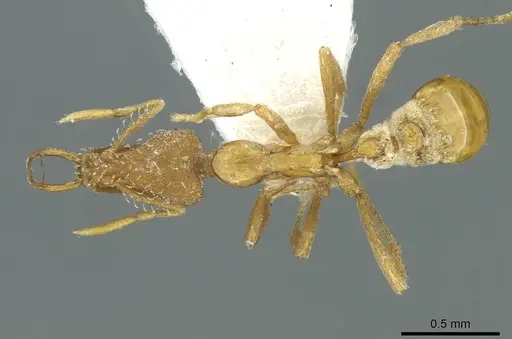
Литература
Загрузка карты распределения...Загрузка товаров...