
Strumigenys habropilosa
- Науч. назв.
- Strumigenys habropilosa
- Триба
- Attini
- Подсемейство
- Myrmicinae
- Автор
- Bolton, 2000
- Распространение
- Встречается в 0 странах
Введение
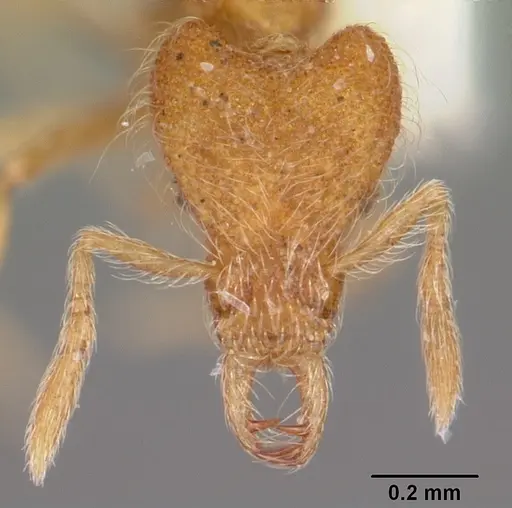
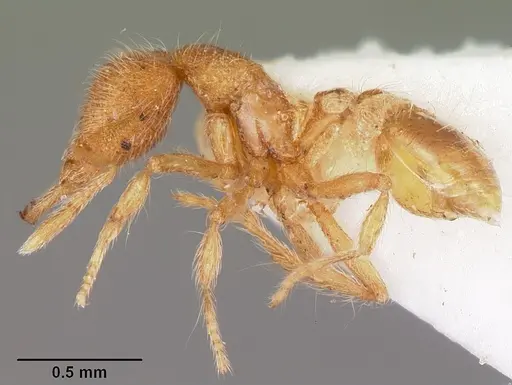
Strumigenys habropilosa is a tiny predatory ant, with workers measuring 2.2 mm total length. It belongs to the Myrmicinae subfamily (Attini tribe) and is known as a trap-jaw ant, using its fast-acting mandibles to capture small prey like springtails. This species is endemic to India, recorded from Kerala and Tamil Nadu in the Western Ghats, at elevations around 900 m in the Nilgiri Hills . It was described by Bolton in 2000 and is placed in the Strumigenys godeffroyi group, smythiesii-complex, characterized by a narrow head, short mandibles, and long flagellate hairs on the head margins . Nothing concrete is known about the biology of Strumigenys habropilosa in the wild, but like related species, it is a specialized hunter that likely lives in leaf litter and soil crevices. Its small size and specialized diet make it a difficult but rewarding species for experienced antkeepers.
Quick Summary
- Difficulty: Expert
- Origin & Habitat: Endemic to India, found in Kerala and Tamil Nadu (Western Ghats). The type locality is the Nilgiri Hills at 900 m elevation [1]. Likely inhabits leaf litter and upper soil layers in tropical/subtropical forests.
- Colony Type: Colony structure is unconfirmed. Based on related Strumigenys species, they are likely monogyne (single queen) and colonies are small.
- Size & Growth:
- Queen: Undescribed, estimated 3-4 mm based on Strumigenys genus patterns.
- Worker: 2.2 mm total length [2]
- Colony: Likely under 200 workers based on genus patterns for specialized predators.
- Growth: Slow, typical for Strumigenys and specialized predators.
- Development: Estimated 8-12 weeks at optimal temperature (based on related species). (Development time is unconfirmed for this species. Strumigenys colonies grow slowly because of their specialized predatory lifestyle and small colony size.)
- Antkeeping:
- Temperature: Keep at 24-28°C based on the tropical Indian distribution. Provide a gentle gradient so the ants can choose their preferred temperature.
- Humidity: High humidity, keep the nest substrate consistently damp but not waterlogged. Mist the outworld occasionally, but avoid standing water. Based on their leaf-litter habitat.
- Diapause: No, being a tropical species, they likely do not require diapause. Keep temperatures stable year-round.
- Nesting: Use a naturalistic setup with moist soil or leaf-litter mix, or a small plaster or Y-tong nest with narrow chambers. Test tubes with a water reservoir and cotton plug work well for founding colonies. Avoid acrylic nests.
- Behavior: These ants are small and not aggressive toward humans, they will usually retreat rather than attack. Their defense mechanism is a sting (typical of Myrmicinae), but it is mild and not medically significant. Because workers are only 2.2 mm, escape risk is extremely high, use very fine mesh (0.5 mm or less) and barrier gels on all openings. They do not form visible foraging trails and spend most of their time hunting in the substrate or tending brood.
- Common Issues: escapes due to tiny size, any gap even 1 mm can let them out, use the finest mesh and fluon barriers, specialized diet requires a constant supply of live springtails or similar micro-prey, standard ant foods will not sustain them, slow growth can tempt overfeeding, which causes mold and kills the colony, humidity drops quickly, the nest substrate must stay consistently damp, or the colony will dry out and die, wild-caught colonies may carry parasites, quarantine new colonies carefully
Housing and Nest Setup
Strumigenys habropilosa is extremely small (workers 2.2 mm), so housing must be scaled to prevent escapes. For founding a colony, a test tube setup works well: use a small test tube with a water reservoir held by a cotton plug, keeping the chamber humid but not flooded. The queen will seal herself in during founding and needs a dark, quiet space.
As the colony grows, transition to a small plaster or Y-tong nest with narrow chambers. You can also use a naturalistic setup with a thin layer of moist soil or coconut fiber. Avoid open, large spaces that stress these ants. All containers must have very fine mesh over vents (0.5 mm or smaller) and barrier gels (fluon) around edges. Check all seals regularly, these ants can squeeze through gaps under 1 mm. [2]
Feeding and Diet
This is the most challenging part of keeping this species. Strumigenys habropilosa is an obligate predator: it eats only live, tiny prey. In the wild, they feed on springtails (Collembola) and other micro-arthropods found in leaf litter. You must culture your own springtails, this is non-negotiable. Springtail cultures are easy to maintain and widely available.
Offer a few springtails daily or every other day. Remove uneaten prey after 24 hours to prevent mold. Other suitable prey includes fruit flies (Drosophila) and booklice. Do not provide sugar water, honey, or protein powder, these ants will not eat them. The trap-jaw mechanism is specialized for capturing soft-bodied, tiny prey, larger food items will be ignored. Some keepers have success with freshly killed insects, but live prey is always better for brood health.
Temperature and Humidity
Being a tropical species from India, this ant needs warm, humid conditions. Keep the temperature at 24-28°C. Create a slight gradient (e.g., by placing a heating cable on one side of the enclosure) so the ants can choose their comfort zone. Avoid sudden drops or drafts, they stress the colony.
Humidity must be high. The nest substrate should be consistently damp but not waterlogged. Mist the outworld lightly every day or two, and check that the nest chamber walls have fine condensation. Do not allow the substrate to dry out, a dry nest will kill the colony quickly. Standing water can drown the ants, so ensure drainage in the setup.
Because they come from a tropical climate, they do not need a hibernation period. Keep temperatures stable year-round. [1]
Behavior and Temperament
Strumigenys habropilosa workers are small, slow-moving, and not aggressive to humans. They will flee or freeze rather than attack. Their defense is a mild sting (Myrmicinae trait), but it is seldom used unless the ant is pinned. The most remarkable behavior is the trap-jaw strike: when hunting, their mandibles close at extreme speed to capture prey. This is the only time they move fast.
Within the nest, workers are mostly sedentary. They do not form long foraging trails, they search for prey in the substrate. The colony spends most of its time in the nest chamber. Escape prevention is critical due to their tiny size. Use very fine mesh (0.5 mm) on ventilation and fluon on container walls. Any crack large enough for a pinhead is a potential escape route.
Colony Growth and Development
Colony growth is slow, typical for specialized predators like Strumigenys. A founding queen will take an estimated 8-12 weeks to raise her first workers at optimal temperature. These first workers (nanitics) are often even smaller than normal. The colony may take a year or more to reach 50-100 workers, and mature colonies likely max out around 200 workers. This is not a species for keepers wanting quick expansion.
Patience is essential. Overfeeding is a common mistake: uneaten prey rots and causes mold that can wipe out the colony. Only offer as much as the ants can eat in a day or two. Because growth is slow, any problems (low humidity, poor diet, stress) will have delayed effects, making them harder to diagnose.
Queens are undescribed, but based on related species, they are probably claustral founders that seal themselves in a chamber and use stored fat reserves until the first workers emerge.
Frequently Asked Questions
Can I keep Strumigenys habropilosa in a test tube?
Yes, test tubes work well for founding colonies. Use a small test tube with a water reservoir and cotton plug. Keep the chamber humid but not flooded. The queen will seal herself in to raise her first workers. Move to a larger setup when the colony reaches about 30-50 workers.
What do Strumigenys habropilosa eat?
They are obligate predators that eat only live tiny prey, primarily springtails. You must maintain a springtail culture. They will not accept sugar water, honey, or standard ant foods. Other options include fruit flies and booklice.
How long until first workers appear?
Estimated 6-10 weeks from egg to first worker at optimal temperature (24-28°C). This estimate comes from related Strumigenys species since specific data for Strumigenys habropilosa is unavailable. Growth is slow, be patient.
Are Strumigenys habropilosa good for beginners?
No, this is an expert-level species. Their specialized diet (live springtails required), tiny size (escape prevention is critical), and need for high humidity make them challenging. Best suited for experienced antkeepers who can provide consistent care.
Do Strumigenys habropilosa need hibernation?
No, being a tropical species from India, they do not need a diapause period. Keep temperatures stable (24-28°C) year-round. Temperature drops can stress or kill the colony.
How big do Strumigenys habropilosa colonies get?
Based on genus patterns, colonies likely reach 100-200 workers at maturity. They remain relatively small compared to many ant species. This is typical for specialized predators that invest heavily in individual workers.
Why are my Strumigenys habropilosa dying?
Common causes: dried‑out substrate (they need high humidity), wrong food (they must have live springtails), escapes due to inadequate barriers, and stress from temperature fluctuations. Check these factors first. Wild‑caught colonies may also carry parasites.
When should I move my colony to a formicarium?
Move from a test tube to a formicarium or naturalistic setup when the colony reaches 30-50 workers and the test tube becomes cramped. Ensure the new setup has appropriate humidity and small chambers scaled to their tiny size.
Can I keep multiple queens together?
Not recommended, combining unrelated queens of this species has not been documented. Based on genus patterns, they likely have single-queen colonies (monogyne). House separate foundresses individually.
Report an Issue
The current care sheet is based fully on literature. See inconsistencies, or something that's incorrect? Please , it will be resolved after review from an admin. Contributing to the blogs tab also helps providing information, to make us be able to further improve the caresheets. Thank you for your support!
References

Эта инструкция по уходу лицензирована по CC BY-SA 4.0 .
Блоги сообщества
CASENT0102656
Посмотреть на AntWeb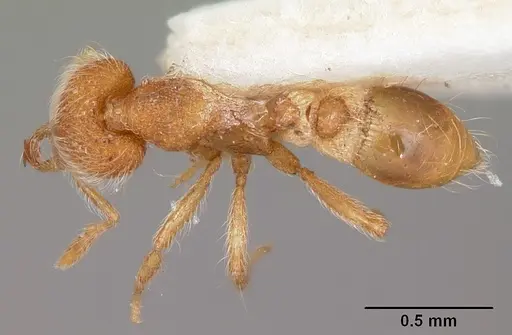
Литература
Загрузка карты распределения...Загрузка товаров...