
Stigmatomma crenatum
- Науч. назв.
- Stigmatomma crenatum
- Триба
- Amblyoponini
- Подсемейство
- Amblyoponinae
- Автор
- Xu, 2001
- Распространение
- Встречается в 0 странах
Введение
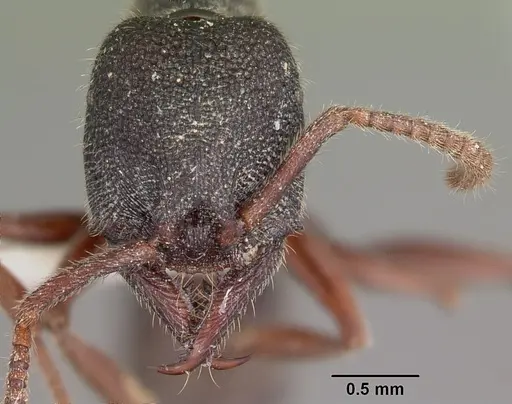
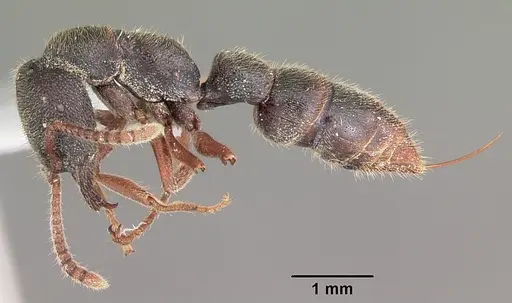
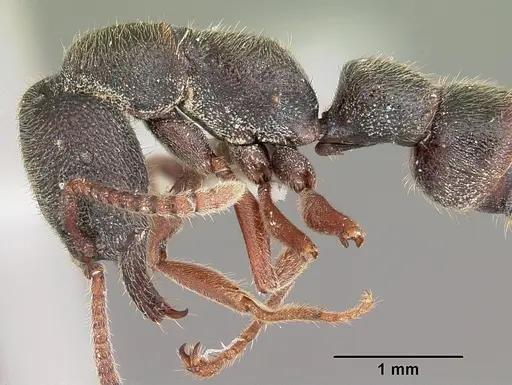
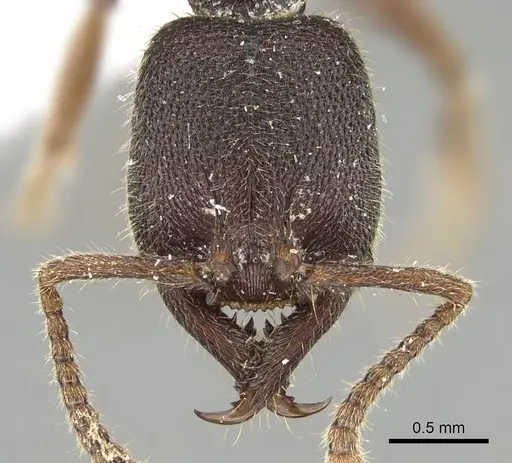
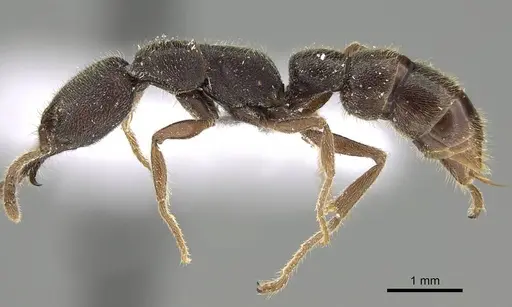
Stigmatomma crenatum is a medium-sized predatory ant belonging to the subfamily Amblyoponinae. Workers measure 6.7-7.4 mm in total length with a distinctive elongated trapezoidal head that is notably longer than broad . The body is black with reddish-brown appendages including the mandibles, clypeus, antennae, and legs. This species has very small eyes with only 18-19 facets, and the anterior clypeal margin bears about 12 small denticles . The mandibles are slender with two rows of teeth - six on the dorsal row and five on the ventral row. Originally described as Amblyopone crenata in 2001,it was later transferred to the genus Stigmatomma in 2012 . This species was long confused with the similar Stigmatomma rothneyi in northern Thailand until specimens were re-examined in 2025 . It is found in southern China (Yunnan, Hainan), northern Thailand, and Vietnam . As a member of Amblyoponinae, this ant is a specialized predator that uses a potent sting to subdue prey. Workers forage individually and are relatively slow-moving. The small eye size suggests adaptation to dark microhabitats on the forest floor. Specific prey preferences are not documented, but related species hunt small arthropods like centipedes.
Quick Summary
- Difficulty: Medium
- Origin & Habitat: Southern China (Yunnan, Hainan), northern Thailand (Chiang Mai Province), and Vietnam. Found in semi-evergreen monsoon forest and mountain rain forest fragments at elevations from 300 to 1000 m [3][4][2].
- Colony Type: Unknown, likely single-queen based on typical Amblyoponinae patterns, but colony structure has not been documented.
- Size & Growth:
- Queen: Undescribed in literature, size data unavailable
- Worker: 6.7-7.4 mm [3][1]
- Colony: Unknown, undocumented in literature, genus patterns suggest several hundred workers but unconfirmed
- Growth: Slow to moderate, likely similar to other Amblyoponinae, but no direct data
- Development: Unknown, specific development time not documented for this species (Estimates from related Amblyoponinae suggest 8-12 weeks at optimal temperature, but this is unconfirmed)
- Antkeeping:
- Temperature: No specific data, based on tropical/subtropical distribution, likely 22-26°C. Provide a gradient and avoid temperatures below 18°C.
- Humidity: High humidity is essential, keep the nest substrate consistently moist but not waterlogged. This reflects the damp forest floor habitat [3].
- Diapause: Unknown, tropical distribution suggests no true diapause, but reduced activity during cooler months may occur.
- Nesting: Natural nests are found in soil and rotting wood within forest habitats [3]. In captivity, use a moist substrate setup, Y-tong (AAC), or plaster nest. Dark, humid chambers are preferred.
- Behavior: Workers are solitary foragers that hunt individually [3]. They possess a sting (Amblyoponinae subfamily) for prey paralysis and defense, but are not aggressive toward humans. They are slow-moving compared to many ant species. Escape risk is moderate due to their medium size, and standard barrier methods suffice.
- Common Issues: specialized predatory diet, live small arthropods are required, sugar sources are not accepted, slow colony growth can be frustrating for keepers expecting fast development, high humidity is critical, too dry kills the colony, too wet causes mold problems, large eyes (only 18-19 facets) indicate preference for dark conditions, bright light may stress the colony, wild-caught colonies may harbor parasites, quarantine and observe before integrating into a formicarium
Housing and Nest Setup
Stigmatomma crenatum prefers dark, humid environments that mimic its forest floor habitat. A naturalistic setup with moist soil substrate works well, use a mix of soil and organic material that holds moisture without becoming waterlogged. Y-tong (AAC) or plaster nests provide good humidity control. The nest chamber should be small and enclosed, as these ants prefer tight, dark spaces. Keep the outworld dimly lit to reduce stress. A water tube connected to the nest helps maintain humidity. Avoid bright lighting in the formicarium area, these ants adapted to low-light conditions may avoid bright areas. [1][2][3]
Feeding and Diet
As a member of Amblyoponinae, Stigmatomma crenatum is a specialized predator. In captivity, offer small live prey such as fruit flies, tiny spiders, booklice, and small crickets. They are unlikely to accept sugar water or honey, unlike many ants, Amblyoponinae do not tend aphids for honeydew. Feed prey items every 2-3 days, adjusting based on colony size and consumption. Remove uneaten prey after 24 hours to prevent mold. The colony should have constant access to water. Young colonies (with just a queen and brood) may be challenging to feed, offer very small prey items the queen can subdue. Workers do not store food in their social stomach, so regular feeding is essential. [3]
Temperature and Seasonal Care
Maintain temperatures between 22-26°C for optimal health and brood development. These are tropical/subtropical ants from southern China and northern Thailand, so they do not tolerate cold well. Room temperature within this range is typically suitable. A heating cable on one side of the nest can create a beneficial temperature gradient, but ensure it does not dry out the substrate. No true diapause is expected given their tropical distribution, but you may observe reduced foraging activity during winter months if room temperatures drop. Avoid temperatures below 18°C for extended periods. High humidity (70-80% relative) is equally important. [2][4][3]
Colony Founding and Growth
The founding process for Stigmatomma crenatum has not been documented. Many Amblyoponinae use semi-claustral founding, where the queen leaves the nest to hunt for food, but this is unconfirmed for this species. Expect the first workers (nanitics) to emerge after about 8-12 weeks under optimal conditions, based on related species, but specific timing is unknown. Initial colony growth will be slow. Be patient and continue offering small live prey. Once the colony reaches about 20-30 workers (estimated from other Amblyoponinae), growth may accelerate somewhat, but data is lacking. [3]
Behavior and Temperament
Workers of Stigmatomma crenatum are solitary foragers, they do not use tandem-running or group recruitment to food sources [3]. Each worker hunts independently, searching for small arthropods in the substrate and on surfaces. They are not aggressive toward humans and pose no danger, they have a sting (Amblyoponinae subfamily) but rarely use it defensively against large animals. The workers are slow-moving compared to many ant species. They are not escape artists, but standard barrier methods should be used. This species is not known to be particularly territorial toward other colonies.
Frequently Asked Questions
How long does it take for Stigmatomma crenatum to produce first workers?
This has not been documented for this species. Based on related Amblyoponinae, a rough estimate is 8-12 weeks from egg to first worker at optimal temperatures, but this is unconfirmed.
What do Stigmatomma crenatum ants eat?
They are specialized predators that require live prey. Offer small arthropods such as fruit flies, tiny spiders, booklice, and small crickets. They are unlikely to accept sugar sources like honey or sugar water.
Can I keep Stigmatomma crenatum in a test tube setup?
A test tube can work for founding colonies, but you must maintain high humidity and provide regular live prey. A naturalistic or Y-tong setup with better humidity control is preferable for established colonies.
Do Stigmatomma crenatum ants sting?
Yes, as members of the subfamily Amblyoponinae, they possess a functional sting used for prey capture and defense. However, they are not aggressive toward humans and the sting is not dangerous.
Are Stigmatomma crenatum good for beginners?
They are considered intermediate in difficulty. The main challenges are their specialized predatory diet (requiring live prey) and their need for high and stable humidity. They are not recommended as a first ant species.
What temperature do Stigmatomma crenatum need?
No specific data is available, but based on their tropical/subtropical distribution, a range of 22-26°C is recommended. Avoid temperatures below 18°C for extended periods.
Do Stigmatomma crenatum need hibernation?
Hibernation needs are unknown. Their tropical distribution suggests no true diapause, but they may show reduced activity during cooler months if room temperatures drop.
How big do Stigmatomma crenatum colonies get?
Colony size is not documented. Based on genus patterns, they likely reach several hundred workers, but this is an estimate. Growth is relatively slow.
Why is my Stigmatomma crenatum colony dying?
Common causes include: low humidity (keep substrate consistently moist), improper food (they need live prey, not sugar), temperatures too cold (below 18°C), or stress from excessive light. Check these parameters first.
Can I keep multiple Stigmatomma crenatum queens together?
This has not been documented. Based on typical Amblyoponinae behavior, single-queen colonies are likely, so combining queens is not recommended.
Report an Issue
The current care sheet is based fully on literature. See inconsistencies, or something that's incorrect? Please , it will be resolved after review from an admin. Contributing to the blogs tab also helps providing information, to make us be able to further improve the caresheets. Thank you for your support!
References

Эта инструкция по уходу лицензирована по CC BY-SA 4.0 .
Блоги сообщества
ANTWEB1060488
Посмотреть на AntWeb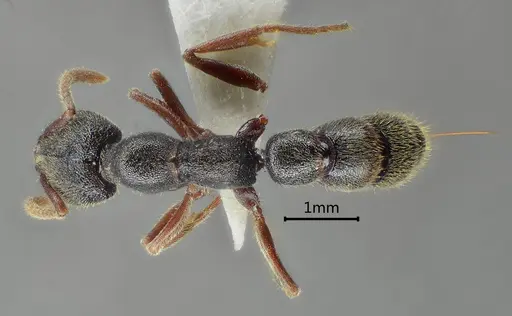
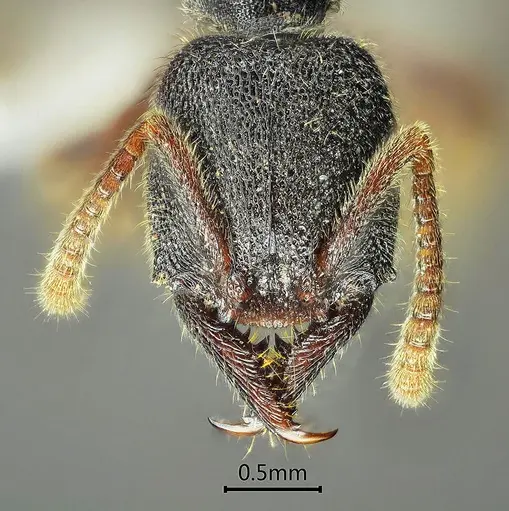
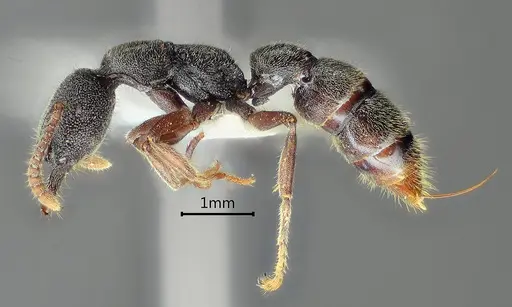
CASENT0104983
Посмотреть на AntWeb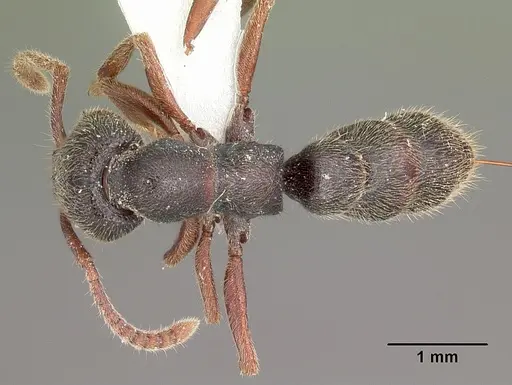
CASENT0922070
Посмотреть на AntWeb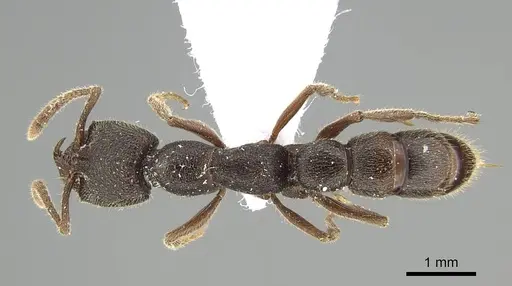
Литература
Загрузка карты распределения...Загрузка товаров...