
Stictoponera paso
- Науч. назв.
- Stictoponera paso
- Триба
- Ectatommini
- Подсемейство
- Ectatomminae
- Автор
- Lattke, 2004
- Распространение
- Встречается в 0 странах
Введение
Stictoponera paso is a small ectatommine ant found across tropical Asia. Workers have head widths of about 0.9-1.4 mm , but overall body length is unknown. They belong to the subfamily Ectatomminae, which means they have a functional stinger. These ants are predators, hunting small invertebrates on the forest floor. Their natural habitat is humid, shaded forest environments where they nest in soil, rotting wood, or under stones. Colony size is unknown, but like many ectatommines, they likely stay modest.
Quick Summary
- Difficulty: Medium
- Origin & Habitat: Tropical Asia, forest floor in humid, shaded areas [1]
- Colony Type: Unconfirmed, likely monogyne based on general ectatommine patterns, but no direct evidence
- Size & Growth:
- Queen: unknown (no data available)
- Worker: unknown (head width 0.9-1.4 mm [1], but body length not reported)
- Colony: unknown (no data, likely modest based on related species)
- Growth: unknown (estimated moderate based on related ectatommine species)
- Development: unknown (estimated 6-10 weeks at tropical temperatures, based on similar species) (All development data is inferred from related ectatommine ants, not directly studied for this species)
- Antkeeping:
- Temperature: Keep at 24-28 °C, based on tropical habitat. Avoid drops below 20 °C.
- Humidity: High humidity, keep nest substrate consistently moist but not waterlogged. Aim for near 80 % relative humidity, derived from forest floor habitat.
- Diapause: Unlikely, tropical species, so no hibernation needed.
- Nesting: Prefers humid setups: Y‑tong (AAC), plaster, or naturalistic soil nests. Avoid dry nests.
- Behavior: Predatory and active foragers. They have a functional sting and can deliver a painful one if handled roughly. Because workers are small (head width ~1 mm), escape risk is high, seal all gaps. Handle with care and avoid direct contact.
- Common Issues: high humidity is critical, dry conditions quickly kill the colony, predatory diet means they need regular live small prey (e.g., fruit flies, pinhead crickets), small size makes escape easy, seal all potential exits, wild-caught colonies may carry parasites, slow colony growth (if growth is slow) can frustrate keepers
Housing and Nest Setup
Because we know almost nothing about Stictoponera paso nesting in the wild, the advice here is based on general ectatommine ecology. Keep the nest humid: Y‑tong (AAC), plaster, or naturalistic soil nests work well. Avoid acrylic nests as they don't hold moisture. The nest should have small chambers, these are tiny ants. A small outworld with high humidity (e.g., by using a water source) helps. A test tube setup can work for a founding colony, but for larger groups use a nest that retains moisture. Provide a moisture gradient so workers can choose their preferred humidity.
Feeding and Diet
Stictoponera paso is a predator. Offer small live invertebrates such as fruit flies, pinhead crickets, and small mealworms. They likely need live prey, dead or processed food may not trigger hunting. Some ectatommines also take sweet liquids occasionally, but don't rely on sugar water alone. Feed every 2-3 days and remove leftovers to prevent mold. Always provide a water source (e.g., a test tube with cotton).
Temperature Requirements
As a tropical species, Stictoponera paso needs warmth. Keep the nest at 24-28 °C. Below 20 °C may slow or stop brood development. Use a small heating cable on one side to create a gradient, letting ants thermoregulate. Avoid temperatures above 30 °C for long periods. Room temperature (22-24 °C) might be acceptable if the colony is less active.
Handling and Safety
Stictoponera paso can sting. The sting is painful (typical of ectatommine ants), but not medically dangerous unless you are allergic. Never handle them with bare hands, use gentle coaxing during maintenance. Workers will defend the nest if disturbed, but generally prefer to retreat. Small escape gaps must be sealed because of their tiny size.
Colony Development
No direct data exists for this species. If you try to raise a colony, be patient. Based on other ectatommines, founding is probably claustral or semi‑claustral, but we simply don't know. The first workers (if any) might emerge after 6-10 weeks at 24-28 °C. Expect very slow growth for the first year. Do not buy or collect this ant expecting a fast‑growing show colony.
Frequently Asked Questions
How long does it take for Stictoponera paso to produce first workers?
There is no published data. Based on other small ectatommines, you might see first workers after 6-10 weeks at 24-28 °C, but this is pure guesswork.
Do Stictoponera paso ants sting?
Yes, they can sting. As ectatommine ants, they have a functional stinger and will use it if threatened. Handle with care.
What do Stictoponera paso eat?
They are predators. Offer small live insects like fruit flies, pinhead crickets, and small mealworms. They might also take sugar water occasionally, but live prey is essential.
Can I keep Stictoponera paso in a test tube setup?
A test tube can work for a small founding colony, as long as you keep it humid. For larger colonies, switch to a Y‑tong or plaster nest that holds moisture better.
Are Stictoponera paso good for beginners?
Probably not. Their humidity requirements and need for live prey make them tricky. Only try if you have experience with other high‑humidity, predator species.
How big do Stictoponera paso colonies get?
Unknown. No wild colony sizes have been reported. Based on related ectatommines, perhaps up to a few hundred workers, but this is speculation.
Do Stictoponera paso need hibernation?
No, they come from the tropics and probably do not require a diapause. Keep them warm year‑round.
Why is my Stictoponera paso colony dying?
Most likely causes: low humidity, lack of live prey, or wrong temperature. Check that the nest is moist, provide fresh small insects, and keep the temperature at 24-28 °C.
Can I keep multiple queens together in Stictoponera paso?
Probably not. Most ectatommine ants are monogyne, but since we have no data, it's risky to try. Keep one queen per colony.
What temperature is best for Stictoponera paso?
Aim for 24-28 °C. They are tropical and need warmth. A slight gradient is ideal so they can choose cooler or warmer spots.
Report an Issue
The current care sheet is based fully on literature. See inconsistencies, or something that's incorrect? Please , it will be resolved after review from an admin. Contributing to the blogs tab also helps providing information, to make us be able to further improve the caresheets. Thank you for your support!
References

Эта инструкция по уходу лицензирована по CC BY-SA 4.0 .
Блоги сообщества
CASENT0900565
Посмотреть на AntWeb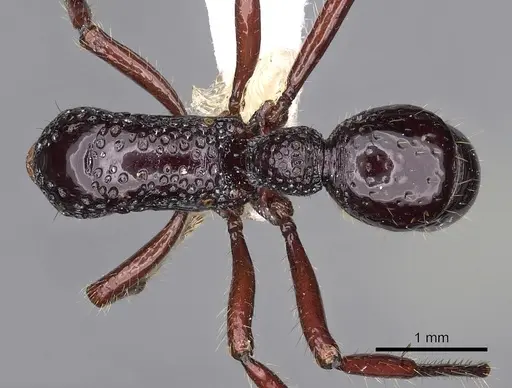
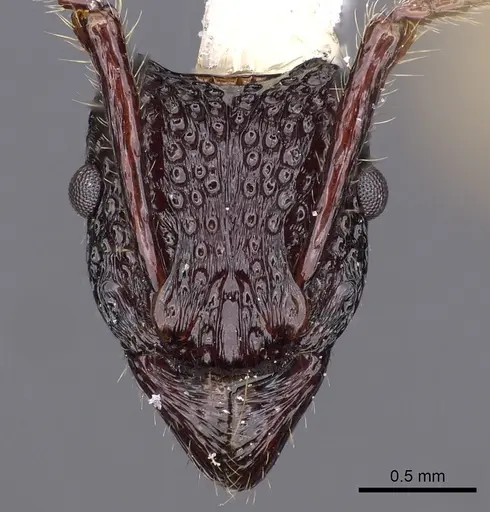
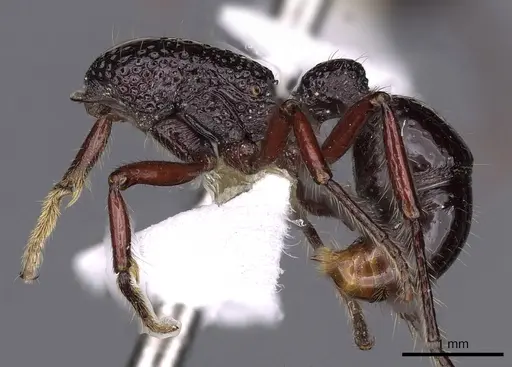
Литература
Загрузка карты распределения...Загрузка товаров...