
Pseudomyrmex capillatus
- Науч. назв.
- Pseudomyrmex capillatus
- Триба
- Pseudomyrmecini
- Подсемейство
- Pseudomyrmecinae
- Автор
- Ward & Branstetter, 2022
- Распространение
- Встречается в 1 странах
Введение
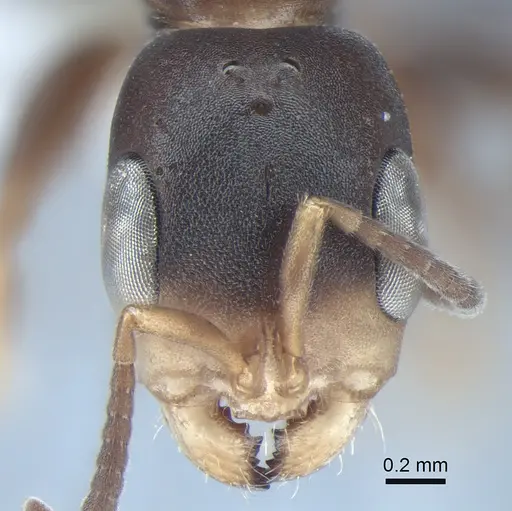
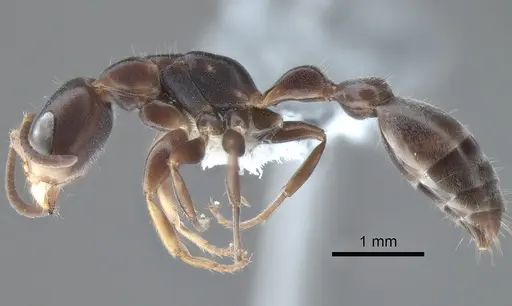
Pseudomyrmex capillatus is a small ant known only from tropical dry forest in western Mexico (Jalisco and Colima) at elevations between 100-365 m . Their body is dark brown, but the antennae, mandibles, front of the head, and front legs are a contrasting light yellowish-brown . A standout feature is the dense covering of standing hairs on the entire upper part of the body (mesosoma), while related species typically have only a few hairs on the pronotum . The head is heavily sculptured and opaque, and the upper part of the propodeum is raised above the level of the mesonotum . These ants nest in dead twigs of vines and forage on low vegetation . The species was formally described in 2022 and is still very poorly known from a keeper's perspective.
Quick Summary
- Difficulty: Unknown, limited data available
- Origin & Habitat: Western Mexico (Jalisco and Colima) in tropical dry forest at 100-365 m elevation. Nests in dead twigs of vines [1].
- Colony Type: Not documented. Two nest series found just 1 m apart may belong to a single colony, hinting at polydomous (multi-nest) habits, but queen number is unknown [1].
- Size & Growth:
- Queen: Size data unavailable, queens have not been collected or measured.
- Worker: Total length not recorded. Head width is about 1 mm (0.99-1.07 mm), so body length is likely in the range of 3-5 mm based on related Pseudomyrmex species [1].
- Colony: Unknown, no colony counts have been published.
- Growth: Unknown, development has not been studied.
- Development: Unknown, no direct data. Estimating from related tropical Pseudomyrmex species, roughly 4-8 weeks at 24-28 °C. (Unconfirmed estimate based on genus-level patterns. Actual times may differ.)
- Antkeeping:
- Temperature: Based on its tropical dry forest habitat, keep warm at 24-28 °C. A gentle gradient will let the colony self-regulate [1].
- Humidity: Moderate, aim for substrate that is slightly moist but not waterlogged. Allow some drying between waterings to mimic dry forest conditions [1].
- Diapause: Unknown, the tropical origin suggests no true diapause, but a slight cool period may be observed naturally. Monitor activity through the year.
- Nesting: In nature, nests in dead twigs of vines. In captivity, provide small chambers, Y-tong (AAC) blocks, plaster nests, or test tubes work well. Avoid large open spaces, these ants prefer tight, narrow cavities.
- Behavior: Workers forage on low vegetation and will defend the nest with their sting (typical of Pseudomyrmecinae). No direct observations of aggression in captivity, but presumed moderately defensive. They are agile climbers, so escape prevention must be tight despite their small size.
- Common Issues: very limited published data means most care parameters are guesses, start with conservative conditions and observe., colony size, growth rate, and founding method are unknown, making it hard to track expectations., no information on queen requirements, founding behavior has never been observed., small size (head ~1 mm) means they can squeeze through tiny gaps, use very fine mesh or tight seals in the outworld., hibernation needs are unstudied, watch for seasonal slowdowns but do not force a cold period until more is known.
Natural History and Distribution
Pseudomyrmex capillatus is known only from western Mexico (Jalisco and Colima) at the Estación Biología Chamela and one site in Colima, at elevations of 100 and 365 m [1]. It inhabits tropical dry forest and nests in dead twigs of vines. Two nest series collected just 1 m apart may belong to a single colony, which would mean they form polydomous (multi-nest) colonies [1]. Workers forage on low vegetation [1]. The species was formally described in 2022 and is phylogenetically ‘nested’ within the more widespread Pseudomyrmex arcanus, meaning P. arcanus is in the process of becoming a separate species from P. capillatus, but the split is not yet complete [1].
Identification and Morphology
This species stands out in the Pseudomyrmex elongatulus group because its entire upper body (mesosoma) is covered with standing hairs, other species in the group usually only have 1-3 pairs on the pronotum [1]. The head is densely sculpted and opaque. The propodeum has a flat, raised dorsal face that sits higher than the mesonotum. Coloration is distinctive: the body is mostly dark brown, but the antennae, mandibles, front quarter of the head, and the front legs (tibia and tarsus) are a contrasting pale yellowish‑brown [1]. Worker head width is about 1 mm, total body length has not been recorded.
Housing and Nesting
In the wild, P. capillatus nests in dead twigs of vines in tropical dry forest [1]. For captive care, offer a small nest with tight, narrow chambers, Y-tong (AAC) blocks, plaster nests, or test tubes with a water reservoir work well. Avoid large open spaces. Because workers are tiny (head width ~1 mm), they can squeeze through very small gaps, use fine stainless steel mesh or airtight seals on connections. A naturalistic setup with small vine twigs can be attempted but will be harder to manage. Provide a nest with both a moist area and a drier area to match the dry forest microclimate.
Feeding and Diet
No specific diet information exists for this species. Based on general Pseudomyrmex biology, they are likely generalist foragers. Offer sugar water or honey for carbohydrates and small insects (fruit flies, small mealworms, termites) for protein. Fresh water should always be available. Observe acceptance and adjust. They are small, food items must be sized accordingly.
Temperature and Environmental Conditions
The tropical dry forest habitat (100-365 m elevation, western Mexico) suggests warm temperatures. Aim for 24-28 °C, with a slight gradient so the ants can choose their spot [1]. Humidity should be moderate, substrate slightly moist but allowed to dry partly between waterings. No data on diapause exists, but given the tropical origin, a true cold hibernation is likely unnecessary. You may see slower activity during cooler months, simply reduce feeding and avoid disturbing the nest.
Frequently Asked Questions
How long does it take for Pseudomyrmex capillatus to develop from egg to worker?
This has not been studied. Based on related tropical Pseudomyrmex species, a rough estimate is 4-8 weeks at 24-28 °C. Actual times may vary.
What do Pseudomyrmex capillatus ants eat?
Not documented. Offer a mix of sugar water or honey (carbohydrates) and small insects like fruit flies or tiny mealworms (protein). Always provide fresh water.
Do Pseudomyrmex capillatus ants sting?
As a member of the subfamily Pseudomyrmecinae, this species has a well‑developed sting used for defense. No specific reports exist for this species, but treat it with standard caution, the sting is not considered medically significant.
What temperature do Pseudomyrmex capillatus ants need?
Based on their native tropical dry forest, keep them at 24-28 °C. Provide a temperature gradient so the colony can regulate.
How big do Pseudomyrmex capillatus colonies get?
No colony size data exists. Maximum size is unknown.
Is Pseudomyrmex capillatus a good species for beginners?
Probably not for complete beginners, because almost all care parameters are unstudied. Intermediate keepers who are comfortable adjusting conditions based on observation may succeed if they can obtain a young colony.
Do Pseudomyrmex capillatus ants need hibernation?
Unknown, but because they come from a tropical region without cold winters, true diapause is unlikely. You may see reduced activity in cooler months, simply reduce feeding and avoid disturbing the nest.
What type of nest should I use for Pseudomyrmex capillatus?
In nature they nest in dead twigs of vines. In captivity, small Y‑tong (AAC) blocks, plaster nests, or test tube setups with narrow chambers work well. The nest should be very small and have tight seals to prevent escape.
Can I keep multiple Pseudomyrmex capillatus queens together?
Colony structure (monogyne vs polygyne) has not been studied. Until more is known, do not attempt to combine unrelated queens.
Where is Pseudomyrmex capillatus found in the wild?
Only in western Mexico, specifically Jalisco and Colima states, in tropical dry forest at 100-365 m elevation. They nest in dead twigs of vines.
Report an Issue
The current care sheet is based fully on literature. See inconsistencies, or something that's incorrect? Please , it will be resolved after review from an admin. Contributing to the blogs tab also helps providing information, to make us be able to further improve the caresheets. Thank you for your support!
References

Эта инструкция по уходу лицензирована по CC BY-SA 4.0 .
Блоги сообщества
CASENT0863535
Посмотреть на AntWeb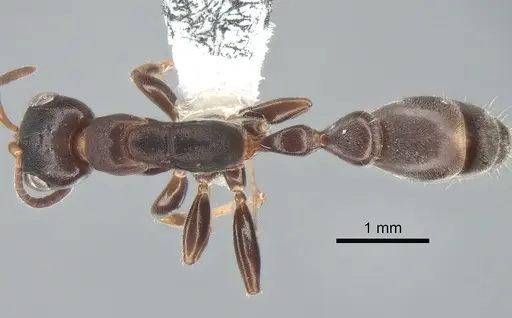
Литература
Загрузка карты распределения...Загрузка товаров...