
Poneracantha cuneiforma
- Науч. назв.
- Poneracantha cuneiforma
- Триба
- Ectatommini
- Подсемейство
- Ectatomminae
- Автор
- Lattke, 1995
- Распространение
- Встречается в 0 странах
Введение
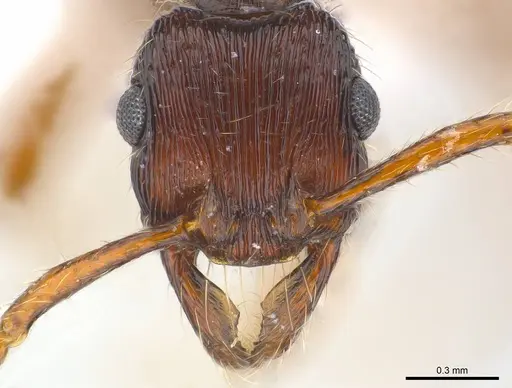
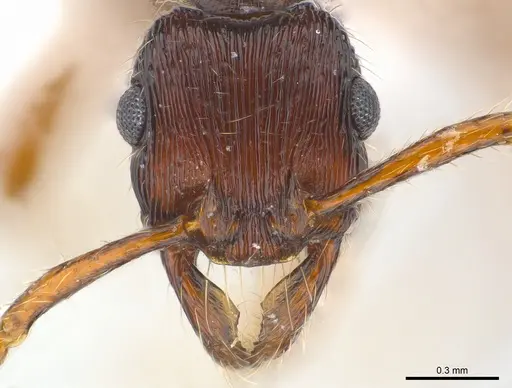
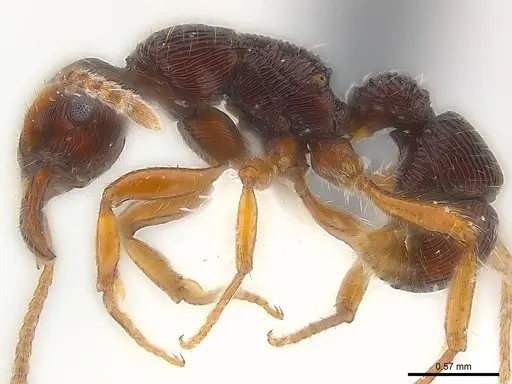
Poneracantha cuneiforma is a predatory ant native to Panama and Costa Rica . It belongs to the rastrata complex within the Ectatomminae subfamily and is identified by prominent protruding eyes, transverse costulae on the propodeum, and scapes that extend past the vertexal margin . Size data is unavailable for this species. The species was originally described as Gnamptogenys cuneiforma in 1995 and transferred to Poneracantha in 2022. Nothing is known about its specific biology in the wild .
Quick Summary
- Difficulty: Expert
- Origin & Habitat: Panama and Costa Rica in lowland tropical forests [1][2]
- Colony Type: Unknown colony structure.
- Size & Growth:
- Queen: Size data unavailable
- Worker: Size data unavailable
- Colony: Unknown
- Growth: Unknown
- Development: Unknown, no specific data available (Development timeline is unconfirmed.)
- Antkeeping:
- Behavior: Poneracantha cuneiforma is a predatory ant that forages individually. Workers are moderately aggressive toward prey and will defend the nest if threatened. Escape prevention should be moderate due to their activity level.
- Common Issues: failure to maintain humidity can lead to colony death, inadequate diet of live prey can cause brood failure, growth rate is unknown, requiring patience and careful observation, temperature drops can stress this tropical species
Species Identification and Distinction
Poneracantha cuneiforma can be distinguished from similar species in the rastrata complex by several key features. The scapes extend past the vertexal margin of the head, which separates it from Poneracantha rastrata. The propodeum has transverse costulae rather than longitudinal ridges. Additionally, P. cuneiforma has a well-defined metapleura separated from the propodeum by an impressed line [1]. Workers have a ferruginous to dark brown coloration.
Nest Preferences and Housing
In the wild, Poneracantha species typically nest in rotting wood, in soil, or under stones in forest habitats. For captive care, provide a naturalistic setup with moist substrate, such as a mix of soil and coco fiber. The nest should have multiple chambers scaled to the colony size. Y-tong nests or plaster nests can work, provided humidity is maintained [2].
Feeding and Diet
As a predatory ant in the Ectatomminae subfamily, Poneracantha cuneiforma requires a protein-rich diet of live prey. Offer small live insects such as fruit flies or pinhead crickets. Feed 2-3 times per week, adjusting based on colony consumption. Remove uneaten prey after 24-48 hours to prevent mold.
Temperature and Seasonal Care
This species originates from tropical Panama where temperatures are consistently warm. Maintain temperatures between 24-28°C for optimal colony health. Use a heating cable if room temperature falls below this range. No diapause is required for this tropical species.
Behavior and Colony Dynamics
Poneracantha cuneiforma is an active predatory ant that forages individually. Workers are moderately aggressive toward prey and will defend the nest if threatened. Colony growth is likely slow, and observation is key due to lack of specific data.
Frequently Asked Questions
How long does it take for Poneracantha cuneiforma to produce first workers?
The exact development timeline is unknown for this species. No specific data is available.
What do Poneracantha cuneiforma ants eat?
They are predatory ants that require live prey, such as small insects like fruit flies or pinhead crickets.
What temperature do Poneracantha cuneiforma ants need?
Keep them at roughly 24-28°C, based on their tropical habitat.
Do Poneracantha cuneiforma ants need hibernation?
No, hibernation is not required as this is a tropical species.
How big do Poneracantha cuneiforma colonies get?
The maximum colony size is unknown.
Are Poneracantha cuneiforma ants good for beginners?
No, this species is not recommended for beginners due to lack of specific care data and predatory nature.
Do Poneracantha cuneiforma ants sting?
Like other Ectatomminae ants, they have a functional sting for defense, but specific pain level is undocumented.
What humidity level do Poneracantha cuneiforma ants need?
Keep the nest substrate consistently moist but not waterlogged, based on their tropical forest habitat.
Can I keep multiple Poneracantha cuneiforma queens together?
The colony structure is unknown, single-queen colonies are likely based on related species.
When should I move Poneracantha cuneiforma to a formicarium?
Wait until the colony has several workers and is actively foraging, but specific timing is unknown.
Report an Issue
The current care sheet is based fully on literature. See inconsistencies, or something that's incorrect? Please , it will be resolved after review from an admin. Contributing to the blogs tab also helps providing information, to make us be able to further improve the caresheets. Thank you for your support!
References

Эта инструкция по уходу лицензирована по CC BY-SA 4.0 .
Блоги сообщества
CASENT0179972
Посмотреть на AntWeb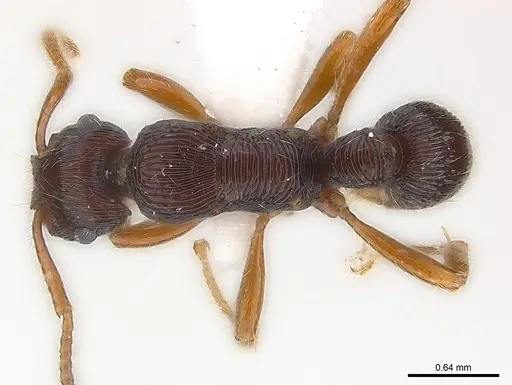
Литература
Загрузка карты распределения...Загрузка товаров...