
Polyrhachis zopyra
- Науч. назв.
- Polyrhachis zopyra
- Подрод
- Myrma
- Триба
- Camponotini
- Подсемейство
- Formicinae
- Автор
- Smith, 1861
- Распространение
- Встречается в 1 странах
Введение
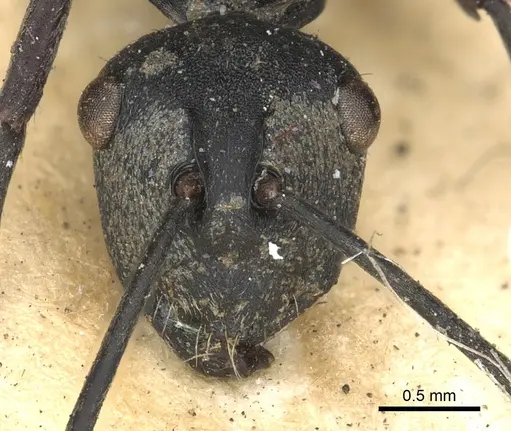
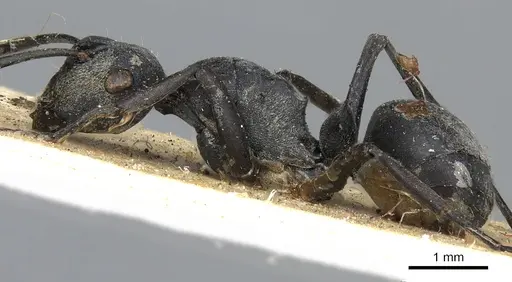
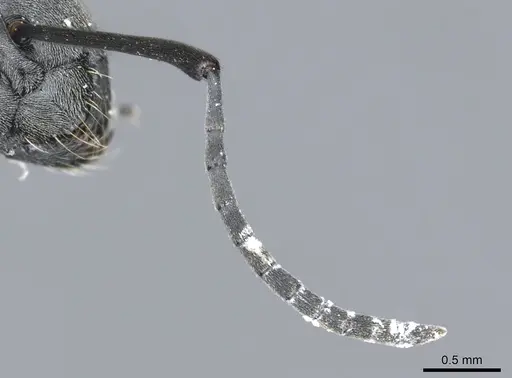
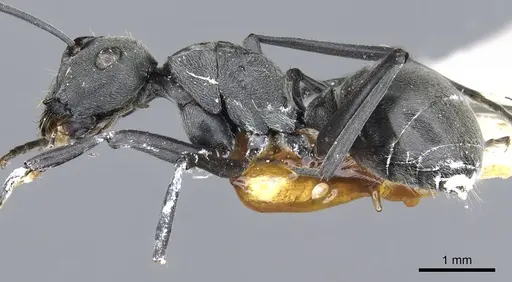
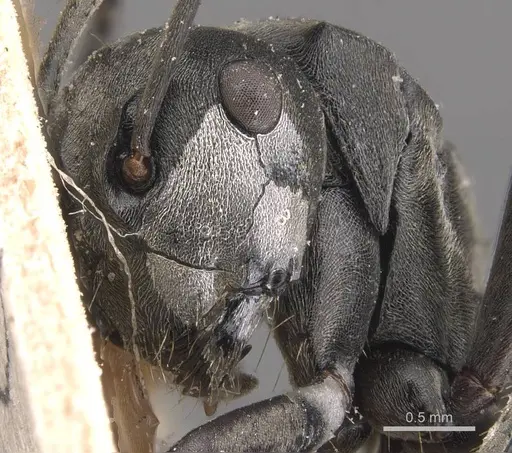
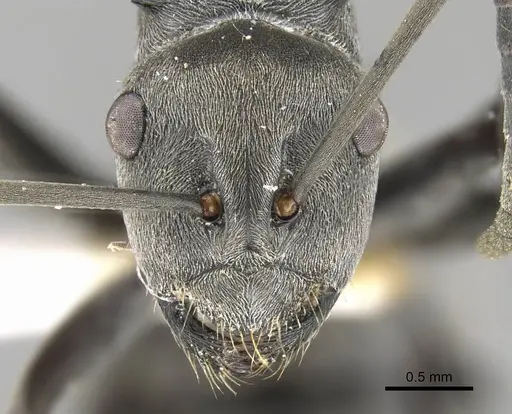
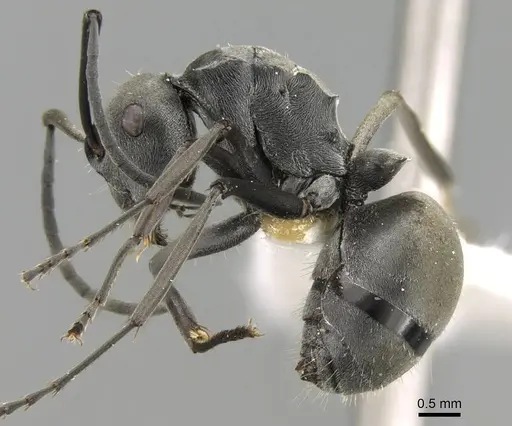
Polyrhachis zopyra is a medium-sized arboreal ant in the subgenus Myrma, part of the zopyra species-group . Workers have distinctive spines and sculpturing typical of this group. This species is endemic to Sulawesi, Indonesia, and has also been recorded in the Philippines, including Mindanao Island . Like other Polyrhachis ants, they build arboreal nests using silk to bind materials, and their pupae are enclosed in protective cocoons .
Quick Summary
- Difficulty: Medium
- Origin & Habitat: Sulawesi, Indonesia and Philippines, tropical forest environments where they nest arboreally in trees [2][3]
- Colony Type: Based on Myrma subgenus patterns, likely monogyne (single queen), but colony structure has not been directly documented for this species
- Size & Growth:
- Queen: Size data unavailable, no total length measurements in research context
- Worker: Size data unavailable, no total length measurements in research context
- Colony: Unknown for this species
- Growth: Moderate, inferred from tropical arboreal ant patterns
- Development: Estimated 6-8 weeks at tropical temperatures, inferred from related Polyrhachis species (Development time is inferred, direct measurements unavailable for this species)
- Antkeeping:
- Temperature: Keep at 24-28°C, inferred from tropical habitat
- Humidity: Keep nest area consistently moist but not waterlogged, arboreal species require humid conditions
- Diapause: No, tropical species do not require hibernation
- Nesting: Arboreal nesters, provide elevated options like cork bark or bamboo with silk-friendly materials [4]
- Behavior: Polyrhachis ants are generally non-aggressive and docile. They are arboreal and spend time in elevated nest sites. Workers forage for honeydew and small insects. Escape prevention is moderate due to their climbing ability.
- Common Issues: high humidity requirements can lead to mold if ventilation is poor, arboreal nesting means they may not accept ground-level setups, limited availability in hobby makes founding colonies challenging, warm temperature needs year-round may increase equipment costs, silk-nesting behavior requires specific setup considerations
Housing and Nest Setup
Polyrhachis zopyra requires arboreal-style housing since they naturally nest in trees. Provide elevated nesting options like cork bark or bamboo sections. The key is offering materials they can bind with silk. Outworld should include climbing structures like branches. Escape prevention is important but not critical for this size, use standard barriers like fluon on edges [4].
Feeding and Diet
This species is omnivorous. Offer sugar water or honey water constantly for energy. Provide protein sources like small insects 2-3 times per week, removing uneaten prey within 24 hours. Fresh fruit can be accepted occasionally. Place feeding stations near the nest since they are arboreal.
Temperature and Humidity
Maintain temperatures between 24-28°C using heating if needed. Create a temperature gradient by placing heat on one side. High humidity is essential, mist the enclosure regularly but ensure good ventilation to prevent mold. Since they are arboreal, focus humidity on the nest area.
Unique Silk-Nesting Behavior
Workers use silk from larvae to bind leaves or materials for nests. In captivity, provide small leaf pieces or cotton fibers for them to work with. Pupae are enclosed in cocoons, unlike some Formicinae [4][5].
Colony Development and Growth
Colony growth is moderate. Founding behavior is unconfirmed, but queens may seal themselves in a chamber. Development from egg to first worker is estimated at 6-8 weeks at optimal temperatures. Mature colonies may reach several hundred workers over time.
Frequently Asked Questions
Can I keep Polyrhachis zopyra in a test tube setup?
Standard test tube setups are not ideal. They prefer elevated nesting with silk materials. Cork bark or vertically-oriented nests work better [4].
How long does it take for Polyrhachis zopyra to produce first workers?
Estimated 6-8 weeks from egg to first worker at 24-28°C, inferred from related species.
What temperature do Polyrhachis zopyra need?
Keep them at 24-28°C year-round, inferred from their tropical habitat.
Are Polyrhachis zopyra good for beginners?
This species is rated medium difficulty due to arboreal nesting and humidity needs. Beginners may find it challenging.
Do Polyrhachis zopyra need hibernation?
No, as a tropical species, they do not require hibernation.
What do Polyrhachis zopyra eat?
They are omnivorous. Offer sugar water constantly and protein like small insects 2-3 times per week.
How big do Polyrhachis zopyra colonies get?
Colony size is unknown for this species.
Can I keep multiple queens together?
Combining unrelated queens is not recommended due to aggression. This species likely forms single-queen colonies, so house foundresses separately.
Why is my Polyrhachis zopyra colony declining?
Common causes include temperatures below 24°C, low humidity, poor ventilation leading to mold, or inadequate protein. Review setup conditions.
Report an Issue
The current care sheet is based fully on literature. See inconsistencies, or something that's incorrect? Please , it will be resolved after review from an admin. Contributing to the blogs tab also helps providing information, to make us be able to further improve the caresheets. Thank you for your support!
References

Эта инструкция по уходу лицензирована по CC BY-SA 4.0 .
Блоги сообщества
CASENT0248773
Посмотреть на AntWeb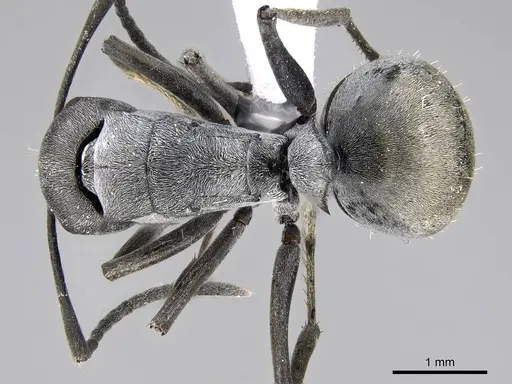
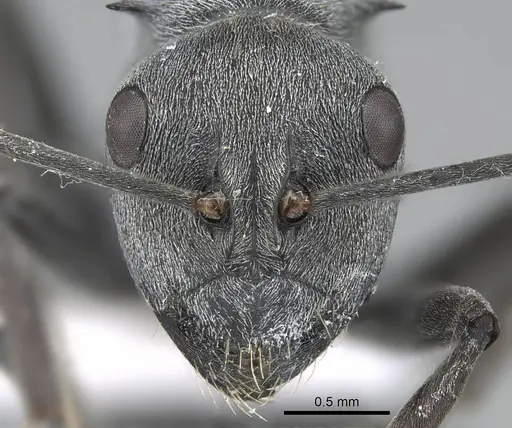
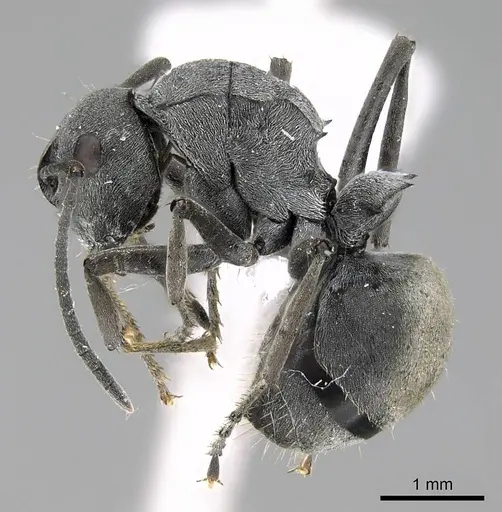
CASENT0901875
Посмотреть на AntWeb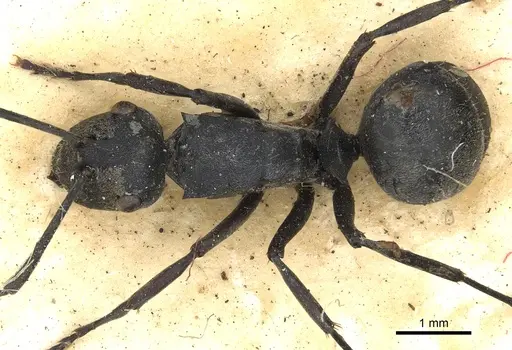
CASENT0903432
Посмотреть на AntWeb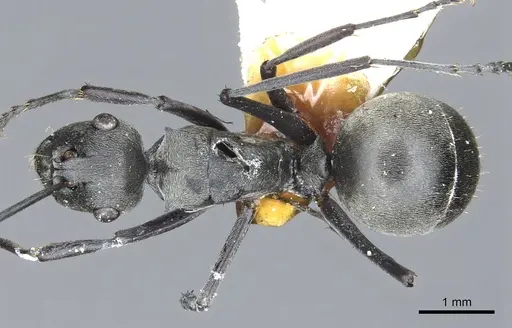
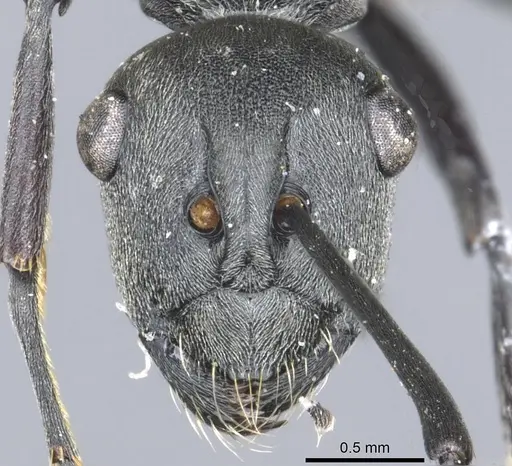
CASENT0905572
Посмотреть на AntWeb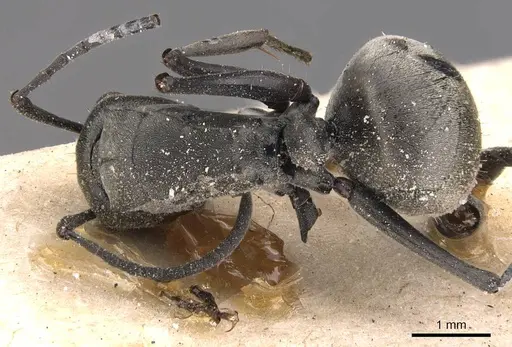
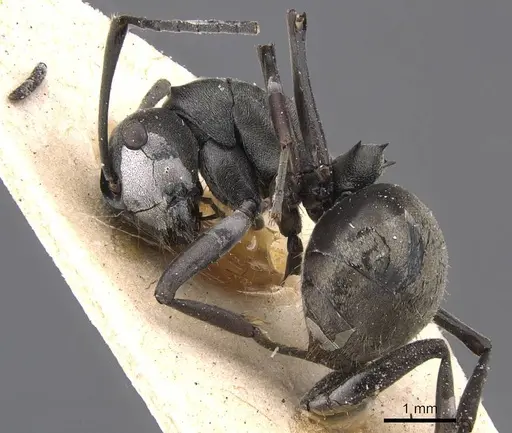
CASENT0905813
Посмотреть на AntWeb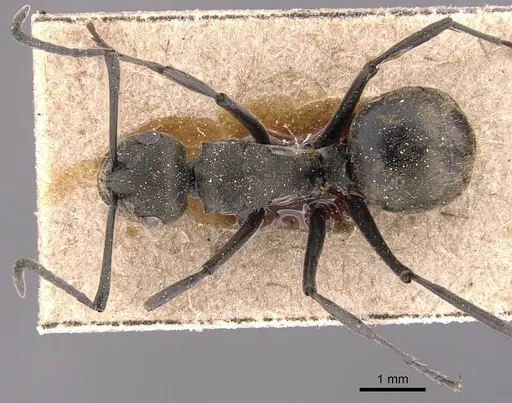
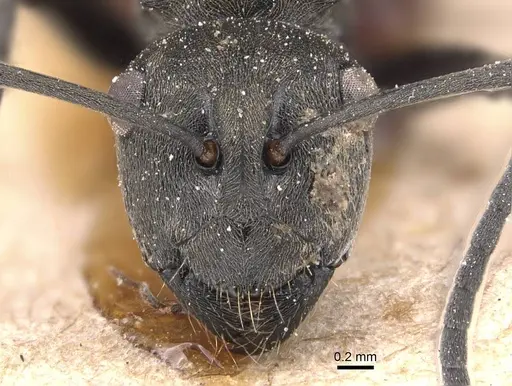
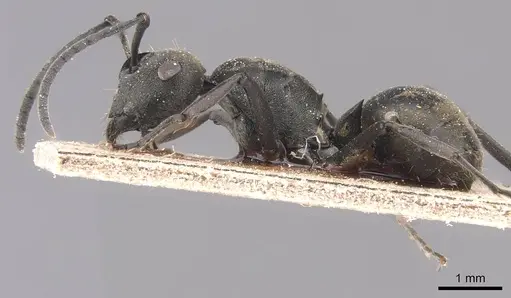
CASENT0906798
Посмотреть на AntWeb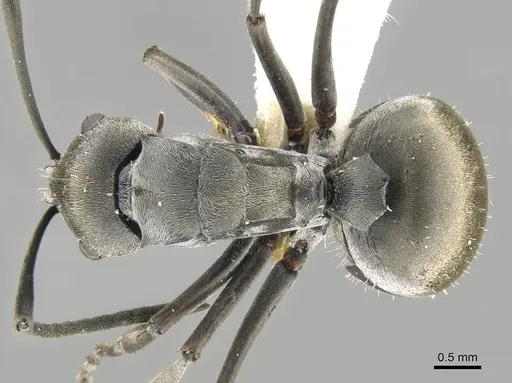
Литература
Загрузка карты распределения...Загрузка товаров...