
Polyrhachis tricuspis
- Науч. назв.
- Polyrhachis tricuspis
- Подрод
- Myrmothrinax
- Триба
- Camponotini
- Подсемейство
- Formicinae
- Автор
- André, 1887
- Распространение
- Встречается в 0 странах
Введение
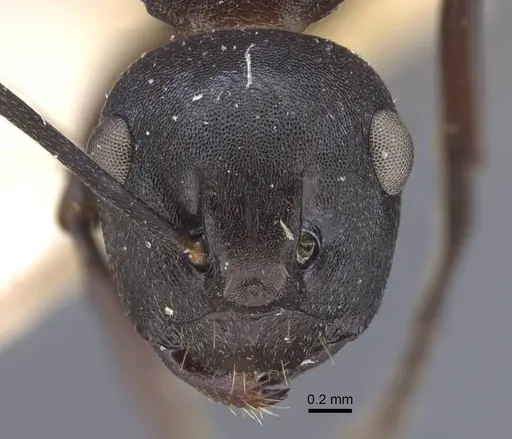
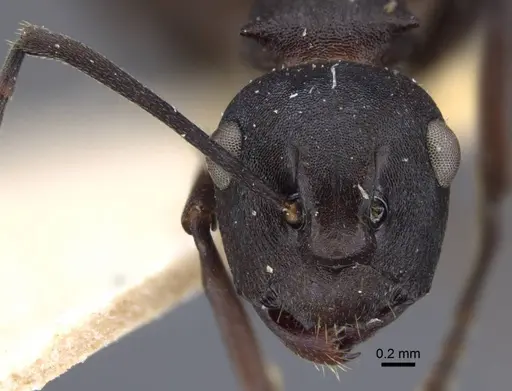
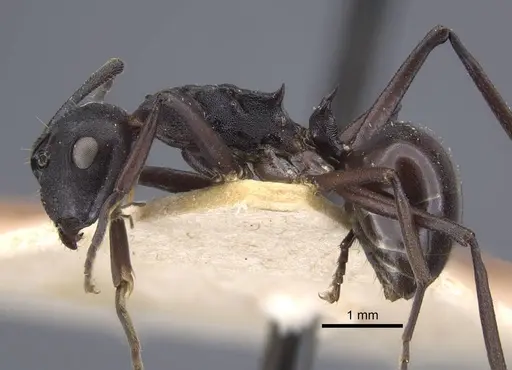
Polyrhachis tricuspis is a tropical ant species from the Moluccas Islands in Indonesia, specifically documented from Ambon Island and Ternate Island. These ants belong to the subgenus Myrmothrinax and have a reddish-brown body with short humeral teeth on the mesosoma . Queens were described in 1887,and the species is a senior synonym of Polyrhachis ternatae. In nature, they inhabit undisturbed forests and construct lignicolous nests in wood using silk .
Quick Summary
- Difficulty: Medium
- Origin & Habitat: Native to the Moluccas Islands in Indonesia, specifically Ambon Island and Ternate Island, inhabiting undisturbed tropical forests [2][1].
- Colony Type: Colony structure is unconfirmed. Based on typical Polyrhachis genus patterns, they likely establish single-queen colonies, but this is not documented for this species.
- Size & Growth:
- Queen: Size data unavailable, inferred from Polyrhachis genus (~8-10 mm)
- Worker: Size data unavailable, inferred from Polyrhachis genus (~5-7 mm)
- Colony: Unknown, no colony size data available for this species
- Growth: Moderate, based on typical tropical Polyrhachis development patterns
- Development: Estimated 6-8 weeks at optimal tropical temperatures, based on genus-level patterns (Development time is inferred from typical Polyrhachis patterns, specific data for this species is unavailable)
- Antkeeping:
- Temperature: Keep warm, roughly 24-28°C, based on tropical habitat inference [2]. Maintain stable temperatures year-round.
- Humidity: Keep the nest substrate consistently moist but not waterlogged, based on lignicolous nesting habits [1]. Provide a humidity gradient with a small moist area.
- Diapause: No, being a tropical species from Indonesia, they do not require hibernation. Keep them at stable warm temperatures year-round.
- Nesting: Lignicolous (wood-nesting) species. They prefer nests in wood or wood-like materials, such as Y-tong (AAC) or plaster nests with wood inserts, and use silk to reinforce nests [1].
- Behavior: Polyrhachis ants have a moderate temperament and are less aggressive than some other genera. They lack a functional sting but can spray formic acid from an acidopore as a defense mechanism. Workers are arboreal and climb well, so escape prevention should be moderate, they can climb smooth surfaces.
- Common Issues: tropical species requires year-round warmth, cold temperatures can slow or stop brood development., lignicolous nesting means they need appropriate nest materials, standard test tubes may not be ideal., high humidity needs can lead to mold if ventilation is poor., limited availability in the antkeeping hobby, this species is rarely kept., lack of species-specific care information means keepers must rely on genus-level guidance.
Natural History and Distribution
Polyrhachis tricuspis is endemic to the Moluccas Islands in eastern Indonesia, recorded in undisturbed forest habitats [2]. The species belongs to the subgenus Myrmothrinax, characterized by lignicolous nesting and use of silk in nest construction [1]. Identification is closely related to Polyrhachis aequalis from the Philippines, sharing similar sculpturing and reddish-brown coloration.
Nesting Preferences
This species is lignicolous, meaning it nests in wood. In nature, they colonize rotting wood or dead branches, using silk to reinforce nests [1]. For captive care, provide a nest that mimics wood cavities, such as a Y-tong (AAC) nest or plaster nest with a wood insert. Avoid fully artificial test tube setups. Keep the nest humid with good ventilation to prevent mold.
Temperature and Humidity Requirements
As a tropical species from the Moluccas, they require warm conditions year-round, roughly 24-28°C [2]. Cold temperatures can slow brood development. Humidity should be maintained with a moist substrate, based on their lignicolous nesting [1]. Provide a water tube and occasional light misting, but avoid standing water.
Feeding and Diet
Specific dietary requirements are unknown. Based on typical Formicinae behavior, they likely accept an omnivorous diet with sugar sources (e.g., honey water) and protein (e.g., small insects). Offer varied foods and remove uneaten portions to prevent mold.
Colony Development
Colony development specifics are unknown. Based on genus patterns, development from egg to worker likely takes 6-8 weeks at optimal temperatures. Pupal cocoons are present in this species [1]. Colonies likely start with a claustral queen, but founding behavior is unconfirmed. Growth rate is moderate.
Frequently Asked Questions
How long does it take for Polyrhachis tricuspis to produce first workers?
Specific data is not available, but based on typical Polyrhachis genus patterns at tropical temperatures, expect first workers in approximately 6-8 weeks after the queen lays eggs [1].
What temperature do Polyrhachis tricuspis ants need?
Keep them at roughly 24-28°C year-round, based on their tropical habitat inference [2]. Cold temperatures can stop brood development.
Do Polyrhachis tricuspis ants need hibernation?
No, they do not require hibernation as a tropical species from Indonesia. Keep them at stable warm temperatures year-round.
What type of nest is best for Polyrhachis tricuspis?
They are lignicolous ants, so provide a nest in wood or wood-like material, such as a Y-tong nest or plaster nest with a wood insert. They use silk in nest construction [1].
Are Polyrhachis tricuspis ants aggressive?
Polyrhachis ants have a moderate temperament and are less aggressive than some other genera. They lack a functional sting but can spray formic acid as a defense mechanism.
How big do Polyrhachis tricuspis colonies get?
Colony size data is not available for this specific species. Based on typical Polyrhachis genus patterns, colonies may reach several hundred workers over time, but exact maximum size is unknown.
What do Polyrhachis tricuspis ants eat?
Specific dietary data is unavailable, but they likely accept an omnivorous diet similar to other Polyrhachis species, sugar sources and protein from small insects. Offer varied foods and remove uneaten portions.
Is Polyrhachis tricuspis suitable for beginners?
This species is not commonly kept, and specific care information is limited. While Polyrhachis in general are not difficult, this species requires attention to tropical conditions, so intermediate keepers may be better suited.
Where is Polyrhachis tricuspis found in the wild?
This species is endemic to the Moluccas Islands in Indonesia, specifically Ambon Island and Ternate Island, inhabiting undisturbed tropical forests and nesting in wood [2][1].
Report an Issue
The current care sheet is based fully on literature. See inconsistencies, or something that's incorrect? Please , it will be resolved after review from an admin. Contributing to the blogs tab also helps providing information, to make us be able to further improve the caresheets. Thank you for your support!
References

Эта инструкция по уходу лицензирована по CC BY-SA 4.0 .
Блоги сообщества
CASENT0917179
Посмотреть на AntWeb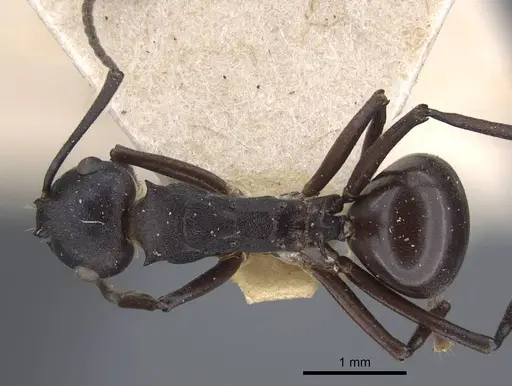
Литература
Загрузка карты распределения...Загрузка товаров...