
Polyrhachis textor
- Науч. назв.
- Polyrhachis textor
- Подрод
- Myrmothrinax
- Триба
- Camponotini
- Подсемейство
- Formicinae
- Автор
- Smith, 1857
- Распространение
- Встречается в 0 странах
Введение
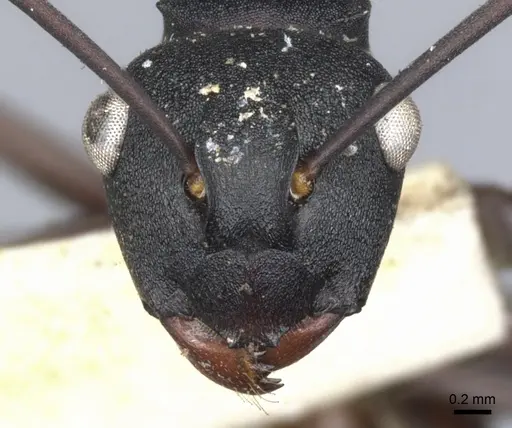
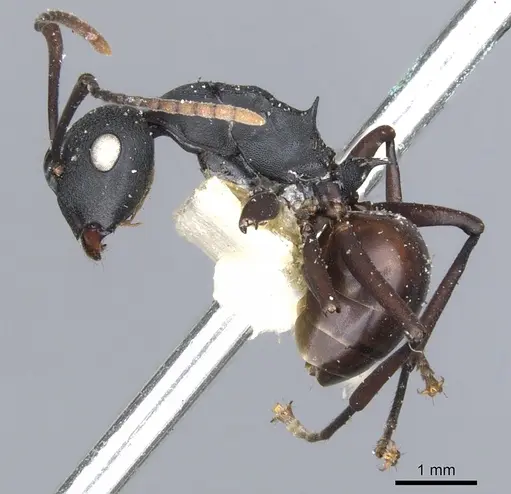
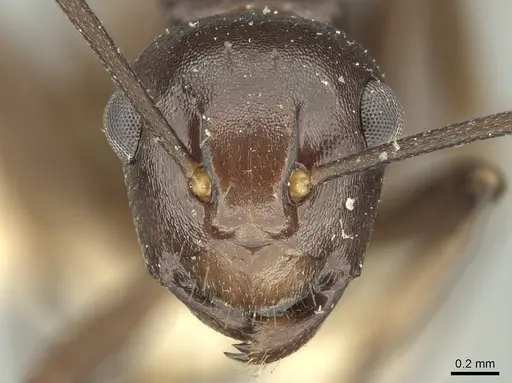
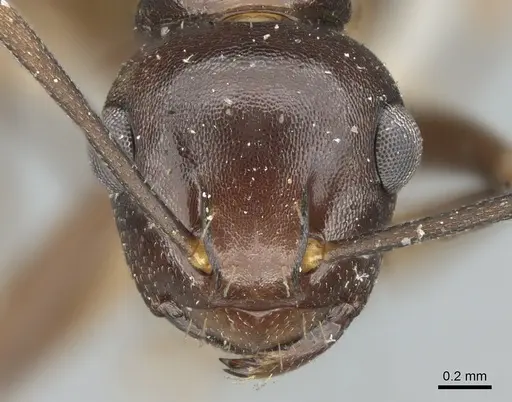
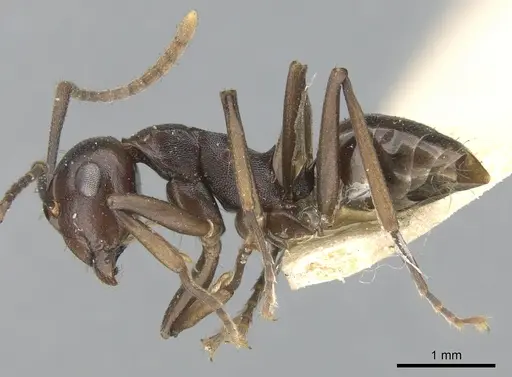
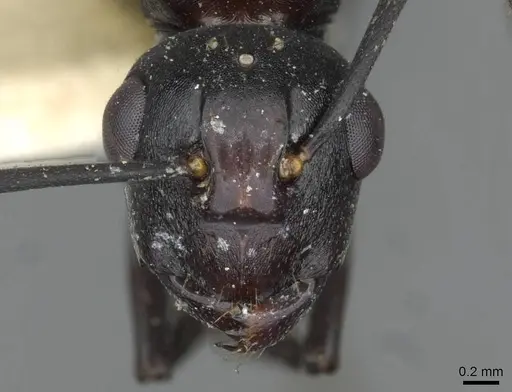
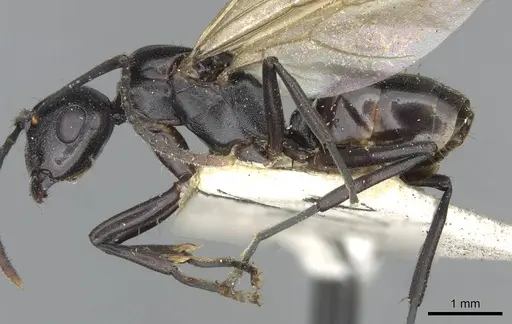
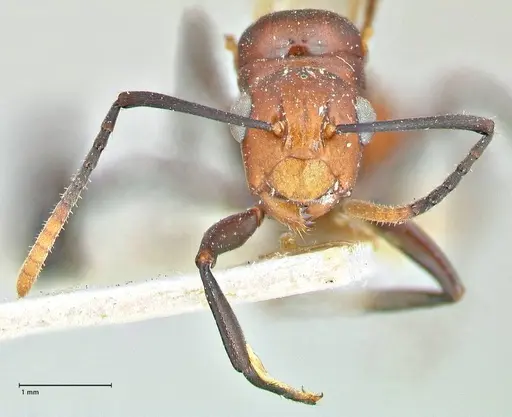
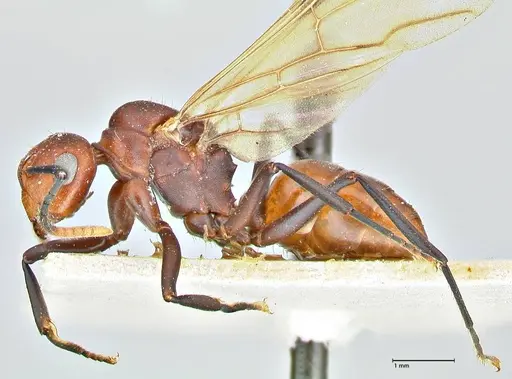
Polyrhachis textor is a tropical arboreal ant species native to Southeast Asia. It has been recorded in Malaysia, Singapore, Thailand (Chachoengsao province), and the Andaman and Nicobar Islands . Workers are about 7-8 mm long (3½ lines) and have the hooked spines (cerci) on the thorax typical of the genus Polyrhachis . These ants build silk nests in trees and shrubs, binding leaves together with silk produced by their larvae . They also spin cocoons around their pupae . Like other Formicinae, they lack a functional sting and instead defend themselves by biting and spraying formic acid into the wound.
Quick Summary
- Difficulty: Medium
- Origin & Habitat: Tropical Southeast Asia, recorded from Malaysia, Singapore, Thailand (Chachoengsao), and the Andaman and Nicobar Islands [1][2][3]. Naturally nests arboreally in trees and shrubs, constructing silk nests among leaves and branches [5].
- Colony Type: Likely single-queen colonies based on typical Polyrhachis patterns, but this is not confirmed for P. textor.
- Size & Growth:
- Queen: Size data unavailable, no measurements documented in primary research.
- Worker: Approximately 7-8 mm (3½ lines) [4]
- Colony: Unknown for this species. Polyrhachis colonies typically reach several hundred to a few thousand workers (estimated from genus patterns).
- Growth: Moderate, likely slower than ground-nesting species due to arboreal lifestyle.
- Development: Estimated 6-10 weeks at tropical temperatures (25-28°C) based on related Polyrhachis species (no data for P. textor). (Development time is an estimate from genus-level data.)
- Antkeeping:
- Temperature: Keep warm and stable, roughly 24-28 °C. As a tropical Southeast Asian species [1][2], they need year‑round warmth. A heating cable on one side of the nest creates a gradient so the ants can choose their preferred temperature.
- Humidity: Provide a consistently moist but well‑ventilated nest. The nest substrate should feel damp but not waterlogged. Mist the outworld regularly to maintain high ambient humidity, but ensure good airflow to prevent mold.
- Diapause: No, as a tropical species, they do not require hibernation. They may show reduced activity during cooler periods in captivity.
- Nesting: Arboreal setup is essential. Supply branches, live or artificial plants, or other structures they can use to build silk nests. A naturalistic terrarium with vertical space works best. Avoid standard test‑tube or ground‑only formicariums. If using a formicarium, a 3D‑printed or plaster nest with rough surfaces can work, but must be combined with materials for silk construction.
- Behavior: Workers are generally peaceful and non‑aggressive. They forage actively for honeydew, nectar, and small insects. As Formicinae, they spray formic acid when threatened, they do not sting. Their small size (7-8 mm) makes them agile climbers, so use tight‑fitting lids and fluon or oil barriers to prevent escapes.
- Common Issues: arboreal nesting means standard tube setups are not suitable, they need space and materials to build silk nests., tropical humidity requirements can lead to mold if ventilation is poor, balance moisture with airflow., slow colony growth may frustrate beginners, be patient during founding and early growth., wild‑caught colonies may carry parasites or diseases that cause failures, quarantine and observe before setting up a permanent home., silk‑nesting behavior requires specific materials, without leaves, sticks, or artificial alternatives, colonies may be stressed and fail to thrive.
Nest Preferences and Housing
Polyrhachis textor is an arboreal species that naturally builds silk nests among leaves and branches in trees and shrubs [5]. In captivity, they need housing that allows this behavior. The best setup is a naturalistic terrarium with live or artificial plants, branches, and leaves that the workers can bind with silk. You can also provide materials like cotton wool, tissue paper, or small leaves as nest‑building resources. If you use a plaster or 3D‑printed nest, make sure there are rough surfaces for grip and plenty of vertical space. Avoid fully enclosed test tubes or ground‑only formicariums, these ants do not thrive in underground‑style housing. Connect multiple chambers or platforms with tubing so the colony can organize its silk nest structure.
Feeding and Diet
Polyrhachis ants are omnivorous. In the wild they feed on honeydew from aphids and scale insects, nectar from flowers, and small insects for protein. In captivity, provide a constant source of sugar water or honey. For protein, offer small insects such as fruit flies, pinhead crickets, or mealworms 2-3 times per week. Fresh fruit slices can also be accepted as a nectar source. Remove uneaten prey after 24 hours to prevent mold. Note: specific dietary studies for P. textor are lacking, so this advice comes from general Polyrhachis keeper experience.
Temperature and Heating
As a tropical Southeast Asian species [1][2], Polyrhachis textor requires warm conditions year‑round. Keep the nest at roughly 24-28 °C. Room temperature may be sufficient if your home stays in this range, but many keepers use a heating cable or mat on one side of the nest to create a gradient. Avoid extended periods below 22 °C or above 32 °C.
Humidity and Water
Mimic the humid conditions of their tropical arboreal habitat. Keep the nest substrate consistently moist but not waterlogged, it should feel damp to the touch. Mist the outworld regularly and provide a constant water source (e.g., a test tube with a cotton plug). Balance humidity with good ventilation to prevent mold. If you see condensation or mold, increase airflow and reduce misting. [1][2]
Behavior and Colony Dynamics
Workers are active foragers that search for food throughout their territory. They are generally peaceful and do not swarm even when disturbed. The species is known for its silk‑spinning ability, workers cooperate to bind leaves and other materials into protective nest structures [5]. Observe how multiple ants coordinate to manipulate and secure nesting materials. Colonies grow moderately, so patience is needed during the founding stage. First workers (nanitics) will be smaller than mature workers but should increase in size with subsequent broods.
Frequently Asked Questions
Can I keep Polyrhachis textor in a test tube?
Test tubes are not ideal for this arboreal species. They naturally nest in trees using silk to bind leaves, so they do best in naturalistic setups with plants, branches, or materials they can use for silk nest construction. If you must use a test tube for founding, transfer them to a more appropriate arboreal setup once the first workers arrive [5].
How long does it take for Polyrhachis textor to produce first workers?
No specific data exist for P. textor. Based on related Polyrhachis species, expect 6-10 weeks from egg to first worker at optimal tropical temperatures (25-28°C). This is an estimate.
What do Polyrhachis textor eat?
They are omnivorous. Offer sugar water or honey as a constant energy source, and provide small insects (fruit flies, small crickets, mealworms) for protein 2-3 times per week. They may also accept fresh fruit as a nectar source.
Are Polyrhachis textor ants good for beginners?
They are rated as medium difficulty. Their arboreal nesting requirements and need for specific humidity and temperature make them better suited for keepers with some experience. Beginners may struggle with the housing setup.
Do Polyrhachis textor ants need hibernation?
No, they do not require hibernation. As a tropical species, they need year‑round warm temperatures. However, activity may decrease during cooler periods in captivity.
How big do Polyrhachis textor colonies get?
The maximum colony size for this species is undocumented. Polyrhachis colonies typically reach several hundred to a few thousand workers, so large colonies develop over several years.
When should I move Polyrhachis textor to a formicarium?
Move them to a naturalistic arboreal setup shortly after the colony is established with first workers. Standard ground‑nesting formicariums are not appropriate. Create a setup with branches, live plants, or artificial structures they can use for silk nest building [5].
Why is my Polyrhachis textor colony dying?
Common causes include: temperatures below 22°C, humidity too low or too high (balance with ventilation), improper housing (arboreal setup needed), mold from poor airflow, or stress from excessive handling. Check these parameters first.
Can I keep multiple queens together?
Polyrhachis textor likely forms single‑queen colonies (monogyne) based on typical genus patterns, but this is not confirmed. Combining unrelated queens is not recommended as it may lead to aggression. If you capture a queen, house her alone for founding.
Report an Issue
The current care sheet is based fully on literature. See inconsistencies, or something that's incorrect? Please , it will be resolved after review from an admin. Contributing to the blogs tab also helps providing information, to make us be able to further improve the caresheets. Thank you for your support!
References

Эта инструкция по уходу лицензирована по CC BY-SA 4.0 .
Блоги сообщества
CASENT0901849
Посмотреть на AntWeb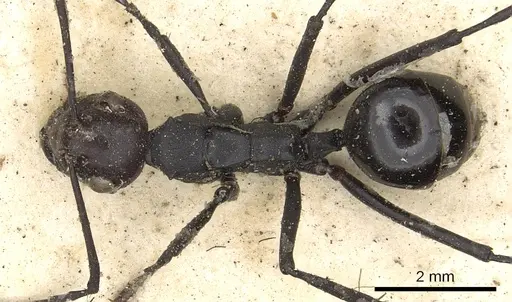
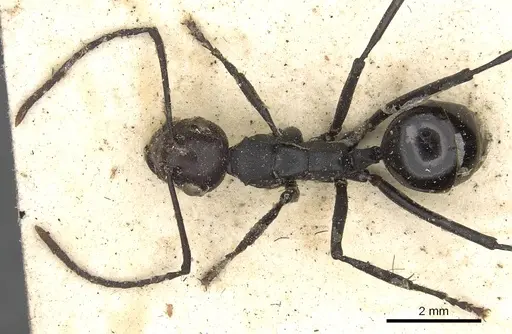
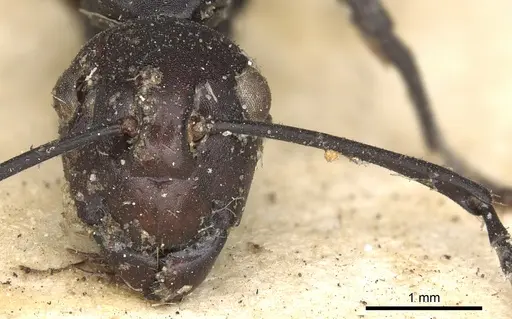
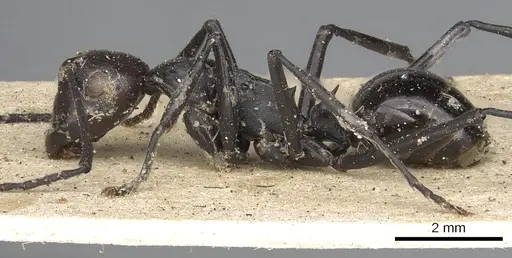
CASENT0903331
Посмотреть на AntWeb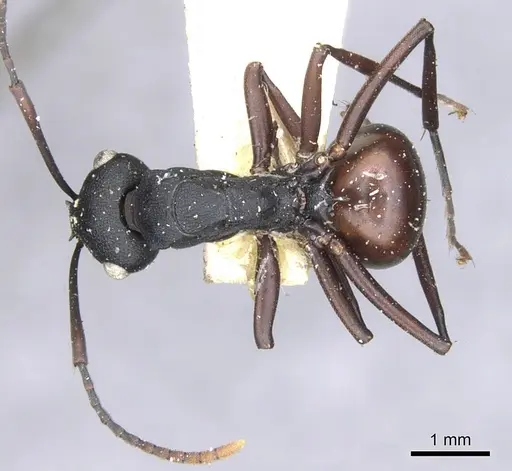
CASENT0906581
Посмотреть на AntWeb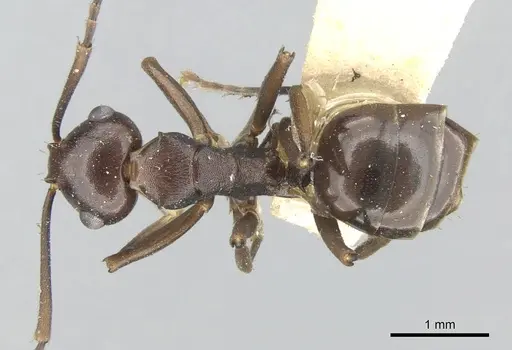
CASENT0910796
Посмотреть на AntWeb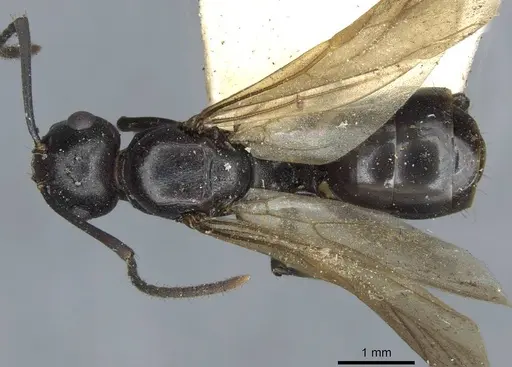
FOCOL2533
Посмотреть на AntWeb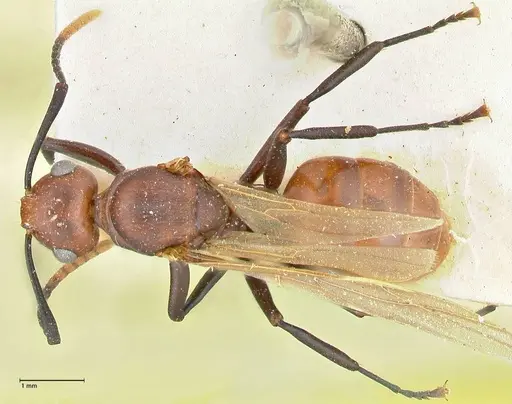
Литература
Загрузка карты распределения...Загрузка товаров...