
Polyrhachis subtridens
- Науч. назв.
- Polyrhachis subtridens
- Подрод
- Myrmatopa
- Триба
- Camponotini
- Подсемейство
- Formicinae
- Автор
- Emery, 1900
- Распространение
- Встречается в 0 странах
Введение
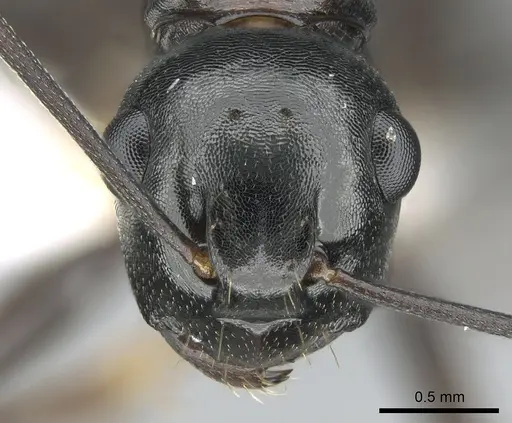
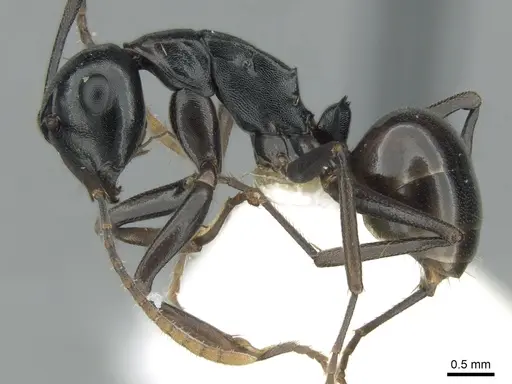
Polyrhachis subtridens is a tropical arboreal ant species from the Myrmatopa subgenus, native to the Indonesian islands of Sumatra, Engano, and Mentawei . Workers have hooked spines on the thorax. This species nests in trees and uses silk or carton material to construct their nests . Polyrhachis pupae lack cocoons, emerging as naked pupae . As Formicinae ants, they defend themselves by spraying formic acid rather than stinging.
Quick Summary
- Difficulty: Medium
- Origin & Habitat: Native to the Indomalaya region, specifically Indonesia (Sumatra, Engano, Mentawei) [1]. This is a tropical arboreal species that nests in trees using silk and carton materials [2][3].
- Colony Type: Colony structure is unconfirmed. Based on Polyrhachis genus patterns, likely single-queen (monogyne) colonies, though this has not been directly documented.
- Size & Growth:
- Queen: Based on Polyrhachis genus patterns, ~10-12 mm
- Worker: Based on Polyrhachis genus patterns, ~6-9 mm
- Colony: Up to several hundred workers, estimated from typical Polyrhachis colonies
- Growth: Moderate, inferred from tropical arboreal ant patterns
- Development: Estimated 6-8 weeks at tropical temperatures (25-28°C) (Development time inferred from related tropical Formicinae species. Naked pupae may develop slightly faster than cocooned species.)
- Antkeeping:
- Temperature: Keep warm, roughly 24-28°C, based on tropical species needs. A heating cable on one side of the nest creates a suitable gradient.
- Humidity: Keep the nest substrate consistently moist but not waterlogged, based on arboreal habitat in humid Indonesia. Mist the outworld regularly.
- Diapause: No, this is a tropical species that does not require hibernation. Maintain warm temperatures year-round.
- Nesting: Arboreal specialists. Provide elevated nest options such as Y-tong nests, plaster nests, or naturalistic setups with branches. They prefer nests with multiple chambers and will use silk to modify their environment [2][3].
- Behavior: Generally calm and non-aggressive. Workers forage actively and explore vertical spaces. Escape risk is moderate, use standard barrier methods. As Formicinae, they spray formic acid when threatened but are not dangerous to humans.
- Common Issues: tropical species may struggle in cool or dry environments, maintain heat and humidity consistently, arboreal nature means they need vertical space and elevated nest areas, lack of cocoons means pupae are vulnerable to disturbance, avoid moving nests with brood, wild-caught colonies may have parasites or diseases that cause colony failure, small colony sizes initially mean slow growth requires patience
Housing and Nest Setup
Polyrhachis subtridens is an arboreal species that naturally nests in trees and uses silk or carton to construct their homes [2][3]. In captivity, they do well in Y-tong nests or plaster nests that provide multiple chambers. Because they nest elevated, place the nest in the upper portion of your setup. A naturalistic setup with branches or wood pieces works well and allows them to display silk-weaving behavior. Ensure good ventilation while maintaining humidity to avoid mold.
Temperature and Heating
As a tropical species from Indonesia, Polyrhachis subtridens requires warm conditions between 24-28°C. Temperatures below 22°C can slow metabolism and brood development. Use a heating cable on one side of the nest to create a temperature gradient. Avoid direct heat that dries out the nest.
Feeding and Diet
Polyrhachis ants are omnivorous. Offer sugar sources like honey water and protein sources like small insects. Feed protein prey 2-3 times per week and keep sugar available at all times. Remove uneaten prey after 24-48 hours to prevent mold.
Humidity and Water
This species requires high humidity to thrive. Keep the nest substrate moist but not waterlogged. Mist the outworld regularly and ensure adequate ventilation to prevent mold and drying.
Defense and Handling
As Formicinae ants, Polyrhachis subtridens defends itself by spraying formic acid rather than stinging. This is harmless to humans but can irritate eyes. They are generally docile and calm-tempered. Standard escape prevention using fluon or barrier gel works well.
Frequently Asked Questions
Can I keep Polyrhachis subtridens in a test tube?
Test tubes can work for founding colonies but are not ideal long-term. This arboreal species prefers elevated, multi-chambered nests. A Y-tong or plaster nest is more suitable for established colonies.
How long does it take for Polyrhachis subtridens to raise first workers?
Estimated 6-8 weeks from egg to worker at optimal tropical temperatures (25-28°C). Development may be slower at cooler temperatures.
What temperature do Polyrhachis subtridens need?
Keep them at 24-28°C. This tropical species requires warm conditions year-round and does not tolerate cool temperatures well.
Are Polyrhachis subtridens good for beginners?
They are rated as medium difficulty. They require warm, humid conditions which may need more equipment than temperate species, but their calm temperament makes them manageable for intermediate antkeepers.
Do Polyrhachis subtridens need hibernation?
No. This is a tropical species from Indonesia and does not require diapause or hibernation. Maintain warm temperatures year-round.
How big do Polyrhachis subtridens colonies get?
Based on typical Polyrhachis species, colonies likely reach up to several hundred workers. Exact maximum is unknown for this specific species.
What do Polyrhachis subtridens eat?
They are omnivorous. Offer sugar sources like honey or sugar water and protein like small insects. They will also accept honeydew from aphids.
When should I move Polyrhachis subtridens to a formicarium?
Move from a founding test tube setup to a proper nest once the colony reaches 20-30 workers and the test tube becomes cramped.
Why are my Polyrhachis subtridens dying?
Common causes are too-low temperature, too-dry conditions, or parasites from wild-caught colonies. Ensure temperatures stay above 24°C and humidity remains high. Wild-caught colonies often carry diseases that can cause decline.
Report an Issue
The current care sheet is based fully on literature. See inconsistencies, or something that's incorrect? Please , it will be resolved after review from an admin. Contributing to the blogs tab also helps providing information, to make us be able to further improve the caresheets. Thank you for your support!
References

Эта инструкция по уходу лицензирована по CC BY-SA 4.0 .
Блоги сообщества
CASENT0905569
Посмотреть на AntWeb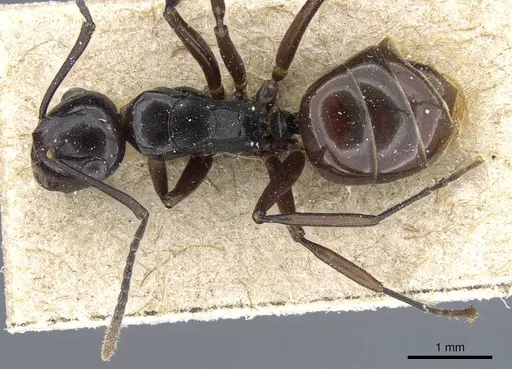
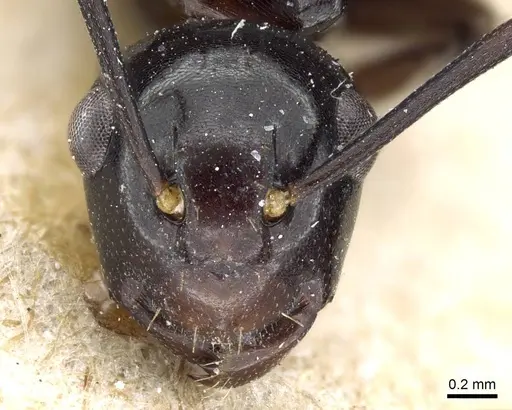
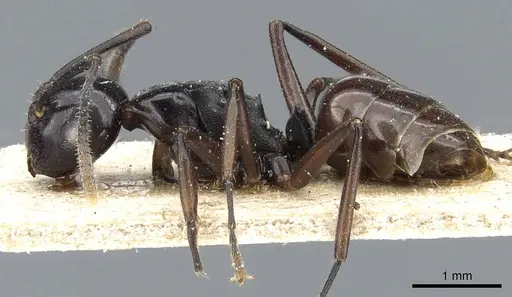
CASENT0906571
Посмотреть на AntWeb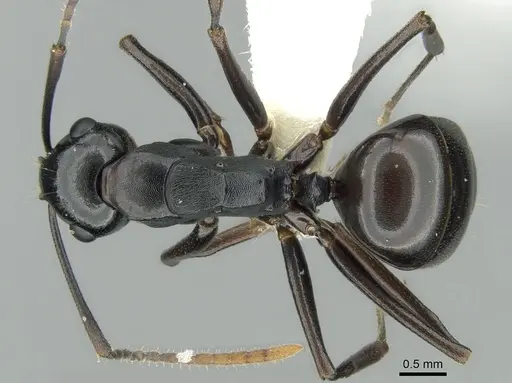
Литература
Загрузка карты распределения...Загрузка товаров...