
Polyrhachis peregrina
- Науч. назв.
- Polyrhachis peregrina
- Подрод
- Myrmhopla
- Триба
- Camponotini
- Подсемейство
- Formicinae
- Автор
- Smith, 1860
- Распространение
- Встречается в 0 странах
Введение
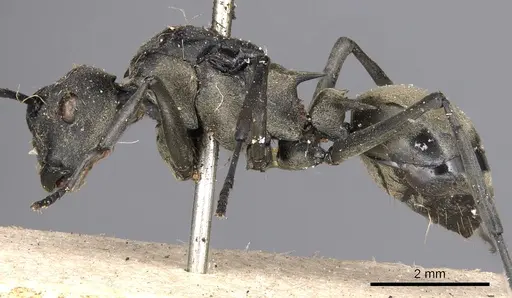
Polyrhachis peregrina is a spiny ant from the Formicinae subfamily, known only from the island of Sulawesi, Indonesia . Like other members of the Polyrhachis armata species-group, workers and queens have distinctive spines on the mesosoma. This species lacks a functional stinger and defends itself by spraying formic acid from the acidopore, a common trait in the Camponotini tribe. It was originally described by Frederick Smith in 1860 from specimens collected in Makassar, Sulawesi .
Quick Summary
- Difficulty: Medium
- Origin & Habitat: Endemic to Sulawesi, Indonesia, a tropical island with warm temperatures and high humidity year-round. The natural habitat is likely forested areas, with ants nesting arboreally (above ground in vegetation) [1] [2].
- Colony Type: Colony structure is unconfirmed. Based on typical Polyrhachis patterns, likely monogyne (single-queen colonies), though some related species can be polygynous.
- Size & Growth:
- Queen: Size data unavailable.
- Worker: Size data unavailable.
- Colony: Size data unavailable, estimate not possible from current research.
- Growth: Unknown, likely moderate based on Polyrhachis genus patterns.
- Development: Unknown, estimate not possible from available data. (Development likely temperature-dependent. Keep warm for best results.)
- Antkeeping:
- Temperature: Tropical species: keep at 24-28°C year-round. Avoid drops below 22°C. Use a heating cable to maintain gradient [2].
- Humidity: High humidity (70-85% RH). Keep nesting substrate moist but not waterlogged. Provide moisture via water reservoir or light misting. Balance to prevent mold [2].
- Diapause: No, tropical species does not require hibernation. Keep temperatures stable.
- Nesting: Arboreal-style nest preferred. Use Y-tong (AAC) formicarium with vertical surfaces, cork bark, or twigs. Avoid deep soil nests. Provide climbing structures and ventilation [2].
- Behavior: Temperament likely calm based on Polyrhachis patterns. Workers active foragers, may spray formic acid when threatened. Escape risk moderate, provide standard barriers.
- Common Issues: cold stress, maintain warm temperatures consistently, low humidity causing colony decline, keep nest humid, improper nest setup (ground-level without climbing surfaces), provide arboreal housing, limited availability in the hobby, source responsibly, formic acid spray irritating to eyes/skin, handle gently
Temperature and Care
Polyrhachis peregrina requires warm, stable temperatures typical of tropical ants. Keep the nest area at 24-28°C (75-82°F) consistently, avoid temperatures below 22°C as this can slow brood development and weaken the colony. A heating cable on one side of the nest creates a gentle temperature gradient, allowing workers to regulate their body temperature by moving between warmer and cooler areas. Unlike temperate species, these ants do not need a cooling period or hibernation. Maintain temperatures year-round without seasonal drops. The warmth is essential for proper brood development, at lower temperatures, eggs may fail to develop and larvae may die. Room temperature may be sufficient if your home stays in the low-to-mid 20s°C, but monitor colony activity to ensure they are thriving [2].
Humidity Requirements
As a tropical species from Sulawesi, Polyrhachis peregrina requires high humidity, aim for 70-85% relative humidity in the nest area. This species naturally inhabits humid tropical forests where moisture levels remain consistently elevated. Keep the nest substrate or water reservoir moist but not waterlogged, standing water can drown colonies. You can maintain humidity through a water reservoir connected to the nest, regular light misting of the outworld, or by placing the nest in a setup that retains moisture. Observe the ants' behavior: if workers cluster near moisture sources or avoid dry areas, increase humidity. Mold growth is a sign of excessive moisture, balance is key. The outworld can be slightly drier than the nest area, giving ants options to regulate their own humidity preferences [2].
Nesting Preferences
Polyrhachis ants are predominantly arboreal or semi-arboreal, meaning they prefer to nest above ground rather than in underground chambers. In captivity, provide a nest setup that mimics their natural arboreal habitat. Y-tong (AAC) nests work well because they offer smooth walls and chambers that ants can grip, plus they allow for easy observation. Alternatively, a naturalistic setup with twigs, branches, or cork bark arranged vertically gives workers surfaces to walk on and explore. Avoid deep, soil-based formicarium setups unless they include elevated chambers. The nest should have some ventilation to prevent stagnant air but not so much that it dries out the interior. Include climbing structures in the outworld so foragers can travel between the nest and food sources [2].
Feeding and Diet
In the wild, Polyrhachis ants are omnivorous, feeding on honeydew collected from aphids and scale insects, nectar from flowers, and small insects and other protein sources. In captivity, offer a varied diet: sugar water or honey (diluted 1:4 with water) as a constant energy source, and protein such as small crickets, mealworms, or other feeder insects 2-3 times per week. Remove uneaten protein within 24-48 hours to prevent mold. Some Polyrhachis species accept fruit or nectar substitutes, but protein is essential for brood development. Feed the colony in the outworld, not inside the nest, to keep the nest clean. Observe feeding behavior, active foraging indicates a healthy, hungry colony. Avoid overfeeding, as excess food attracts pests and mold [2].
Defense Mechanisms
As a member of the Formicinae subfamily and Camponotini tribe, Polyrhachis peregrina lacks a functional stinger. Instead, they bite and spray formic acid from the acidopore into the wound. This chemical spray can irritate the eyes and skin of predators (including human keepers). While not dangerous, it is unpleasant. Handle these ants gently, avoid blowing on them or making sudden movements near the nest, and wash hands after any contact. The spines on their body also provide some physical defense against predators.
Frequently Asked Questions
How long does it take for Polyrhachis peregrina to raise first workers?
The development timeline for this species is unknown due to lack of specific research. Based on typical tropical Polyrhachis, you can expect nanitics to emerge in roughly 6-8 weeks if kept at warm temperatures (25-28°C), but this is an estimate and may vary [2].
What is the best nest type for Polyrhachis peregrina?
Use an arboreal-style nest such as a Y-tong (AAC) formicarium or a naturalistic setup with vertical surfaces like cork bark and twigs. These ants naturally nest above ground. Ensure climbing surfaces and adequate ventilation while maintaining humidity [2].
Do Polyrhachis peregrina ants need hibernation?
No. As a tropical species from Sulawesi, Indonesia, these ants do not require hibernation. Keep temperatures stable year-round at 24-28°C. Seasonal temperature drops can stress or kill colonies [2].
Are Polyrhachis peregrina good for beginners?
Polyrhachis peregrina is rated as medium difficulty. While not the easiest species for complete beginners, they are manageable for keepers with some experience. The main challenges are maintaining stable tropical warmth and humidity, and providing appropriate arboreal-style housing. They are calmer than some aggressive species but do require attention to temperature and humidity [2].
How big do Polyrhachis peregrina colonies get?
Colony size is unknown due to lack of specific research. Based on typical Polyrhachis patterns, colonies may reach several hundred workers, but this is an estimate. Exact numbers are not available [2].
What do Polyrhachis peregrina ants eat?
They are omnivorous. Offer sugar water or honey (diluted 1:4) as a constant energy source, and protein such as small crickets, mealworms, or fruit flies 2-3 times per week. Remove uneaten protein promptly to prevent mold [2].
Can I keep multiple Polyrhachis peregrina queens together?
The colony structure for this species is unconfirmed. Based on typical Polyrhachis patterns, they likely form single-queen colonies. Combining unrelated queens is not recommended unless you observe them peacefully coexisting, as most ant queens will fight. If you obtain a colony with multiple queens, monitor for aggression [2].
Why is my Polyrhachis peregrina colony declining?
Common causes include: temperatures below 22°C, humidity below 60%, improper nesting (no climbing surfaces), overfeeding leading to mold, or stress from disturbance. Check temperature and humidity first, then review housing and feeding. Colonies may also decline if collected from the wild and carrying parasites [2].
Where is Polyrhachis peregrina found in the wild?
Polyrhachis peregrina is endemic to Sulawesi, Indonesia. It was originally described from specimens collected in Makassar (formerly Macassar) on Sulawesi. This species is not widely distributed [1].
Report an Issue
The current care sheet is based fully on literature. See inconsistencies, or something that's incorrect? Please , it will be resolved after review from an admin. Contributing to the blogs tab also helps providing information, to make us be able to further improve the caresheets. Thank you for your support!
References

Эта инструкция по уходу лицензирована по CC BY-SA 4.0 .
Блоги сообщества
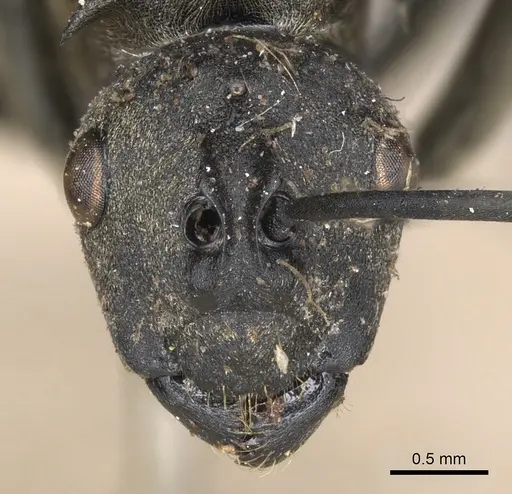
CASENT0901830
Посмотреть на AntWeb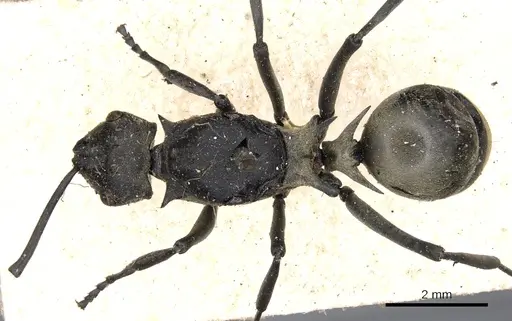
Литература
Загрузка карты распределения...Загрузка товаров...