
Polyrhachis omissa
- Науч. назв.
- Polyrhachis omissa
- Подрод
- Myrma
- Триба
- Camponotini
- Подсемейство
- Formicinae
- Автор
- Rigato, 2016
- Распространение
- Встречается в 0 странах
Введение
Polyrhachis omissa is a stout ant species native to East Africa, found in Somalia, Yemen, Ethiopia, and Kenya . It belongs to the viscosa species-group and is similar to Polyrhachis viscosa, but with normally shaped antennae . Body size data is unavailable from literature, but based on genus patterns, workers are likely ~5-10 mm and queens ~6-12 mm . This species was formally described in 2016 and has reduced pilosity, matte black coloration, and a petiole with four spines .
Quick Summary
- Difficulty: Medium
- Origin & Habitat: East Africa, Somalia, Yemen, Ethiopia, and Kenya, typically in savannah environments [1][2].
- Colony Type: Based on genus patterns, likely monogyne (single queen colonies) [1].
- Size & Growth:
- Queen: inferred from Polyrhachis genus (~6-12 mm) [1]
- Worker: inferred from Polyrhachis genus (~5-10 mm) [1]
- Colony: Unknown, no data exists
- Growth: Unknown
- Development: Unconfirmed, no direct data [1] (Development timeline is not studied, based on genus patterns, may take several weeks at optimal temperature.)
- Antkeeping:
- Temperature: Based on East African distribution, keep warm around 24-28°C [1].
- Humidity: Provide a humidity gradient, based on savannah habitats, likely moderate humidity [1][2].
- Diapause: Unconfirmed, East African species may not require hibernation [1].
- Nesting: Based on genus patterns, nest in elevated locations, in captivity, use Y-tong or plaster nests with vertical structures [2].
- Behavior: Behavior is unstudied. Based on subfamily Formicinae, they can spray formic acid for defense. Escape risk is moderate due to small size.
- Common Issues: lack of species-specific care data requires experimentation, wild-caught colonies may have parasites or diseases, temperature and humidity needs are estimates based on genus patterns
Identification and Closest Relatives
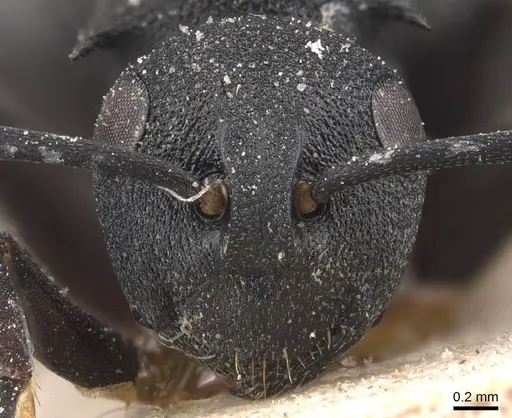
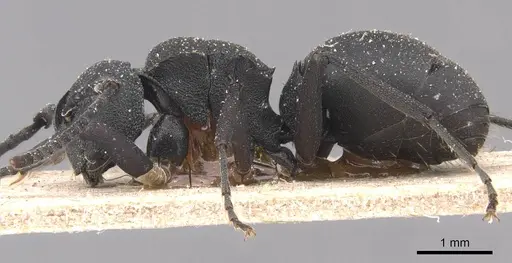
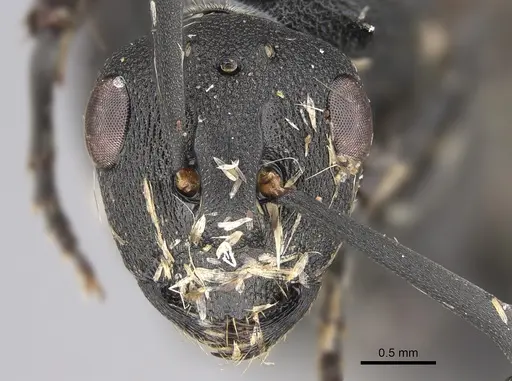
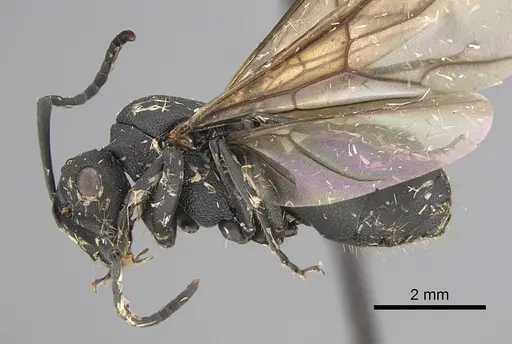
Polyrhachis omissa was described in 2016 and belongs to the viscosa species-group. It is very similar to Polyrhachis viscosa, but key differences include normally shaped antennae in P. omissa versus a widened scape and flattened first funicular joint in P. viscosa [1]. Workers have a stout body with four spines on the petiole, almost no visible hairs, and matte black coloration [1].
Distribution and Habitat
Polyrhachis omissa is known from Somalia, Yemen, Ethiopia, and Kenya [1]. The exact habitat is not documented, but related species in this region typically inhabit savannah environments and nest in elevated locations such as under bark or in vegetation [1][2].
Size and Morphology
Body size data is unavailable from literature. Head length measurements are provided (workers 1.56-1.80 mm, queens 1.76-1.99 mm), but these are not total body length [1]. Based on genus patterns, workers are likely ~5-10 mm and queens ~6-12 mm [1]. The petiole has four spines, and the integument is matte with reduced pilosity [1].
Care Recommendations
Keep temperatures around 24-28°C based on East African distribution [1]. Provide a humidity gradient with a moist nest chamber and drier areas, as savannah habitats suggest moderate humidity [1][2]. Use Y-tong or plaster nests with vertical structures, as Polyrhachis species often nest elevated [2]. Feed sugar water and small insects, adjusting portions based on colony consumption. Monitor behavior for temperature or humidity issues.
Frequently Asked Questions
How long does it take for Polyrhachis omissa to develop from egg to worker?
The development timeline is unconfirmed for this species. Based on typical Polyrhachis patterns, it may take several weeks at optimal temperature, but no direct data exists [1].
What do Polyrhachis omissa ants eat?
Diet is unconfirmed, but based on genus patterns, they likely accept sugar sources like honey and protein from small insects [1].
What temperature should I keep Polyrhachis omissa at?
Temperature requirements are not species-confirmed. Based on East African distribution, keep around 24-28°C [1].
Are Polyrhachis omissa good for beginners?
This species is not recommended for beginners due to lack of species-specific care data. Experience with ant keeping is helpful [1].
How big do Polyrhachis omissa colonies get?
Colony size is unknown, no data exists on maximum size [1].
Do Polyrhachis omissa need hibernation?
Diapause requirements are unconfirmed. As an East African species, they likely do not require true hibernation [1].
What type of nest should I use for Polyrhachis omissa?
Natural nesting is unconfirmed, but based on genus patterns, use elevated nests like Y-tong or plaster with vertical structures [2].
Can I keep multiple queens together?
Colony structure is unconfirmed. Based on genus patterns, they are likely monogyne, so combining queens is not recommended [1].
Where does Polyrhachis omissa come from?
Polyrhachis omissa is native to East Africa, specifically Somalia, Yemen, Ethiopia, and Kenya [1].
Report an Issue
The current care sheet is based fully on literature. See inconsistencies, or something that's incorrect? Please , it will be resolved after review from an admin. Contributing to the blogs tab also helps providing information, to make us be able to further improve the caresheets. Thank you for your support!
References

Эта инструкция по уходу лицензирована по CC BY-SA 4.0 .
Блоги сообщества
CASENT0905832
Посмотреть на AntWeb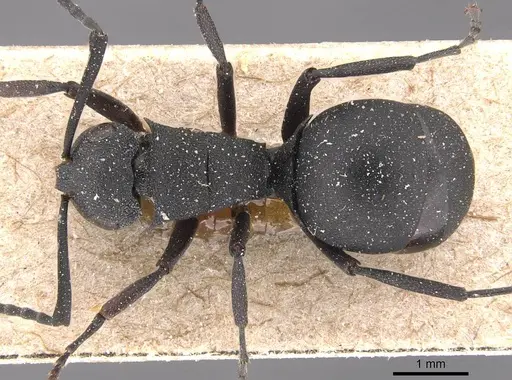
CASENT0923501
Посмотреть на AntWeb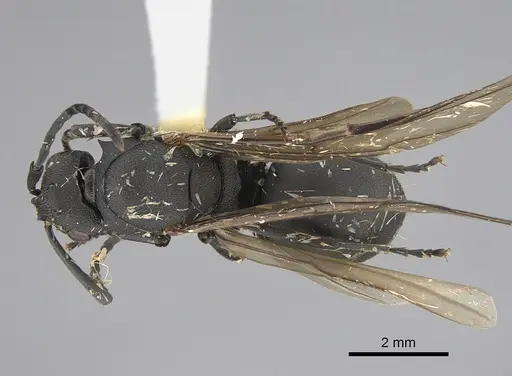
Литература
Загрузка карты распределения...Загрузка товаров...