
Polyrhachis etheli
- Науч. назв.
- Polyrhachis etheli
- Подрод
- Myrmhopla
- Триба
- Camponotini
- Подсемейство
- Formicinae
- Автор
- Chapman, 1963
- Распространение
- Встречается в 0 странах
Введение
Polyrhachis etheli is an ant species from the Philippines, described by Chapman in 1963 . It is found in the Indomalaya region and nests in rotting wood in its natural habitat . This species is lignicolous, meaning it nests in rotting wood, a common trait among Polyrhachis ants in the Myrmhopla subgenus .
Quick Summary
- Difficulty: Medium
- Origin & Habitat: Native to the Philippines in the Indomalaya region. In nature, these ants nest in rotting wood (lignicolous nesting habit) [2]. Based on their tropical habitat, they are accustomed to warm, humid conditions year-round.
- Colony Type: Based on typical Polyrhachis patterns, likely single-queen (monogyne) colonies. The founding queen establishes a nest in wood and raises her first workers alone.
- Size & Growth:
- Queen: Size data unavailable, inferred from Polyrhachis genus to be approximately 10 mm
- Worker: Size data unavailable, inferred from Polyrhachis genus to be approximately 6 mm
- Colony: Up to several hundred workers
- Growth: Moderate
- Development: Approximately 6-8 weeks at tropical temperatures (Development time is temperature-dependent, warmer temperatures within safe range accelerate development)
- Antkeeping:
- Temperature: Keep nest area at warm temperatures, roughly 24-28°C, based on tropical habitat inference [1].
- Humidity: Keep nest substrate consistently moist but not waterlogged, as they nest in rotting wood which requires moisture [2].
- Diapause: No, as a tropical species, they do not require hibernation.
- Nesting: Provide wooden nests or test tube setups, as they are lignicolous [2].
- Behavior: Based on typical Polyrhachis patterns, workers are generally calm and not aggressive. They are active foragers and good climbers. Escape prevention is important due to their size.
- Common Issues: tropical species requires consistent warmth, cold temperatures can weaken or kill colonies, wood-nesting species needs appropriate humidity levels to prevent nest from drying out, moderate growth rate means colonies take time to develop, patience is required, wild-caught colonies may contain parasites that can cause problems in captivity, ensure escape prevention is adequate, check for small gaps regularly
Nest Preferences
Polyrhachis etheli is a lignicolous species, meaning it naturally nests in rotting wood [2]. In captivity, you can replicate this with a Y-tong (AAC) nest, a plaster nest with wooden elements, or a naturalistic setup with rotting wood pieces. Test tube setups work well for founding colonies, place the test tube in a dark area and keep it moist. Once the colony grows, consider moving to a more elaborate nest. The nest should have chambers sized appropriately for the colony and maintain consistent humidity. Avoid nests that dry out quickly, as this species needs moisture to survive.
Feeding and Diet
Like most Polyrhachis species, these ants are generalist omnivores. Offer a varied diet including sugar sources (honey water, sugar water, or diluted maple syrup) and protein sources (small insects like fruit flies, pinhead crickets, or mealworms). They will also accept nectar and honeydew. Feed protein 2-3 times per week, and keep sugar water available at all times. Remove uneaten prey after 24-48 hours to prevent mold. Fresh fruit can occasionally be offered as an additional sugar source. [1]
Temperature and Care
As a tropical species from the Philippines, Polyrhachis etheli requires warm temperatures year-round. Keep the nest area at warm temperatures, roughly 24-28°C, based on tropical habitat inference [1]. A heating cable placed on one side of the nest creates a temperature gradient, allowing ants to move to warmer or cooler areas as needed. Avoid temperatures below 22°C for extended periods, as this can weaken the colony. Room temperature may be sufficient if your home stays in this range, otherwise use a small heating mat or cable. Keep the nest substrate consistently moist but not waterlogged [2].
Behavior and Temperament
Based on typical Polyrhachis patterns, Polyrhachis etheli workers are active and alert, but generally calm compared to some other ant species. They are not particularly aggressive and do not have a painful sting, making them suitable for keepers who want an interesting species without extreme defensiveness. Workers forage actively, searching for food both on the ground and can climb surfaces well. They are good climbers, so ensure your setup has secure barriers. Colony activity increases with warmer temperatures, and workers will become more active when searching for food.
Frequently Asked Questions
How long does it take for Polyrhachis etheli to produce first workers?
Expect first workers (nanitics) approximately 6-8 weeks after the queen lays eggs, assuming temperatures around 26-28°C. Development is temperature-dependent, cooler temperatures will slow development.
Can I keep Polyrhachis etheli in a test tube?
Yes, test tubes work well for founding colonies. Keep the test tube moist but not flooded, and place it in a dark location. Once the colony reaches a larger size, consider moving to a larger nest like a Y-tong or plaster setup [2].
What temperature do Polyrhachis etheli ants need?
Keep them at warm temperatures, roughly 24-28°C, based on their tropical habitat [1].
How big do Polyrhachis etheli colonies get?
Based on typical Polyrhachis patterns, colonies likely reach up to several hundred workers over time. Growth is moderate, expect several months to a year to reach significant numbers.
What do Polyrhachis etheli ants eat?
They are generalist omnivores. Offer sugar water or honey as a constant energy source, and protein (small insects like fruit flies or mealworms) 2-3 times per week [1].
Do Polyrhachis etheli need hibernation?
No. As a tropical species from the Philippines, they do not require hibernation or winter cooling. Keep temperatures consistent year-round.
When should I move my Polyrhachis etheli to a formicarium?
Move from test tube to a proper nest when the colony has grown sufficiently or when the test tube becomes crowded. A Y-tong (AAC) nest or plaster nest with wood elements works well since they are lignicolous (wood-nesting) [2].
Are Polyrhachis etheli good for beginners?
They are considered moderate difficulty. They require warm, humid conditions and specific nesting habitat (wood), but their calm temperament and lack of painful sting make them manageable for intermediate ant keepers.
Why is my Polyrhachis etheli colony declining?
Common causes include: temperatures too cold (below 22°C), humidity too low (nest drying out), poor nutrition, or parasites from wild-caught colonies. Check that temperature and humidity are in the correct ranges first.
Report an Issue
The current care sheet is based fully on literature. See inconsistencies, or something that's incorrect? Please , it will be resolved after review from an admin. Contributing to the blogs tab also helps providing information, to make us be able to further improve the caresheets. Thank you for your support!
References

Эта инструкция по уходу лицензирована по CC BY-SA 4.0 .
Блоги сообщества
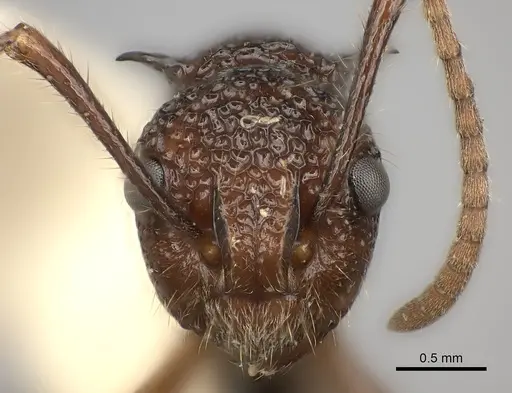
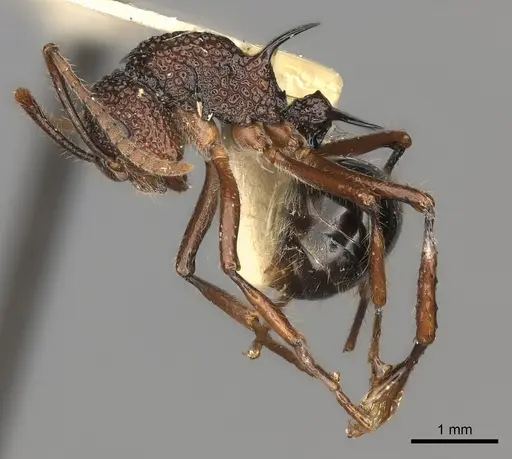
CASENT0217769
Посмотреть на AntWeb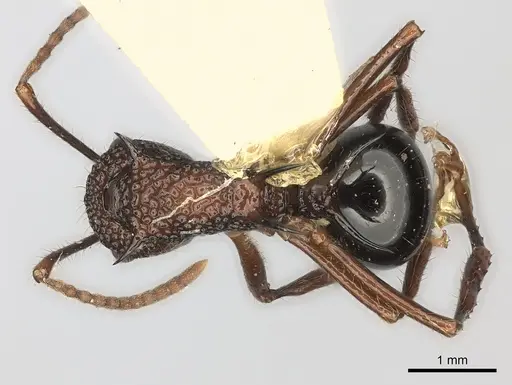
Литература
Загрузка карты распределения...Загрузка товаров...