
Polyrhachis compressicornis
- Науч. назв.
- Polyrhachis compressicornis
- Подрод
- Myrma
- Триба
- Camponotini
- Подсемейство
- Formicinae
- Автор
- Smith, 1860
- Распространение
- Встречается в 0 странах
Введение
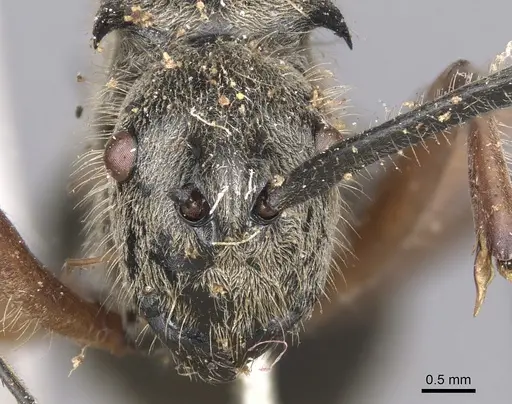
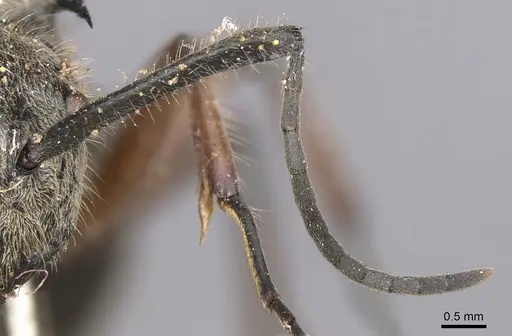
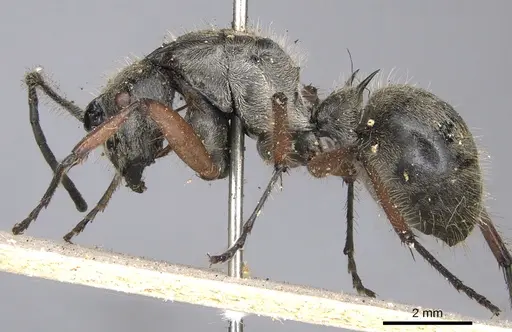
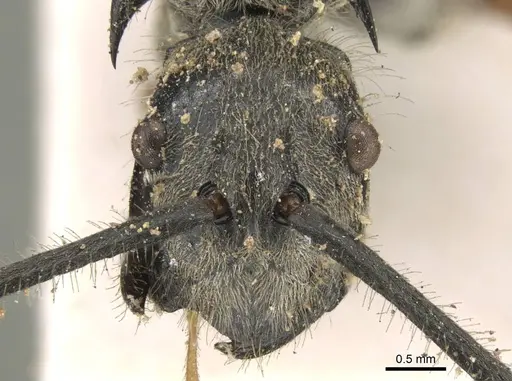
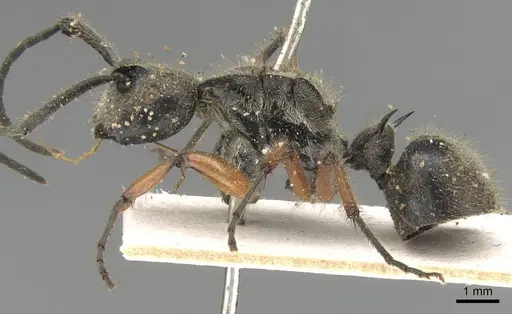
Polyrhachis compressicornis is a small ant with spines on the thorax, typical of the Polyrhachis genus. Size data is unavailable, but based on genus patterns, workers are about 5-9 mm and queens 8-12 mm. It is found only in Sulawesi, Indonesia, specifically from the Makassar area . The species inhabits tropical forests, but specific habitat details are unknown . This species is extremely rare, with only a few museum specimens known since the 1800s. No biological observations or captive colonies exist, making it one of the most obscure ants in the hobby .
Quick Summary
- Difficulty: Hard
- Origin & Habitat: Sulawesi, Indonesia, tropical island environment. Specimens collected from Makassar [1][2]. No specific habitat data, but Polyrhachis species typically nest in vegetation [3].
- Colony Type: Unconfirmed, only type specimens exist. Based on Polyrhachis genus patterns, likely single-queen colonies, but this is unconfirmed [3].
- Size & Growth:
- Queen: size unknown, inferred from Polyrhachis genus (~8-12 mm)
- Worker: size unknown, inferred from Polyrhachis genus (~5-9 mm)
- Colony: Unknown, no colony observations exist
- Growth: Unknown
- Development: Unknown, no direct observations (No developmental data exists for this species)
- Antkeeping:
- Temperature: Temperature needs are unknown. Based on the tropical climate of Sulawesi [1][2][3], a range of 24-28°C is inferred, but specific requirements are unconfirmed.
- Humidity: Humidity needs are unknown. Based on tropical habitats, keep nest substrate consistently moist but not waterlogged [3].
- Diapause: No, Sulawesi has no winter, and tropical Polyrhachis do not enter diapause [3].
- Nesting: Nesting preferences are unknown. Based on genus patterns, they likely prefer arboreal sites like hollow stems or under bark [3].
- Behavior: Unknown, no species-specific observations. Based on genus patterns, Polyrhachis ants are moderate in aggression and have spines for defense. As Formicinae, they spray formic acid for defense.
- Common Issues: this species is unavailable in the antkeeping trade, so obtaining colonies is impossible, no care information exists, making successful keeping unlikely, extreme rarity in the wild means any specimens would be scientifically significant, without captive colonies, founding and feeding protocols are unknown
Why This Species Is So Rare in Captivity
Polyrhachis compressicornis is one of the most obscure ant species in the entire hobby. It was originally described by Frederick Smith in 1860 from specimens collected in Makassar, Sulawesi. Since then, virtually no specimens have been found, the 2008 review by Kohout noted that this species was absent from all recent Sulawesi collections examined, and the only known specimens are the original type series in museums. This means no antkeeper has ever documented keeping this species alive. There are no care guides, no feeding records, no development timelines, and no established protocols. Any advice for this species would be a speculative guess based on genus-level patterns rather than species-specific experience [3].
What We Know About the Wild Population
The entire scientific knowledge of this species comes from fewer than five museum specimens, a worker syntype and dealate queen syntype from Makassar, plus a single additional worker in the Natural History Museum. The original description by Smith in 1860 did not even specify a type locality, the specimens were simply labeled 'Mak.' for Makassar. No biological observations exist, we don't know what they eat, how they nest, when they have nuptial flights, or anything about their colony structure. The species appears to be either extremely localized, very difficult to find, or potentially even extinct in the wild. This level of rarity makes it essentially impossible to provide reliable care recommendations [3].
Genus-Level Care Guesses (Highly Speculative)
If you somehow obtained this species, any care would have to be based on general Polyrhachis patterns rather than specific data. Polyrhachis ants are tropical and typically prefer warm, humid conditions. They often nest in vegetation or under bark rather than in ground nests. The Myrma subgenus contains various species that are moderate-sized with distinctive spines. Temperature around 24-28°C and high humidity would be a reasonable starting point. Feeding would likely follow typical Formicinae patterns, sugar sources and small insects. However, none of this is confirmed for Polyrhachis compressicornis specifically, and success is far from guaranteed [3].
Legal and Ethical Considerations
Given that this species is known only from historical museum specimens and has not been observed in the wild for over a century, any specimens that might exist would be extremely significant scientifically. If by some chance live colonies were discovered, they would likely be of great interest to researchers. Antkeepers should be aware that collecting from the wild in Sulawesi may require permits, and extremely rare species should probably be documented scientifically rather than kept privately. Additionally, Sulawesi has various endemic Polyrhachis species, and proper identification would be essential [3].
Frequently Asked Questions
Can I keep Polyrhachis compressicornis ants?
No, this species has never been documented in the antkeeping hobby. No live colonies are known to exist anywhere. The only known specimens are museum type specimens collected in the 1800s [3].
Where can I get Polyrhachis compressicornis?
You cannot get this species. It has never been documented in the live ant trade and may even be extinct in the wild. No antkeeper has ever kept this species [3].
What do Polyrhachis compressicornis eat?
Unknown, no feeding observations exist for this species. Based on genus patterns, they would likely accept sugar sources and small insects like other Formicinae ants [3].
How do I care for Polyrhachis compressicornis?
No care protocols exist. Any advice would be a speculative guess based on general Polyrhachis genus patterns, warm temperatures (24-28°C), high humidity, likely arboreal nesting. But there is no documented successful captive care for this species [3].
Are Polyrhachis compressicornis good for beginners?
This question is impossible to answer, the species has never been kept in captivity. It would not be appropriate for any keeper since no specimens exist and no care information is available [3].
How big do Polyrhachis compressicornis colonies get?
Unknown, no wild colonies have ever been observed. Even colony size estimates are impossible because we have no data on this species [3].
Do Polyrhachis compressicornis queens need to forage during founding?
Unknown, founding behavior has not been documented. Most Formicinae are claustral (queen seals herself in and lives off stored fat), but this specific species has never been observed founding a colony [3].
What is the egg to worker development time for Polyrhachis compressicornis?
Unknown, no developmental data exists for this species. Any timeline would be a pure guess based on related species, which is not scientifically valid for a caresheet [3].
Does Polyrhachis compressicornis need hibernation?
No, Sulawesi has a tropical climate with no winter. Related tropical Polyrhachis species do not enter diapause. However, this species has never been kept, so diapause requirements are unconfirmed [3].
Can I keep multiple Polyrhachis compressicornis queens together?
Unknown, colony structure has never been documented. Polyrhachis species vary, some are single-queen, some are multi-queen. Without any observations, combining queens would be extremely risky with an unknown species [3].
What is the best nest type for Polyrhachis compressicornis?
Unknown, no nesting observations exist. Based on genus patterns, they likely prefer arboreal sites like hollow stems or under bark. A naturalistic setup with cork bark or a Y-tong/plaster nest would be speculative guesses [3].
Report an Issue
The current care sheet is based fully on literature. See inconsistencies, or something that's incorrect? Please , it will be resolved after review from an admin. Contributing to the blogs tab also helps providing information, to make us be able to further improve the caresheets. Thank you for your support!
References

Эта инструкция по уходу лицензирована по CC BY-SA 4.0 .
Блоги сообщества
CASENT0901825
Посмотреть на AntWeb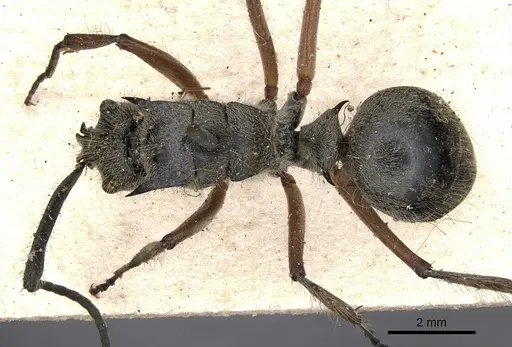
CASENT0906803
Посмотреть на AntWeb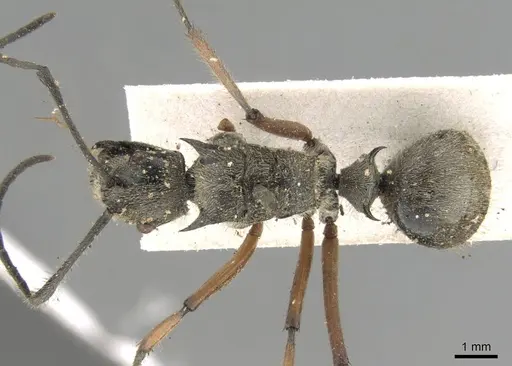
Литература
Загрузка карты распределения...Загрузка товаров...