
Polyrhachis atropos
- Науч. назв.
- Polyrhachis atropos
- Подрод
- Hedomyrma
- Триба
- Camponotini
- Подсемейство
- Formicinae
- Автор
- Smith, 1860
- Распространение
- Встречается в 0 странах
Введение
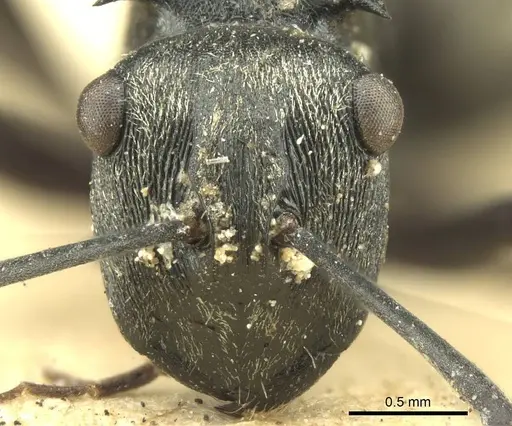
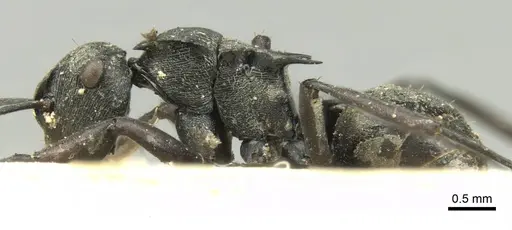
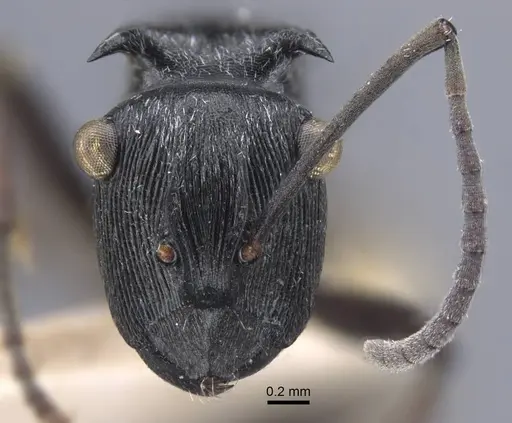
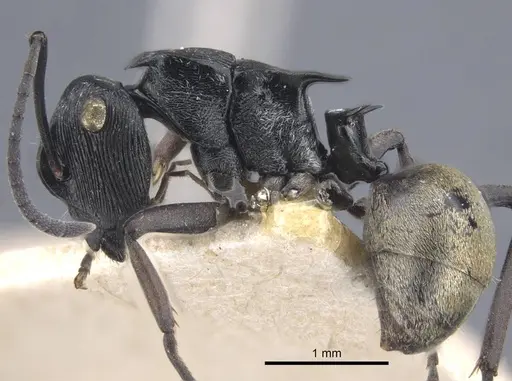
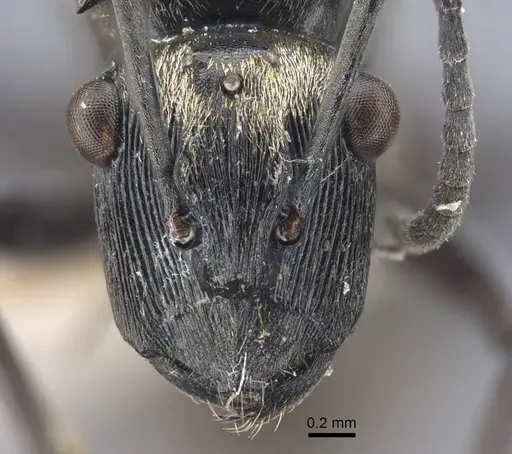
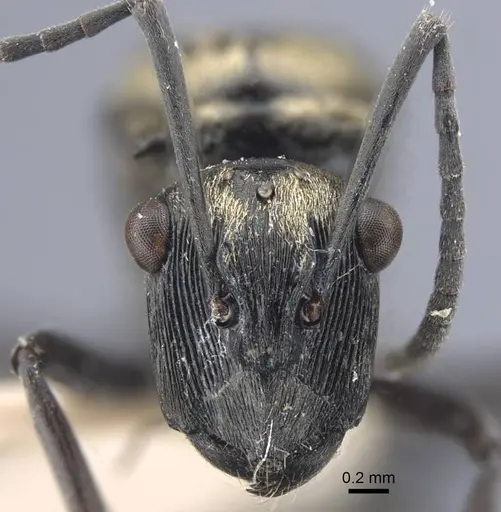
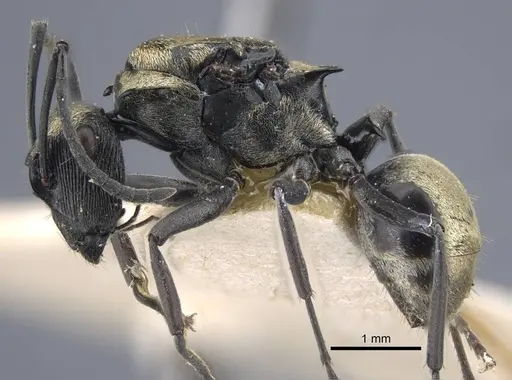
Polyrhachis atropos is a small, spiny ant native to New Guinea, Indonesia, and northern Australia. Workers are approximately 4.2mm and entirely black with longitudinal striations on the head and thorax. They have prominent spines: two acute spines on the metathorax pointing backwards and two curved spines on the petiole wrapping around the abdomen . This species belongs to the subgenus Hedomyrma and is lignicolous, meaning it nests in rotting wood in tropical forests . Unlike most Formicinae ants, Polyrhachis species develop inside pupal cocoons, which provides extra protection . The spines make them harder for predators to handle, and they are not commonly kept but can interest experienced antkeepers .
Quick Summary
- Difficulty: Medium
- Origin & Habitat: Native to New Guinea, Indonesia (including Aru Islands, Gilolo, Morty), and northern Australia, originally described from Dory in New Guinea [1][4]. They are lignicolous, nesting in rotting wood in tropical forests [2][3].
- Colony Type: Colony structure is unconfirmed, specific data on queen number is not available for this species.
- Size & Growth:
- Queen: Size data unavailable, inferred from Polyrhachis genus (~8-12mm)
- Worker: Approximately 4.2mm [1]
- Colony: Unknown for this species [2][3]
- Growth: Moderate, inferred from genus patterns
- Development: Estimated 6-10 weeks based on related Polyrhachis species (Development follows typical Polyrhachis patterns with cocoon stage. Warmer temperatures may speed development.)
- Antkeeping:
- Temperature: Keep warm, roughly low-to-mid 20s°C, inferred from tropical origin
- Humidity: Keep the nest substrate consistently moist but not waterlogged [2][3]
- Diapause: No, tropical species do not require hibernation
- Nesting: Lignicolous, prefer wood-based nests such as rotting wood pieces or moisture-retaining nests like Y-tong or plaster [2][3]
- Behavior: Workers are docile and not aggressive, lacking a sting but using formic acid spray for defense. They are good climbers and may escape if given the opportunity, so escape prevention is important.
- Common Issues: limited availability, this species is rarely available in the antkeeping hobby, making colonies difficult to obtain, specific nesting requirements, they need wood-based or wood-simulating nests, not standard soil setups, humidity management, lignicolous species need careful balance of dampness without flooding, lack of captive care information, scientific literature focuses on taxonomy, not husbandry, temperature sensitivity, as a tropical species, they may struggle in cooler climates without heating
Natural History and Distribution
Polyrhachis atropos was described by Frederick Smith in 1860 from Dory, New Guinea [1]. It is found throughout New Guinea, Indonesia, northern Australia, and New Britain [4][5]. The species is lignicolous, nesting in rotting wood in tropical forests [2][3]. It was once synonymous with P. eucharis, but this was resolved in 1990 [6]. One record shows interception in New Zealand between 1955-2005,indicating occasional human-mediated dispersal [7].
Housing and Nest Preferences
You should provide wood-based nests to mimic their natural lignicolous habitat. Use rotting wood pieces, Y-tong nests, or plaster nests with moisture retention [2][3]. Avoid standard test tube setups unless combined with wood material. Keep the nest humid but not waterlogged. Ensure escape prevention with smooth barriers, as they are good climbers.
Feeding and Diet
You should offer a varied diet: sugar water or honey constantly for energy, and protein like small fruit flies or crickets 2-3 times per week. They are omnivorous and will scavenge or collect honeydew.
Temperature and Seasonal Care
Keep the nest area warm, roughly low-to-mid 20s°C, with a slight gradient. They do not require hibernation, but a minor temperature drop in winter is acceptable. Avoid prolonged temperatures below 20°C.
Behavior and Handling
Workers are docile and not aggressive toward keepers. They lack a sting but use formic acid spray for defense. They move deliberately and are moderately active foragers. Provide vertical space for climbing in the outworld. [1]
Frequently Asked Questions
How long does it take for Polyrhachis atropos to have first workers?
Specific data is unavailable, but based on related species, expect first workers in approximately 6-10 weeks at optimal temperatures.
Can I keep Polyrhachis atropos in a test tube?
A test tube alone is not ideal. You should use a wood-based nest or naturalistic setup with wood pieces [2][3].
What do Polyrhachis atropos eat?
They are omnivorous. Offer sugar water or honey constantly, and protein like small insects 2-3 times per week.
Are Polyrhachis atropos good for beginners?
This species is not ideal for beginners due to specific nesting needs and limited availability. It suits intermediate keepers interested in unusual species.
Do Polyrhachis atropos need hibernation?
No, as a tropical species, they do not require hibernation.
Where is Polyrhachis atropos native to?
They are native to New Guinea, Indonesia, and northern Australia [1][4].
Why are my Polyrhachis atropos dying?
Common causes include temperatures below 20°C, incorrect humidity, lack of wood nesting, or poor nutrition. Ensure a damp wood environment and warm temperatures.
When should I move my colony to a formicarium?
Move them when the colony has around 20-30 workers and the setup is crowded. Ensure the formicarium includes wood pieces for nesting.
Report an Issue
The current care sheet is based fully on literature. See inconsistencies, or something that's incorrect? Please , it will be resolved after review from an admin. Contributing to the blogs tab also helps providing information, to make us be able to further improve the caresheets. Thank you for your support!
References

Эта инструкция по уходу лицензирована по CC BY-SA 4.0 .
Блоги сообщества
CASENT0901840
Посмотреть на AntWeb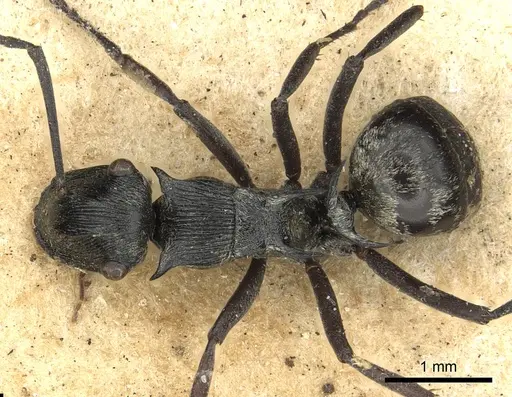
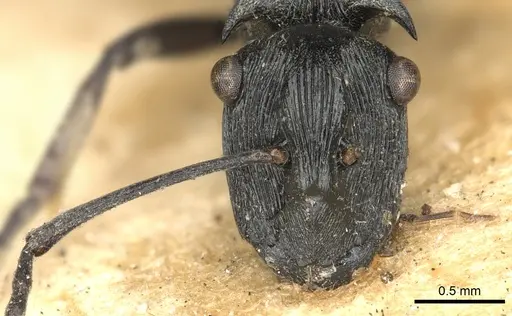
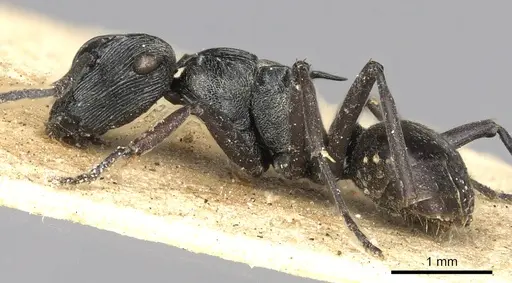
CASENT0906732
Посмотреть на AntWeb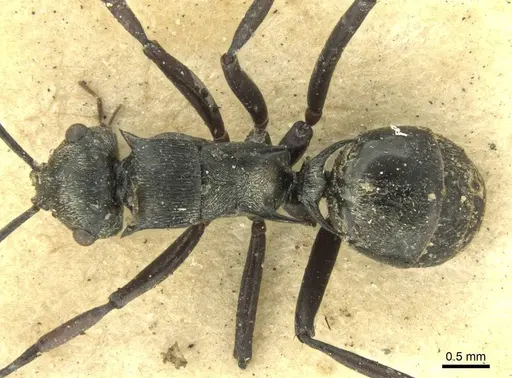
CASENT0917186
Посмотреть на AntWeb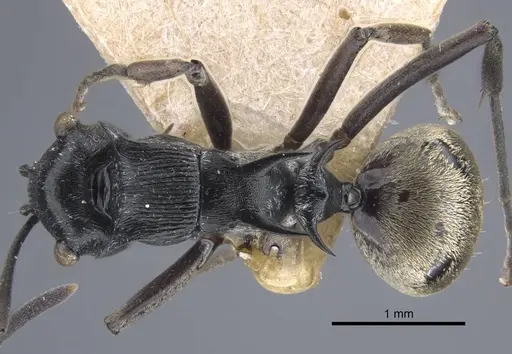
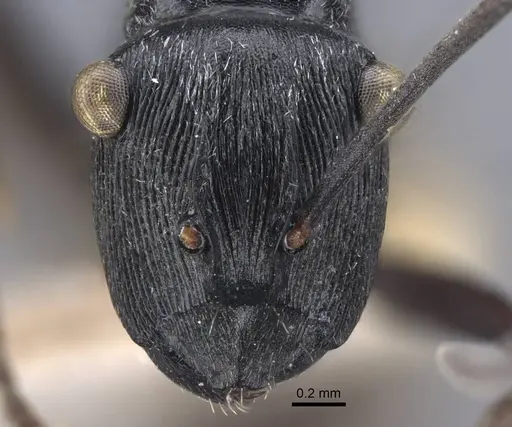
CASENT0917187
Посмотреть на AntWeb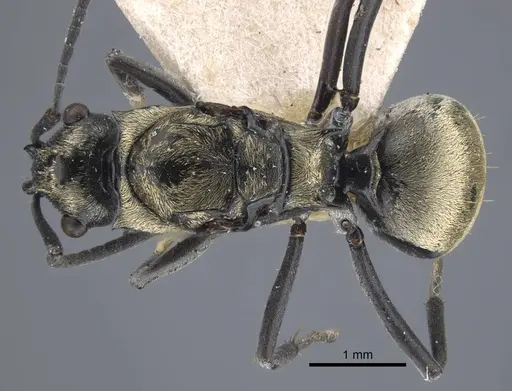
Литература
Загрузка карты распределения...Загрузка товаров...