
Pogonomyrmex maulensis
- Науч. назв.
- Pogonomyrmex maulensis
- Триба
- Pogonomyrmecini
- Подсемейство
- Myrmicinae
- Автор
- Johnson, 2021
- Распространение
- Встречается в 0 странах
Введение
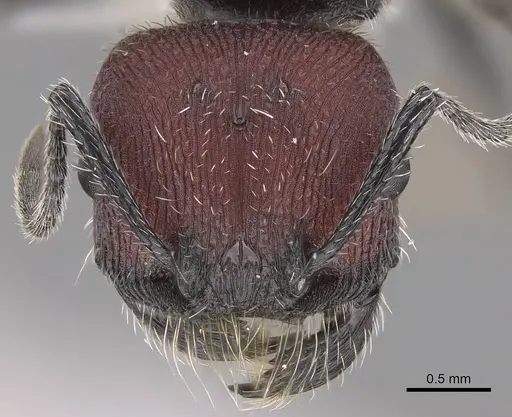
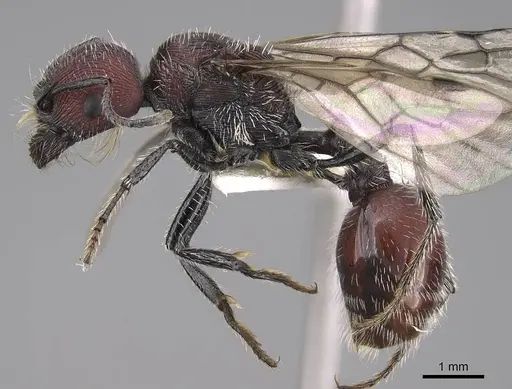
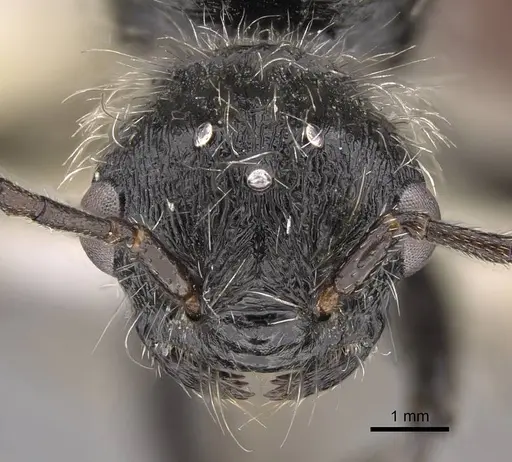
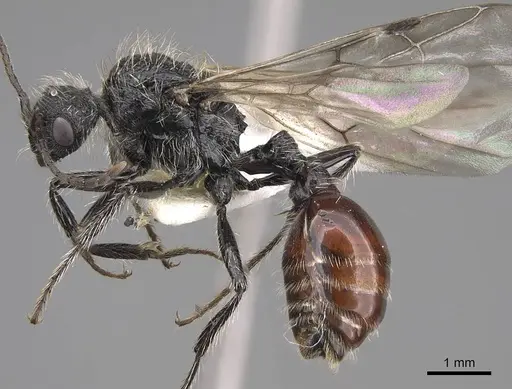
Pogonomyrmex maulensis is a medium-sized seed-harvester ant native to the Andean region of central Chile. Workers have a distinctive coloration with the head and gaster orangish-brown to reddish-brown, while the legs and antennal scapes are nearly black . Body size data is unavailable from the research, but this species inhabits high elevations between 1950 and 2175 meters in the Valdivian temperate forests ecoregion . Colonies can grow substantial, with documented nests containing up to 3000 workers . A mating flight was observed in mid-afternoon on March 3rd, which is late summer in the southern hemisphere .
Quick Summary
- Difficulty: Medium
- Origin & Habitat: Central Chile (Maule region, Talca Province) at elevations of 1950-2175m in the Valdivian temperate forests ecoregion [1].
- Colony Type: Unconfirmed, the research does not specify queen number, but based on Pogonomyrmex genus patterns, likely monogyne.
- Size & Growth:
- Queen: Size data unavailable, body length measurements not provided in research.
- Worker: Size data unavailable, body length measurements not provided in research.
- Colony: Up to 3000 workers [1]
- Growth: Moderate, inferred from genus patterns
- Development: Estimated 6-10 weeks based on typical Pogonomyrmex development patterns (Development time inferred from genus-level data, specific measurements unavailable for this species)
- Antkeeping:
- Temperature: Keep at roughly 20-26°C with a gradient. Based on high-elevation habitat, they prefer cooler conditions.
- Humidity: Keep substrate moderately moist but allow drying between waterings. Provide a water tube but avoid waterlogging.
- Diapause: Yes, likely requires winter diapause of 2-3 months at 10-15°C, based on high-elevation origin.
- Nesting: Y-tong (AAC) nests work well. Provide a connection to an outworld for foraging.
- Behavior: These ants are defensive and will sting if threatened, characteristic of the Pogonomyrmex genus. Escape risk is moderate due to their size.
- Common Issues: stinging, Pogonomyrmex ants have painful stings and may attack if the nest is disturbed., colonies can reach up to 3000 workers requiring larger setups as they mature [1]., high-elevation origin means they may not tolerate prolonged heat., seed-harvesting behavior requires proper substrate or feeding dishes to prevent mold from scattered seeds., winter dormancy is likely required and must be managed properly to avoid colony losses.
Nest Preferences and Housing
Pogonomyrmex maulensis does well in standard formicarium setups. Y-tong (AAC) nests are ideal because they provide the dark, moderately humid chambers these ants prefer. The key is matching chamber size to the colony, start with smaller chambers when the colony is small and expand as it grows. Since colonies can reach up to 3000 workers, plan for a spacious setup by the time the colony matures. Connect the nest to an outworld using tubing, and ensure the outworld has a secure lid as these ants can climb smooth surfaces reasonably well. A thin layer of substrate in the outworld allows them to engage in natural seed-harvesting behavior. [1]
Feeding and Diet
As seed-harvesters, Pogonomyrmex maulensis collects and stores seeds as their primary food source [1]. In captivity, offer a variety of small seeds, millet, sesame, and cracked sunflower seeds work well. They will crack seeds open and consume the nutritious insides. However, they also benefit from protein supplementation. Offer small insects like fruit flies, small crickets, or mealworms periodically. Sugar water or honey can be offered occasionally but is not a primary dietary need for this granivorous species. Remove uneaten seeds and insects promptly to prevent mold, which can be harmful to the colony.
Temperature and Seasonal Care
This species comes from high elevations (1950-2175m) in the Chilean Andes, so they prefer cooler conditions than many other Pogonomyrmex species [1]. Keep the nest area at roughly 20-26°C, with room temperature typically being suitable. Avoid prolonged exposure to temperatures above 30°C. A heating cable on one side of the nest can create a temperature gradient, allowing workers to choose their preferred zone. During winter, provide a diapause period of 2-3 months at 10-15°C. This mimics their natural seasonal cycle in the temperate Andean region. Reduce feeding during diapause and keep the nest slightly cooler but not cold.
Behavior and Defense
Pogonomyrmex maulensis has a functional stinger and will use it when defending the nest. Their sting is painful, this is characteristic of the Pogonomyrmex genus. When working with this species, move slowly and avoid vibrations or sudden disturbances near the nest. If the colony feels threatened, they may swarm in defense. Use appropriate escape prevention like fluon barriers on the rim of the outworld. Workers are active foragers, primarily during cooler parts of the day in captivity, this matches their high-elevation origin where temperatures are moderate.
Frequently Asked Questions
How long does it take for Pogonomyrmex maulensis to produce first workers?
Based on typical Pogonomyrmex development, expect first workers approximately 6-10 weeks after the queen lays eggs, assuming temperatures around 24-26°C. The exact timeline for this specific species has not been documented, so monitor your colony and adjust temperature if development seems slow.
What do Pogonomyrmex maulensis eat?
They are primarily seed-harvesters. Offer small seeds like millet, sesame, or cracked sunflower seeds. Supplement with small insects like fruit flies or small mealworms for protein. Remove uneaten food promptly to prevent mold [1].
Do Pogonomyrmex maulensis need hibernation?
Yes, they likely require a winter diapause period of 2-3 months at 10-15°C, reflecting their high-elevation Andean habitat in central Chile. Reduce feeding during this period and keep temperatures stable.
How big do Pogonomyrmex maulensis colonies get?
Colonies can reach up to 3000 workers at maturity [1]. This is a substantial colony size requiring a correspondingly large formicarium setup as they grow.
Are Pogonomyrmex maulensis good for beginners?
They are rated as medium difficulty. While not as challenging as some exotic species, their stinging ability and specific temperature needs (preferring cooler conditions) make them better suited for antkeepers with some experience. Their large colony size and potential need for hibernation also require planning.
Can I keep multiple Pogonomyrmex maulensis queens together?
Pogonomyrmex maulensis is likely monogyne (single queen). Combining unrelated queens is not recommended as they typically establish single-queen colonies. If you acquire a wild colony, it will likely have just one functional queen.
What temperature is best for Pogonomyrmex maulensis?
Keep them at roughly 20-26°C, avoiding prolonged heat above 30°C. Their high-elevation Chilean origin means they prefer cooler conditions than typical desert-dwelling Pogonomyrmex. Room temperature is often ideal.
When do Pogonomyrmex maulensis have nuptial flights?
A mating flight was observed on March 3rd in the wild [1]. This is late summer/early fall in the southern hemisphere (Chile). If keeping this species in the northern hemisphere, timing may differ based on local conditions.
What size formicarium do I need for Pogonomyrmex maulensis?
Start with a small to medium nest setup and be prepared to upgrade as the colony grows to up to 3000 workers. Y-tong nests with multiple chambers work well. Ensure the outworld is spacious enough for foraging and seed storage.
Report an Issue
The current care sheet is based fully on literature. See inconsistencies, or something that's incorrect? Please , it will be resolved after review from an admin. Contributing to the blogs tab also helps providing information, to make us be able to further improve the caresheets. Thank you for your support!
References

Эта инструкция по уходу лицензирована по CC BY-SA 4.0 .
Блоги сообщества
CASENT0914363
Посмотреть на AntWeb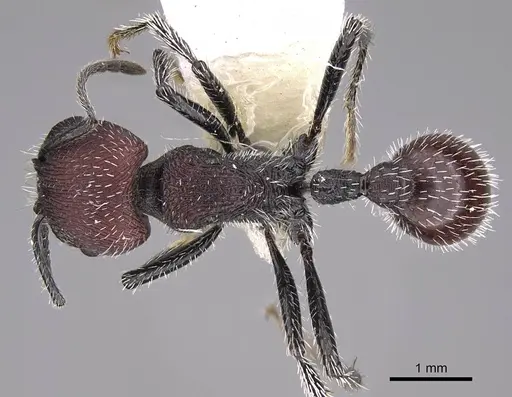
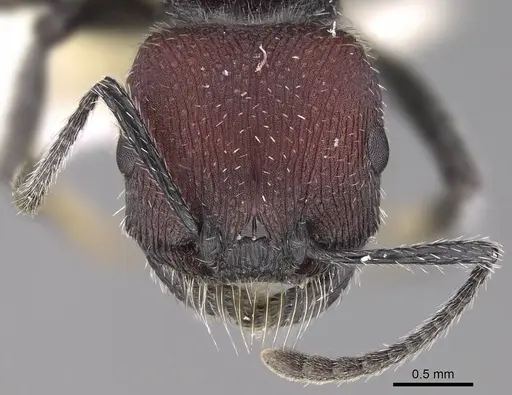
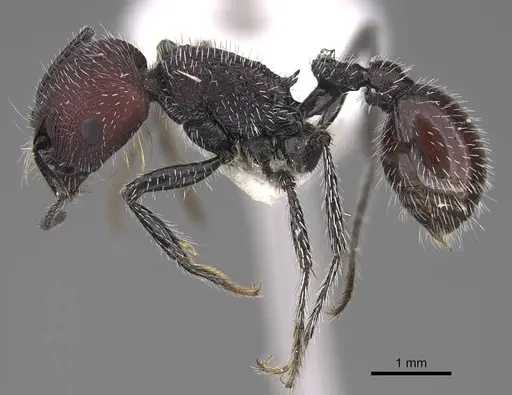
CASENT0914365
Посмотреть на AntWeb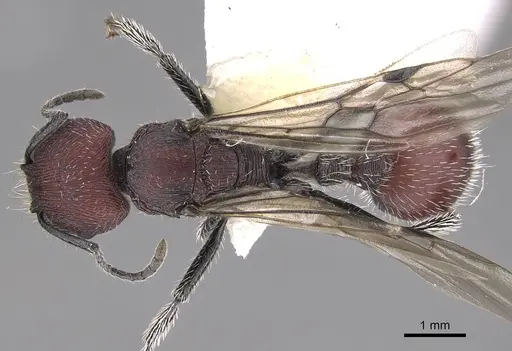
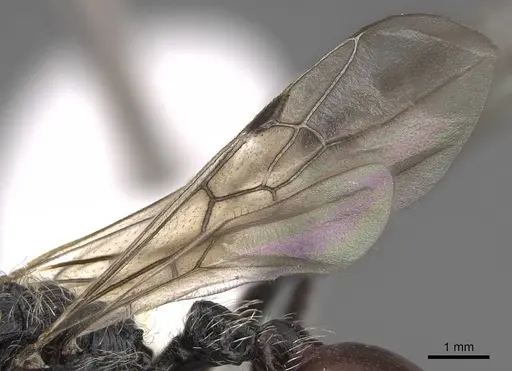
CASENT0914366
Посмотреть на AntWeb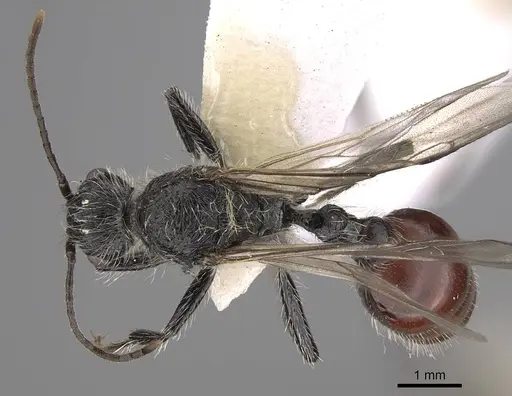
Литература
Загрузка карты распределения...Загрузка товаров...