
Pogonomyrmex colca
- Науч. назв.
- Pogonomyrmex colca
- Триба
- Pogonomyrmecini
- Подсемейство
- Myrmicinae
- Автор
- Johnson, 2021
- Распространение
- Встречается в 0 странах
Введение
Pogonomyrmex colca is a small seed-harvester ant described in 2021 from high-altitude Peru. It is only known from the type locality at 3425 m in Caylloma Province, Peruvian Yungas cloud forest . Full body size data is unavailable, but workers are likely small based on Pogonomyrmex genus patterns . This species is notable for being recently described and restricted to a single location in the Andes mountains .
Quick Summary
- Difficulty: Medium
- Origin & Habitat: Peru, Caylloma Province at 3425 m elevation in the Yungas cloud forest ecoregion [1]. This is a high-altitude, cool environment in the Andes.
- Colony Type: Based on Pogonomyrmex patterns, likely monogyne (single-queen colonies) [2].
- Size & Growth:
- Queen: Size data unavailable, inferred from Pogonomyrmex genus patterns [2].
- Worker: Size data unavailable, inferred from Pogonomyrmex genus patterns [2].
- Colony: Unknown, no data available [1].
- Growth: Unknown, no data available.
- Development: Unknown, no data available for P. colca. (Development time may vary based on temperature and conditions.)
- Antkeeping:
- Temperature: Keep cool, around 18-22°C, based on high-altitude origin. Avoid temperatures above 25°C.
- Humidity: Keep nest substrate consistently moist but not waterlogged, based on cloud forest habitat.
- Diapause: Unknown, no data available. Based on high-altitude temperate climate, winter diapause may be required, but unconfirmed.
- Nesting: Y-tong (AAC) or plaster nests work well, based on genus patterns [2]. Provide a humidity gradient.
- Behavior: Pogonomyrmex ants are seed-harvesters and have a stinger [2]. Workers are active foragers. Escape risk is moderate due to small size.
- Common Issues: overheating can be fatal due to cool temperature requirements, humidity fluctuations may stress the colony, winter dormancy may be needed but is unconfirmed, small size increases escape risk without proper barriers, limited data makes care less predictable
Housing and Nest Setup
Pogonomyrmex colca does well in Y-tong (AAC) nests or plaster formicariums that can hold moisture [2]. The key requirement is keeping them cool, their high-altitude origin means overheating is a serious risk. Avoid placing their nest in direct sunlight or near heat sources. A test tube setup works fine for founding colonies. For established colonies, provide a shallow outworld where foragers can search for seeds and protein. Use a standard escape barrier like fluon on the rim of the outworld [2].
Feeding and Diet
As seed-harvesters, these ants primarily collect and store seeds [2]. Offer a variety of small seeds, grass seeds, millet, and commercial ant seeds work well. They also need protein, so offer small insects like fruit flies, small mealworms, or cricket pieces once or twice a week. Remove uneaten seeds and prey to prevent mold. Sugar water or honey can be offered occasionally but seeds should form the bulk of their diet [2].
Temperature and Seasonal Care
This is critical for keeping P. colca. They come from 3425 m elevation in the Peruvian Andes, where temperatures are cool year-round [1]. Keep the nest area at 18-22°C, never let it exceed 25°C. A slight temperature gradient allows workers to regulate their body temperature. In winter, reduce temperatures to 10-15°C for 2-3 months to simulate their natural seasonal cycle, but this is unconfirmed.
Humidity Requirements
The Yungas cloud forest is a humid environment, so these ants need consistent moisture [1]. Keep the nest substrate damp but not waterlogged. In a Y-tong or plaster nest, check water reservoirs weekly and refill as needed. In test tube setups, ensure the water chamber is adequate but not so large that flooding becomes a risk. A humidity gradient lets ants choose their preferred zone.
Behavior and Handling
Pogonomyrmex ants have a stinger and will use it if they feel threatened [2]. Their sting is painful, so handle with care, avoid disturbing the nest unnecessarily. Workers are active foragers that search for seeds and small prey. They are not aggressive toward humans unless provoked, but will defend their nest vigorously. Their small size means they can escape through tiny gaps, so check your barriers regularly [2].
Frequently Asked Questions
How long does it take for Pogonomyrmex colca to produce first workers?
Unknown, no specific data available for P. colca. Based on related Pogonomyrmex species, development may take 6-10 weeks, but this is unconfirmed [2].
What temperature do Pogonomyrmex colca ants need?
Keep them cool at 18-22°C, based on their high-altitude origin. Never let temperatures exceed 25°C.
Do Pogonomyrmex colca ants need hibernation?
Unknown, no data available. Based on high-altitude temperate climate, winter diapause may be required, but unconfirmed.
What do Pogonomyrmex colca ants eat?
They are seed-harvesters, offer small seeds as their primary food [2]. Also provide protein sources like small insects or mealworms twice weekly. Occasional sugar water or honey is accepted [2].
Are Pogonomyrmex colca ants good for beginners?
This species is rated Medium difficulty. Their cool temperature requirements are specific and may be challenging to maintain. They are also a recently described species with limited captive data, making them less predictable than established species [1].
How big do Pogonomyrmex colca colonies get?
Colony size is unknown, no data available [1].
Can I keep multiple Pogonomyrmex colca queens together?
Not recommended. Pogonomyrmex are typically single-queen colonies [2]. Combining unrelated queens has not been studied for this species and risks fatal aggression.
When should I move Pogonomyrmex colca to a formicarium?
Move from test tube to a proper nest once the colony shows signs of space limitations, but specific timing is unknown due to limited data.
Why is my Pogonomyrmex colca colony dying?
The most likely causes are overheating (temperatures above 25°C), too low humidity, or unconfirmed diapause needs. Check your temperature control first.
Report an Issue
The current care sheet is based fully on literature. See inconsistencies, or something that's incorrect? Please , it will be resolved after review from an admin. Contributing to the blogs tab also helps providing information, to make us be able to further improve the caresheets. Thank you for your support!
References

Эта инструкция по уходу лицензирована по CC BY-SA 4.0 .
Блоги сообщества
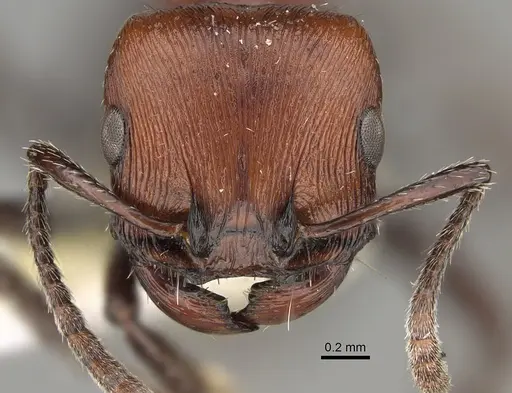
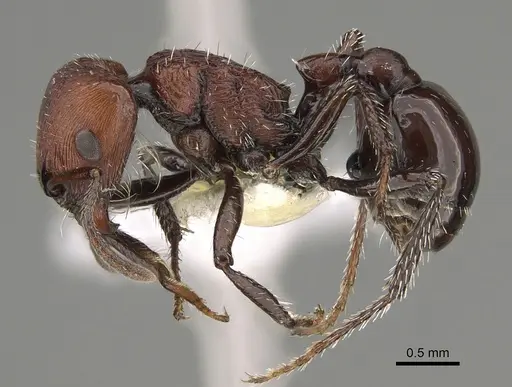
CASENT0923342
Посмотреть на AntWeb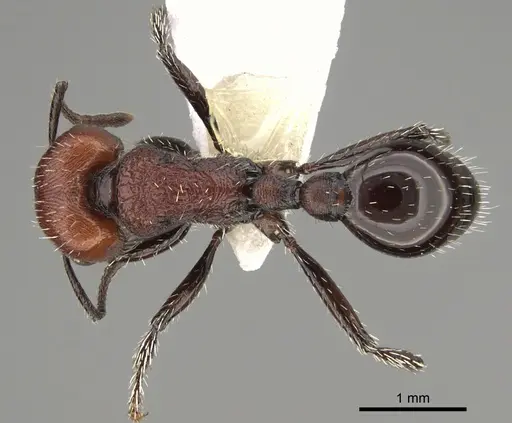
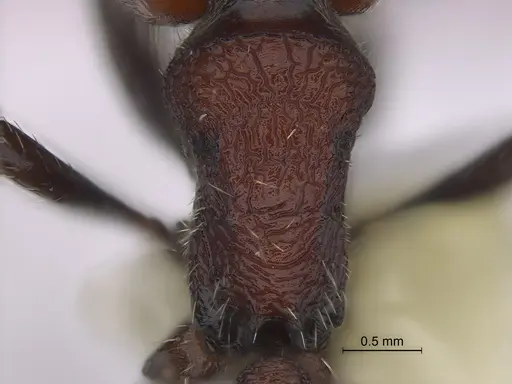
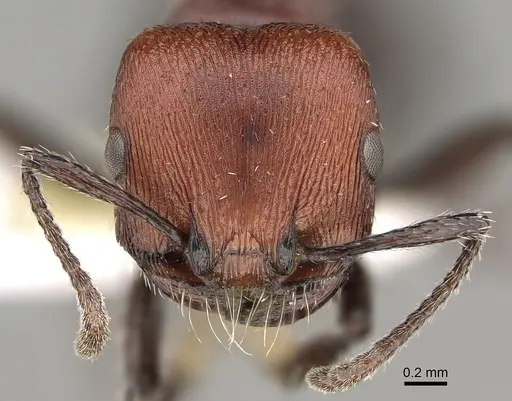
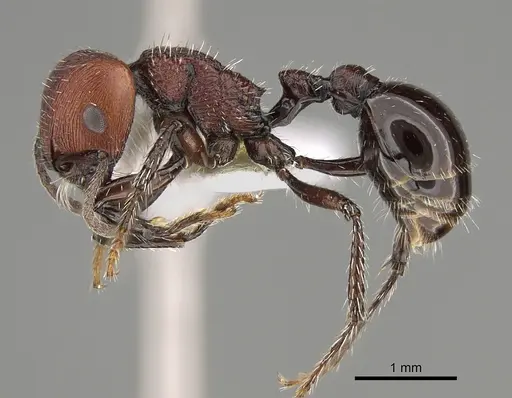
CASENT0923343
Посмотреть на AntWeb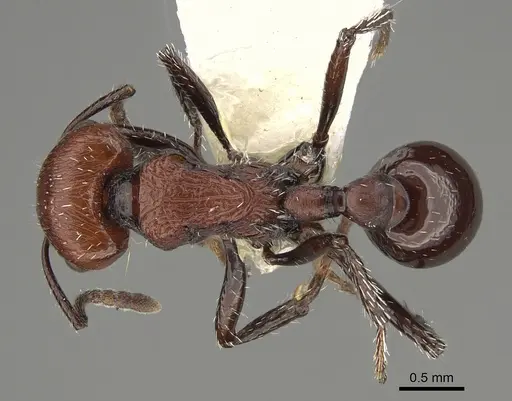
Литература
Загрузка карты распределения...Загрузка товаров...