
Plagiolepis regis
- Науч. назв.
- Plagiolepis regis
- Триба
- Plagiolepidini
- Подсемейство
- Formicinae
- Автор
- Karavaiev, 1931
- Распространение
- Встречается в 0 странах
Введение
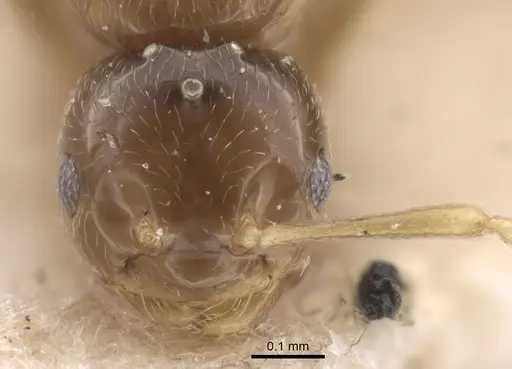
Plagiolepis regis is a small ant species from the Formicinae subfamily, described from Kazakhstan in 1931. Worker size is approximately 1.5-2.5 mm and queen size approximately 4-5 mm, inferred from Plagiolepis genus patterns . The species is known from Kazakhstan (type locality), Azerbaijan, and Dagestan in Russia . The species has uncertain social biology; it has been suggested as a potential social parasite due to similarity to Plagiolepis ampeloni, but unlike that species, P. regis has a worker caste, leaving its parasitic status unclear .
Quick Summary
- Difficulty: Expert
- Origin & Habitat: Palaearctic region, recorded from Kazakhstan, Azerbaijan, and Dagestan (Russia). Habitat preferences are not documented [2][3].
- Colony Type: Unconfirmed, colony structure has not been studied. The uncertain parasitic status means we do not know if this species can found colonies independently.
- Size & Growth:
- Queen: Approximately 4-5 mm, inferred from Plagiolepis genus patterns [1].
- Worker: Approximately 1.5-2.5 mm, inferred from Plagiolepis genus patterns [1].
- Colony: Unknown, no colony size data available.
- Growth: Unknown
- Development: Estimated 4-6 weeks, inferred from typical Plagiolepis development [1]. (Development timeline is inferred from genus-level data.)
- Antkeeping:
- Temperature: Start around 20-24°C and observe colony activity. No specific thermal studies exist for this species [1].
- Humidity: No specific humidity data available. Plagiolepis species typically prefer moderate conditions, avoid both excessive dampness and dryness [1].
- Diapause: Unknown, no documented overwintering requirements. Based on temperate distribution, some form of winter rest is likely but unconfirmed [1].
- Nesting: Natural nesting preferences are undocumented. Most Plagiolepis species nest in soil under stones or in small cavities. A small test tube setup or Y-tong nest with narrow chambers would be appropriate given their tiny size [1].
- Behavior: Behavior is not documented in available literature. As a Plagiolepis species, they are likely relatively docile and not aggressive. Their tiny size means excellent escape prevention is critical. The uncertain parasitic status means their founding behavior and colony dynamics are unclear [1]. This species is listed as Vulnerable on the IUCN Red List, so it should not be released and ethical sourcing is important [4].
- Common Issues: this species has almost no documented care information, keeping it successfully would require experimental approach [1]., escape prevention is critical due to their very small size [1]., the uncertain parasitic status means we don't know if standard founding methods will work [1]., no confirmed diet information, related species typically eat honeydew and small insects [1]., this species is listed as Vulnerable on the IUCN Red List, so it should not be released and ethical sourcing is a concern [4].
Taxonomic History and Nomenclature
Plagiolepis regis was originally described by Karavaiev in 1931 from Kazakhstan as Plagiolepis (Plagiolepis) regis [1]. The species was later moved to the genus Aporomyrmex by Faber in 1969,but was returned to Plagiolepis by Dlussky and Zabelin in 1985 [1]. This taxonomic shuffling reflects historical confusion around its placement.
The Social Parasite Question
Plagiolepis regis has been considered a potential social parasite based on morphological similarity to Plagiolepis ampeloni, a known workerless inquiline [1]. However, P. regis differs in having a worker caste, suggesting it may be free-living, but this remains unconfirmed until nests are examined [1].
Distribution and Conservation Status
Plagiolepis regis has a limited distribution in the Palaearctic region, recorded from Kazakhstan (type locality), Azerbaijan, and Dagestan in Russia [2][3]. It is listed as Vulnerable (VU) on the IUCN Red List [4]. This vulnerable status means wild-caught colonies should be approached with caution, and established captive colonies should not be released.
Keeping Plagiolepis regis - A Note of Caution
This species has no documented captive care, and its parasitic status is unresolved. If obtained, expect an experimental approach. Start with standard Plagiolepis care: small test tube nests, moderate temperature around 22°C, and offer sugar water and small protein sources. Document everything carefully. Do not release this species due to its vulnerable status and uncertain ecological role [1][4].
Frequently Asked Questions
Can I keep Plagiolepis regis as a pet ant?
We cannot recommend this species for captive keeping due to almost no documented information and uncertain parasitic status. If obtained, expect an experimental approach with uncertain results [1].
Is Plagiolepis regis a social parasite?
It might be, but it is unconfirmed. The species resembles a known workerless inquiline but has workers, so it could be free-living or parasitic. Actual nest examinations are needed to confirm [1].
What does Plagiolepis regis eat?
This is unstudied. Related Plagiolepis species typically feed on honeydew and small insects. Offer sugar water and protein sources like fruit flies, but acceptance is unconfirmed [1].
How big do Plagiolepis regis colonies get?
Unknown, no colony size data exists for this species [1].
Where does Plagiolepis regis live?
The species is known from Kazakhstan, Azerbaijan, and Dagestan in Russia, in the Palaearctic region [2][3].
What temperature should I keep Plagiolepis regis at?
No specific temperature data exists. Aim for roughly 20-24°C based on related species and temperate distribution, and observe colony behavior [1].
How long does it take for Plagiolepis regis to develop from egg to worker?
Unstudied for this species. Estimate 4-6 weeks at optimal temperature, inferred from typical Plagiolepis development [1].
Is Plagiolepis regis good for beginners?
No. This species has no documented care information and may require a host ant species to survive. Even basic biology is unknown [1].
Report an Issue
The current care sheet is based fully on literature. See inconsistencies, or something that's incorrect? Please , it will be resolved after review from an admin. Contributing to the blogs tab also helps providing information, to make us be able to further improve the caresheets. Thank you for your support!
References

Эта инструкция по уходу лицензирована по CC BY-SA 4.0 .
Блоги сообщества
CASENT0917316
Посмотреть на AntWeb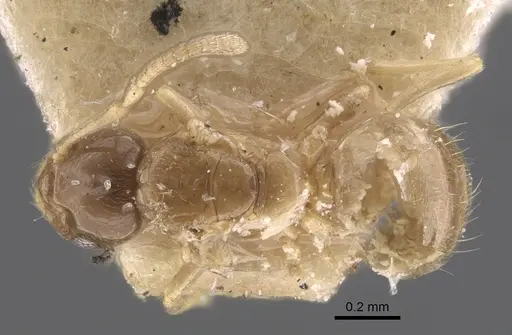
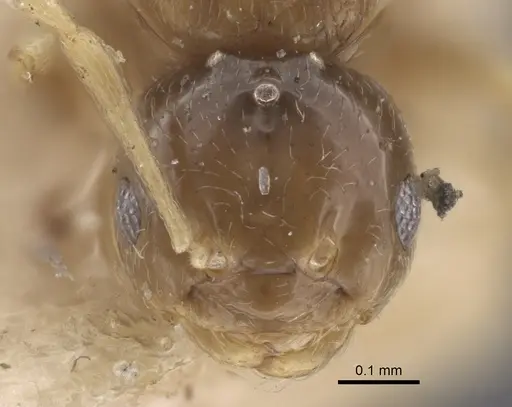
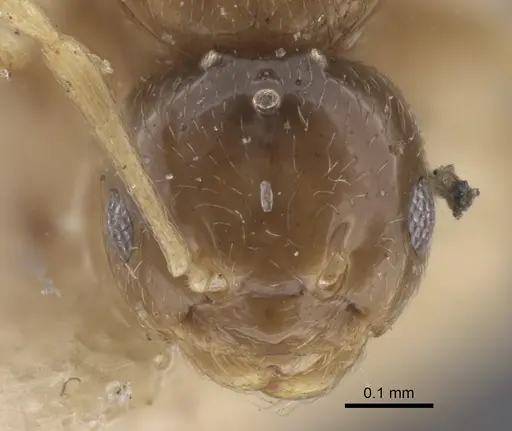
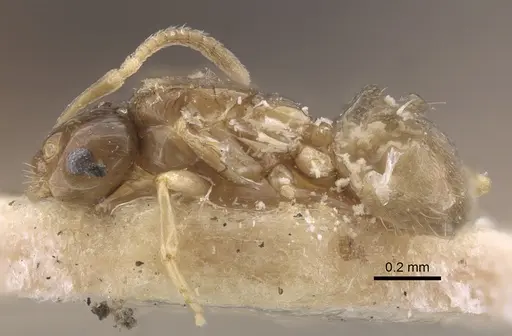
CASENT0917317
Посмотреть на AntWeb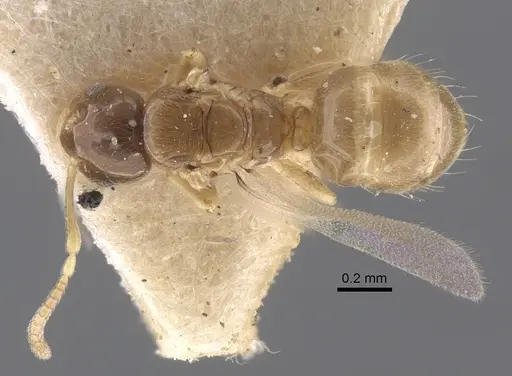
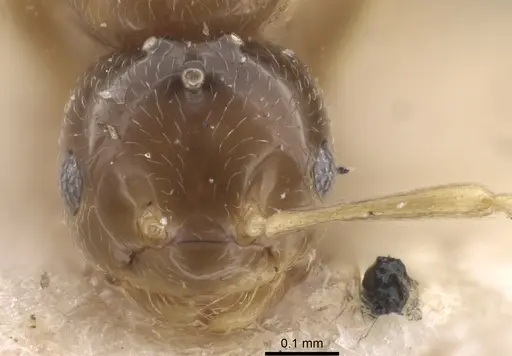
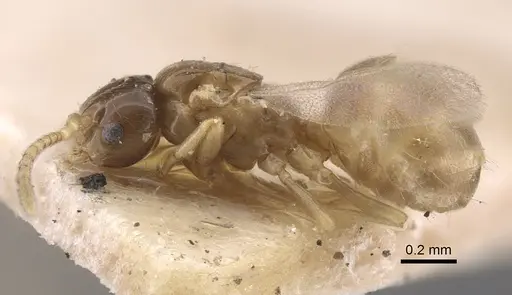
CASENT0917318
Посмотреть на AntWeb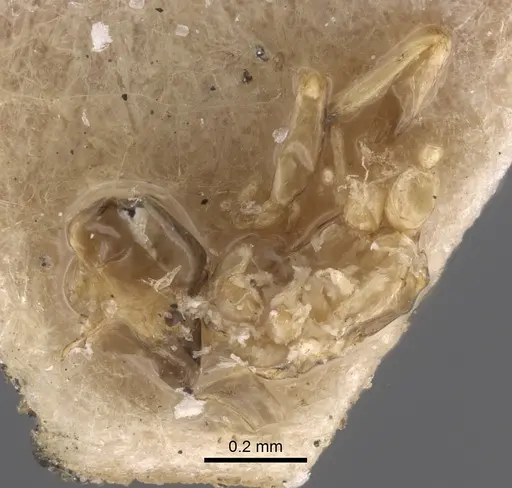
Литература
Загрузка карты распределения...Загрузка товаров...