
Paratrachymyrmex carib
- Науч. назв.
- Paratrachymyrmex carib
- Триба
- Attini
- Подсемейство
- Myrmicinae
- Автор
- Weber, 1945
- Распространение
- Встречается в 0 странах
Введение
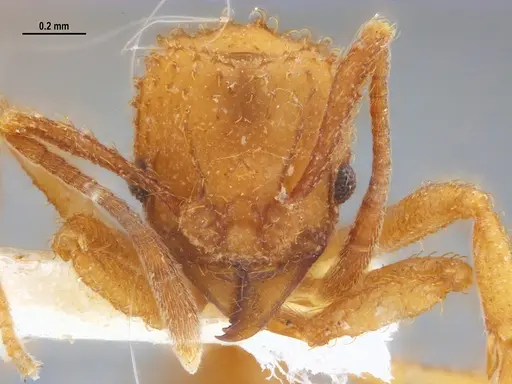
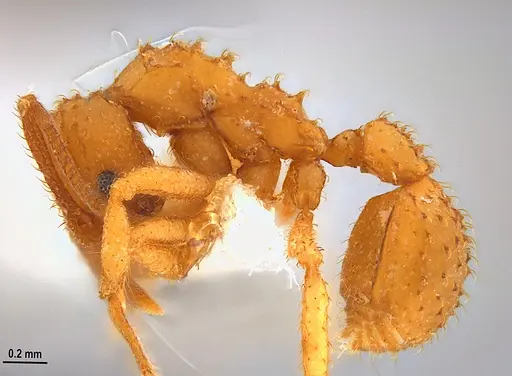
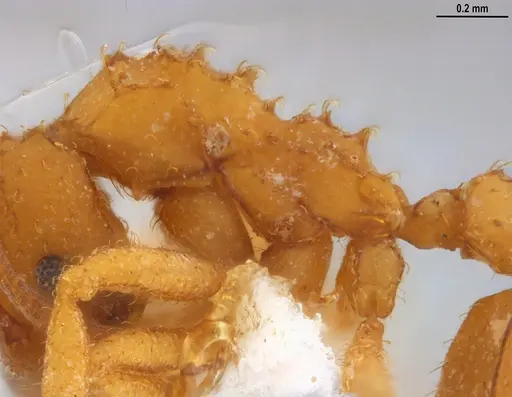
Paratrachymyrmex carib is a fungus-growing ant in the tribe Attini. It was originally described from Trinidad and Tobago, with additional records from Panama (Barro Colorado Island) and northern Brazil (Pará state), making it one of the more widely reported species in the genus. It is one of nine described species in Paratrachymyrmex. As a higher attine ant, it likely cultivates a specialized fungal cultivar as its primary food source, though specific biological details for this species remain unstudied .
Quick Summary
- Difficulty: Medium
- Origin & Habitat: Native to Trinidad and Tobago, with records from Panama and Brazil. Presumably inhabits tropical forests, but specific habitat preferences are undocumented [1][2][3][4].
- Colony Type: Unconfirmed, no studies on social structure are available.
- Size & Growth:
- Queen: Unknown, no measurements recorded.
- Worker: Unknown, no measurements recorded.
- Colony: Unknown, no data on colony size exists.
- Growth: Unknown, no specific data.
- Development: Unknown, no documented timeline. (No specific data available for this species.)
- Antkeeping:
- Temperature: Unknown, based on tropical distribution, likely requires warm conditions (around 24-28°C) [4]. A stable, warm setup is advised, but optimal ranges are unconfirmed.
- Humidity: Unknown, given its fungus‑growing nature, high humidity (substrate kept consistently moist but not waterlogged) is probably needed [1]. Specific targets are unknown.
- Diapause: No, as a tropical species it does not require hibernation [4].
- Nesting: Unknown, likely nests in soil or decaying wood, needing a chamber to accommodate a fungal garden [1]. Y‑tong (AAC) or plaster nests with good moisture retention are a reasonable guess, but no tested design exists for this species.
- Behavior: Unknown, no direct observations are recorded. As an attine ant, it is probably docile and non‑aggressive. It possesses a functional sting (typical of Myrmicinae) but no medical significance is known.
- Common Issues: fungal garden death due to improper humidity or temperature, the colony depends entirely on the fungus for food., mold or pathogen contamination of the fungal cultivar causing colony collapse., difficulty establishing a colony without a viable fungal starter, queens require a piece of fungus to initiate the garden.
Taxonomy and Distribution
Paratrachymyrmex carib was originally described as Paratrachymyrmex carib by Weber in 1945 based on workers from Trinidad. It was later moved to the genus Paratrachymyrmex by Solomon et al. in 2019. The type locality is Trinidad and Tobago, but a syntype worker in the MZSP comes from Panama (Barro Colorado Island), indicating a wider distribution. More recently, it has been recorded in Brazil (Pará state), confirming its presence in northern South America. The genus Paratrachymyrmex contains only nine described species [1][2][4][3][5].
Fungal Cultivation (General)
As a member of the tribe Attini, Paratrachymyrmex carib is presumed to practice fungus‑growing agriculture. In all studied Attini, the queen carries a small plug of the symbiotic fungus in her infrabuccal pocket when she founds a new colony. The fungus is the colony’s sole food source, the ants provide it with organic matter (e.g., leaf fragments, caterpillar frass) and protect it from competitors. If the fungus dies, the colony cannot survive. However, no specific details on the fungal cultivar or cultivation behavior of this species have been published [1].
Care Requirements (General)
Because no captive‑rearing data for Paratrachymyrmex carib exists, care suggestions must be inferred from related Attini. Tropical temperatures (24-28°C) and high humidity are likely essential. The nest should provide a dark, moist chamber where the fungal garden can grow. Y‑tong (AAC) or plaster nests with a water reservoir are common for fungus‑growers. Ventilation must balance moisture retention with fresh air to prevent mold. A heating cable on the nest can help stabilize temperatures. Avoid acrylic nests, as they tend to be too dry. Regular misting may be needed, but waterlogging should be avoided [1][4].
Challenges in Captivity
The main difficulty in keeping this species is maintaining a healthy fungal garden. The fungus requires stable moisture and temperature, and can be killed by contamination (e.g., mould from over‑fertilized substrate or poor ventilation). Even with proper physical conditions, the colony may starve if the fungal cultivar is lost. In addition, the founding stage is critical: the queen must carry a viable piece of fungus to start the garden, without it, the colony cannot develop. Because Paratrachymyrmex carib is little‑studied, keepers should be prepared for trial‑and‑error and have backup plans (e.g., spare fungal cultures from other Attini). There is no evidence that this species is invasive or protected.
Frequently Asked Questions
What do Paratrachymyrmex carib ants eat?
As a fungus‑growing ant, P. carib almost certainly feeds on a symbiotic fungus, but the specific diet is undocumented. In captivity, you would need to provide organic matter that the ants can feed to the fungus, typical materials include chopped leaves, pollen, or specialized fungal‑growing medium. Standard ant foods (sugar water, insects) are not sufficient [1].
How difficult are Paratrachymyrmex carib to keep?
Medium difficulty, mainly because the colony depends on a living fungus that requires stable, high‑humidity conditions. The lack of published husbandry data makes this species more challenging than common ants. Beginners should gain experience with easier fungus‑growers (e.g., Trachymyrmex species) first.
What temperature do Paratrachymyrmex carib need?
Likely 24-28°C based on its tropical distribution, but no precise data exist. Use a heating mat regulated by a thermostat to avoid overheating or desiccating the nest [4].
Do Paratrachymyrmex carib need hibernation?
No, as a tropical species it does not require hibernation. Keep temperatures stable year‑round [4].
How long does it take for first workers to emerge?
Unknown, no data exists for this species. In related Attini, the first workers appear after 6-12 weeks, but inference is limited.
What size colony do Paratrachymyrmex carib reach?
Unknown, no measurements have been recorded. Related Paratrachymyrmex often have colonies of a few hundred workers, but this is speculation.
Can I keep multiple queens together?
Unknown, there is no information on polygyny for this species. Do not assume multiple queens can be kept, separate queens should be housed individually to avoid conflict.
What nest type is best for Paratrachymyrmex carib?
No specific nest type has been tested. Based on related fungus‑growers, Y‑tong (AAC) or plaster nests with good moisture retention are recommended. The nest must include a chamber for the fungal garden and maintain high humidity. Avoid dry setups [1].
Why is my fungus‑growing ant colony dying?
The most common cause is loss of the fungal garden, due to low humidity, temperature stress, or contamination by competing fungi. Even if the ants are alive, they will starve without a healthy fungus. Ensure stable conditions and good hygiene.
Report an Issue
The current care sheet is based fully on literature. See inconsistencies, or something that's incorrect? Please , it will be resolved after review from an admin. Contributing to the blogs tab also helps providing information, to make us be able to further improve the caresheets. Thank you for your support!
References

Эта инструкция по уходу лицензирована по CC BY-SA 4.0 .
Блоги сообщества
MZSPHYM0127510
Посмотреть на AntWeb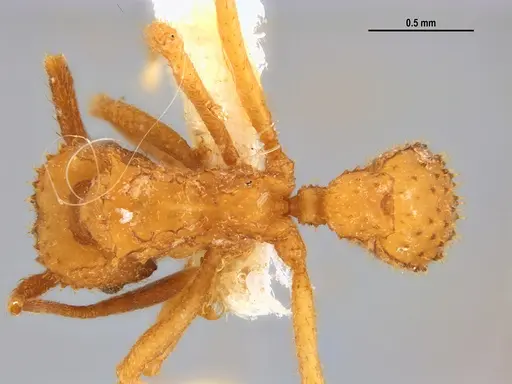
Литература
Загрузка карты распределения...Загрузка товаров...