
Odontomachus procerus
- Науч. назв.
- Odontomachus procerus
- Триба
- Ponerini
- Подсемейство
- Ponerinae
- Автор
- Emery, 1893
- Распространение
- Встречается в 1 странах
Введение
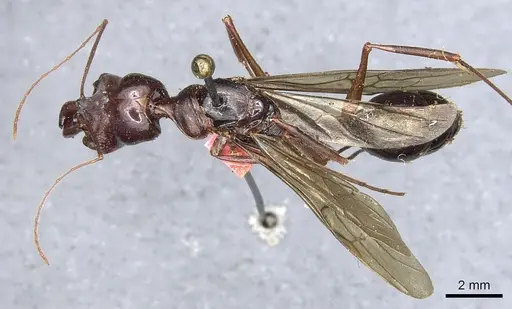
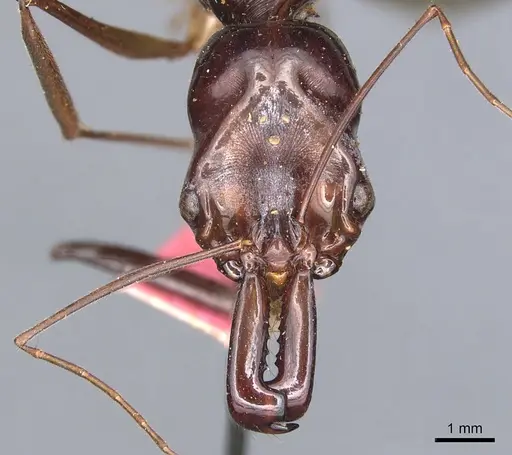
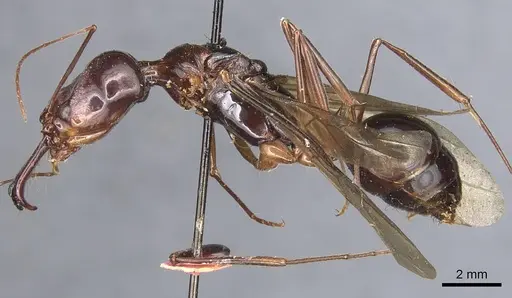
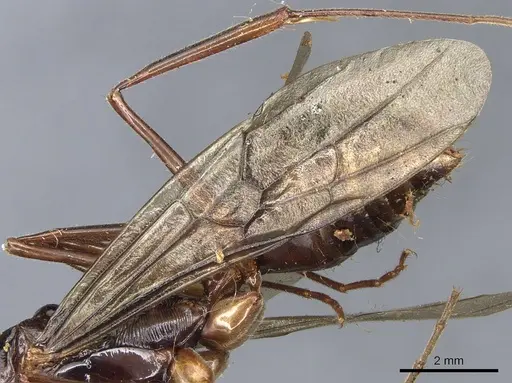
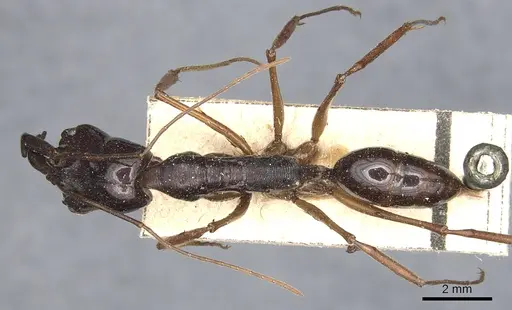
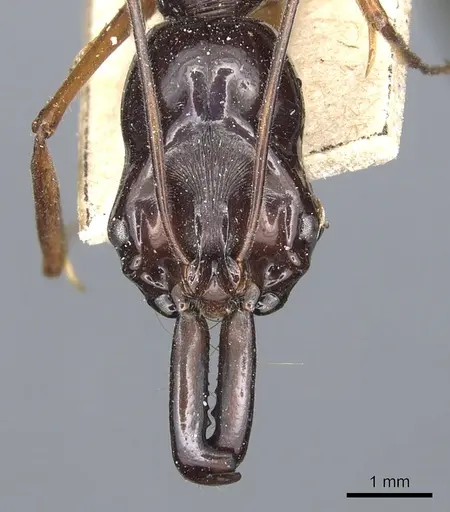
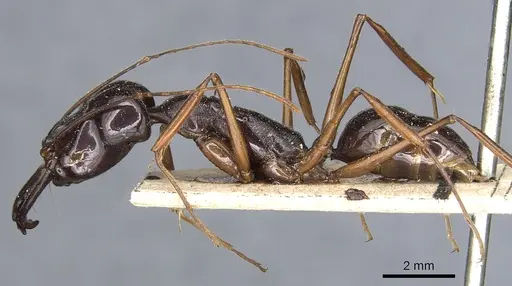
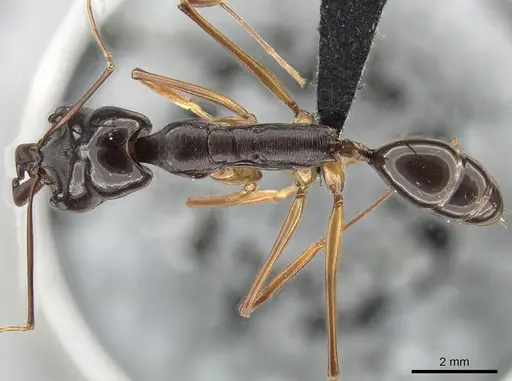
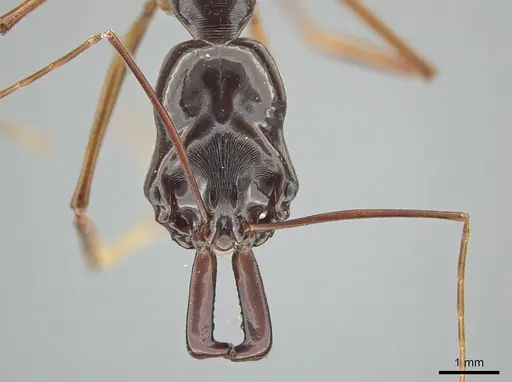
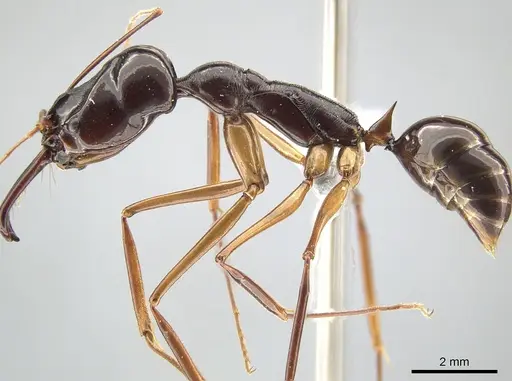
Odontomachus procerus is a trap-jaw ant native to the highland forests of Sumatra and Malaysia. Workers have dark brown to reddish brown bodies with yellowish brown legs and powerful mandibles that snap shut rapidly to capture prey. Queens are larger than workers. This species was previously treated as a subspecies of Odontomachus latidens before being elevated to full species status in 2015 . They inhabit secondary and primary forests at elevations of 800-1300 meters, nesting in soil near the base of living trees . The trap-jaw mechanism allows workers to snap their mandibles shut at high speeds for hunting and defense.
Quick Summary
- Difficulty: Medium
- Origin & Habitat: Highland forests of Indonesia (Sumatra) and Malaysia (Malay Peninsula, Sabah, and Sarawak) at elevations of 800-1300 meters. Nests in soil near the base of living trees [1].
- Colony Type: Based on Odontomachus patterns, likely monogyne (single queen), but unconfirmed from specific research.
- Size & Growth:
- Queen: Size data unavailable, no total length measurements provided in research.
- Worker: Size data unavailable, no total length measurements provided in research.
- Colony: Colony size unconfirmed from research.
- Growth: Moderate, estimated based on typical Ponerinae development.
- Development: Estimated 6-10 weeks based on genus patterns, but no specific data for O. procerus. (Development time may vary with temperature.)
- Antkeeping:
- Temperature: Keep warm, roughly 24-28°C, based on typical highland forest conditions. No specific temperature data from research.
- Humidity: Keep substrate consistently moist but not waterlogged, as they nest in soil [1].
- Diapause: Unconfirmed, as a highland tropical species, true hibernation may not be required, but activity may reduce in cooler months.
- Nesting: Naturalistic setup with soil or Y-tong (AAC) or plaster nests works well. They nest in soil in the wild, so provide a substrate deep enough for digging [1].
- Behavior: Trap-jaw ants are active predators with powerful mandibles used to snap shut on prey [2]. Workers are alert and will investigate disturbances. They can sting if handled roughly, as they belong to the Ponerinae subfamily which has sting as primary defense. Their small size means escape prevention is important, use fine mesh and tight-fitting lids.
- Common Issues: escape prevention is critical due to their small size, they can squeeze through standard gaps., wild-caught colonies may carry parasites that can decimate the colony in captivity., overheating is a common mistake, keep temperatures stable and avoid direct heat sources., colonies can stall if humidity drops too low, monitor substrate moisture regularly., slow growth compared to many common ants may cause keepers to overfeed or disturb the nest too often.
Housing and Nest Setup
Odontomachus procerus can be kept in test tubes for founding colonies, but will eventually need more space as the colony grows. A naturalistic setup with a soil chamber works well since they naturally nest in soil near tree bases [1]. Y-tong (AAC) nests or plaster nests are also suitable options. The key is providing a dark, humid chamber that stays moist. Because they are small, ensure all connections and barriers are tight, these ants will find and exploit any gap. A small outworld for foraging allows you to observe their hunting behavior.
Feeding and Diet
Trap-jaw ants are typically predatory and hunt small invertebrates [2]. In captivity, they may accept small live prey like fruit flies or crickets. Offer protein sources 2-3 times per week for brood development. They will also accept sugar water or honey as an energy source. Remove uneaten prey after 24 hours to prevent mold.
Temperature and Heating
Keep your colony at 24-28°C for optimal development. These highland forest ants prefer warmth but not extreme heat. A heating cable placed on one side of the nest creates a gradient that workers can use to self-regulate. Place the heating on top of the nest, not underneath, to avoid drying out the substrate too quickly. Room temperature in most homes may be slightly too cool, consider supplemental heating if your space runs below 24°C. Avoid temperature swings and direct sunlight on the nest. [1]
Trap-Jaw Behavior and Handling
The defining feature of Odontomachus ants is their trap-jaw mandibles. When triggered, these snap shut at high speeds, among the fastest animal movements known [2]. They use these for hunting prey and for defense. While interesting to watch, avoid provoking them. If threatened, they may sting, which is painful though not dangerous for healthy humans. Handle minimally and never grab ants with your fingers. If you need to move them, use gentle coaxing or paper bridges.
Colony Development
After mating, the queen will start a colony. The founding process is unconfirmed for this species, but based on related ants, she may seal herself in a chamber and lay eggs. The first workers, called nanitics, will emerge after several weeks. Colony growth is moderate, these are not fast-growing like some Formica or Lasius species. Patience is key. A healthy colony will eventually reach maturity over 1-2 years.
Frequently Asked Questions
How long does it take for Odontomachus procerus to produce first workers?
Expect 6-10 weeks from egg to first worker under optimal conditions (24-28°C). This is an estimate based on related Ponerinae species, specific development data for O. procerus is not available [1].
What do I feed Odontomachus procerus?
Feed them small live prey like fruit flies, pinhead crickets, or small mealworms 2-3 times per week. They are active predators [2]. They will also accept sugar water or honey for energy.
Can I keep Odontomachus procerus in a test tube?
Yes, test tubes work well for founding colonies. However, you will need to move them to a larger setup (naturalistic or formicarium) as the colony grows to several dozen workers.
What temperature do they need?
Keep them at 24-28°C. A heating cable on one side of the nest creates a gradient. Avoid temperatures above 30°C or below 20°C for extended periods [1].
Are trap-jaw ants good for beginners?
They are intermediate-level ants. While rewarding to keep, their small size requires good escape prevention, and their specific humidity needs take some attention. Not the best first ant, but manageable after some experience.
How big do colonies get?
Colony size is unconfirmed for this species, but based on related Odontomachus species, colonies may reach several hundred workers at maturity over 1-2 years.
Do they need hibernation?
Diapause requirements are unconfirmed. As highland forest ants from a tropical region, they likely do not require true hibernation, but may reduce activity during cooler months [1].
Why are my ants escaping?
Their small size means they can squeeze through tiny gaps. Use fine mesh (0.5mm or smaller), ensure all lids fit tightly, and check all connections between nest and outworld.
When should I move them to a formicarium?
Move them when the test tube becomes crowded (50+ workers) or when the water reservoir runs low. A naturalistic setup with soil works well since they naturally nest in soil [1].
Report an Issue
The current care sheet is based fully on literature. See inconsistencies, or something that's incorrect? Please , it will be resolved after review from an admin. Contributing to the blogs tab also helps providing information, to make us be able to further improve the caresheets. Thank you for your support!
References

Эта инструкция по уходу лицензирована по CC BY-SA 4.0 .
Блоги сообщества
Литература
Загрузка карты распределения...Загрузка товаров...