
Nylanderia clandestina
- Науч. назв.
- Nylanderia clandestina
- Триба
- Lasiini
- Подсемейство
- Formicinae
- Автор
- Mayr, 1870
- Распространение
- Встречается в 0 странах
Введение
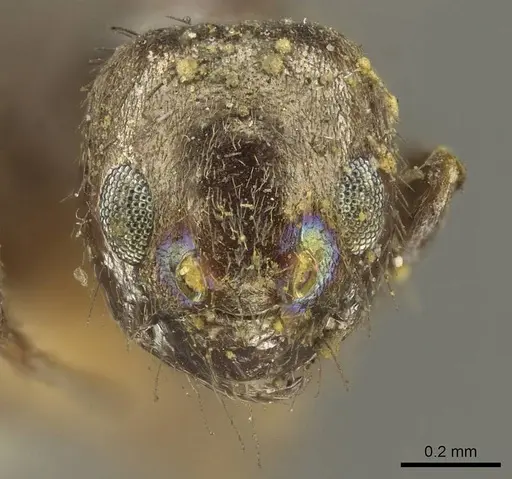
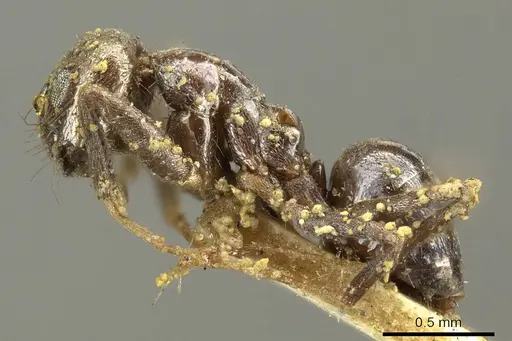
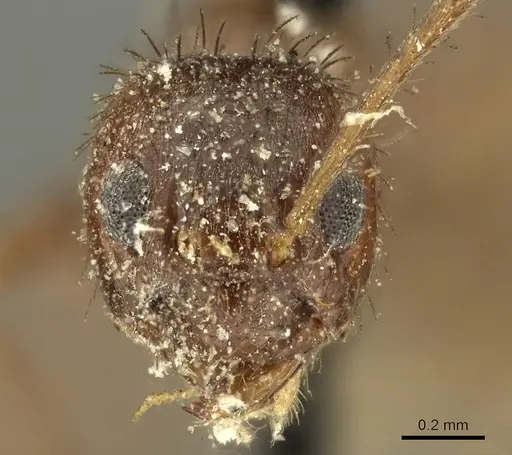
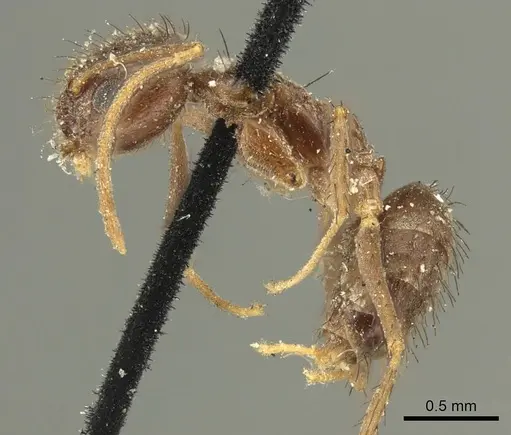
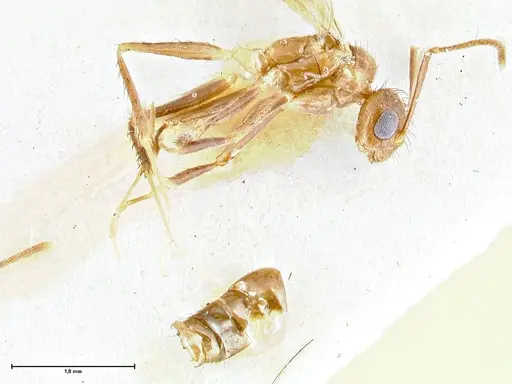
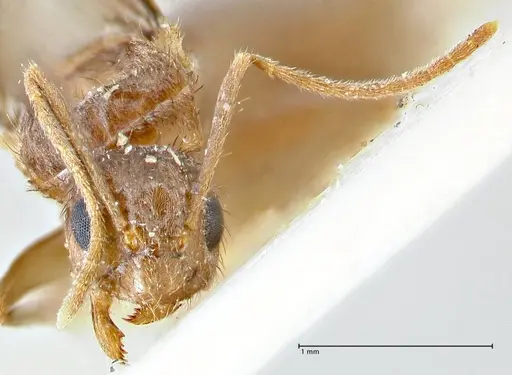
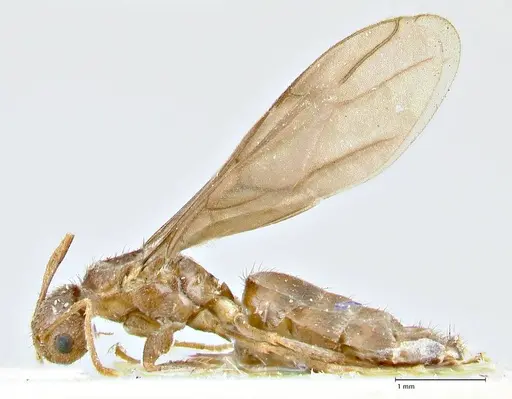
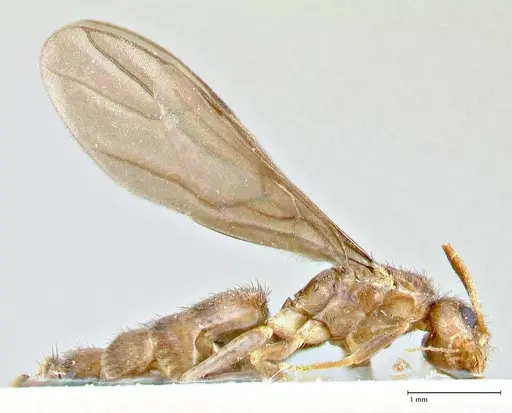
Nylanderia clandestina is a small reddish-brown to blackish-brown ant with workers measuring 2.5–2.7 mm in total length . Originally described from Java, Indonesia in 1870,this species belongs to the Formicinae subfamily and is part of the 'crazy ant' genus, known for rapid, erratic movements . It is found across Indonesia, Singapore, and Micronesia, and has been introduced outside its native range . A notable trait is its association with butterfly caterpillars – it has been observed tending Polyommatus baeticus larvae on Crotolaria striata in India, a mutualistic relationship where the ants likely receive honeydew in exchange for protection .
Quick Summary
- Difficulty: Expert
- Origin & Habitat: Native to Java, Indonesia and found across the Indomalaya region (Indonesia, Singapore) into Oceania (Micronesia). This is a tropical species that thrives in warm, humid environments [1][3].
- Colony Type: Colony structure is not well documented in scientific literature. The species has been introduced outside its native range, suggesting it can establish successful colonies in new environments [3][4].
- Size & Growth:
- Queen: Unconfirmed – no specific measurements available
- Worker: 2.5–2.7 mm [1]
- Colony: Unknown – no colony size data available
- Growth: Unknown – no growth rate data found
- Development: Unknown – based on typical Nylanderia patterns, likely 4–8 weeks at optimal temperature (Development timeline is unconfirmed. Related tropical Nylanderia species develop relatively quickly in warm conditions.)
- Antkeeping:
- Temperature: Keep warm year-round, around 24–28°C. A heating cable on part of the nest can create a gradient. Avoid long periods below 22°C. (Inferred from tropical origin – no specific published data.)
- Humidity: High humidity – keep nest substrate consistently moist but not waterlogged. In a test tube setup the water reservoir naturally provides moisture. Avoid dry, air-conditioned rooms. (Inferred from tropical habitat – no specific published data.)
- Diapause: No – this is a tropical species that does not require hibernation. Keep temperatures stable year-round [3].
- Nesting: In nature, they nest in soil and under objects like stones. For captivity, a test tube works well for founding. Once established, a Y-tong or plaster nest with a moisture chamber helps maintain humidity. (Based on typical Nylanderia nesting habits.)
- Behavior: These ants forage actively with the characteristic 'crazy ant' movement – rapid and erratic. They are generalist feeders, scavenging for sugar and small prey. Workers are tiny (2.5–2.7 mm) so escape prevention must be excellent – they can squeeze through very small gaps. They are not aggressive toward keepers but may spray formic acid when threatened. The species has been documented tending butterfly caterpillars, showing it forms symbiotic relationships [5].
- Common Issues: escape prevention is critical due to their tiny size – use fine mesh (≤0.5 mm holes) and tight-fitting lids, and apply fluon to rims, tropical humidity requirements – dry environments will kill colonies quickly, introduced/invasive species status – never release outdoors, extreme precautions needed to prevent escape, growth rate unknown – expect moderate to slow colony growth, which may frustrate beginners, wild-caught colonies may carry parasites that can devastate captive colonies
Housing and Nest Setup
For founding colonies, use a simple test tube setup – fill the tube one‑third with water, plug tightly with cotton, and place the queen inside. Keep the tube in a dark, quiet spot. Once workers appear (after founding), you can keep them in the tube or move them to a small formicarium. A Y‑tong or plaster nest works well for established colonies because they hold humidity. Avoid large, open spaces – these tiny ants feel safer in compact, snug chambers. Escape prevention is absolutely critical: use very fine mesh (holes no larger than 0.5 mm) on ventilation, apply fluon to rims, and check all seams. Nylanderia can squeeze through gaps that look sealed.
Feeding and Diet
These ants are generalist feeders. Offer a constant sugar source like diluted honey, sugar water, or maple syrup. For protein, provide small insects such as fruit flies, small mealworms, or cricket pieces 2–3 times per week. In their native range they associate with butterfly caterpillars for honeydew, so sweet foods are especially accepted [5]. Remove uneaten prey after 24–48 hours to prevent mold. Fresh‑killed insects are better than dried or frozen ones.
Temperature and Humidity
As a tropical species from Indonesia and Micronesia, Nylanderia clandestina needs warm, humid conditions year‑round. Keep temperatures around 24–28°C. A heating cable on one side of the nest provides a gradient. Avoid long periods below 22°C. For humidity, keep the nest substrate moist but not waterlogged – in a test tube setup the water reservoir does this automatically. In a formicarium, mist occasionally and check condensation. Never place the setup in a dry, air‑conditioned room. (No specific published data on exact requirements, these are inferred from tropical origin.)
Behavior and Temperament
Nylanderia clandestina moves quickly and unpredictably, typical of 'crazy ants'. Workers are small but persistent foragers. When threatened, they may spray formic acid, but this is mild and rarely a concern for keepers. They are not aggressive and seldom bite. Their tiny size (2.5–2.7 mm [1]) makes them excellent escape artists – always double‑check your barriers. They are ground‑dwelling but will forage widely. The documented association with butterfly caterpillars shows they can form beneficial relationships [5].
Colony Development
Specific development data for Nylanderia clandestina is lacking. Based on typical Nylanderia patterns, the timeline likely is: eggs hatch in 1–2 weeks, larvae develop over 2–3 weeks, and pupation takes 1–2 weeks. Total time from egg to first worker (nanitic) is probably 4–8 weeks at optimal temperature (around 26°C). Nanitic workers will be smaller than mature workers. Colony growth is initially slow during the claustral founding phase but accelerates once the first workers emerge. Maximum colony size is unknown, related Nylanderia species often reach several hundred to a few thousand workers.
Legal and Ethical Considerations
Nylanderia clandestina has been documented as an introduced species outside its native range and may represent an additional independent globetrotting lineage [3][4]. Because of this, it must never be released outdoors in non‑native areas – it could become invasive and harm local ecosystems. Only obtain colonies from reputable sources that can verify origin. If you no longer want the colony, give it to another antkeeper rather than releasing it. Extreme precautions to prevent escape are mandatory.
Frequently Asked Questions
How long does it take for Nylanderia clandestina to produce first workers?
The exact timeline is unconfirmed, but based on typical Nylanderia patterns, expect 4–8 weeks from egg to first worker at 26°C. Be patient during founding – the queen works alone.
Can I keep Nylanderia clandestina in a test tube?
Yes, a test tube is perfect for founding. Use a standard setup: water reservoir, cotton plug, dark place. Once 20+ workers are present you can move them to a formicarium if desired.
What do Nylanderia clandestina ants eat?
They are generalist feeders. Offer constant sugar (honey, sugar water, maple syrup) and protein 2–3 times per week (fruit flies, small mealworms, cricket pieces). Accept sweet foods readily [5].
Are Nylanderia clandestina good for beginners?
Not recommended. This species is an introduced/invasive ant – escape prevention is critical and they must never be released. Their tiny size makes containment difficult. They are best left to experienced keepers who can prevent escapes.
Do Nylanderia clandestina need hibernation?
No, they are tropical and do not require hibernation. Keep them warm year-round (24–28°C). Avoid temperatures below 22°C for long periods [3].
How big do Nylanderia clandestina colonies get?
Maximum colony size is not documented. Related Nylanderia species often reach several hundred to a few thousand workers. Expect moderate growth.
Why are my Nylanderia clandestina escaping?
Workers are only 2.5–2.7 mm [1] and can squeeze through amazingly tiny gaps. Use fine mesh (holes ≤0.5 mm), fluon on rims, and check all lid fits – even a hairline crack is an escape route.
What temperature is best for Nylanderia clandestina?
Keep them at 24–28°C. A heating cable on one side creates a gradient. Avoid cold drafts and air conditioners. Consistent warmth is more important than exact numbers.
Is Nylanderia clandestina an invasive species?
Yes – it has been introduced outside its native range and may represent an additional globetrotting lineage [2][3][4]. Special care must be taken to prevent escapes.
Report an Issue
The current care sheet is based fully on literature. See inconsistencies, or something that's incorrect? Please , it will be resolved after review from an admin. Contributing to the blogs tab also helps providing information, to make us be able to further improve the caresheets. Thank you for your support!
References

Эта инструкция по уходу лицензирована по CC BY-SA 4.0 .
Блоги сообщества
CASENT0912302
Посмотреть на AntWeb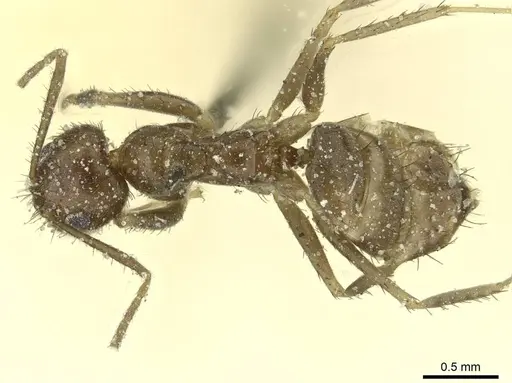
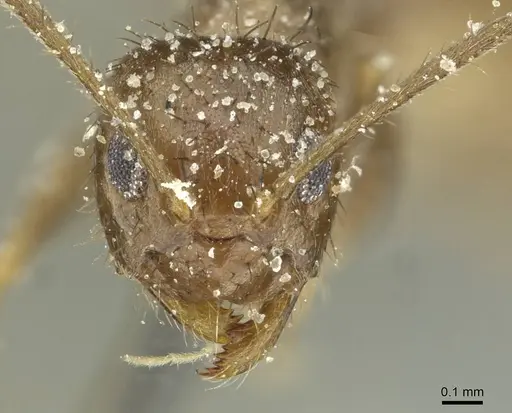
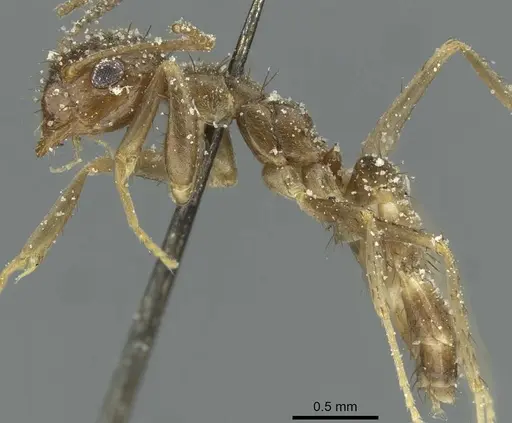
CASENT0915720
Посмотреть на AntWeb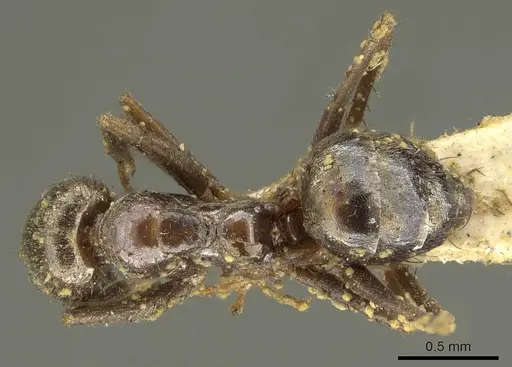
CASENT0915724
Посмотреть на AntWeb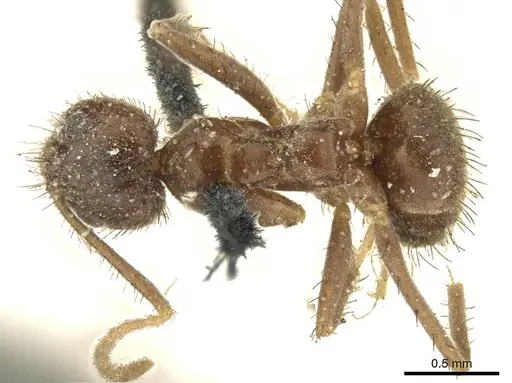
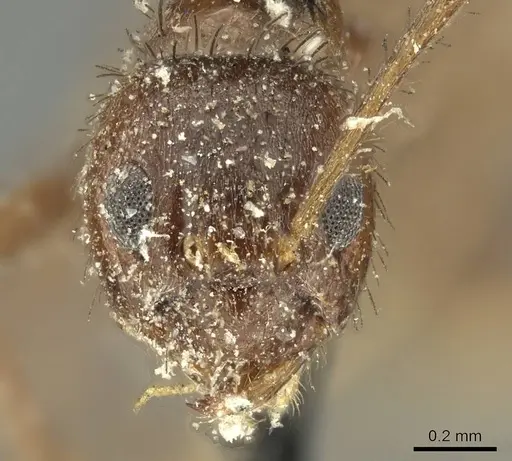
FOCOL2715
Посмотреть на AntWeb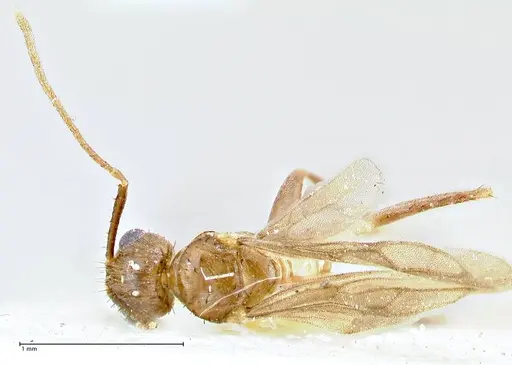
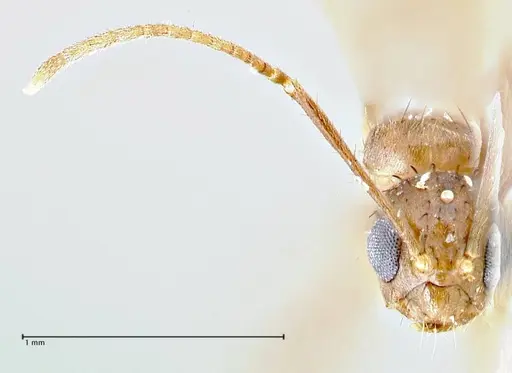
FOCOL2716
Посмотреть на AntWeb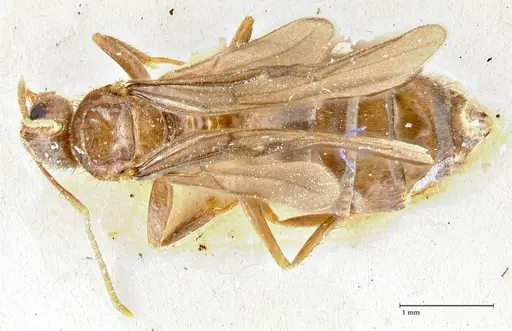
Литература
Загрузка карты распределения...Загрузка товаров...