
Nesomyrmex argentinus
- Науч. назв.
- Nesomyrmex argentinus
- Триба
- Crematogastrini
- Подсемейство
- Myrmicinae
- Автор
- Santschi, 1922
- Распространение
- Встречается в 0 странах
Введение
Nesomyrmex argentinus is a small Myrmicinae ant originally described from Argentina in 1922 by Santschi . Workers are typical of the Nesomyrmex genus, which was split from the larger Leptothorax genus. The species has been recorded in central Argentina (Santiago del Estero, Caldenal district) and northeastern Argentina (Misiones province), with additional records in Ecuador . This is a poorly studied species with limited available research. Based on related species in the genus, they are ground-dwelling ants that have been collected using Winkler sacs, which sample leaf litter and soil-surface debris. This suggests they nest in soil or under stones in natural habitats. The genus is known for relatively peaceful colony structures.
Quick Summary
- Difficulty: Medium
- Origin & Habitat: Native to the Neotropical region, Argentina and Ecuador. Found in the Caldenal district of central Argentina (a dry to semi-arid savanna region) and in the Iguazú National Park area of Misiones province (a tropical rainforest region) [2][3].
- Colony Type: Colony structure is unconfirmed for this species. Based on typical Nesomyrmex patterns, colonies likely have a single queen.
- Size & Growth:
- Queen: ~5-7 mm, size inferred from Nesomyrmex genus patterns
- Worker: ~3-4 mm, size inferred from Nesomyrmex genus patterns
- Colony: Likely reaches several hundred workers at maturity based on related species
- Growth: Moderate, typical for small Myrmicinae
- Development: Estimated 6-10 weeks based on related Nesomyrmex species (Specific development data for N. argentinus is not available. Development time depends on temperature within the acceptable range.)
- Antkeeping:
- Temperature: Keep at 20-26°C. Based on their range spanning both central Argentine drylands and tropical Misiones, they likely tolerate a moderate range. A temperature gradient allows self-regulation [2][3].
- Humidity: Moderate humidity. The Caldenal records suggest they can handle drier conditions, while Misiones records indicate tolerance for more humid tropical environments. Keep substrate moist but not waterlogged.
- Diapause: Likely a mild winter rest period given their temperate to subtropical range in Argentina. Reduce feeding and keep slightly cooler for 2-3 months during winter.
- Nesting: Ground-nesting species based on Winkler sac collection records. They likely nest in soil or under stones. In captivity, a test tube setup works well for founding, transitioning to a Y-tong or plaster nest as the colony grows.
- Behavior: Workers are small and relatively non-aggressive. They likely forage individually or in small groups for honeydew and small prey. Their small size means standard barriers like Fluon are recommended for escape prevention. They are not known for stinging and are generally peaceful toward keepers.
- Common Issues: limited availability, this species is rarely available in the antkeeping hobby, slow colony establishment may lead to beginner impatience and overfeeding, wild-caught colonies may carry parasites that can devastate captive populations, small colony size makes them vulnerable to stress, avoid frequent disturbances, humidity control is important, too wet causes fungal issues, too dry causes desiccation
Nest Preferences and Housing
In the wild, Nesomyrmex argentinus has been collected from ground-level habitats using Winkler sacs, which sample leaf litter and soil-surface debris [3]. This suggests they nest in soil or under stones rather than in trees. For captive care, start colonies in a standard test tube setup with a water reservoir. Once the colony reaches 20-30 workers, you can transition to a small formicarium or Y-tong nest. These ants do well with a naturalistic setup featuring a moist substrate layer. Avoid overly wet conditions that can cause mold. Provide a small outworld for foraging with sugar water and protein sources.
Feeding and Diet
Like most Nesomyrmex species, these ants are likely omnivorous with a preference for sweet liquids and protein. Feed them sugar water or honey regularly. For protein, offer small insects like fruit flies, pinhead crickets, or mealworms. Given their small worker size, prey should be appropriately sized. They likely also collect honeydew from aphids in nature. Feed protein 2-3 times per week, and keep sugar water available at all times. Remove uneaten prey after 24 hours to prevent mold.
Temperature and Seasonal Care
Nesomyrmex argentinus comes from a range spanning central Argentina (the Caldenal, a semi-arid region) to northeastern Argentina (Misiones, tropical) [2][3]. This suggests they can adapt to moderate temperatures. Keep the nest around 20-26°C during the active season. A heating cable on one side of the nest can create a temperature gradient, allowing ants to self-regulate. During the winter months, reduce temperatures to around 15-18°C. This winter rest period helps maintain natural colony cycles and promotes healthy reproduction in spring. Reduce feeding during this period.
Behavior and Colony Dynamics
This species exhibits typical Nesomyrmex behavior, relatively peaceful workers that forage individually or in small groups. They are not aggressive and rarely sting, making them safe for handling. Workers are small so observe them closely to appreciate their behavior. The colony will establish a queen-right structure with the queen remaining in the nest after founding. Workers take on all foraging and brood care duties. Expect moderate colony growth, these are not rapid growers like some tropical species, but neither are they extremely slow.
Frequently Asked Questions
How long does it take for Nesomyrmex argentinus to produce first workers?
Based on related Nesomyrmex species, expect first workers approximately 6-10 weeks after the queen lays her first eggs. This timeline depends on temperature, warmer conditions within the acceptable range speed up development. Be patient during founding as the queen does all the work alone while sealed in her chamber.
What do Nesomyrmex argentinus ants eat?
They are omnivorous. Feed sugar water or honey regularly, and offer small protein sources like fruit flies, pinhead crickets, or small mealworms. Prey should be appropriately sized for their tiny workers. Remove uneaten prey after 24 hours to prevent mold issues.
Can I keep multiple Nesomyrmex argentinus queens together?
Colony structure is unconfirmed for this species. Based on typical Nesomyrmex behavior, a single queen colony is the natural setup. Combining unrelated foundress queens is not recommended and may result in fighting.
Do Nesomyrmex argentinus ants sting?
These ants are very small and generally non-aggressive. They may bite if threatened, but their small size means their bite is barely noticeable to humans. They are considered safe to handle and are not a significant stinging threat.
What temperature do Nesomyrmex argentinus need?
Keep them at 20-26°C during the active season. They can tolerate a range from the cooler Argentine central regions to warmer tropical areas. A temperature gradient allows the colony to self-regulate. During winter rest, reduce to around 15-18°C.
Do Nesomyrmex argentinus need hibernation?
Yes, a mild winter rest period is recommended. Given their range in temperate to subtropical Argentina, reduce temperatures to 15-18°C for 2-3 months during winter. This helps maintain natural colony cycles. Reduce feeding during this period but do not stop entirely.
How big do Nesomyrmex argentinus colonies get?
Based on related species, colonies likely reach several hundred workers at maturity. They are not among the largest Myrmicinae but maintain moderate-sized, manageable colonies. Growth is moderate, expect 1-2 years to reach 50 workers, with continued growth over several years.
Is Nesomyrmex argentinus good for beginners?
This species is rated as Medium difficulty. While not the most challenging ant, they are not commonly available and require some experience with colony founding. The main challenges are obtaining a colony and maintaining proper humidity. If you're experienced with test tube founding and small Myrmicinae, this species can be a rewarding addition.
When should I move Nesomyrmex argentinus to a formicarium?
Wait until the colony has at least 20-30 workers and the founding test tube is becoming crowded. Signs include workers frequently exploring outside the water reservoir area or the queen moving toward the entrance. Transition gradually by connecting the test tube to the new nest and allowing workers to explore before moving the queen.
Why is my Nesomyrmex argentinus colony dying?
Common causes include: overfeeding leading to mold, improper humidity (too wet or too dry), disturbing the queen during founding, temperature extremes, or parasites from wild-caught colonies. Ensure proper ventilation, appropriate prey size, and avoid frequent disturbances. If the colony was wild-caught, parasites are a common issue that may require treatment or may unfortunately result in colony loss.
Report an Issue
The current care sheet is based fully on literature. See inconsistencies, or something that's incorrect? Please , it will be resolved after review from an admin. Contributing to the blogs tab also helps providing information, to make us be able to further improve the caresheets. Thank you for your support!
References

Эта инструкция по уходу лицензирована по CC BY-SA 4.0 .
Блоги сообщества
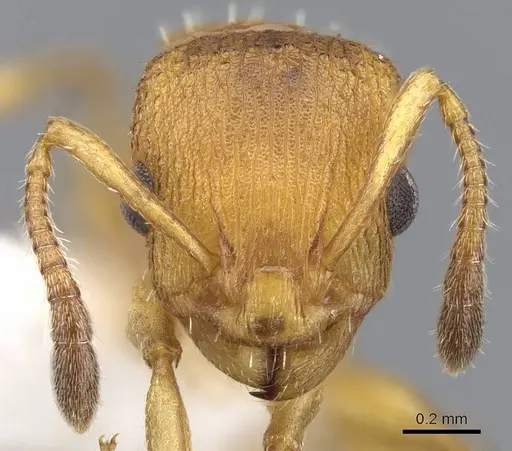
CASENT0912905
Посмотреть на AntWeb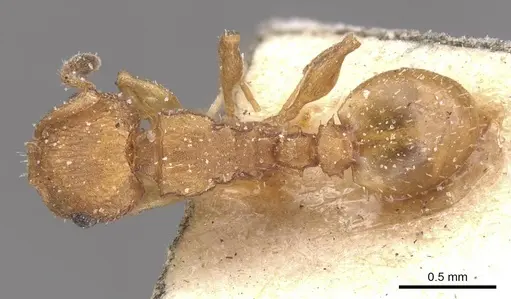
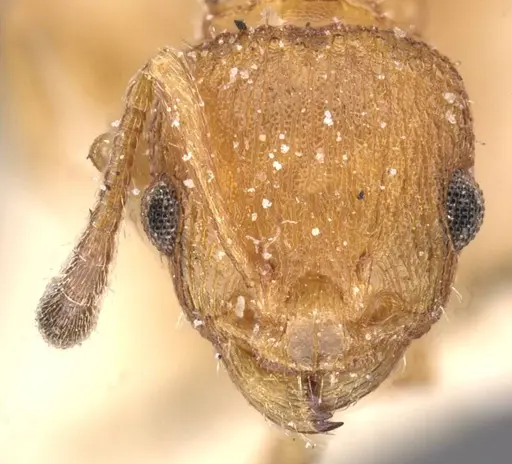
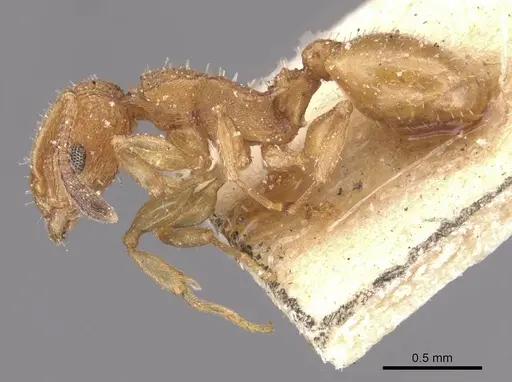
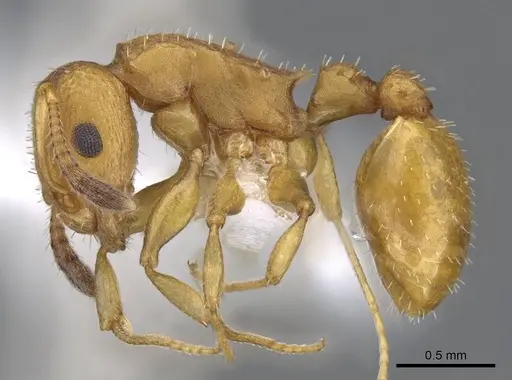
CASENT0914985
Посмотреть на AntWeb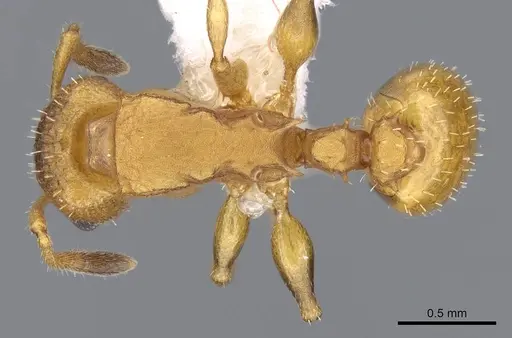
Литература
Загрузка карты распределения...Загрузка товаров...