
Neoponera fisheri
- Науч. назв.
- Neoponera fisheri
- Триба
- Ponerini
- Подсемейство
- Ponerinae
- Автор
- MacKay & MacKay, 2010
- Распространение
- Встречается в 0 странах
Введение
Neoponera fisheri is a large ponerine ant native to Panama's rainforests and wet forests. Workers reach about 13mm in total length, making them a substantial species in the antkeeping hobby. Queens are even larger at 15-17mm. This species is notable for nesting exclusively in Cecropia ant plants (Cecropia insignis and C. hispidissima), making it a true obligate ant-plant associate. The workers have a distinctive appearance with a depressed region in the middle of the clypeus and a bulbous, rounded petiole. They are black with reddish-brown mandibles and lighter tarsi. This species occupies an interesting taxonomic position between the aenescens and foetida species groups, showing characteristics intermediate between the two .
Quick Summary
- Difficulty: Medium
- Origin & Habitat: Panama (Colón Province, Santa Rita Ridge) at 250m elevation. Found in rainforest and wet forest habitats. Nests exclusively in Cecropia ant plants [1].
- Colony Type: Unconfirmed, winged sexuals collected in March and dealate females found alone in March and August suggest independent colony founding, but colony structure is not documented [1].
- Size & Growth:
- Queen: 15-17mm total length [1]
- Worker: 13mm total length [1]
- Colony: Unknown, no wild colony size data available
- Growth: Unknown, no development timing documented
- Development: Unknown, no specific data for this species (Related ponerines typically take 2-3 months from egg to first worker at tropical temperatures.)
- Antkeeping:
- Temperature: Keep warm at 24-28°C. This is a tropical Panamanian species requiring temperatures similar to its natural rainforest habitat. A heating cable on one side of the nest creates a suitable gradient.
- Humidity: High humidity required (70-85%). This species comes from wet rainforest habitats and nests in living ant plants. Keep the nest substrate consistently moist but not waterlogged. Mist occasionally and provide a water source.
- Diapause: No diapause required. As a tropical species from Panama, they do not need a winter rest period. Keep temperatures stable year-round.
- Nesting: In captivity, a naturalistic setup with live Cecropia sections would be ideal but impractical for most keepers. Y-tong or plaster nests with high humidity work well. The key is providing moist, humid conditions with chambers scaled to their 13mm worker size.
- Behavior: Ponerine ants are typically more defensive and predatory than simpler ant genera. Workers are active foragers that hunt for prey. They have a potent sting, this is a large ponerine and should be handled with caution. Escape prevention is important though not as critical as for tiny ants, standard barriers work well. Queens found colonies alone in Cecropia hollows, so founding behavior is likely claustral or semi-claustral but remains unconfirmed for this species.
- Common Issues: high humidity maintenance is critical, dry conditions will kill colonies, tropical species requires year-round warmth without seasonal cooling, sting is potent, handle with care and use gloves if needed, limited data means colony founding may be challenging without established protocols, prey acceptance is unknown, may require live prey similar to other ponerines
Natural History and Distribution
Neoponera fisheri is endemic to Panama, specifically found in the Colón Province at Santa Rita Ridge at approximately 250m elevation. This species inhabits tropical rainforest and wet forest environments. What makes N. fisheri particularly interesting is its obligate relationship with Cecropia ant plants, it nests exclusively inside the hollow stems of Cecropia insignis and Cecropia hispidissima. This is a specialized nesting relationship where the ants benefit from shelter while potentially protecting the plant. The species was described in 2010 by Mackay and Mackay and named in honor of myrmecologist Brian Fisher who collected the type series. Winged reproductive individuals have been collected in March, while isolated dealate (wingless) queens have been found in both March and August, suggesting the species establishes new colonies independently [1].
Identification and Taxonomy
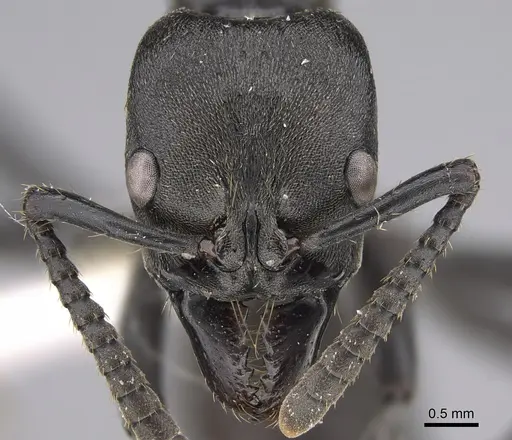
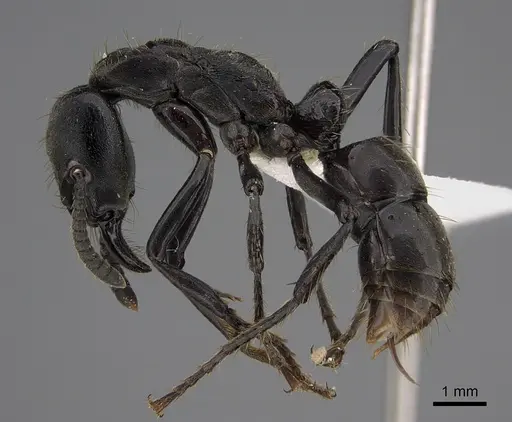
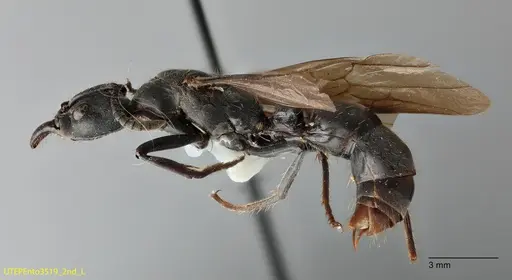
Neoponera fisheri can be identified by several distinctive features. The most notable is the impressed (depressed) region in the middle of the clypeus, surrounded by two converging swollen elongate areas. The petiole is somewhat bulbous and rounded on all sides. Most surfaces of the petiole are smooth and glossy, especially the posterior face. Workers are black with reddish-brown or yellowish-brown mandibles and tips of the funicular segments. The tarsi and tip of the gaster are slightly lighter in color. This species is placed in the foetida species group but shows characteristics intermediate between the aenescens and foetida groups, possibly representing a link between them. Workers have 7-8 teeth on the mandibles, while queens have approximately 10 teeth [1][2].
Housing and Nest Preferences
In captivity, Neoponera fisheri requires high humidity conditions that mimic its rainforest ant-plant habitat. Y-tong or plaster nests work well, provided humidity is maintained through a water reservoir or regular misting. The nest chambers should be appropriately sized for 13mm workers, not too tight but with snug-fitting passages. A naturalistic setup with cork or fake plants can provide enrichment. Since this species nests in living plant stems in the wild, they appreciate some organic material in the nest. Keep the nest substrate consistently moist. An outworld for foraging should be provided with space for hunting and exploring. Escape prevention is important though this is not a tiny ant, standard formicarium barriers are adequate [1].
Feeding and Diet
As a ponerine ant, Neoponera fisheri is predatory and will hunt live prey. In the wild, they likely capture small invertebrates within their Cecropia plant habitat. For captive colonies, offer small live insects such as fruit flies, small crickets, mealworms, and other appropriately-sized arthropods. Protein should form the majority of their diet. Sugar sources may be accepted occasionally, you can offer a drop of honey or sugar water, but do not rely on these as primary food. Observe your colony's acceptance of different foods and adjust accordingly. Feed every 2-3 days, removing uneaten prey after 24 hours to prevent mold [1].
Temperature and Seasonal Care
Neoponera fisheri is a tropical species from Panama and requires warm temperatures year-round. Maintain nest temperatures between 24-28°C. A heating cable placed on one side of the nest can create a thermal gradient allowing the ants to regulate their temperature. Room temperature may be sufficient if your home stays in this range, but monitor with a thermometer. Since this species comes from a tropical rainforest without seasonal temperature swings, no diapause or winter rest is required. Keep temperatures stable throughout the year. The high humidity requirement (70-85%) also supports the tropical environment. Avoid cold drafts and ensure the colony is not near air conditioning vents that might cause temperature fluctuations [1].
Behavior and Handling
Ponerine ants like Neoponera fisheri are typically more defensive and have more potent stings than simpler ant genera. This is a large species with a well-developed sting, handle with caution and consider wearing gloves when working near the colony. Workers are active foragers that will hunt prey in the outworld. Unlike some ants that primarily scavenge, these are active predators. The colony will likely be moderately aggressive when defending the nest. Queens found colonies alone inside Cecropia stems, but the exact founding behavior is unconfirmed for this species. Escape prevention should be maintained, though the 13mm worker size makes them less likely to escape through tiny gaps than smaller species [1].
Frequently Asked Questions
How long does it take for Neoponera fisheri to produce first workers?
The exact development timeline is unknown for this species. Based on typical Neoponera and other Ponerinae patterns, expect 8-12 weeks from egg to first worker at optimal tropical temperatures (24-28°C). Patience is key with this species as there is no specific data available.
Do Neoponera fisheri ants sting?
Yes, this is a large ponerine ant with a potent sting. You should handle this species with caution. Ponerine stings can be quite painful, similar to a bee sting. Use gloves when working near the colony and avoid provoking the ants.
What do Neoponera fisheri eat?
They are predatory ants that hunt live prey. Feed small live insects like fruit flies, small crickets, mealworms, and other arthropods. Protein should be their primary food. They may occasionally accept sugar sources like honey water, but these should not be the main diet.
Can I keep Neoponera fisheri in a test tube?
A test tube can work for founding colonies if humidity is maintained, but a proper formicarium with humidity control is better for long-term housing. This species requires high humidity (70-85%) which is easier to maintain in a Y-tong or plaster nest with a water reservoir.
Do Neoponera fisheri need hibernation?
No, this is a tropical Panamanian species and does not require hibernation or diapause. Keep temperatures stable year-round in the 24-28°C range. They are adapted to consistent tropical conditions.
How big do Neoponera fisheri colonies get?
The maximum colony size is unknown. Based on related species in the genus, colonies likely reach several hundred workers. The limited data from wild specimens suggests moderate-sized colonies.
Is Neoponera fisheri good for beginners?
This species is rated as medium difficulty. While not the most challenging ant, the high humidity requirements, tropical temperature needs, and potent sting make it better suited for keepers with some experience. The limited available care data also means you may need to experiment to find optimal conditions.
Can I keep multiple queens together?
There is no data on combining queens. Wild specimens suggest single queens establish colonies independently (dealate females found alone). It is not recommended to attempt pleometrosis (multiple queen founding) without specific research on this species.
What humidity do Neoponera fisheri need?
High humidity of 70-85% is required. This species comes from wet rainforest habitats and nests in living Cecropia plants. Keep the nest substrate consistently moist but not waterlogged. A water reservoir in the nest helps maintain humidity.
When do Neoponera fisheri have nuptial flights?
Winged sexuals have been collected in March in Panama. This suggests nuptial flights occur during the dry-to-wet season transition. The exact timing in captivity is unknown.
Report an Issue
The current care sheet is based fully on literature. See inconsistencies, or something that's incorrect? Please , it will be resolved after review from an admin. Contributing to the blogs tab also helps providing information, to make us be able to further improve the caresheets. Thank you for your support!
References

Эта инструкция по уходу лицензирована по CC BY-SA 4.0 .
Блоги сообщества
CASENT0217559
Посмотреть на AntWeb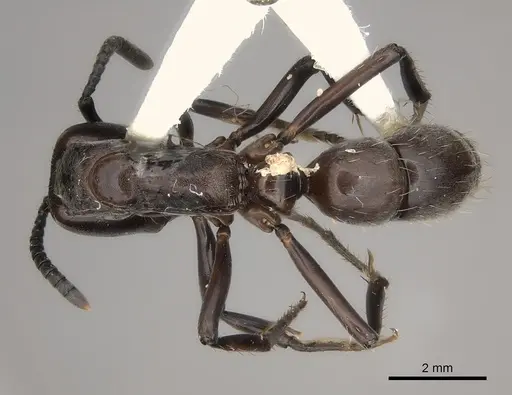
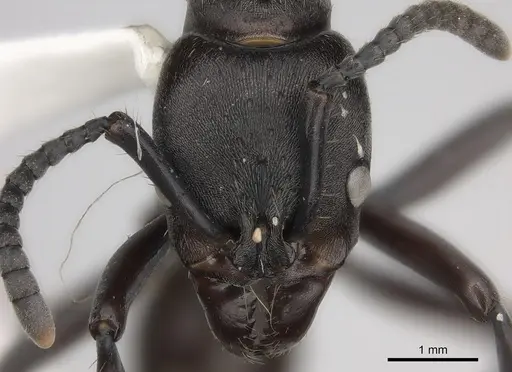
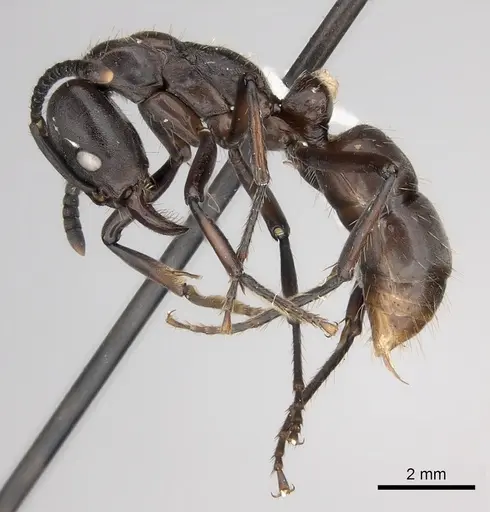
CASENT0923389
Посмотреть на AntWeb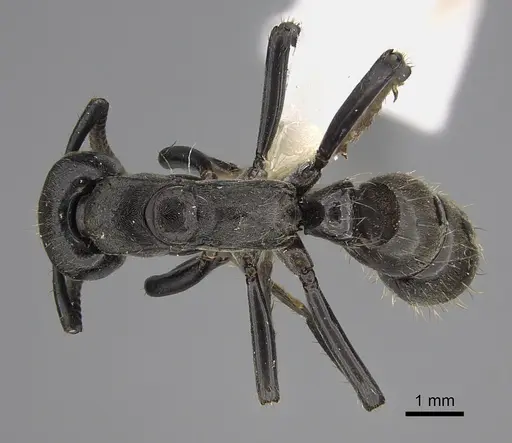
UTEPENTO3518
Посмотреть на AntWeb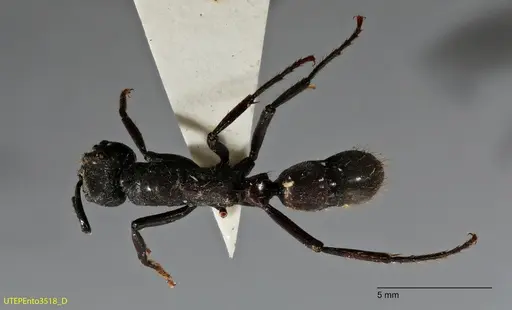
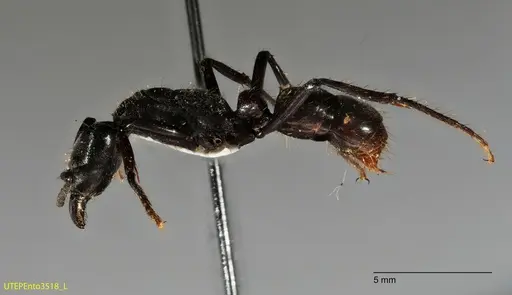
UTEPENTO3519-01
Посмотреть на AntWeb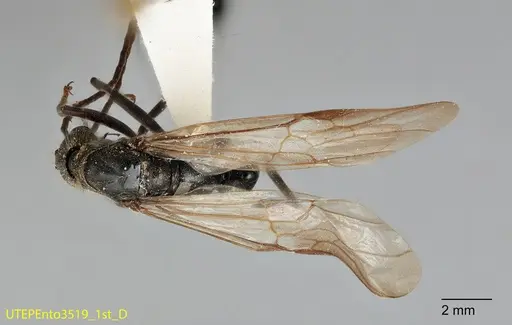
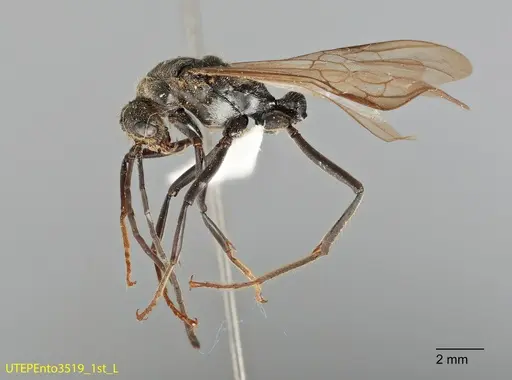
UTEPENTO3519-02
Посмотреть на AntWeb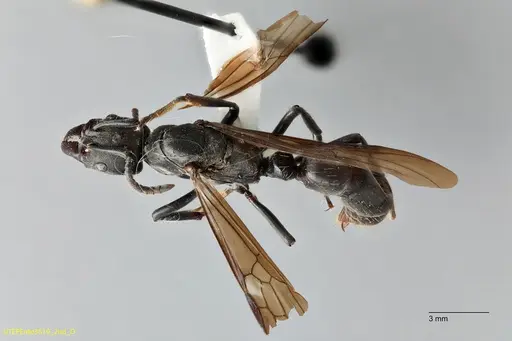
Литература
Загрузка карты распределения...Загрузка товаров...