
Myrmoteras baslerorum
- Науч. назв.
- Myrmoteras baslerorum
- Триба
- Myrmoteratini
- Подсемейство
- Formicinae
- Автор
- Agosti, 1992
- Распространение
- Встречается в 0 странах
Введение
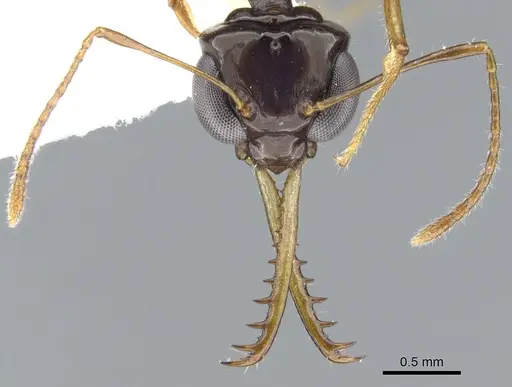
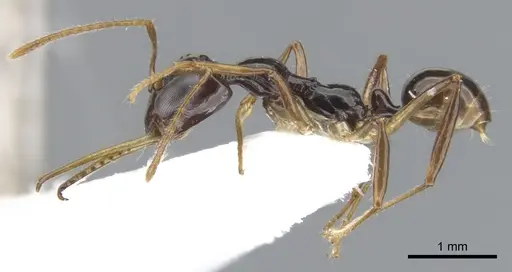
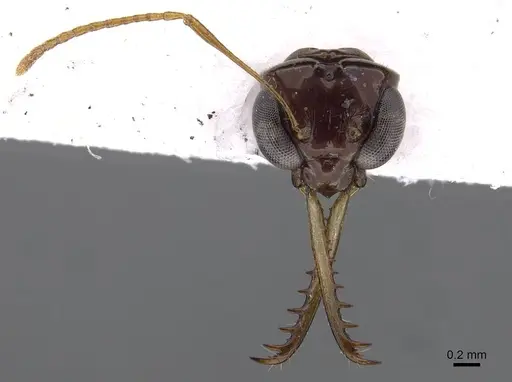
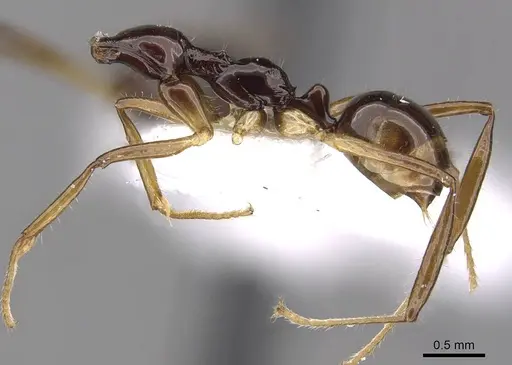
Myrmoteras baslerorum is a small, dark brown ant species endemic to the highlands of Sumatra, Indonesia. Workers have a smooth, shiny body with sparse erect hairs, and their antennae, mandibles, and legs are noticeably paler than their dark brown body. Queens measure approximately 5mm in total length. This species is known only from a handful of highland locations in central and west Sumatra, living at elevations between 1400-1850 meters in primary forest leaf litter . The genus Myrmoteras belongs to the Formicinae subfamily and the tribe Myrmoteratini. What makes this species particularly interesting is its extreme rarity - it's known from only a few specimens collected over decades of research in one of the most biodiverse regions of Southeast Asia.
Quick Summary
- Difficulty: Expert
- Origin & Habitat: Highland primary forests of Sumatra, Indonesia at elevations 1400-1850m. Known from Mt. Tujuh, Mt. Kerinci, and Mt. Sago. They live in leaf litter on the forest floor [1][2].
- Colony Type: Colony structure is unconfirmed. Based on typical Formicinae patterns, likely single-queen colonies, but this has not been directly studied.
- Size & Growth:
- Queen: Approximately 5mm [1], this is directly measured from a specimen
- Worker: Unknown, no worker measurements published, but likely 3-4mm based on genus patterns
- Colony: Unknown, no colony size data available
- Growth: Unknown, no development data exists for this species
- Development: Unconfirmed, no direct observations of founding or development exist. (This is entirely estimated based on genus patterns. No species-specific data is available.)
- Antkeeping:
- Temperature: Highland origin suggests preference for cooler conditions than typical tropical ants. Start around 20-24°C and observe colony activity. Avoid overheating, they come from elevations where temperatures are moderate year-round [1].
- Humidity: Leaf litter inhabitants need high humidity. Keep the nest substrate consistently moist but not waterlogged. Provide a gradient from damp to slightly drier areas so ants can self-regulate.
- Diapause: Unknown, no research on seasonal behavior. Highland origin may suggest tolerance for cooler temperatures, but diapause requirements have not been studied.
- Nesting: In nature they live in leaf litter, so they prefer tight, humid spaces. A Y-tong or plaster nest with small chambers works well. Avoid large, open spaces, they're tiny ants that feel secure in compact nests. Keep the nest humid and provide a water source.
- Behavior: Little is known about their behavior in captivity. Based on genus patterns, they are likely moderate foragers that search for small prey items. Their small size means escape prevention must be excellent, they can squeeze through tiny gaps. Handle gently as they're small and may be easily crushed. No information on sting potency, but being Formicinae, they likely have formic acid spray rather than a painful sting.
- Common Issues: no biological data exists, everything about their care is estimated from genus patterns, extreme rarity means finding colony foundering queens is nearly impossible, highland origin means they may not tolerate typical room temperatures, monitor for stress, small size creates high escape risk, use fine mesh and tight-fitting barriers, no information on what foods they accept, experimental feeding required
Why This Species Is So Challenging
Myrmoteras baslerorum is one of the least-studied ant species in the world. The entire scientific knowledge of this species consists of a handful of museum specimens and one colony fragment collected from leaf litter in 2022 [1]. We don't know what they eat, how they found colonies, how fast they grow, or almost anything about their basic biology. This makes them an expert-only species, not because they're difficult to keep, but because there's almost no information to guide their care. If you manage to obtain a queen, you'll essentially be pioneering their husbandry through careful observation and experimentation. For most antkeepers, a better choice would be species with more available care information.
Natural Habitat and Origin
This species is known only from the highlands of central and west Sumatra, Indonesia. The known locations include Mt. Tujuh at 1400m elevation, Mt. Kerinci at 1750-1850m, and Mt. Sago at approximately 1500m [1]. These are highland primary rainforests, cool, humid, and dense with vegetation. The colony examined in the most recent study was collected from leaf litter, meaning they live in the forest floor layer where the microclimate is stable, humid, and relatively cool compared to the forest canopy. This highland origin is your biggest clue for care: they likely prefer temperatures on the cooler side compared to typical tropical ants.
Housing Recommendations
Based on their leaf-litter lifestyle, provide a humid, compact nest. A Y-tong or plaster nest with small chambers works well. The chambers should be appropriately sized for tiny ants, avoid tall, open spaces. Keep the nest substrate consistently moist but not flooded. A water tube attached to the nest helps maintain humidity. Since they're from highland forests, avoid placing them in warm locations, room temperature or slightly below is likely ideal. Given their tiny size, excellent escape prevention is essential. Use fine mesh on any ventilation holes and ensure all connections are sealed. [2]
Feeding and Diet - Experimental
No specific dietary information exists for this species. Based on typical Formicinae behavior and their small size, they likely forage for small invertebrates and may tend aphids for honeydew. Start with small live prey like fruit flies, pinhead crickets, or mealworm pieces. Offer sugar water or honey as a carbohydrate source and observe acceptance. Being small, their prey items should be appropriately sized, nothing larger than they can handle. Since this is entirely speculative, approach feeding experimentally and document what works. [2]
Temperature and Seasonal Care
The highland origin (1400-1850m elevation) suggests they prefer cooler conditions than typical lowland tropical ants. Start around 20-24°C and monitor colony behavior. If workers cluster near any heat source, the nest may be too warm. If they seem sluggish, try slightly warmer conditions. No information exists about diapause or winter requirements. Highland ants often experience less temperature variation year-round, so stable conditions are likely important. Avoid temperature extremes in either direction. [1]
Finding and Acquiring This Species
Myrmoteras baslerorum is extremely rare in the antkeeping hobby. It's only known from a few specimens collected in Sumatra, and no commercial breeding exists. If you're determined to keep this species, you would need to travel to the highlands of Sumatra during nuptial flight season and attempt to catch a queen, but even the timing of nuptial flights is unknown. For most antkeepers, this species represents an aspirational challenge rather than a realistic keeping project. Consider similar but more available Formicinae species like various Camponotus or Lasius that have established care protocols. [1]
Frequently Asked Questions
Is Myrmoteras baslerorum available for purchase?
Almost certainly not. This species is known from only a handful of specimens in scientific collections. No commercial ant farms or breeders offer this species. You'd need to travel to Sumatra and collect a queen yourself, which requires significant effort and permits.
How do I care for Myrmoteras baslerorum?
No established care protocol exists. Based on their leaf-litter habitat in highland Sumatra, provide a humid, compact nest around 20-24°C. Feed small live prey and sugar sources experimentally. Document your observations carefully since any successful husbandry would be new information for this species.
What do Myrmoteras baslerorum ants eat?
Unknown. Based on Formicinae patterns, they likely accept small invertebrates and sugar sources, but no direct observations exist. Start with fruit flies, tiny crickets, and honey water, then observe what they actually accept.
How big do Myrmoteras baslerorum colonies get?
Unknown. No colony size data has been published. Based on similar litter-dwelling ants, they likely reach a few hundred workers at most, but this is entirely speculative.
Where does Myrmoteras baslerorum live?
Only in the highlands of Sumatra, Indonesia, at elevations between 1400-1850 meters. Known from Mt. Tujuh, Mt. Kerinci, and Mt. Sago. They've never been found anywhere else in the world.
Is Myrmoteras baslerorum a good beginner species?
No. This is an expert-only species because essentially no biological information exists to guide their care. Every aspect of keeping them would be experimental. For beginners, choose species with established care protocols like Lasius niger, Camponotus species, or Messor species.
What temperature do Myrmoteras baslerorum need?
Not confirmed, but based on their highland origin, aim for 20-24°C. Avoid warm conditions, they're from elevations where temperatures are cooler than typical tropical lowlands. Start in the middle of this range and adjust based on colony behavior.
How long do Myrmoteras baslerorum take to develop from egg to worker?
Unknown. No development timing has been documented. Without species-specific data, any estimate would be purely speculative.
Can I keep multiple Myrmoteras baslerorum queens together?
Unknown. No research exists on their colony structure or founding behavior. Without information, combining unrelated queens is not recommended.
Report an Issue
The current care sheet is based fully on literature. See inconsistencies, or something that's incorrect? Please , it will be resolved after review from an admin. Contributing to the blogs tab also helps providing information, to make us be able to further improve the caresheets. Thank you for your support!
References

Эта инструкция по уходу лицензирована по CC BY-SA 4.0 .
Блоги сообщества
CASENT0903244
Посмотреть на AntWeb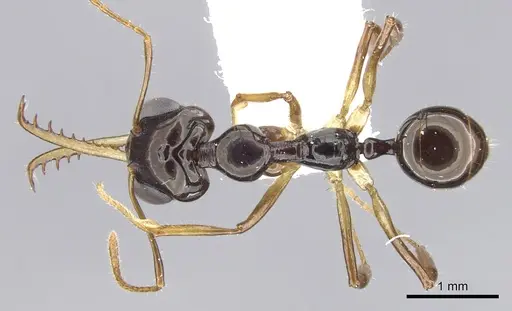
CASENT0910207
Посмотреть на AntWeb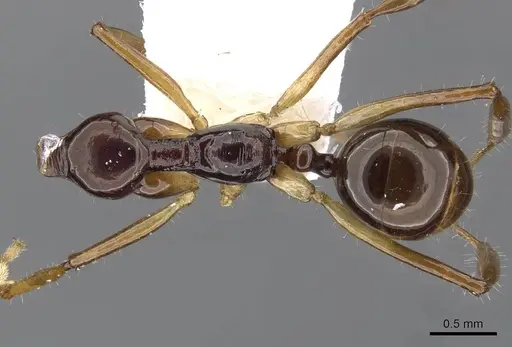
Литература
Загрузка карты распределения...Загрузка товаров...