
Myrmica wittmeri
- Науч. назв.
- Myrmica wittmeri
- Триба
- Myrmicini
- Подсемейство
- Myrmicinae
- Автор
- Radchenko & Elmes, 1999
- Распространение
- Встречается в 0 странах
Введение
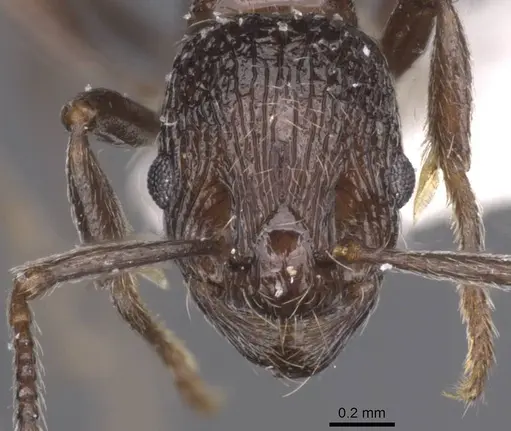
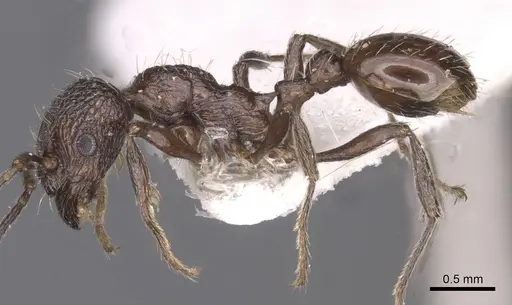
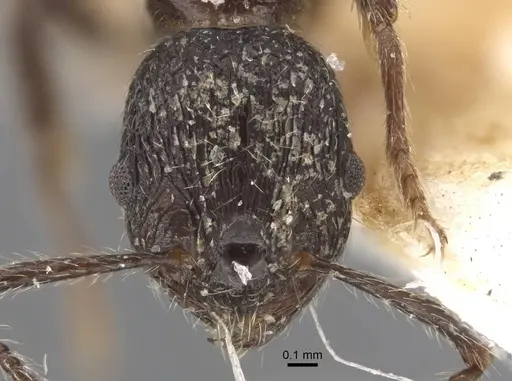
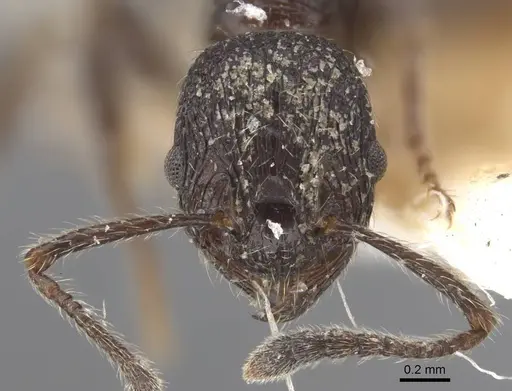
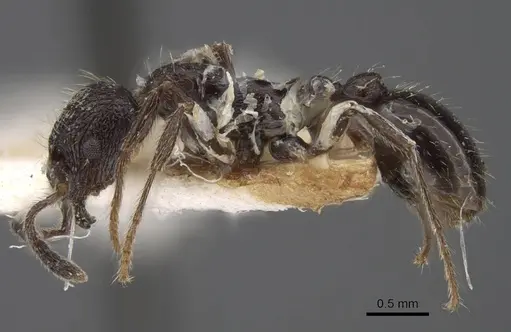
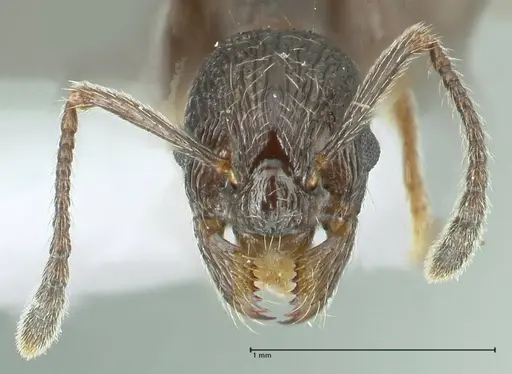
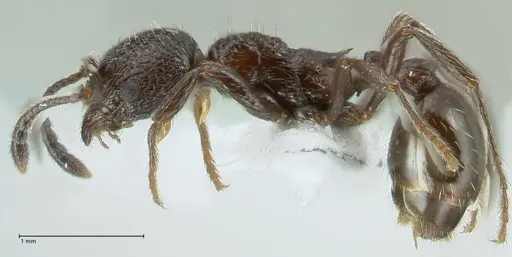
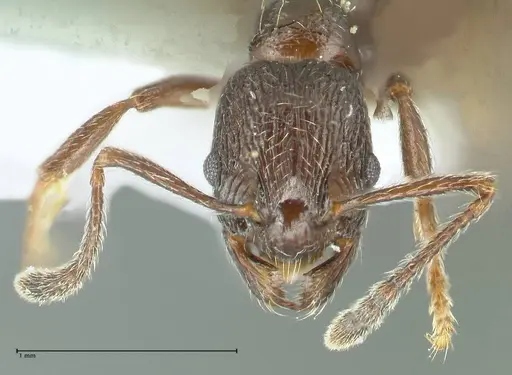
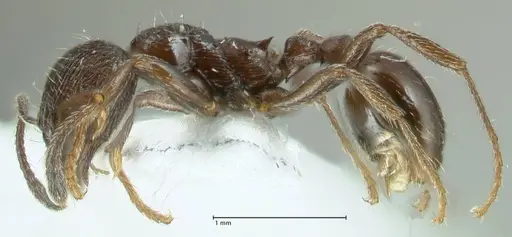
Myrmica wittmeri is a small, dark-colored ant species belonging to the smythiesii species group within the Myrmica genus. Workers are characterized by their notably darker coloration and reduced sculpture on the alitrunk compared to related species in this group. This species is endemic to high-altitude Himalayan regions, known only from parts of northern India (Himachal Pradesh, Uttarakhand, Jammu & Kashmir) and Pakistan. It is classified as a cold-climate specialist found at elevations between 2300m and 3300m above sea level, living in habitats above the tree line where temperatures remain cool year-round . The species was described in 1999 by Radchenko and Elmes, named after Dr. Walter Wittmer, a coleopterologist at the Natural History Museum in Basel, Switzerland.
Quick Summary
- Difficulty: Medium
- Origin & Habitat: High altitude Himalayan regions (2300-3300m) in India and Pakistan, above the timberline. Nests are found under stones and in rotting wood, in ground covered with sparse Rhododendron vegetation [1].
- Colony Type: Unconfirmed, only worker caste has been described. Myrmica species typically form single-queen colonies, but colony structure for this specific species has not been documented.
- Size & Growth:
- Queen: Size data unavailable, only worker caste has been described scientifically.
- Worker: Size data unavailable, only worker caste has been described scientifically.
- Colony: Unknown, only workers have been collected from the wild.
- Growth: Moderate, based on typical Myrmica development patterns.
- Development: Unknown, species-specific development data is not available. (Development is likely slower due to cool high-altitude conditions. Alates appear in June and July in the wild [1].)
- Antkeeping:
- Temperature: Keep nest area at 18-22°C. This species is adapted to cool mountain conditions, avoid overheating. Research shows nest temperatures in the wild range from 15°C to 23°C [1]. Room temperature within this range is ideal. If your space runs warmer, use a cooling method or position the nest in a cooler area.
- Humidity: Maintain moderate humidity around 50-70%. Wild nests show relative humidity between 43% and 72% [1]. Keep the nest substrate consistently moist but allow some drying between waterings. Provide a water tube for drinking access.
- Diapause: Yes, this high-altitude species requires a winter dormancy period. Reduce temperature to 5-10°C for 3-4 months during winter, mimicking natural conditions at altitude. This is essential for colony health and likely triggers reproductive cycles.
- Nesting: Provide a cool, humid nest environment. Y-tong (AAC) nests or plaster nests work well, as they hold moisture without overheating. Naturalistic setups with stones or rotting wood pieces can also work. Keep the nest in a consistently cool location away from direct heat sources.
- Behavior: Workers are active foragers that search for food on the ground surface. As a Myrmica species, they have a functional stinger but rarely sting unless directly threatened. They are not aggressive toward keepers but will defend their nest. Workers are moderate in size and can grip surfaces well, though escape prevention is still important. This species is adapted to cool conditions and will become less active when temperatures rise above their preferred range.
- Common Issues: overheating is the biggest risk, these ants die if kept too warm, humidity that is too high or too low can cause colony stress and mortality, without proper winter cooling (diapause), colonies may fail to produce alates or decline over time, wild-caught colonies may have parasites or diseases that can wipe out the colony in captivity, only worker caste is known, so finding a queen for captive breeding may be impossible
Natural History and Distribution
Myrmica wittmeri is a rare Himalayan endemic known only from high-altitude regions between 2300m and 3300m above sea level. The species has been recorded in India's Himachal Pradesh, Uttarakhand, and Jammu & Kashmir states, as well as in Pakistan's Kalam region [1][2]. This makes it one of the more restricted Myrmica species in terms of distribution. It is classified as a cold-climate specialist functional group in Himalayan ant surveys [3]. The species was named after Dr. Walter Wittmer, who collected the type specimens. Only the worker caste has been scientifically described, making this a species where much remains unknown about its complete life cycle.
Nest Preferences and Housing
In the wild, M. wittmeri nests under stones and in rotting wood, typically in areas with sparse Rhododendron vegetation above the tree line [1]. For captive care, replicate these conditions with a nest that stays cool and holds moisture well. Y-tong (AAC) nests or plaster nests are practical choices, they allow you to maintain proper humidity while monitoring the colony. A naturalistic setup with a stone or wood piece can also work if you can maintain appropriate temperature and humidity. The key is keeping the nest in the 18-22°C range and maintaining moderate substrate moisture. Avoid placing the nest near heat sources or in direct sunlight.
Temperature Requirements
This is the most critical factor for keeping M. wittmeri successfully. Wild nest temperatures range from 15°C to 23°C [1], and the species is poorly adapted to heat. Keep the nest area at 18-22°C, this is cooler than most ant species require. If your room temperature runs warm, you may need to use a cooling method such as placing the nest in a cooler room, using a small fan, or positioning the formicarium away from electronics that generate heat. Signs of overheating include workers clustering away from the heat source, brood dying, or colony decline. Unlike many ant species that tolerate warmer conditions, this high-altitude species will not thrive if kept too warm.
Feeding and Diet
Myrmica ants are generalist feeders that scavenge and hunt small invertebrates in the wild. Offer a varied diet including protein sources like small insects (fruit flies, pinhead crickets, mealworms) and sugar sources (sugar water, honey, or diluted honey water). Feed protein 2-3 times per week and keep a sugar source available at all times. Remove uneaten prey after 24-48 hours to prevent mold. This species likely forages actively on the ground surface, so place food in the outworld where workers can easily find it. Fresh water should always be available.
Seasonal Care and Diapause
As a high-altitude species, M. wittmeri requires a winter dormancy period to remain healthy. During winter (roughly November through February in the Northern Hemisphere), gradually reduce the temperature to 5-10°C and keep the colony in a cool location like an unheated garage or basement. Do not feed during this period, the colony will be mostly inactive. Return them to normal temperatures in spring. This diapause period is essential for triggering reproductive cycles and alate production. In the wild, alates (reproductive ants) appear in June and July [1], so proper winter cooling the previous year is likely necessary for the colony to produce reproductives.
Colony Acquisition
This is one of the most challenging aspects of keeping M. wittmeri. Only the worker caste has been scientifically described, meaning no queen has been documented [1]. This makes captive breeding from wild-caught queens essentially impossible. Any colonies available in the antkeeping hobby would likely need to be wild-caught as single workers or small groups, which is not sustainable. The limited distribution in the wild also makes collection difficult. For these reasons, M. wittmeri is not recommended for most antkeepers unless you have specific access to the Himalayan region or can obtain captive-bred colonies from specialized breeders.
Frequently Asked Questions
How long does it take for Myrmica wittmeri to develop from egg to worker?
The exact development time has not been documented for this species. Based on typical Myrmica development, expect several weeks to months from egg to first worker. Cooler conditions will slow development [1].
What temperature should I keep Myrmica wittmeri at?
Keep the nest at 18-22°C. This species is adapted to cool mountain conditions and cannot tolerate heat. Wild nests are found at 15-23°C [1]. Avoid placing the nest near heat sources or in warm rooms.
Do Myrmica wittmeri ants need hibernation?
Yes, a winter dormancy period is required. Reduce temperatures to 5-10°C for 3-4 months during winter. This mimics their natural high-altitude environment and is essential for colony health and likely for triggering reproduction [1].
Can I keep multiple Myrmica wittmeri queens together?
The colony structure of this species is unconfirmed. Only the worker caste has been documented scientifically. Combining unrelated queens is not recommended since we don't know if they are monogyne (single queen) or polygyne (multiple queens) in nature.
What do Myrmica wittmeri ants eat?
They are generalist feeders. Offer small insects (fruit flies, pinhead crickets, mealworms) for protein 2-3 times per week, and keep a sugar source (sugar water, honey water) available at all times. Fresh water should always be accessible.
Are Myrmica wittmeri ants good for beginners?
No. This species is difficult to keep due to its specific temperature requirements (cool conditions), need for winter diapause, and the fact that only workers have been described, making captive breeding impossible. More common Myrmica species like Myrmica rubra are better choices for beginners.
How big do Myrmica wittmeri colonies get?
The maximum colony size is unknown. Only worker specimens have been collected, so colony size data is limited [1].
Where is Myrmica wittmeri found in the wild?
This species is endemic to the high-altitude Himalayan regions of India (Himachal Pradesh, Uttarakhand, Jammu & Kashmir) and Pakistan, at elevations between 2300m and 3300m above sea level [1][2].
Do Myrmica wittmeri ants sting?
Myrmica ants have a functional stinger and can sting if threatened. However, they are not aggressive and rarely sting unless their nest is directly disturbed. The sting is mild compared to some other ant species.
Why are my Myrmica wittmeri ants dying?
The most common causes are overheating (keep below 22°C), improper humidity (aim for 50-70%), and lack of winter diapause. Also ensure they have protein food and sugar water. Wild-caught colonies may carry parasites that can cause colony collapse.
Report an Issue
The current care sheet is based fully on literature. See inconsistencies, or something that's incorrect? Please , it will be resolved after review from an admin. Contributing to the blogs tab also helps providing information, to make us be able to further improve the caresheets. Thank you for your support!
References

Эта инструкция по уходу лицензирована по CC BY-SA 4.0 .
Блоги сообщества
CASENT0913088
Посмотреть на AntWeb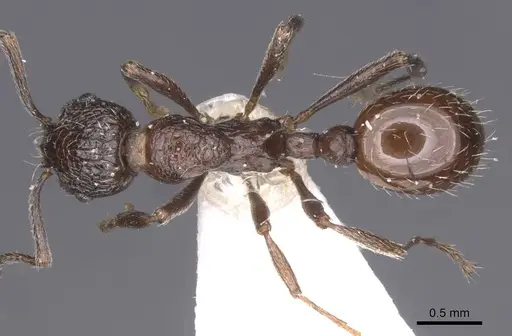
CASENT0917497
Посмотреть на AntWeb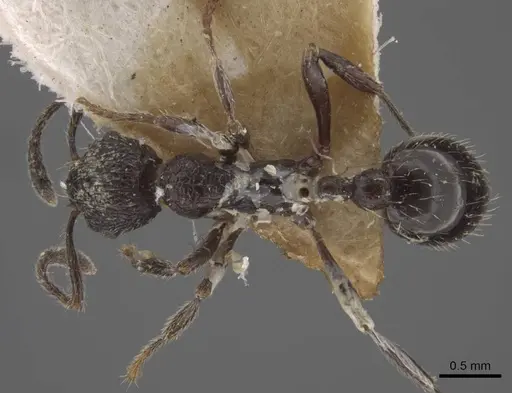
FOCOL1827
Посмотреть на AntWeb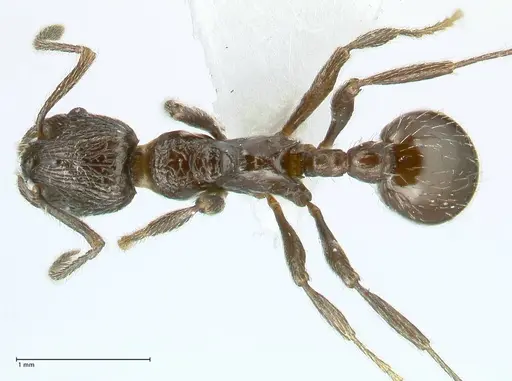
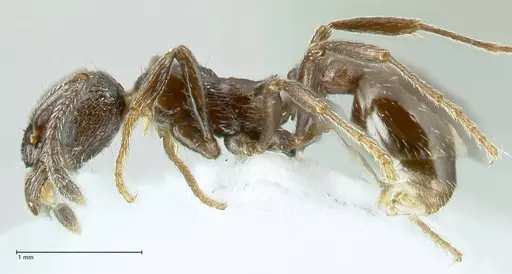
FOCOL1828-1
Посмотреть на AntWeb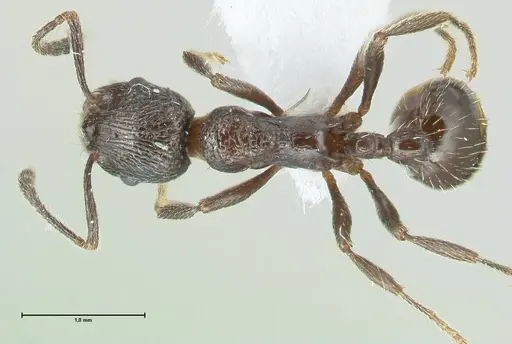
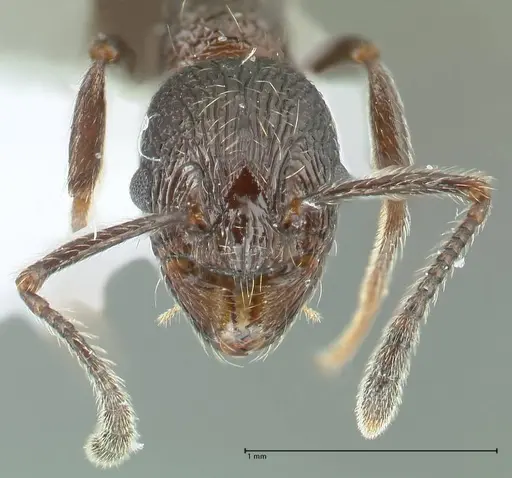
FOCOL1828-2
Посмотреть на AntWeb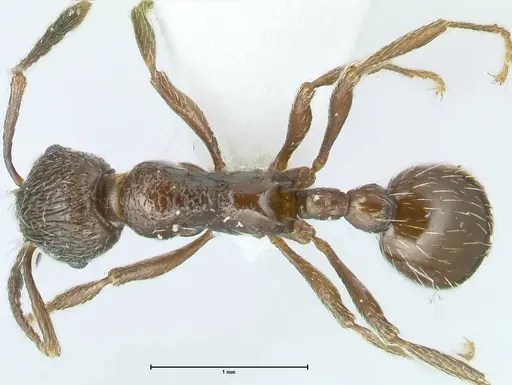
Литература
Загрузка карты распределения...Загрузка товаров...