
Myrmica excelsa
- Науч. назв.
- Myrmica excelsa
- Триба
- Myrmicini
- Подсемейство
- Myrmicinae
- Автор
- Kupyanskaya, 1990
- Распространение
- Встречается в 0 странах
Введение
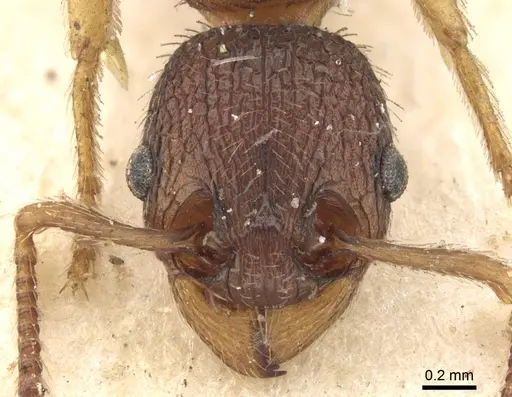
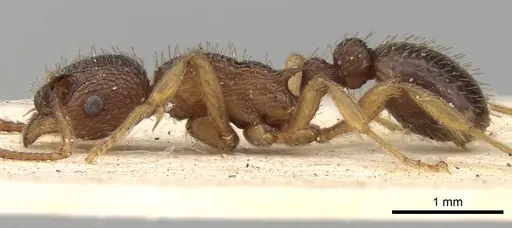
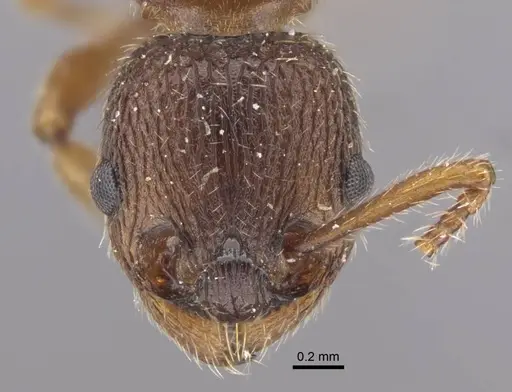
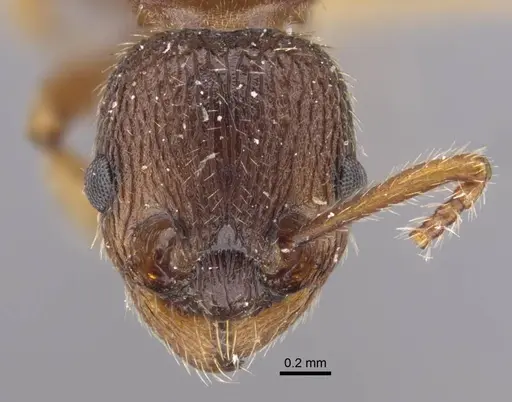
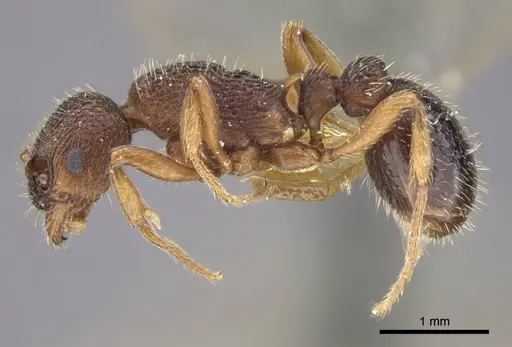
Myrmica excelsa is a small ant species native to East Asia, found across the southern Russian Far East, northeastern China, the Korean Peninsula, and Japan. Workers measure 4.0-4.4mm in total length with a dark reddish-brown body, while queens reach about 5.1mm . This species belongs to the lobicornis-group and is easily recognized by a unique raised ridge on the clypeus that creates a Tetramorium-like appearance - a feature shared with only two other Myrmica species . What makes M. excelsa interesting is its adaptability across different environments. In Russia's Far East, it nests in dead wood within fir and mixed forests, while in Korea and Japan it typically builds soil nests under stones in deciduous and mixed forests at elevations between 100-1500m . Workers are extremely cryptic, foraging close to the soil surface under leaf litter rather than on open ground.
Quick Summary
- Difficulty: Medium
- Origin & Habitat: Southern Russian Far East, northeastern China, Korean Peninsula, and Japan. In Russia, inhabits fir and mixed forests, in Korea, prefers deciduous and mixed forests (oak, beech, sweet chestnut, pine) at 100-650m altitude, in Japan, found in grasslands at 500-1500m elevation [2][3][4].
- Colony Type: Likely single-queen (monogyne) colonies based on typical Myrmica genus patterns. No specific research on colony structure for this species.
- Size & Growth:
- Queen: ~5.1mm total length [1]
- Worker: 4.0-4.4mm total length [1]
- Colony: Up to several hundred workers, typical for Myrmica species
- Growth: Moderate, typical for Myrmica genus
- Development: 6-10 weeks at optimal temperature based on genus-level Myrmica data (Development time inferred from related Myrmica species, specific data for M. excelsa unavailable)
- Antkeeping:
- Temperature: Keep around 20-24°C. This is a thermophilous (warmth-loving) species but not extreme, provide a gentle temperature gradient [2].
- Humidity: Moderate to high, they naturally inhabit forest floors with leaf litter. Keep nest substrate consistently moist but not waterlogged, with some drier areas available.
- Diapause: Yes, requires a winter hibernation period. Nuptial flights occur in August-September, indicating a temperate seasonal cycle [2].
- Nesting: In captivity, they do well in test tubes initially, then can be moved to Y-tong or plaster nests. Provide damp substrate and consider adding small stones or pieces of wood to simulate their natural dead wood/under-stone nesting sites.
- Behavior: Workers are very cryptic and secretive, they forage under leaf litter and rarely venture into open spaces. They are not aggressive and typically avoid confrontation. Escape prevention is important as they can squeeze through small gaps. They show typical Myrmica foraging behavior, searching for small prey and sugar sources near the nest entrance.
- Common Issues: colonies can fail if kept too dry, their forest floor habitat requires consistent moisture, their cryptic foraging means you may not see them much, leading to underfeeding if food is not monitored, hibernation is essential, skipping winter rest can weaken or kill colonies, slow growth compared to tropical species may frustrate beginners who overfeed and cause mold problems, tiny foragers can escape through standard test tube cotton if not properly sealed
Housing and Nest Setup
Myrmica excelsa does well in standard test tube setups for founding colonies. Use a test tube with a water reservoir sealed with cotton, the ants will drink from the water section and maintain humidity through the tube. Once the colony reaches 15-20 workers, consider moving to a Y-tong or plaster nest that allows you to maintain moderate humidity. These ants naturally nest under stones or in dead wood, so adding small stones or wood pieces to the outworld can make them feel more at home. Because they are cryptic foragers, keep the outworld relatively simple with leaf litter or a thin soil layer where they can forage without feeling exposed. [2]
Feeding and Diet
Like most Myrmica species, M. excelsa is omnivorous. Offer sugar water or honey as a constant energy source, and provide protein in the form of small insects like fruit flies, pinhead crickets, or mealworms. They are not aggressive hunters, so prey should be small and easy to capture. In the wild, they forage under leaf litter for tiny arthropods, so their prey drive is moderate rather than intense. Feed protein 2-3 times per week and keep sugar sources available at all times. Remove uneaten prey after 24 hours to prevent mold.
Temperature and Seasonal Care
This is a thermophilous species, meaning it prefers warmer conditions than many temperate ants, but it still needs a distinct winter rest period. Keep the nest around 20-24°C during the active season, with a slight gradient if possible. In late autumn (around October-November), gradually reduce temperature to simulate winter, aim for 5-10°C for 3-4 months. This hibernation period is critical for colony health and triggers reproductive behavior. Nuptial flights occur in August-September in the wild, so timing the hibernation right helps prepare colonies for mating flights. [2]
Behavior and Observation
M. excelsa workers are among the more secretive Myrmica species. They rarely forage in open areas and prefer to stay under cover, leaf litter, stones, or debris. This makes them less exciting to watch than some ant species, but their subtle behaviors are still fascinating. They are not particularly aggressive and will typically flee rather than fight when threatened. In the nest, they maintain typical Myrmica social structure with a single queen and workers caring for brood. Because of their small size and cryptic nature, excellent escape prevention is important, even small gaps can allow workers to slip through. [2]
Frequently Asked Questions
How long does it take for Myrmica excelsa to produce first workers?
Based on typical Myrmica development, expect 6-10 weeks from egg to first worker at optimal temperature (around 22°C). This is slower than many tropical species, so patience is key.
Do Myrmica excelsa ants sting?
Yes, Myrmica ants have stingers, but due to their small size, the sting is usually mild and barely noticeable to humans. They are not aggressive and will only sting if directly handled or threatened.
What temperature should I keep Myrmica excelsa at?
Keep them at 20-24°C during the active season. They are thermophilous (warmth-loving) but not extreme, room temperature in most homes is suitable. Provide a slight gradient so workers can choose their preferred temperature.
Do Myrmica excelsa need hibernation?
Yes, they require a winter rest period. Reduce temperatures to 5-10°C for 3-4 months during winter. This is essential for colony health and triggers reproductive behavior, nuptial flights occur in August-September in the wild.
How big do Myrmica excelsa colonies get?
Specific data is not available, but based on related Myrmica species, colonies likely reach several hundred workers. They are not among the largest Myrmica species.
Can I keep multiple Myrmica excelsa queens together?
This species is likely monogyne (single queen) based on typical Myrmica patterns. Combining unrelated queens is not recommended as they will likely fight.
What do Myrmica excelsa eat?
They are omnivorous. Offer sugar water or honey constantly, and feed small insects (fruit flies, pinhead crickets, mealworms) 2-3 times per week. They are not intense hunters due to their cryptic foraging style.
Are Myrmica excelsa good for beginners?
They are rated as medium difficulty. They require more attention to humidity and hibernation than some species, and their cryptic nature means less visible activity. Experienced antkeepers will find them rewarding, but they may frustrate beginners expecting active foragers.
When do Myrmica excelsa have nuptial flights?
Nuptial flights occur in August-September in their native range. If you keep this species in captivity, you can simulate this timing by ensuring proper hibernation cycles.
Why can't I see my Myrmica excelsa workers?
This is normal, M. excelsa is extremely cryptic. Workers forage under leaf litter and rarely come into open areas. Check under debris and along the edges of the nest setup to spot them.
Report an Issue
The current care sheet is based fully on literature. See inconsistencies, or something that's incorrect? Please , it will be resolved after review from an admin. Contributing to the blogs tab also helps providing information, to make us be able to further improve the caresheets. Thank you for your support!
References

Эта инструкция по уходу лицензирована по CC BY-SA 4.0 .
Блоги сообщества
CASENT0280825
Посмотреть на AntWeb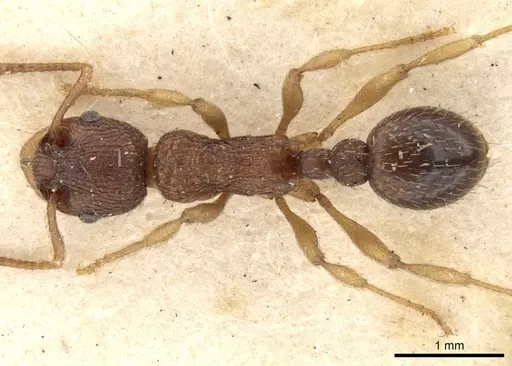
CASENT0917526
Посмотреть на AntWeb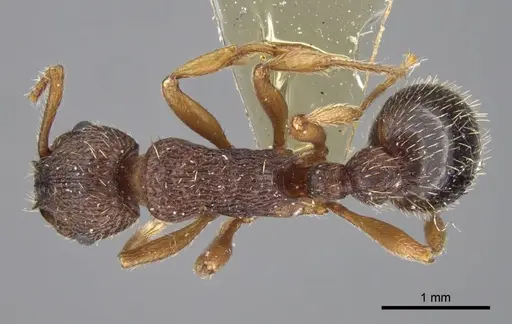
Литература
Загрузка карты распределения...Загрузка товаров...