
Dune Honey Ant
Myrmecocystus arenarius
- Науч. назв.
- Myrmecocystus arenarius
- Триба
- Lasiini
- Подсемейство
- Formicinae
- Автор
- Snelling, 1982
- Общее название
- Dune Honey Ant
- Распространение
- Встречается в 0 странах
Введение
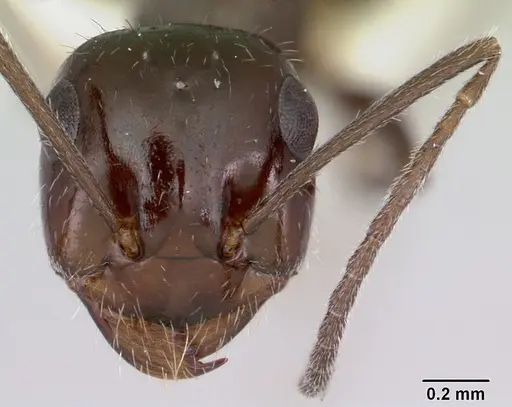
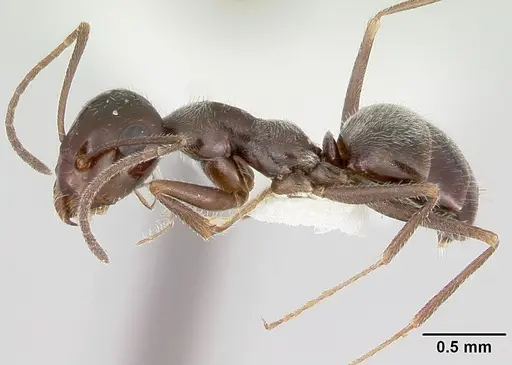
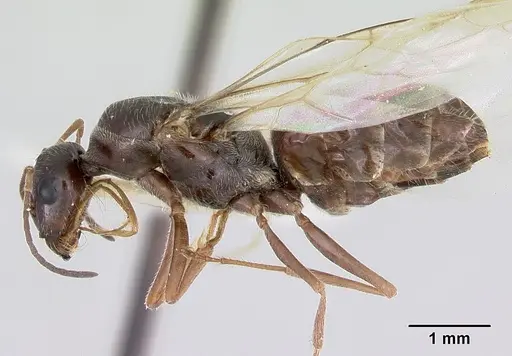
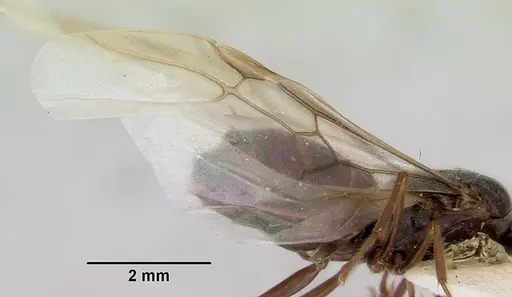
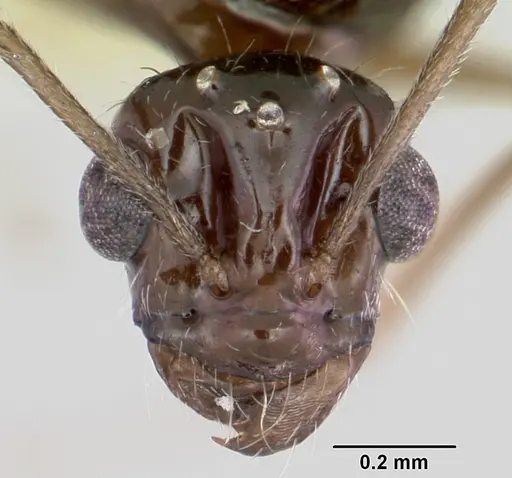
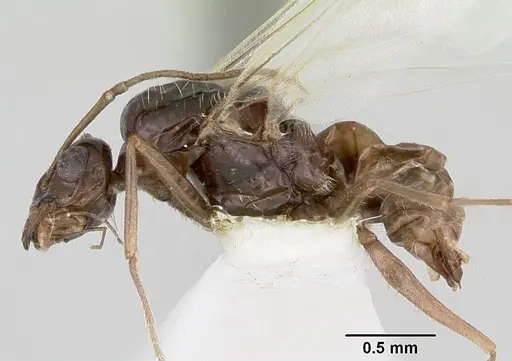
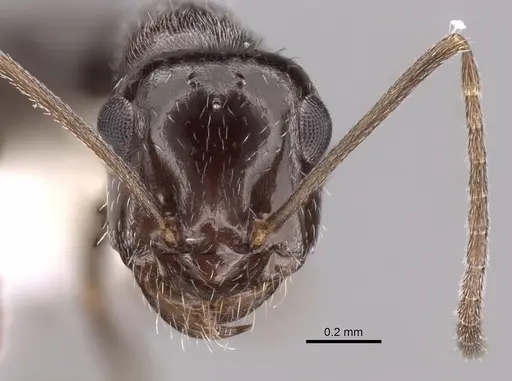
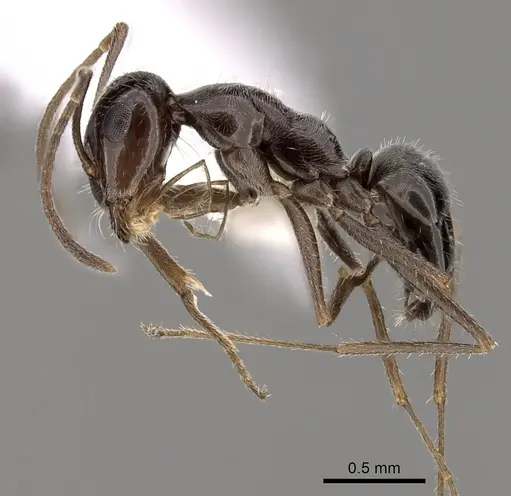
Myrmecocystus arenarius is a honey ant species native to the arid American Southwest, specifically documented in Nevada . These medium-sized ants are known for their repletes - specialized workers that store liquid food in their swollen abdomens, serving as living food reservoirs for the colony. Workers are reddish-brown to dark brown, while queens are larger. The species inhabits dry, sandy desert soils where they create underground chambers. Like other honey ants, they feed primarily on honeydew from aphids and scale insects, as well as nectar and small insects.
Quick Summary
- Difficulty: Medium
- Origin & Habitat: Native to the southwestern United States, specifically documented in Nevada. Inhabits arid desert environments with sandy or loose soil substrates [1].
- Colony Type: Likely monogyne based on typical Myrmecocystus patterns. Colonies develop repletes, specialized workers that store liquid food in their abdomens to survive dry periods.
- Size & Growth:
- Queen: size data unavailable, inferred from Myrmecocystus genus (~8-12mm)
- Worker: size data unavailable, inferred from Myrmecocystus genus (~4-7mm)
- Colony: up to several hundred workers, estimated from related species
- Growth: Moderate, typical for desert species with seasonal activity
- Development: development timeline unconfirmed (Development likely slower in cooler conditions and faster in warmth, typical of southwestern desert ants)
- Antkeeping:
- Temperature: Keep nest area warm with a slight gradient. They tolerate warmer conditions well given their desert origin. A heating cable on one side of the nest creates appropriate conditions. Temperature requirements are unconfirmed for this species.
- Humidity: Low to moderate humidity, these are desert ants. Keep the nest relatively dry with just minimal moisture in one area for brood development. Avoid damp conditions that can cause mold.
- Diapause: Yes, they likely need a winter rest period based on their temperate desert origin. Reduce temperature for 2-3 months during winter, mimicking natural seasonal cycles.
- Nesting: Y-tong or plaster nests work well. They prefer dry conditions. Provide sand or sandy soil as substrate if using a naturalistic setup.
- Behavior: Generally peaceful and non-aggressive. They are not known for stinging and pose minimal threat to keepers. Workers are active foragers that search for honeydew and small prey. Escape risk is moderate, use standard barriers but they are not particularly strong climbers. They are diurnal, most active during cooler parts of the day in captivity.
- Common Issues: colonies often fail if kept too damp, these desert species need dry nesting conditions, repletes can be injured if substrate is too loose or unstable during transport, winter dormancy is essential, skipping diapause weakens colonies over time, slow founding phase means beginners may give up too soon, wild-caught colonies may have parasites that kill them in captivity
Nest Preferences
Myrmecocystus arenarius nests in dry, sandy desert soils in the wild. In captivity, they do well in Y-tong or plaster nests that maintain dry conditions. Provide a small water chamber connected to the nest but not directly in the brood area, this allows you to control humidity precisely. The nest should have chambers sized appropriately for their medium size. Avoid overly compact substrates that could crush repletes. A thin layer of sand or fine grit as substrate works well for naturalistic setups. They do not need dark nesting conditions as much as some species, moderate ambient light is fine.
Feeding and Diet
Honey ants are specialized feeders that rely heavily on carbohydrate sources. Offer sugar water (1:1 ratio) or honey water constantly, this is essential for replete development. They also readily accept honeydew if you can collect it, or commercial honeydew substitutes. For protein, offer small insects like fruit flies, pinhead crickets, or mealworms. Feed protein 2-3 times per week. Unlike some ants, they are not aggressive predators, small, easy-to-catch prey works best. Fresh killed prey is preferred over live for most keepers, though they will hunt if given live insects. Avoid overfeeding as uneaten prey can cause mold issues in their dry nests.
Temperature and Seasonal Care
These desert ants thrive in warm conditions. Keep the nest area at warm temperatures during the active season. A small heating cable placed on top of one end of the nest creates a gentle gradient that lets workers choose their preferred temperature. During winter (roughly November through February in the Northern Hemisphere), gradually reduce temperature to induce diapause. This winter rest is essential for colony health and long-term survival. Do not feed during diapause but keep a small water source available. Return to warm conditions gradually in spring to trigger renewed activity and breeding.
Behavior and Colony Dynamics
The most notable aspect of Myrmecocystus is their replete system. Certain workers (repletes) specialize in storing liquid food in their distended abdomens, these become living food banks that the colony relies on during lean times. You may see these workers with notably swollen abdomens hanging in the nest. The colony will solicit food from them when needed. Workers are generally peaceful and spend time foraging for honeydew and small insects. They are not aggressive toward keepers and rarely attempt to sting. Activity levels are highest during the warmer months with reduced activity in winter. Colonies grow moderately, expect several months to a year before you see significant numbers.
Frequently Asked Questions
Can I keep Myrmecocystus arenarius in a test tube?
Test tubes can work for founding colonies but are not ideal long-term. The founding phase works fine in a test tube with a water reservoir, but once workers emerge, transfer to a Y-tong or plaster nest. These ants need dry conditions that test tubes don't provide well, and you'll want to observe the repletes develop.
How long until first workers with Myrmecocystus arenarius?
Development timeline is unconfirmed for this species. Based on related Myrmecocystus species, expect several months from egg to first worker at optimal temperature. The founding queen seals herself in and raises the first brood alone, be patient and avoid disturbing the nest during this critical period.
What do I feed Myrmecocystus arenarius?
Sugar sources are essential, offer sugar water (1:1 with water) or honey water constantly. For protein, provide small insects like fruit flies, small crickets, or mealworms 2-3 times weekly. They are not aggressive predators so prey should be small and easy to capture.
Do Myrmecocystus arenarius need hibernation?
Yes, they likely need a winter rest period based on their desert origin in temperate regions. Reduce temperature for 2-3 months during winter. This diapause is essential for colony health, skipping it weakens the colony and can reduce lifespan. Stop feeding during this period but maintain minimal water availability.
Are Myrmecocystus arenarius good for beginners?
They are moderate difficulty, easier than some tropical species but require attention to their need for dry conditions and seasonal temperature changes. Their peaceful nature and interesting replete behavior make them rewarding for keepers willing to provide proper care.
How big do Myrmecocystus arenarius colonies get?
Based on related species, colonies likely reach several hundred workers. Growth is moderate, expect the first year to focus on establishing the colony with numbers increasing more rapidly in subsequent years with proper care.
When should I move Myrmecocystus arenarius to a formicarium?
Move them once the founding chamber is fully established and workers are actively foraging, typically after the first batch of workers has emerged and the colony has 10-20 workers. A Y-tong or plaster nest works well for these desert species.
Why are my Myrmecocystus arenarius dying?
The most common causes are excessive moisture (they need dry conditions), improper temperature (too cold or no gradient), or skipping winter diapause. Check that the nest is not too damp and that you are providing a temperature gradient. Also ensure they have constant access to sugar sources.
Can I keep multiple queens together?
Colony type is unconfirmed for this species. Based on typical Myrmecocystus patterns, they are likely monogyne (single queen). Combining unrelated queens is not recommended as they will likely fight. If you capture a founding queen, house her alone until workers emerge.
Report an Issue
The current care sheet is based fully on literature. See inconsistencies, or something that's incorrect? Please , it will be resolved after review from an admin. Contributing to the blogs tab also helps providing information, to make us be able to further improve the caresheets. Thank you for your support!
References

Эта инструкция по уходу лицензирована по CC BY-SA 4.0 .
Блоги сообщества
CASENT0103513
Посмотреть на AntWeb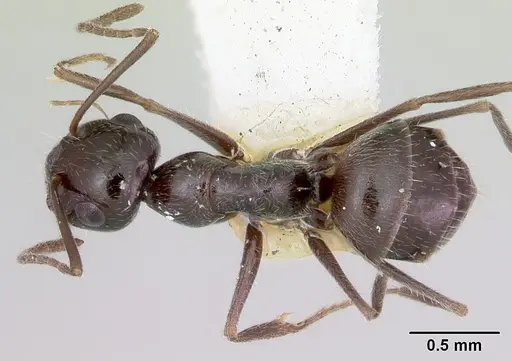
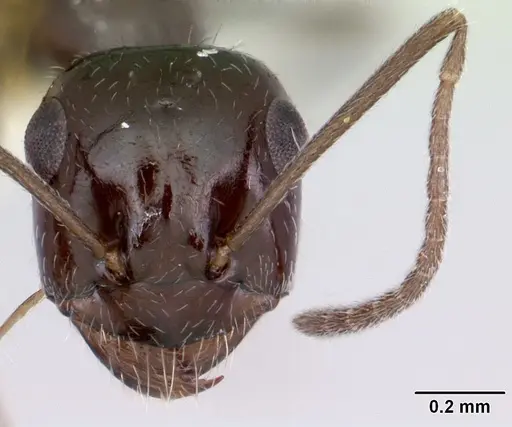
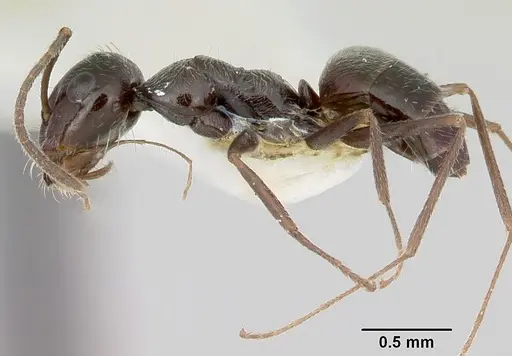
CASENT0103514
Посмотреть на AntWeb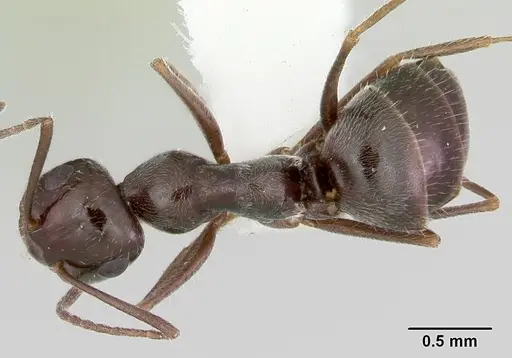
CASENT0103515
Посмотреть на AntWeb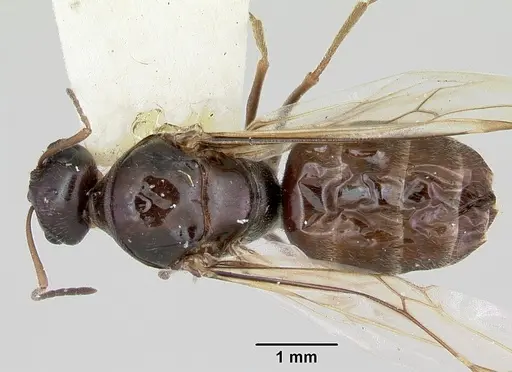
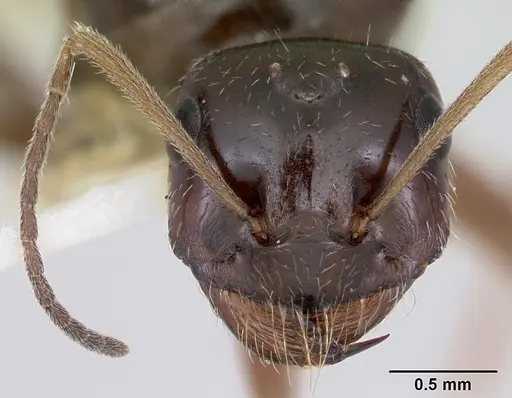
CASENT0105773
Посмотреть на AntWeb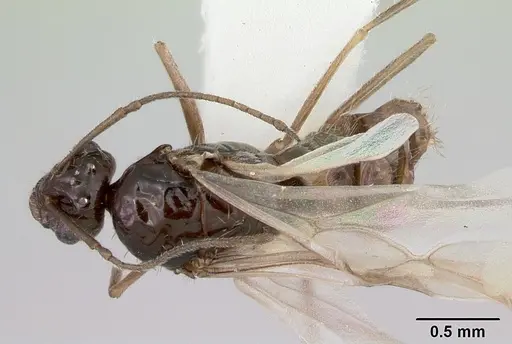
CASENT0280526
Посмотреть на AntWeb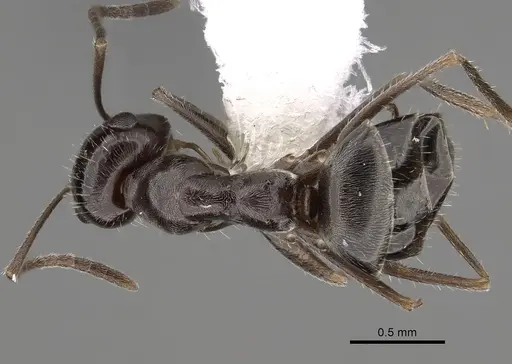
Литература
Загрузка карты распределения...Загрузка товаров...