
Myrmecina bandarensis
- Науч. назв.
- Myrmecina bandarensis
- Триба
- Crematogastrini
- Подсемейство
- Myrmicinae
- Автор
- Forel, 1913
- Распространение
- Встречается в 0 странах
Введение
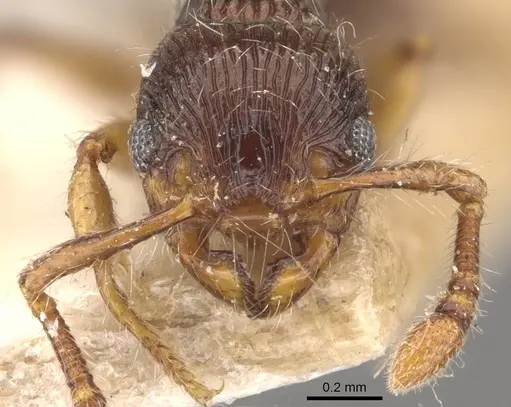
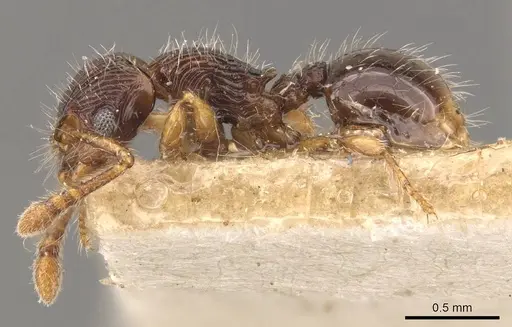
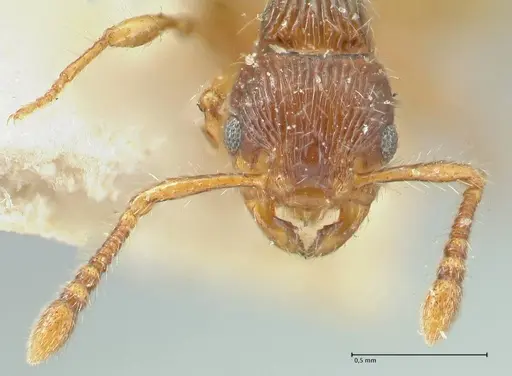
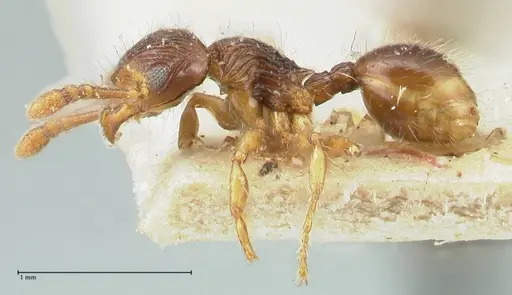
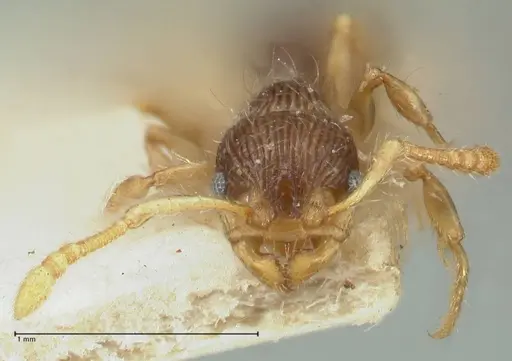
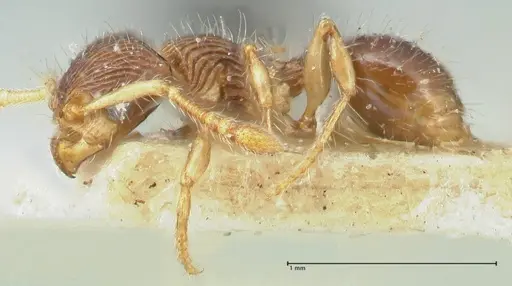
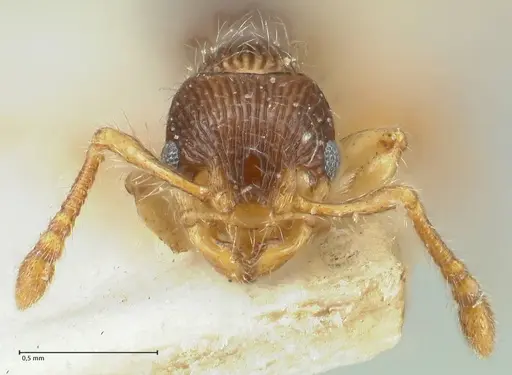
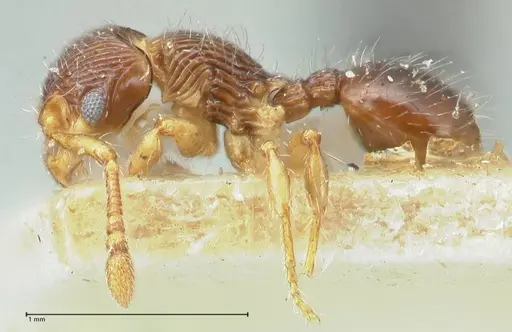
Myrmecina Bandarensis is a tiny ant species native to Sumatra, Indonesia, and nearby Singapore. Workers measure approximately 2.5mm in total length, making them one of the smaller ant species you'll encounter in the hobby. They have a distinctive appearance with extremely large, convex eyes that take up about a quarter of their head length, and long antennal scapes that extend beyond the back of their head. Their body is brown to reddish-brown with yellowish-brown mandibles, antennae, and legs. The head and mesosoma have thick, longitudinal rugae, and they possess small propodeal spines . This species is part of the Myrmecina genus, which contains around 51 valid species distributed across the Indomalayan region, with some species found in the Nearctic and Palearctic zones. Unlike many common ant species, Myrmecina ants are specialized predators that primarily hunt oribatid mites (tiny soil mites). They form small colonies typically containing fewer than 150 workers . The genus is poorly studied in terms of captive biology, so keeping this species presents both a challenge and an opportunity to learn about these fascinating tiny predators.
Quick Summary
- Difficulty: Medium
- Origin & Habitat: Tropical Southeast Asia, specifically Sumatra, Indonesia, and Singapore. They inhabit forest floor environments in the Indomalayan region [1][2].
- Colony Type: Likely monogyne (single queen) based on genus patterns, though colony structure is unconfirmed for this specific species. Colonies are small, typically under 150 workers [3].
- Size & Growth:
- Queen: Size data unavailable, no queen measurements exist for this species. Based on related Myrmecina species, queens are likely around 3-4mm.
- Worker: 2.48-2.60mm total length [1].
- Colony: Small colonies of 30 to less than 150 workers [3].
- Growth: Unknown, likely slow to moderate based on small colony size and tropical origin.
- Development: Unconfirmed, likely 6-10 weeks at tropical temperatures based on related Myrmecina species and typical Myrmicinae development. (No specific development data exists for this species. Expect slower growth than faster-developing genera like Lasius or Camponotus.)
- Antkeeping:
- Temperature: Keep at 24-28°C, mimicking their tropical Sumatra habitat. A gentle gradient allowing them to move between warmer and cooler areas is ideal. Room temperature may be sufficient in warm climates, but a heating cable on one side of the nest can help maintain optimal range.
- Humidity: Moderate to high humidity (60-80%). Keep the nest substrate consistently moist but not waterlogged. These are forest floor ants, so they appreciate some damp substrate but also need dry areas to escape excess moisture. Mist occasionally and monitor condensation levels.
- Diapause: No, being a tropical species from Sumatra, they do not require hibernation. Maintain consistent temperatures year-round.
- Nesting: Small, tight chambers work best for these tiny ants. They do well in small test tubes (for founding colonies), Y-tong nests with narrow passages, or small plaster formicariums. The chambers should be appropriately scaled to their 2.5mm size, avoid large, open spaces. Naturalistic setups with moist soil and small hiding structures also work well.
- Behavior: Myrmecina ants are specialized predators, primarily hunting oribatid mites (tiny soil-dwelling mites). They are not aggressive toward humans and are too small to sting effectively. Workers are active foragers that search the substrate for prey. Because of their tiny size, escape prevention is critical, they can squeeze through remarkably small gaps. They are not known for being escape artists in the traditional sense, but their small size means standard barriers may not contain them. Colonies are peaceful and non-territorial outside their nest area. As members of the Myrmicinae subfamily, they possess a modified stinger used for smearing venom rather than piercing [3].
- Common Issues: escape prevention is critical due to their extremely small 2.5mm size, use fine mesh and tight-fitting lids, lack of biological data means you are essentially pioneering captive care for this species, specialized diet requirements, they need small live prey (oribatid mites or similar micro-arthropods), which may be difficult to source consistently, small colony size means slower population growth and less resilience to mistakes, wild-caught colonies may have parasites that can decimate small colonies
Housing and Nest Setup
Because Myrmecina Bandarensis workers are only 2.5mm long, you need to think small when setting up their home. For a founding colony (queen alone), a standard test tube setup works well, just make sure the cotton is packed tightly enough that tiny workers cannot squeeze past it. As the colony grows, transfer to a small formicarium with chambers appropriately sized for their tiny workers. Y-tong nests with narrow passages or small plaster nests work well. Avoid large, open spaces that can make these small ants feel exposed or lost. A naturalistic setup with moist soil, small stones, and leaf litter can also work, though it makes observation more difficult. Whatever nest type you choose, ensure excellent escape prevention, these ants can and will find any gap larger than about 1mm. [1][2]
Feeding and Diet
This is the most critical aspect of keeping Myrmecina ants successfully. Myrmecina species are specialized predators that primarily hunt oribatid mites, tiny soil-dwelling mites that are much smaller than standard feeder insects [3]. In captivity, you should attempt to culture or source small live prey. Potential options include: cultured oribatid mites (if available from specialized suppliers), small springtails (collembola), or other micro-arthropods. Standard feeder insects like fruit flies might be accepted, but may be too large for their tiny mandibles. Sugar sources are unlikely to be accepted, these are specialized predators, not sugar-seekers. Do not expect them to readily take honey water or sugar water like Lasius or Camponotus species. Feed small prey items every few days, removing any uneaten prey after 24-48 hours to prevent mold. The key challenge is establishing a reliable food source for these specialized predators.
Temperature and Humidity
Being from tropical Sumatra, Myrmecina Bandarensis needs warm, stable conditions. Aim for temperatures between 24-28°C, this is warmer than most room temperatures in temperate climates. A heating cable placed on one side of the nest can create the necessary gradient, but always place it on top of the nest, not underneath, to avoid evaporating all the moisture. For humidity, target 60-80% relative humidity. Keep the nest substrate consistently moist but not waterlogged. These forest floor ants appreciate a damp environment but need some drier areas within the nest to escape if conditions become too wet. Check moisture levels every few days and rehydrate when the surface starts drying. Do not let the nest dry out completely, but also avoid constant standing water.
Colony Establishment and Growth
Starting a Myrmecina colony from a wild-caught queen can be challenging since we don't have confirmed data on their founding behavior. Based on typical Myrmicinae patterns, the queen likely seals herself in a small chamber and raises her first workers alone (claustral founding), living off her stored fat reserves. However, this is an inference, not a certainty. The first workers (nanitics) will be tiny, even smaller than mature workers. Colony growth is slow, expect months to reach even 30 workers. The maximum colony size appears to be around 150 workers based on genus patterns [3]. This small colony size means each individual is precious, and the colony has less resilience than larger species. Be patient and avoid disturbing the queen during the founding stage. Once workers are established, they are active foragers that will hunt throughout the nest area.
Observing Their Unique Features
One of the most striking features of Myrmecina Bandarensis is their extraordinarily large eyes, they have 7-8 ommatidia (individual eye units) and the eyes take up about a quarter of the head length [1][2]. This is unusual among ants and suggests they may rely more on vision than many other ant species. Watch for their foraging behavior, unlike ants that simply recruit to food, these tiny predators actively hunt for small prey across the substrate. Their long antennal scapes (the basal segment of the antenna) extend beyond the back of their head, another distinctive feature. When observing, use good lighting and magnification, at 2.5mm, these ants are easy to miss! A magnifying glass or macro lens can help you appreciate their unique morphology. Take notes on their behavior since there is so little documented about this species in captivity.
Frequently Asked Questions
How long does it take for Myrmecina Bandarensis to produce first workers?
The exact timeline is unconfirmed, but based on related Myrmecina species and typical Myrmicinae development at tropical temperatures, expect 6-10 weeks from egg to first worker. Being a small tropical species, development may be on the slower end of this range. Patience is essential, do not disturb the queen during this critical period.
What do I feed Myrmecina Bandarensis ants?
Myrmecina species are specialized predators on oribatid mites. You should attempt to culture or obtain small live prey such as oribatid mites, springtails, or other micro-arthropods. Standard feeder insects are likely too large. Sugar sources are unlikely to be accepted, these are obligate predators, not nectar feeders.
Do Myrmecina Bandarensis ants sting?
At 2.5mm, these ants are far too small to penetrate human skin or deliver any noticeable sting. They are completely harmless to humans and show no aggression toward keepers.
Are Myrmecina Bandarensis good for beginners?
No, this species is not recommended for beginners. There is almost no captive care information available, they require specialized live prey that can be difficult to source, and their tiny size makes them challenging to house and contain. They are better suited for experienced antkeepers who want to pioneer care for an understudied species.
How big do Myrmecina Bandarensis colonies get?
Based on genus patterns, colonies reach a maximum of around 150 workers [3]. This is a small colony size compared to most common ant species in the hobby. The colony will remain compact throughout its life.
Do I need to hibernate Myrmecina Bandarensis?
No, being a tropical species from Sumatra, they do not require hibernation or winter cooling. Maintain consistent tropical temperatures (24-28°C) year-round. Sudden temperature drops can stress or kill the colony.
Why are my Myrmecina Bandarensis dying?
Common causes include: prey items being too large (they need tiny micro-arthropods), temperatures being too cold (need 24-28°C), humidity being too dry, or escape-related deaths (their tiny size makes escape easy). Also consider parasites, wild-caught colonies may carry mites or other parasites that can devastate small colonies.
Can I keep multiple queens together?
Not recommended. There is no data on colony founding behavior for this species, and combining unrelated queens of any ant species typically leads to fighting. Start with a single queen and allow the colony to grow naturally.
What is the best nest type for Myrmecina Bandarensis?
Small, tight chambers scaled to their 2.5mm size work best. A small test tube for founding, then a Y-tong or small plaster nest with narrow passages as the colony grows. Avoid large, open spaces. Excellent escape prevention is essential regardless of nest type.
Where is Myrmecina Bandarensis found in the wild?
Myrmecina Bandarensis is native to Sumatra, Indonesia, and has also been recorded in Singapore. They live in forest floor environments in the tropical Indomalayan region [1][2].
Report an Issue
The current care sheet is based fully on literature. See inconsistencies, or something that's incorrect? Please , it will be resolved after review from an admin. Contributing to the blogs tab also helps providing information, to make us be able to further improve the caresheets. Thank you for your support!
References

Эта инструкция по уходу лицензирована по CC BY-SA 4.0 .
Блоги сообщества
CASENT0908953
Посмотреть на AntWeb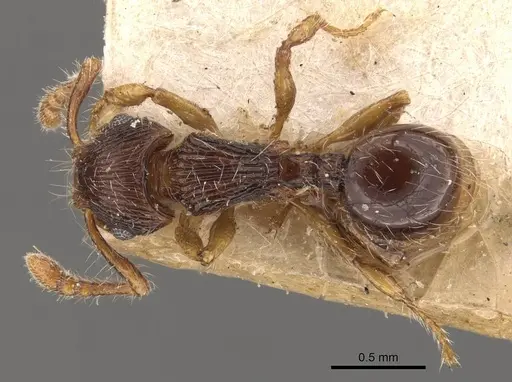
FOCOL1945
Посмотреть на AntWeb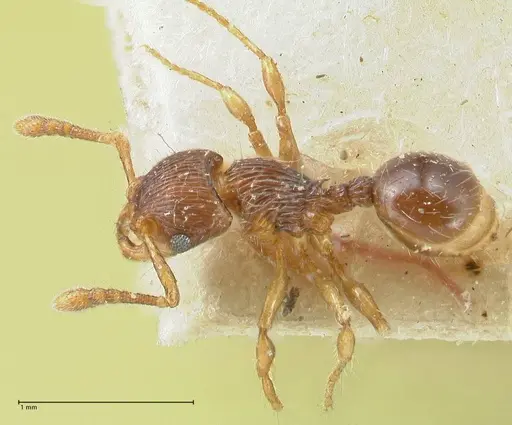
FOCOL1946
Посмотреть на AntWeb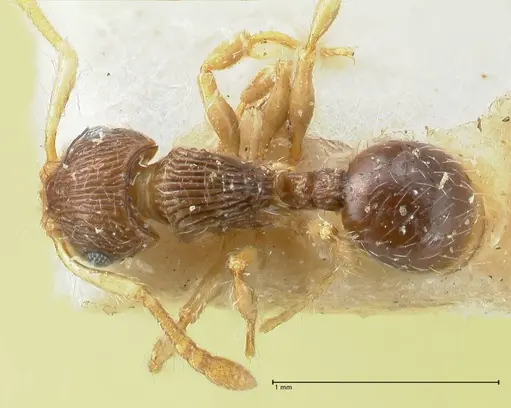
FOCOL1947
Посмотреть на AntWeb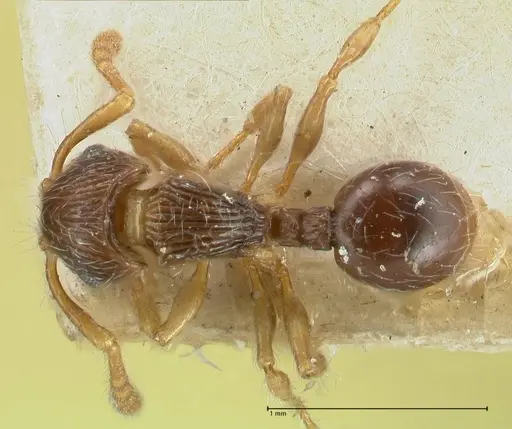
Литература
Загрузка карты распределения...Загрузка товаров...