
Mycetophylax nemei
- Науч. назв.
- Mycetophylax nemei
- Триба
- Attini
- Подсемейство
- Myrmicinae
- Автор
- Kusnezov, 1957
- Распространение
- Встречается в 0 странах
Введение
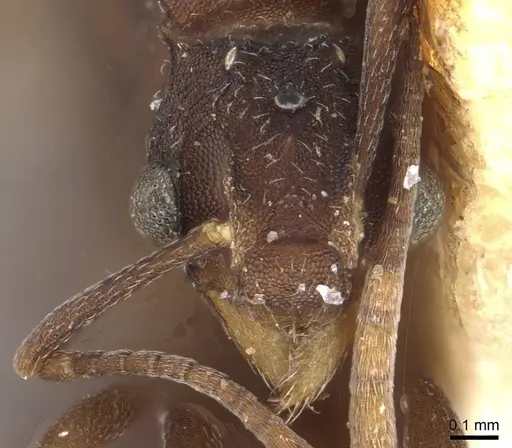
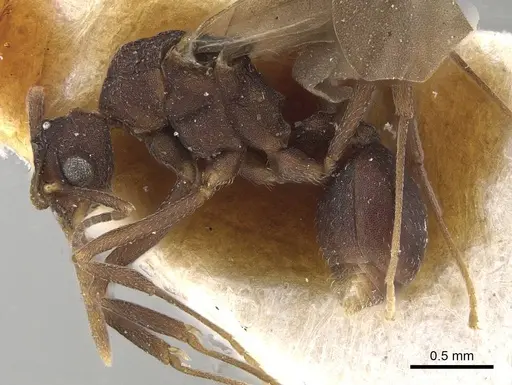
Mycetophylax nemei is a tiny fungus-farming ant from the Attini tribe, found only in northern Argentina. Queens measure 3.5mm total length and have a light rusty brown color with darker markings on the head . This species belongs to the group of ants that cultivate fungus for food, similar to the well-known leafcutter ants but much smaller. The worker caste is known from only a single specimen that has since been lost, making this one of the rarest and least-studied Attini ants in existence. The nuptial flight occurred on February 17,1953 in the subtropical forests of Salta Province, when 8 queens and 107 males were captured together .
Quick Summary
- Difficulty: Expert
- Origin & Habitat: Known only from the subtropical forests of Salta Province in northern Argentina, specifically from the valley Soco Hondo in the Reserva Nacional Estancia El Rey [2]. As a fungus-farming ant, it lives in humid forest environments similar to other Attini species.
- Colony Type: Colony structure is unconfirmed. Only known from nuptial flight specimens.
- Size & Growth:
- Antkeeping:
- Temperature: Unknown, no thermal studies exist for this species
- Humidity: Unknown, no humidity data available for this species
- Diapause: Unknown, no overwintering data exists. Argentina's subtropical climate may not require a true diapause.
- Nesting: Unknown, no natural nesting observations exist. Related species typically nest in soil or decaying wood.
- Behavior: Behavior is unstudied. As a fungus-farming ant, they likely forage for organic material to cultivate their fungal garden. Related species are generally non-aggressive. This species possesses a stinger but it is less medically significant to humans. Escape risk is low given their tiny size, but standard barrier precautions should still be taken.
- Common Issues: this species has never been kept in captivity, no husbandry information exists, the worker caste is only known from a single lost specimen, making identification difficult, no colony size data exists, making growth expectations uncertain, fungal cultivation requirements are completely unknown for this species, wild-caught colonies may be nearly impossible to obtain as the species is only known from a single nuptial flight collection
Species Overview and Taxonomic History
Mycetophylax nemei was originally described as Mycetophylax nemei by Kusnezov in 1957 based on workers, queens, and males collected during a nuptial flight in Argentina. The species was later transferred to the genus Mycetophylax by Sosa-Calvo et al. in 2017. The taxonomic history is complicated by the loss of the holotype worker specimen, which was collected separately from the reproductive specimens. Kempf (1964) noted that this species may eventually be synonymized with Mycetophylax olitor due to the striking variability observed in that species. The queen measures 3.5mm total length, making it one of the smallest Attini queens known. The type series consists of 8 females and 107 males collected on February 17,1953,in the subtropical forest of the valley Soco Hondo in Salta Province, Argentina [2].
Fungus-Farming Biology
Mycetophylax nemei belongs to the tribe Attini, a group of New World ants known for their obligate mutualism with cultivated fungi. Unlike the famous leafcutter ants (Atta and Acromyrmex) that cut and transport fresh plant material to feed their fungus, most Mycetophylax species collect organic debris, insect fragments, and other materials to nourish their fungal gardens. The specific fungal species cultivated by M. nemei is unknown, as no colonies have been studied. Related species in the genus typically maintain small fungal gardens in underground chambers. The queen likely carries a small fungal pellet in her infrabuccal pocket during the nuptial flight and colony founding, which she uses to start a new garden once established. This is standard behavior for Attini queens. The exact nutritional requirements and whether this species accepts supplemental feeding are completely unknown.
Distribution and Habitat
This species is known only from a single collection event in northern Argentina. The type locality is the valley Soco Hondo in the Reserva Nacional Estancia El Rey, Salta Province. This area lies in the subtropical forest zone of northwestern Argentina, characterized by high humidity and warm temperatures year-round. The region experiences seasonal rainfall with a drier winter period. No ecological observations exist for this species in the wild, so we must infer its habitat preferences from related species. Other Mycetophylax species are typically found in humid forest floor environments, often nesting in soil or decaying wood. The elevation range is unknown. The extreme rarity of this species, known from only a single collection, suggests it may be either genuinely rare, locally distributed, or simply overlooked due to its tiny size. [2]
Keeping This Species - Challenges and Considerations
Mycetophylax nemei represents one of the most challenging ant species to keep due to the complete lack of any husbandry information. No colonies have ever been maintained in captivity, and the worker caste is only known from a single lost specimen. If you were to obtain this species, you would essentially be pioneering its captive care. Key challenges include the unknown fungal cultivation requirements, the unknown diet preferences of the ants themselves, and the complete lack of temperature and humidity data. Success would require careful documentation and sharing of results with the antkeeping community. This species is absolutely not suitable for beginners, it is truly an expert-level challenge for species preservation and study.
Nuptial Flight and Reproduction
The only known reproductive event for this species was observed on February 17,1953,when 8 queens and 107 males were captured during a nuptial flight in the subtropical forest of Salta Province, Argentina [2]. This date falls during the southern hemisphere summer (February), which is consistent with the typical reproductive season for many subtropical and tropical ant species. No other collection records exist, so the exact timing and conditions of nuptial flights remain unknown. The collection of multiple queens and males together suggests synchronized mating flights. The fate of the captured specimens and whether any colonies were established from them is unknown. For antkeepers, this means the species is essentially unavailable in the hobby and would require either locating wild colonies or establishing cultures from the very limited type material if it still exists.
Frequently Asked Questions
Can I keep Mycetophylax nemei as a pet ant?
This species has never been kept in captivity and no husbandry information exists. It would be an extremely challenging species to maintain and is not recommended for any level of antkeeper. The complete lack of information on its fungal cultivation requirements, diet, and environmental needs makes successful captive maintenance highly unlikely without significant research.
Where does Mycetophylax nemei live in the wild?
This species is known only from the subtropical forests of Salta Province in northern Argentina. The only collection event occurred in the valley Soco Hondo in the Reserva Nacional Estancia El Rey on February 17,1953. No other records exist.
What do Mycetophylax nemei ants eat?
As a fungus-farming ant (Attini tribe), they cultivate fungus for food. The specific diet is unknown, but related Mycetophylax species typically collect organic debris, insect fragments, and other materials to feed their fungal gardens. The ants themselves likely consume the fungal gongylidia (specialized food structures produced by the fungus).
How big do Mycetophylax nemei colonies get?
Colony size is completely unknown. No colony has ever been studied or documented.
Does Mycetophylax nemei need hibernation?
Diapause requirements are unknown. The species comes from subtropical Argentina, which has mild winters without true cold periods. Some seasonal slow-down may occur, but a formal hibernation period is likely not required.
What temperature and humidity does Mycetophylax nemei need?
No specific data exists for this species. Temperature and humidity requirements remain unstudied.
How long does it take for Mycetophylax nemei to develop from egg to worker?
The development timeline is completely unknown. No observations of colony development exist for this species.
Can I find Mycetophylax nemei in the wild to catch?
This species is known from a single collection event in 1953 and has never been found since. The worker caste was only known from a lost specimen. Finding this species in the wild would require significant effort in the remote subtropical forests of Salta Province, Argentina, and would likely be unsuccessful.
Is Mycetophylax nemei available in the antkeeping hobby?
This species is essentially unavailable in the antkeeping hobby. It has never been cultured in captivity and is known from only a single historical collection. No colonies exist in private collections or research facilities that we are aware of. The species remains a mystery in both the scientific literature and the hobby.
Report an Issue
The current care sheet is based fully on literature. See inconsistencies, or something that's incorrect? Please , it will be resolved after review from an admin. Contributing to the blogs tab also helps providing information, to make us be able to further improve the caresheets. Thank you for your support!
References

Эта инструкция по уходу лицензирована по CC BY-SA 4.0 .
Блоги сообщества
CASENT0911148
Посмотреть на AntWeb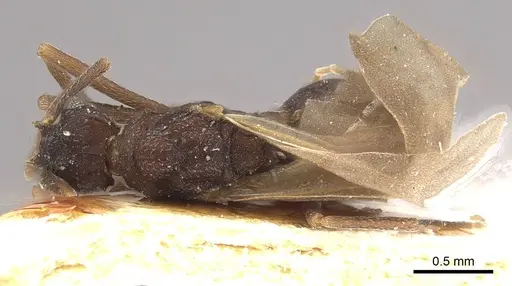
Литература
Загрузка карты распределения...Загрузка товаров...