
Monomorium libanicum
- Науч. назв.
- Monomorium libanicum
- Триба
- Solenopsidini
- Подсемейство
- Myrmicinae
- Автор
- Tohmé & Tohmé, 1980
- Распространение
- Встречается в 0 странах
Введение
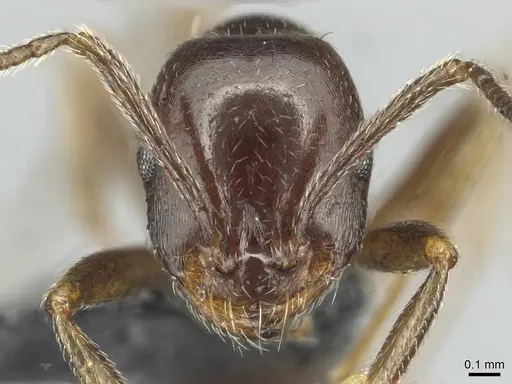
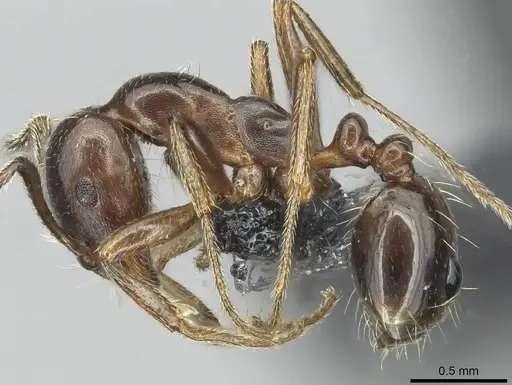
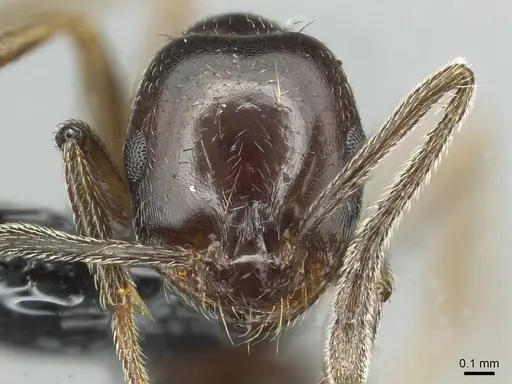
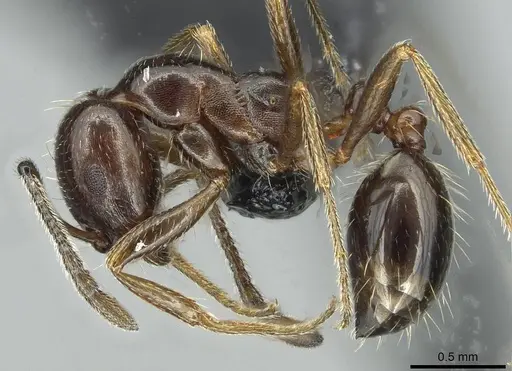
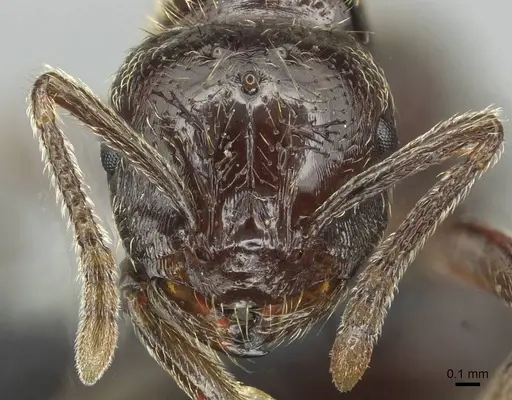
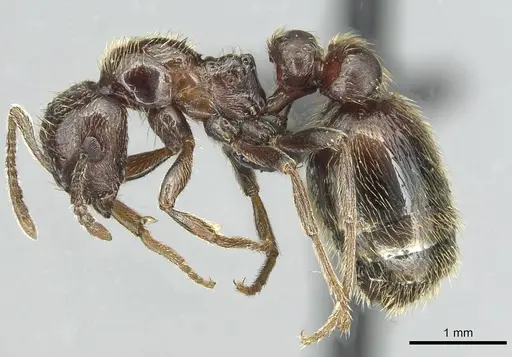
Monomorium libanicum is a tiny ant species endemic to the mountains of Lebanon. Workers are small, dark brown to black ants. This species was originally described as Epixenus libanicus in 1980 before being reclassified to Monomorium by Bolton in 1987 . The species has a unique reproductive system - it has ergatoid queens only, meaning reproductive females are wingless and develop from worker larvae within the colony rather than as flying queens . In the wild, they inhabit mountainous red soil areas at elevations of 1200-1920 meters in the Laqlouq region, where they form mutualistic relationships with aphids including Aphis fabae and Aphis frangulae .
Quick Summary
- Difficulty: Medium
- Origin & Habitat: Endemic to the mountains of Lebanon in the Palaearctic region. Found at elevations of 1200-1920 meters in the Laqlouq region, typically on red soils [1][2].
- Colony Type: Ergatoid queen system only, colonies reproduce using wingless ergatoid queens rather than typical winged queens. Replacement reproductives develop from existing worker larvae when needed [3].
- Size & Growth:
- Queen: size data unavailable, inferred from Monomorium genus patterns (~4-5mm)
- Worker: size data unavailable, inferred from Monomorium genus patterns (~2-4mm)
- Colony: up to several hundred workers, estimated from typical Monomorium colony sizes
- Growth: Moderate, estimated from related species
- Development: 6-10 weeks estimated based on typical Myrmicinae development at room temperature (Development time is estimated from related Monomorium species, specific timing for this species has not been documented)
- Antkeeping:
- Temperature: Keep at room temperature, roughly 18-24°C. Being from Mediterranean mountain elevations, they can tolerate cooler conditions than tropical species. A gentle gradient allowing them to choose their preferred temperature works best [1].
- Humidity: Moderate humidity around 50-70%. Red soil habitats suggest they prefer well-drained conditions rather than constantly wet substrate. Allow the nest to dry slightly between waterings [1].
- Diapause: Likely yes, being from a temperate mountain region with distinct seasons, they probably need a winter rest period. However, specific diapause requirements are unconfirmed for this species.
- Nesting: In captivity, they do well in test tubes or small formicariums with soil-based substrate. The red soil findings suggest they prefer mineral soils. Provide a small, snug nest space scaled to their tiny size. Y-tong nests or plaster nests with soil chambers work well.
- Behavior: These are small, generally peaceful ants that tend aphids for honeydew. They are not aggressive and rarely sting due to their tiny size. Their small size means they can escape through small gaps, use fine mesh barriers. They are relatively inactive compared to some ants and prefer to stay within their nest territory. Foraging is typically done in columns, and they will readily tend aphid colonies if available [4].
- Common Issues: escape prevention is critical due to their tiny size, they can squeeze through standard barrier gaps, colonies may be slow to establish due to their ergatoid reproduction system, aphid mutualism means they benefit from sugar sources but protein is still needed, wild-caught colonies may have parasites specific to their native range, overheating is a risk, being from cool mountain elevations, they do not tolerate high heat
Housing and Nest Setup
Monomorium libanicum is a tiny ant that needs appropriately scaled housing. Test tubes work well for founding colonies, but you may need to use cotton stoppers rather than standard foam as the ants are small enough to potentially squeeze past standard barriers. For established colonies, a small formicarium with narrow chambers works better than large open spaces. They prefer a soil-based substrate that drains well, the red soil findings from their natural habitat suggest they do not do well in constantly wet conditions. A small water reservoir connected to a foraging area is sufficient. Because of their tiny size, escape prevention is critical: use fluon barriers on test tube rims and ensure all connection points are sealed [1].
Feeding and Diet
Like most Monomorium species, M. libanicum is omnivorous with a strong preference for sweet substances. In the wild, they form mutualistic relationships with aphids including Aphis fabae and Aphis frangulae, tending these insects for honeydew [4]. In captivity, offer sugar water, honey, or diluted syrup regularly. They also need protein, small prey items like fruit flies, pinhead crickets, or other tiny insects work well. Because they are so small, prey items should be appropriately sized. Some keepers report success with commercial ant foods, but fresh options are generally better. Feed protein roughly twice weekly, and keep sugar water available at all times.
Temperature and Seasonal Care
This species comes from mountainous Lebanon at elevations of 1200-1920 meters, so they are adapted to cooler conditions than many Myrmicinae. Room temperature (18-24°C) is ideal. They can tolerate temperatures as low as 15°C for short periods but should be kept warmer for active growth. Avoid overheating, temperatures above 30°C can be harmful. During winter, a slight temperature reduction simulating natural seasonal cycles may benefit the colony, though specific diapause requirements are not well documented. If your room temperature drops significantly in winter, this likely provides the rest period they need. Monitor colony activity: if workers become sluggish, they may be too cold, if they cluster away from the nest center, they may be too warm. [1][2]
Understanding Ergatoid Reproduction
Monomorium libanicum has a unique reproductive system among ants, it has ergatoid queens only. Unlike typical ant queens that are winged and fly away to start new colonies, ergatoid queens are wingless and develop within the colony from regular worker larvae. When a colony needs new reproductives, some larvae develop into ergatoid queens instead of workers. This means colonies can produce replacement reproductives without swarming. For keepers, this affects how colonies reproduce: you will not see nuptial flights, and colony reproduction happens when the colony is mature enough to produce ergatoids. This also means colonies may be slower to produce reproductives than species with typical winged queens [3].
Defense Mechanism
Monomorium libanicum belongs to the subfamily Myrmicinae and tribe Solenopsidini. Like other members of this group, they defend themselves using a sting. The venom is composed primarily of piperidine alkaloids, which they use for hunting prey and defending the colony.
Frequently Asked Questions
How long does it take for Monomorium libanicum to produce first workers?
Based on typical Monomorium development, expect 6-10 weeks from egg to first worker at room temperature (20-24°C). This is an estimate since specific development timing has not been documented for this species. Founding colonies may take longer as the queen establishes herself.
Can I keep multiple Monomorium libanicum queens together?
This species has an ergatoid queen system. Unlike some Monomorium species that can be polygynous, M. libanicum produces ergatoid replacement reproductives within established colonies. Combining unrelated foundress queens is not recommended as it has not been studied and could result in aggression.
What do Monomorium libanicum ants eat?
They are omnivorous with a strong sweet tooth. Offer sugar water, honey, or diluted syrup constantly. For protein, provide small prey like fruit flies, tiny crickets, or other appropriately-sized insects. They are known to tend aphids in the wild, so they will readily accept honeydew sources if available [4].
Are Monomorium libanicum ants good for beginners?
They are rated as medium difficulty. They are small and require careful escape prevention, but their peaceful nature and moderate care requirements make them manageable for intermediate antkeepers. Beginners may struggle with their tiny size and escape prevention.
What temperature do Monomorium libanicum ants need?
Room temperature (18-24°C) is ideal. Being from mountainous Lebanon, they prefer cooler conditions than many tropical ants and can tolerate temperatures down to around 15°C. Avoid temperatures above 30°C as this can harm the colony.
Do Monomorium libanicum ants need hibernation?
Likely yes, given their origin in a temperate region with distinct seasons. However, specific diapause requirements are unconfirmed. If you keep them at room temperature year-round, they may not need a formal hibernation. If you experience cold winters, a period of reduced temperatures (10-15°C) for 2-3 months may benefit the colony.
How big do Monomorium libanicum colonies get?
Based on typical Monomorium species, colonies likely reach several hundred workers at maturity. They are not among the largest ants, but a healthy colony should reach 200-500 workers over time with proper care.
Why are my Monomorium libanicum ants escaping?
Their tiny size means they can squeeze through gaps that seem impossible. Use fluon barriers on all test tube rims and formicarium openings. Check all connection points between the nest and outworld. Fine mesh (0.5mm or smaller) is essential for any ventilation holes.
When should I move my colony to a formicarium?
Move them when the test tube water section becomes contaminated or the colony has outgrown the tube (typically 50+ workers). They prefer small, snug chambers, so do not jump to a large formicarium, an appropriately-sized setup works better than an oversized one.
Report an Issue
The current care sheet is based fully on literature. See inconsistencies, or something that's incorrect? Please , it will be resolved after review from an admin. Contributing to the blogs tab also helps providing information, to make us be able to further improve the caresheets. Thank you for your support!
References

Эта инструкция по уходу лицензирована по CC BY-SA 4.0 .
Блоги сообщества
CASENT0913769
Посмотреть на AntWeb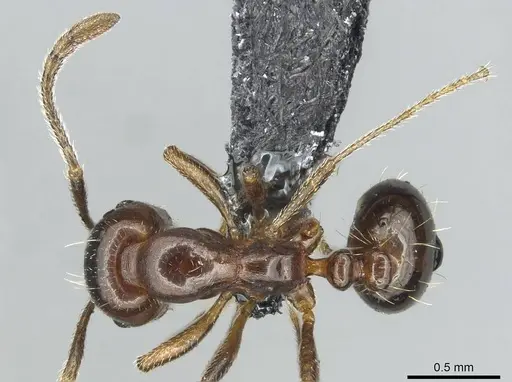
CASENT0913770
Посмотреть на AntWeb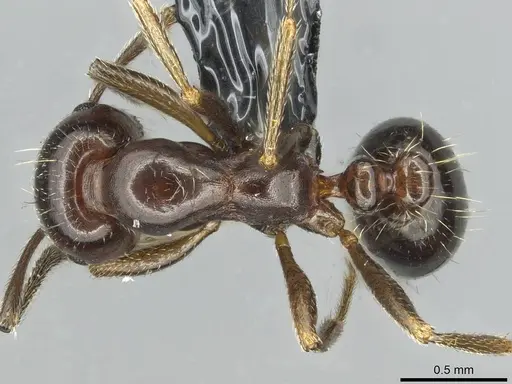
CASENT0913771
Посмотреть на AntWeb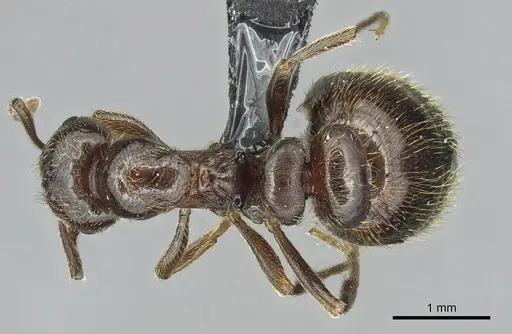
Литература
Загрузка карты распределения...Загрузка товаров...