
Messor postquadratus
- Науч. назв.
- Messor postquadratus
- Триба
- Stenammini
- Подсемейство
- Myrmicinae
- Автор
- Santschi, 1932
- Распространение
- Встречается в 0 странах
Введение
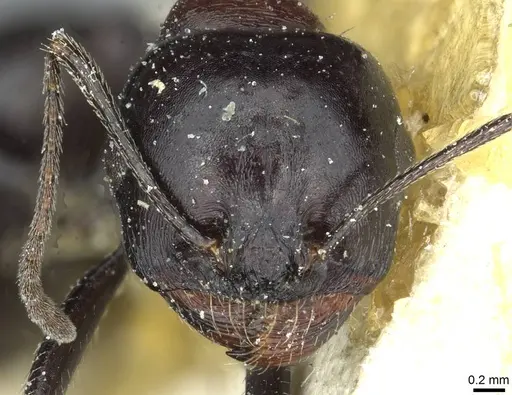
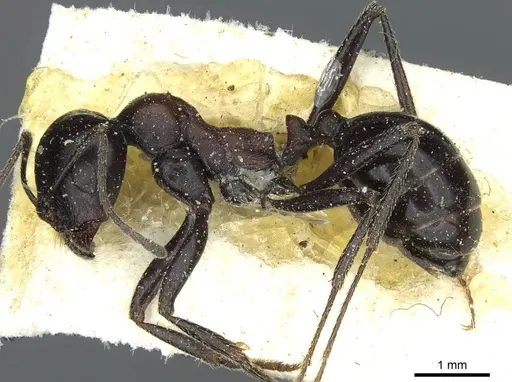
Messor postquadratus is a Saharan harvester ant species native to the dunes of Algeria, with a recent confirmed range extension to Djerba Island, Tunisia . Workers have a distinctive vinous red or wine-red coloration on their back (dorsum), a shiny head that is only slightly roughened, and relatively large eyes . As a Messor species, these ants are classic seed harvesters - they collect and store seeds as their primary food source, making them important for seed dispersal in their desert ecosystem. This is a poorly studied species with limited documented information in scientific literature, but it's known to form very populous colonies with thousands of workers that create extensive foraging columns .
Quick Summary
- Difficulty: Medium
- Origin & Habitat: Saharan dunes of Algeria (Touggourt region) and recently documented in Djerba, Tunisia [2][1]. This is a desert species adapted to hot, dry conditions with sparse vegetation.
- Colony Type: Colony structure is unconfirmed, no specific data on queen number for this species. Observed colonies reach thousands of workers [1].
- Size & Growth:
- Queen: Size data unavailable, no direct measurements in available literature
- Worker: Small, approximately 4-5 mm estimated from genus patterns (figure scale bar suggests ~1mm for the scale reference, not the ant size) [1]
- Colony: Very populous, thousands of workers documented in established colonies [1]
- Growth: Unknown, no development data available for this species
- Development: Unconfirmed, no direct measurements. Estimated 6-10 weeks based on typical Messor genus development patterns. (Development timeline is unconfirmed for this species. Related Messor species typically take 6-10 weeks from egg to worker at optimal temperatures.)
- Antkeeping:
- Temperature: Saharan species, keep warm, roughly 24-30°C. Provide a temperature gradient allowing workers to self-regulate. This species is adapted to high desert temperatures.
- Humidity: Low, desert species. Keep nest area relatively dry, similar to their natural Saharan dune habitat. Provide a small water source but avoid damp conditions.
- Diapause: Unknown, no specific data on overwintering requirements for this Saharan species. Most Messor species from temperate regions require winter diapause, but this species' exact needs are unconfirmed.
- Nesting: Natural nesting occurs in desert dunes and sandy soil. In captivity, use a dry, sandy substrate in a test tube setup for founding colonies, transitioning to a naturalistic or Y-tong nest with dry chambers as the colony grows. Avoid moist substrates.
- Behavior: Seed-harvesting ants (Messor) that form extensive foraging columns. Workers are small but numerous, creating well-organized trails to collect seeds. They store seeds in granaries within the nest, a behavior called seed banks. Colonies are highly active foragers, especially during cooler morning and evening hours in captivity to avoid heat stress. Escape risk is moderate due to small worker size, use standard barrier precautions. Not aggressive toward humans.
- Common Issues: limited information makes care recommendations uncertain, this is a poorly studied species, desert species may be sensitive to humidity, avoid damp nest conditions, thousands of workers means colonies need significant space as they mature, foraging columns require adequate outworld space for movement, winter dormancy requirements are unconfirmed
Species Background and Distribution
Messor postquadratus is a Saharan harvester ant originally described from Touggourt in Algeria by Santschi in 1932. It was initially classified as a subspecies of M. medioruber and M. sublaeviceps before being raised to full species status in 2020 through taxonomic revision of the Messor genus in the Maghreb region [2]. The species has recently been documented on Djerba Island, Tunisia, representing both a new record for the island and the country [1]. This is a genuinely rare species in scientific literature with very little documented information about its biology, behavior, or captive care requirements. The Djerba observation found a colony in the gardens of an abandoned hotel, with thousands of workers forming extensive foraging columns extending in all directions around the nest [1]. The species is characterized by its vinous red (wine-red) dorsal coloration, shiny head that is only slightly roughened, and relatively large eyes [3].
Housing and Nest Setup
As a Saharan dune species, Messor postquadratus requires dry, warm housing conditions. For founding colonies, a standard test tube setup works well, fill the tube with water and cotton, then place the queen in a dark area. The founding chamber should remain relatively dry. Once the colony reaches 20-30 workers, consider transitioning to a naturalistic setup with a sandy or dry soil substrate or a Y-tong nest with dry chambers. Avoid moist substrates, this species is adapted to arid conditions and will struggle with damp nesting material. Provide a temperature gradient by placing the nest on one side of the enclosure with gentle heating (around 26-28°C in the warm zone). The outworld should allow for extensive foraging space since these ants form large worker columns. Ensure escape prevention is adequate, though workers are small so standard barriers typically suffice.
Feeding and Diet
As a Messor species, these ants are seed harvesters by nature, they collect seeds from plants and store them in granaries within their nest. This is called a seed bank behavior and is one of the most fascinating aspects of Messor ant biology. In captivity, offer a variety of small seeds (grass seeds, millet, poppy seeds) as their primary food source. They will collect and store these just as they would in the wild. Additionally, provide protein sources occasionally such as small insects (fruit flies, small mealworms), though seeds should form the bulk of their diet. A small water source should always be available.
Temperature and Seasonal Care
Being a Saharan species, Messor postquadratus prefers warm conditions, aim for 24-30°C with a slight gradient so workers can self-regulate. Room temperature in most homes (around 20-24°C) may be acceptable, but providing a warm zone around 26-28°C will likely result in better colony activity and growth. During winter, the diapause requirements for this species are unconfirmed since it's from a warmer Saharan region. Consider providing a mild winter rest period (around 4-6 weeks at 15-18°C) based on typical Messor genus behavior, but monitor your colony's response. The key is avoiding both prolonged cold and excessive heat.
Colony Development and Growth
This species can form very populous colonies, the Djerba observation documented thousands of workers in a single colony [1]. However, the exact development timeline from egg to worker is unconfirmed for this specific species. Based on typical Messor genus patterns, expect 6-10 weeks from egg to first worker (nanitic) at optimal temperatures. Growth rate is likely moderate. The founding process is unconfirmed for this species, claustral founding is typical for Messor but has not been directly documented. Queens likely have substantial fat reserves to survive the founding period without foraging. Be patient with founding colonies, it can take several months before the first workers emerge.
Frequently Asked Questions
How long does it take for Messor postquadratus to produce first workers?
The exact timeline is unconfirmed for this species, but based on typical Messor genus patterns, expect 6-10 weeks from egg to first worker at optimal temperatures (around 26-28°C). Be patient, founding colonies can take several months before the first nanitic workers emerge.
What do Messor postquadratus ants eat?
They are seed harvesters. Offer a variety of small seeds (grass seeds, millet, poppy seeds) as their primary food, they will collect and store these in granaries. Occasional protein in the form of small insects is also appreciated.
Can I keep Messor postquadratus in a test tube?
Yes, test tubes work well for founding colonies. Use a standard water tube setup and keep it relatively dry. Once the colony reaches 20-30 workers, consider moving to a larger setup with more foraging space.
Do Messor postquadratus ants need hibernation?
Unknown, no specific data on overwintering requirements for this Saharan species. Most Messor species benefit from a winter rest period, but this species' exact needs are unconfirmed. Consider providing 4-6 weeks at cooler temperatures (around 15-18°C) and reduce feeding during this time.
How big do Messor postquadratus colonies get?
Very large, documented wild colonies reach thousands of workers [1]. In captivity, with proper care, expect colonies to eventually reach several thousand workers.
What temperature is best for Messor postquadratus?
Keep them warm, around 24-30°C with a slight gradient. A warm zone of 26-28°C is ideal. They are Saharan dune species adapted to hot conditions.
Are Messor postquadratus good for beginners?
This species is rated as Medium difficulty. While not the most challenging, there is limited documented care information for this specific species, which adds some uncertainty. Experienced antkeepers will have an easier time adapting to the species' needs.
Do Messor postquadratus ants sting?
Messor ants have stingers but are not aggressive toward humans. They are considered safe for handling.
When should I move my Messor postquadratus colony to a formicarium?
Move from test tube to a larger setup once the colony reaches roughly 20-30 workers. A naturalistic setup with sandy substrate or a Y-tong nest with dry chambers works well for this desert species.
Why are my Messor postquadratus workers dying?
Common causes include excessive humidity (they are desert ants, keep nesting area dry), temperatures that are too cool, or poor seed quality. Check that substrate is not damp and that temperatures are in the 24-30°C range.
Report an Issue
The current care sheet is based fully on literature. See inconsistencies, or something that's incorrect? Please , it will be resolved after review from an admin. Contributing to the blogs tab also helps providing information, to make us be able to further improve the caresheets. Thank you for your support!
References

Эта инструкция по уходу лицензирована по CC BY-SA 4.0 .
Блоги сообщества
CASENT0913195
Посмотреть на AntWeb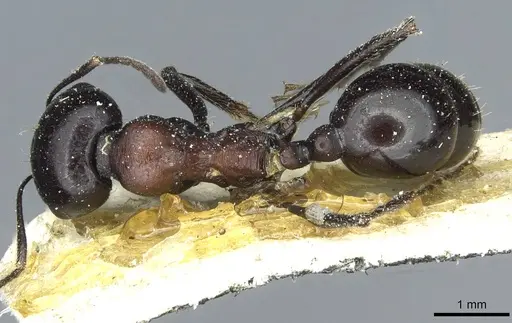
Литература
Загрузка карты распределения...Загрузка товаров...