
Messor muraywahus
- Науч. назв.
- Messor muraywahus
- Триба
- Stenammini
- Подсемейство
- Myrmicinae
- Автор
- Collingwood & Agosti, 1996
- Распространение
- Встречается в 0 странах
Введение
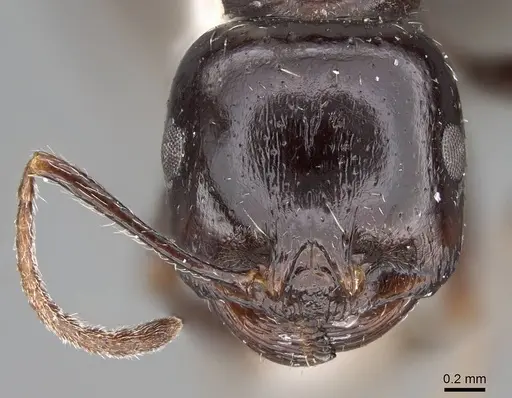
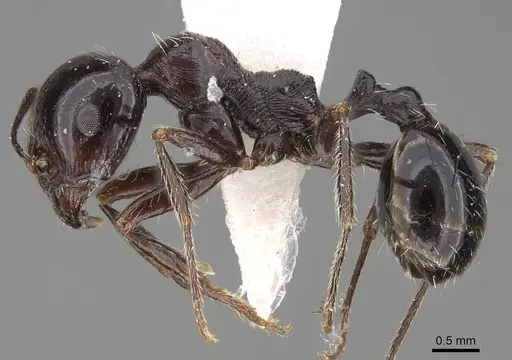
Messor muraywahus is a medium-sized harvester ant native to Saudi Arabia, specifically known from the Al-Muraywah region in the eastern part of the country . Workers measure approximately 6.5mm in total length . They have a distinctive appearance with relatively large eyes compared to related species, a steeply angled petiole, and blunt propodeal teeth. The body has short, scattered hairs with longer hairs on the pronotum, petiole, and postpetiole. The head is moderately shining with fine punctures, while the alitrunk shows transverse striations. This species was described in 1996 and remains poorly studied - literally nothing is documented about its biology in the wild or in captivity . As a Palearctic species from Saudi Arabia, they are likely adapted to warm, dry conditions with seasonal temperature fluctuations .
Quick Summary
- Difficulty: Medium
- Origin & Habitat: Saudi Arabia, specifically the Al-Muraywah region (28°45'N,44°00'E). They inhabit dry, open habitats typical of the Arabian Peninsula desert and semi-desert environments [1][2].
- Colony Type: Unknown, the colony structure of this specific species has not been documented. Most Messor species are monogyne, but this has not been confirmed for M. muraywahus.
- Size & Growth:
- Queen: Size data unavailable, no queen measurements have been documented for this species.
- Worker: 6.5mm total length (holotype measurement) [2]
- Colony: Unknown for this species, no colony size data exists in literature.
- Growth: Unknown, no development data available for this species
- Development: Unknown, no direct data exists for this species (Care recommendations are estimates based on genus-level patterns for similar harvester ants.)
- Antkeeping:
- Temperature: Keep at 24-28°C, with a slight gradient allowing warmer and cooler areas. As a species from Saudi Arabia (28.75°N latitude), they likely tolerate warm conditions well [3].
- Humidity: Low to moderate, prefer dry conditions. Provide a water source via test tube but avoid damp substrate. Desert-adapted species do best with lower humidity than tropical ants.
- Diapause: Unknown, no documented data exists for this species. Based on the Palearctic origin and seasonal climate of Saudi Arabia, a winter rest period may be beneficial but this is unconfirmed.
- Nesting: Use a dry nest setup. Y-tong (AAC) nests work well for medium-sized Myrmicinae. Provide sand or sandy soil as substrate if using a naturalistic setup. Avoid overly damp conditions.
- Behavior: Behavior is unconfirmed for this species. As a Messor species, they are likely seed-harvesting ants that collect and process seeds, but no specific observations exist. Workers are approximately 6.5mm making them moderate-sized ants that require standard barrier precautions.
- Common Issues: no documented biology means all care requirements are estimates, monitor your colony and adjust accordingly, dry habitat needs can conflict with providing water, balance by offering water via test tube without saturating the nest, winter dormancy requirements are unconfirmed, observe your colony for reduced activity patterns, limited availability in the antkeeping hobby means finding established colonies may be difficult, this species is poorly documented so keeper experience reports are rare
Nest Preferences
Messor muraywahus is a desert-adapted species from Saudi Arabia that likely prefers dry, well-ventilated nesting conditions. In captivity, Y-tong (AAC) nests work well for this species, they provide the darkness ants need while allowing you to observe the colony. The chambers should be appropriately sized for medium-sized ants. If using a naturalistic setup, provide a sandy substrate that allows for tunnel construction. Avoid moist or humid nest conditions, these ants are adapted to arid environments and can develop mold problems in damp setups. A test tube water reservoir connected to the nest provides drinking water without creating excessive humidity.
Feeding and Diet
As a Messor species, M. muraywahus is likely primarily a seed-harvester. They probably collect seeds from their environment and store them in granaries within the nest for later consumption. In captivity, offer a variety of seeds, grass seeds, millet, and small birdseed mixes are likely readily accepted. Messor ants have specialized workers (majors) with large heads that can process seeds by crushing them. Beyond seeds, they also likely accept small insects for protein, particularly during colony growth periods when brood demand is high. Offer protein sources like fruit flies, small crickets, or mealworms. Sugar water or honey can be offered occasionally, though seeds should form the bulk of their diet. Remove uneaten seeds periodically to prevent mold issues.
Temperature and Seasonal Care
This Saudi Arabian species likely thrives at warm temperatures in the 24-28°C range. Provide a temperature gradient so workers can self-regulate by moving between warmer and cooler areas of the nest. A heating cable or mat on one side of the nest (placed on top, not underneath, to avoid excessive drying) can help maintain appropriate temperatures. Given their origin at approximately 28.75°N latitude in the Palearctic region, they likely experience seasonal temperature changes in the wild [3]. Reduced activity during winter months is possible, though a diapause period is not definitively documented for this species. During active season, maintain warm conditions consistently.
Behavior and Colony Dynamics
Behavior is unconfirmed for Messor muraywahus. As a Messor species, they likely exhibit typical harvester ant behavior where workers emerge from the nest to forage for seeds and small prey, carrying items back to the colony for storage or consumption. Larger workers (majors) probably develop in established colonies and assist with seed processing and nest defense. The colony will likely establish defined foraging patterns. Workers are not documented as particularly aggressive, but will respond to perceived threats by defending the nest. The moderate size of these ants (6.5mm) makes them visible and engaging to observe. Standard escape prevention measures (Fluon barriers, tight-fitting lids) are sufficient for this species.
Frequently Asked Questions
How long does it take for Messor muraywahus to produce first workers?
Unknown, no development data exists for this species. Estimates based on related Messor species suggest 6-10 weeks at optimal temperature, but this is unconfirmed.
What do Messor muraywahus ants eat?
They are likely seed-harvesters. Offer a variety of small seeds (grass seeds, millet, birdseed mix) as their primary food. They also likely need protein from small insects like fruit flies, small crickets, or mealworms. Occasional sugar water or honey can be offered as well.
Can I keep Messor muraywahus in a test tube setup?
Yes, test tubes work well for founding colonies. Use a standard test tube setup with a water reservoir. However, once the colony grows beyond 20-30 workers, transition to a proper nest (Y-tong or naturalistic) to accommodate their seed storage needs and larger colony size.
Do Messor muraywahus ants need hibernation?
Unknown, no documented data exists for this species. Based on their Palearctic origin in Saudi Arabia, a winter rest period may be beneficial but this is unconfirmed.
Are Messor muraywahus good for beginners?
They are rated Medium difficulty. The main challenge is that their specific biology is poorly documented, so keepers must rely on genus-level care guidelines. They are likely hardier than many exotic tropical species and may tolerate some variation in conditions. However, their likely dry habitat requirements require attention.
How big do Messor muraywahus colonies get?
The maximum colony size is unknown for this species, no colony size data exists in literature.
Do Messor muraywahus ants sting?
They have a stinger but its use against humans is not documented for this species. As medium-sized Myrmicinae, they could potentially sting if handled roughly or if the colony feels threatened. They are not considered dangerous to humans.
What temperature should I keep Messor muraywahus at?
Keep them at 24-28°C with a slight gradient. A heating cable on part of the nest can help maintain warmth. Avoid temperatures below 20°C during the active season.
Can I keep multiple Messor muraywahus queens together?
The colony structure is unconfirmed for this species. Most Messor species are monogyne (single queen). Combining unrelated queens is not recommended without evidence that this species accepts multiple queens.
Why are my Messor muraywahus dying?
Common causes include: excessive humidity (they prefer dry conditions), temperatures too low, improper feeding (too much sugar, not enough seeds/protein), or stress from disturbance during founding. Ensure proper dry habitat conditions and appropriate seed-based diet.
Report an Issue
The current care sheet is based fully on literature. See inconsistencies, or something that's incorrect? Please , it will be resolved after review from an admin. Contributing to the blogs tab also helps providing information, to make us be able to further improve the caresheets. Thank you for your support!
References

Эта инструкция по уходу лицензирована по CC BY-SA 4.0 .
Блоги сообщества
CASENT0922315
Посмотреть на AntWeb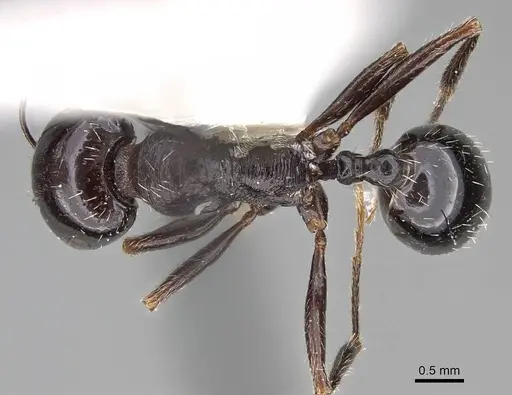
Литература
Загрузка карты распределения...Загрузка товаров...