
Messor laboriosus
- Науч. назв.
- Messor laboriosus
- Триба
- Stenammini
- Подсемейство
- Myrmicinae
- Автор
- Santschi, 1927
- Распространение
- Встречается в 0 странах
Введение
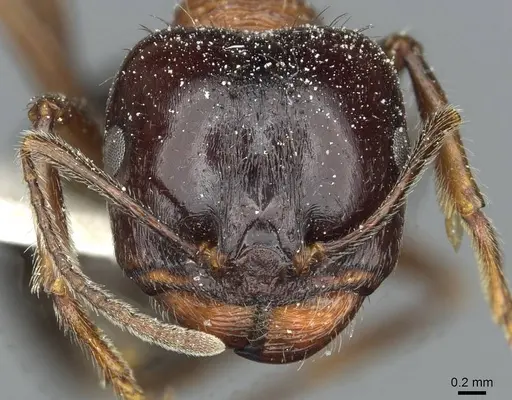
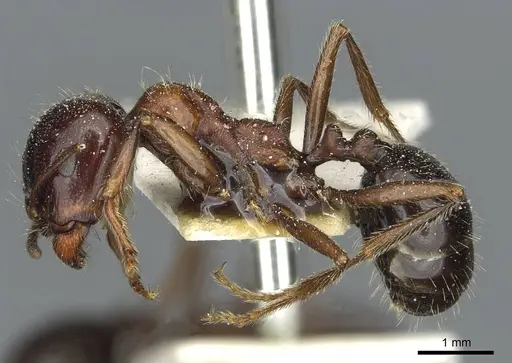
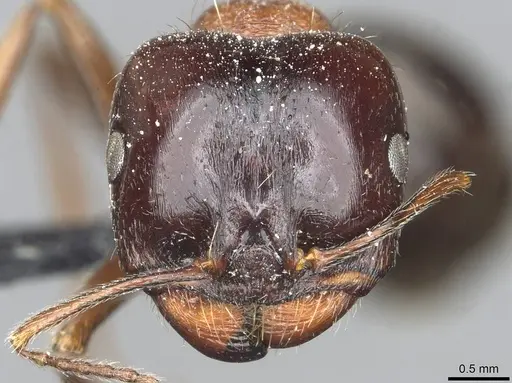
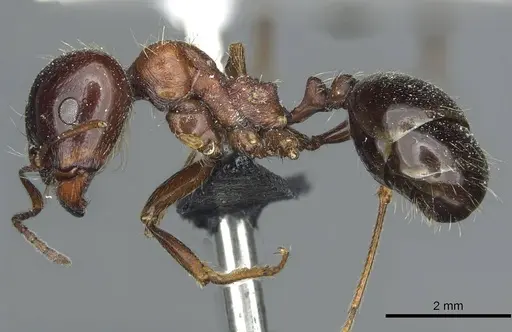
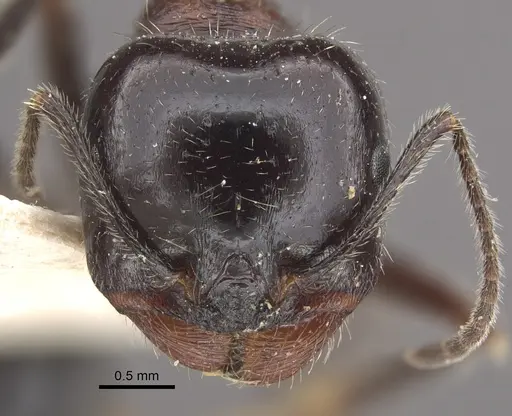
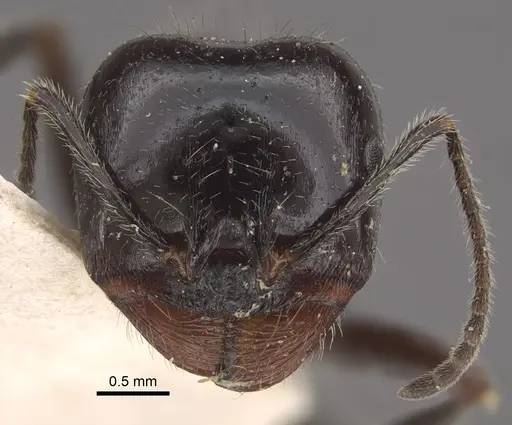
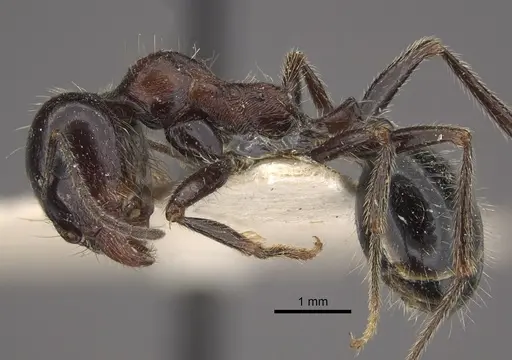
Messor laboriosus is a medium-sized harvester ant found across the Palaearctic region, from Greece and Turkey east to China and Kazakhstan. Workers have a robust, dark brown to black body. The genus Messor is famous for seed-harvesting behavior - they collect seeds and store them in special granary chambers within their nests. This species nests in dry to semi-dry habitats, often in open grasslands and desert edges. A notable finding shows this species hosts the inquiline ant Monomorium ellenarium, which lives in close association with M. laboriosus colonies .
Quick Summary
- Difficulty: Easy
- Origin & Habitat: Palaearctic region including Greece, Turkey, Iran, Israel, Kazakhstan, Kyrgyzstan, Turkmenistan, Azerbaijan, Montenegro, North Macedonia, and China. Nests in dry to semi-dry open habitats, often in soil or under stones [2][3].
- Colony Type: Colony structure is unconfirmed. The species has been documented hosting the inquiline ant Monomorium ellenarium near nests [1].
- Size & Growth:
- Queen: Size data unavailable, inferred from Messor genus (~9-12mm)
- Worker: Size data unavailable, inferred from Messor genus (~4-8mm)
- Colony: Colony size data unavailable
- Growth: Growth rate data unavailable
- Development: Development time is unconfirmed (Specific development timeline is unavailable in the research data)
- Antkeeping:
- Temperature: Keep at 24-28°C. These are warm-climate ants from Mediterranean and Central Asian regions. A heating cable on one side of the nest creates a useful gradient.
- Humidity: Low to moderate, they come from dry regions. Keep nest substrate dry with a small water reservoir for drinking. Allow areas to dry out between rehydration.
- Diapause: Winter diapause requirements are unconfirmed for this species. Based on temperate distribution, a winter rest period may be beneficial.
- Nesting: Test tubes work well for founding colonies. For established colonies, a Y-tong or plaster nest with dry chambers suits their preference for dry nesting conditions. They do well in formicariums with a foraging area.
- Behavior: Peaceful temperament but defensive when their nest is threatened. Workers are active foragers that search for seeds and small insects. They have a strong foraging instinct and will readily explore their outworld. Escape risk is moderate, use standard barriers but they are not particularly agile climbers. They store seeds in nest chambers, creating granaries.
- Common Issues: overwatering causes mold and kills colonies in dry-nesting species, seed stores can attract pests if not maintained, keep foraging area clean, specific colony size data is unavailable, growth expectations are uncertain
Nest Preferences and Setup
Messor laboriosus prefers dry nesting conditions, reflecting their origins in arid to semi-arid regions. For founding colonies, a standard test tube setup works well, fill one end with water reservoir and plug with cotton, giving the queen space to seal herself in a dark chamber. Once the colony reaches 20-30 workers, you can move them to a formicarium. Y-tong nests or plaster nests work best because they allow you to control humidity precisely. Keep most of the nest dry, with just a small water section for drinking. A foraging area of at least 20x20cm gives them space to bring back seeds. Avoid overly humid conditions, these ants are adapted to dry climates and will struggle with constant moisture. [2]
Feeding and Diet
As harvester ants, Messor laboriosus primarily collects and stores seeds. In captivity, offer a variety of seeds, millet, chia, flax, and small bird seed mixes work well. They crack seeds open to eat the nutritious insides. They also accept protein sources like small insects (fruit flies, small mealworms, crickets) especially when raising brood. Sugar water or honey can be offered occasionally but is not a primary food source for this seed-eating species. Provide a shallow water dish for drinking. Remove uneaten seeds periodically to prevent mold in the foraging area. [2]
Temperature and Seasonal Care
These ants come from warm regions, so keep them at 24-28°C for optimal growth and brood development. A heating cable placed on one end of the nest creates a temperature gradient that lets ants choose their preferred spot. During winter, a diapause period may be beneficial depending on your local conditions, research on this specific species is limited. Reduce feeding during any cool period and do not disturb the colony. After any rest period, gradually warm them back up and resume normal feeding.
Behavior and Colony Dynamics
Messor laboriosus colonies develop characteristic seed-storage behavior. Workers forage for seeds and bring them back to special granary chambers in the nest. This is one of the most interesting behaviors to watch, they carefully sort and store seeds by size and type. Colonies are peaceful toward their queen and show organized division of labor. Workers vary in size (polymorphism) with major workers having larger heads for cracking hard seeds. The species has been documented hosting the inquiline ant Monomorium ellenarium, which lives near M. laboriosus nests, this is natural and not a concern for keepers. [1]
Growth and Development
A claustral queen seals herself in a chamber and raises her first workers (nanitics) alone, using stored fat reserves. This is based on typical Messor genus behavior, though specific founding behavior for M. laboriosus is unconfirmed in the research. Nanitic workers are smaller than normal workers but immediately begin foraging to feed the colony. Growth is moderate. Specific development timelines and colony size estimates are unavailable in the research data.
Frequently Asked Questions
How long does it take for Messor laboriosus to produce first workers?
Specific development time is unconfirmed. Based on typical Messor genus patterns, expect several months for first workers to emerge. Warmer conditions may accelerate development.
What do Messor laboriosus ants eat?
They are seed-harvesting ants. Offer various seeds like millet, chia, and small bird seed mixes. They also accept small insects like fruit flies and mealworms for protein. They will crack seeds open to eat the insides.
Do Messor laboriosus ants need hibernation?
Winter diapause requirements are unconfirmed for this species. Based on its temperate distribution, a winter rest period at cooler temperatures may be beneficial, but specific requirements are not documented in research.
How big do Messor laboriosus colonies get?
Colony size data is unavailable in the research. Based on typical Messor genus patterns, colonies likely reach several hundred to several thousand workers over several years.
What humidity level do they need?
Keep nesting areas dry with low to moderate humidity. These are dry-climate ants. Provide a small water reservoir for drinking but avoid damp substrate in the nest area.
Are Messor laboriosus good for beginners?
They are considered easy to keep. They are forgiving of minor mistakes, don't require high humidity, and their seed-harvesting behavior is interesting to watch. Just avoid overwatering.
When should I move my colony to a formicarium?
Move them once they reach 20-30 workers in a test tube. A Y-tong or plaster nest works well for this species since they prefer dry conditions.
Do Messor laboriosus ants sting?
They can bite but are not particularly aggressive. They are defensive of their nest but rarely bother keepers. They are not considered dangerous.
Can I keep multiple Messor laboriosus queens together?
Colony type (monogyne vs polygyne) is unconfirmed for this species. Introducing additional queens may result in fighting.
What temperature is ideal for Messor laboriosus?
Keep them at 24-28°C. A heating cable on one end of the nest creates a gradient. Avoid temperatures below 20°C except during any winter rest period.
Report an Issue
The current care sheet is based fully on literature. See inconsistencies, or something that's incorrect? Please , it will be resolved after review from an admin. Contributing to the blogs tab also helps providing information, to make us be able to further improve the caresheets. Thank you for your support!
References

Эта инструкция по уходу лицензирована по CC BY-SA 4.0 .
Блоги сообщества
ANTWEB1008071
Посмотреть на AntWeb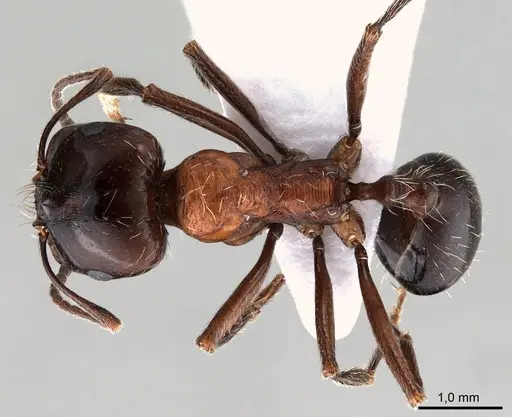
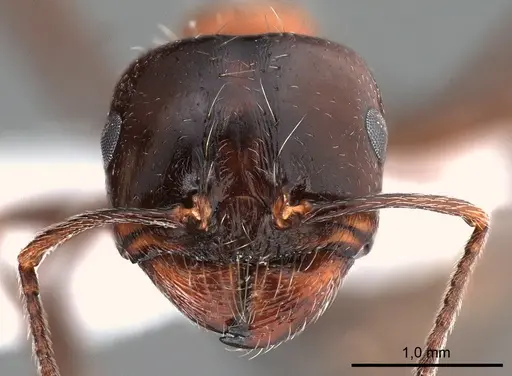
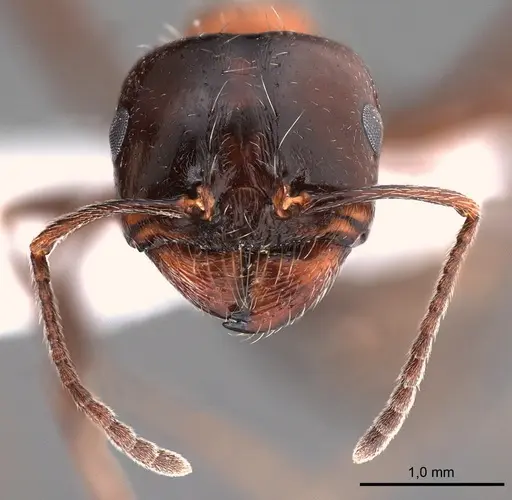
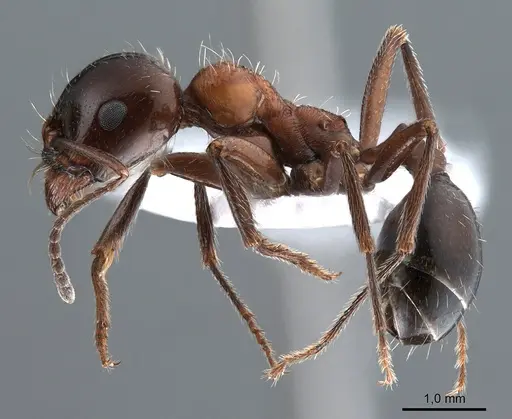
CASENT0913176
Посмотреть на AntWeb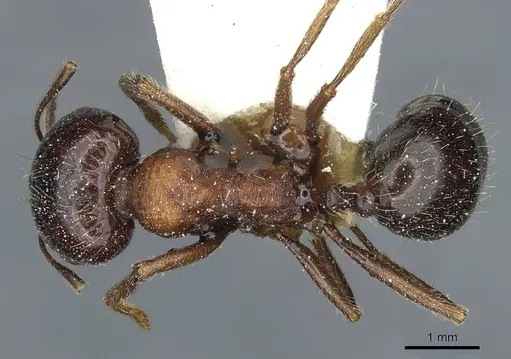
CASENT0913177
Посмотреть на AntWeb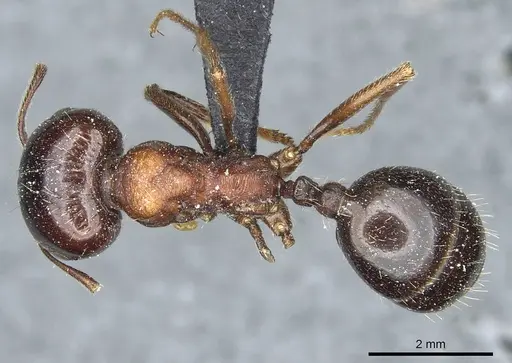
CASENT0917756
Посмотреть на AntWeb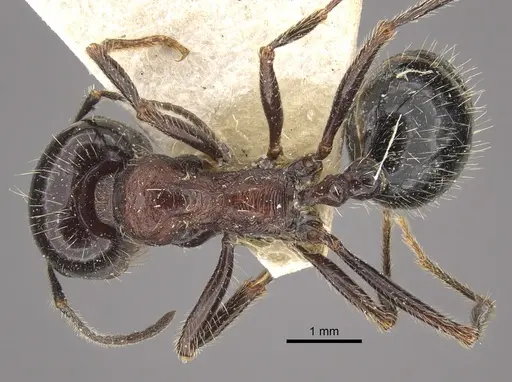
Литература
Загрузка карты распределения...Загрузка товаров...