
Messor asmaae
- Науч. назв.
- Messor asmaae
- Триба
- Stenammini
- Подсемейство
- Myrmicinae
- Автор
- Sharaf, 2018
- Распространение
- Встречается в 0 странах
Введение
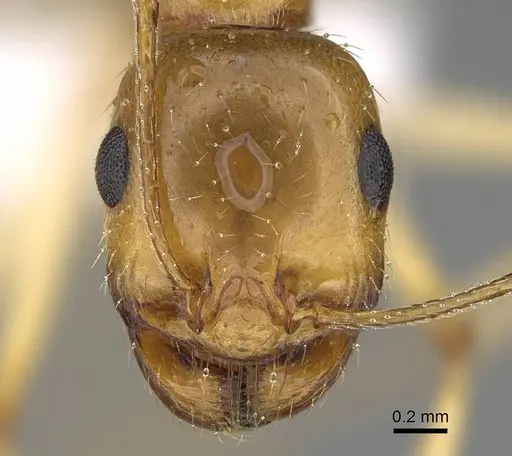
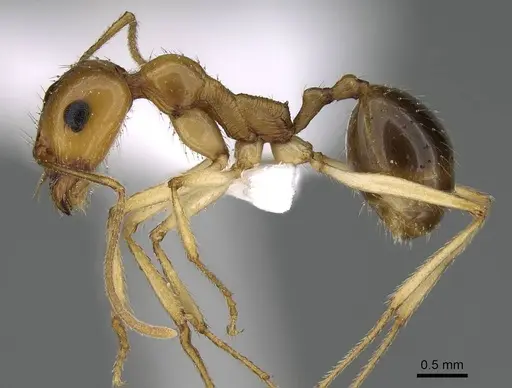
Messorasmaae is a small harvester ant native to the mountainous regions of Oman in the Arabian Peninsula. Workers measure 4.4-5.3mm with a distinctive yellow-brown body and dark brown to black gaster. This species was originally described as Aphaenogasterasmaae in 2018 but was reassigned to the genus Messor in 2022 based on morphological analysis . They nest in soil under stones in moist, organic-rich soil, often near cultivated areas like date palm plantations. As members of the tribe Attini, they are harvester ants that collect and process seeds as a primary food source.
Quick Summary
- Difficulty: Medium
- Origin & Habitat: Oman, Jebel Akhdar mountains at approximately 1949m elevation. Found nesting under stones in moist, organic-rich soil near date palm trees and cultivated rose plantations [2].
- Colony Type: Monogyne, single queen colonies. Colony type is inferred from typical Messor genus patterns since specific colony structure studies are not available for this species.
- Size & Growth:
- Queen: Unknown, not yet described in scientific literature
- Worker: 4.4-5.3mm [2]
- Colony: Unknown, no colony size data available for this species
- Growth: Moderate, inferred from typical Messor genus patterns
- Development: Estimated 6-10 weeks based on related Messor species development patterns (Direct development data not available for this species. Estimates based on genus-level patterns for harvester ants.)
- Antkeeping:
- Temperature: Keep at 22-26°C. The mountainous origin suggests they can tolerate cooler temperatures than typical lowland desert species. Provide a gentle temperature gradient allowing workers to self-regulate.
- Humidity: Moderate, they naturally nest in moist soil under stones. Keep substrate consistently damp but not waterlogged. Allow some drying between waterings.
- Diapause: Likely required, as an Omani species from high elevation, they probably experience cooler winters and would benefit from a winter rest period around 15-18°C for 2-3 months.
- Nesting: Natural nesting: soil under stones. Captive recommendations: Y-tong nests or plaster nests work well. Provide a moisture chamber and keep substrate consistently moist. They do well in naturalistic setups with a layer of soil substrate.
- Behavior: Harvester ants that actively collect and store seeds. Workers are moderately sized and good foragers. They are not particularly aggressive but will defend their nest. Escape risk is moderate, use standard barrier methods. As seed-eaters, they are diurnal and active during daylight hours.
- Common Issues: seed storage can mold if humidity is too high, balance moisture carefully, colonies may be slow to establish initially as they adapt to captive conditions, limited availability since this is a newly described and rare species in the hobby, winter dormancy requirements are not fully understood, monitor colony response carefully
Housing and Nest Setup
Messorasmaae does well in Y-tong nests or plaster formicariums that can hold moisture. Since they naturally nest under stones in moist soil, provide a hydration setup that keeps the nesting area damp without becoming waterlogged. A water tower or glass fiber filter system works well for controlled moisture. For the outworld, include a sand or soil layer so workers can forage naturally. These ants are moderate in size at around 5mm, so standard formicarium chambers work well. Ensure escape prevention is adequate, while not tiny, they can squeeze through small gaps. [2]
Feeding and Diet
As harvester ants in the tribe Attini, Messorasmaae primarily collects and consumes seeds. Offer a variety of small seeds suitable for their size, grass seeds, millet, and bird seed mixes work well. They also need protein sources like small insects (fruit flies, small mealworms, crickets) and will accept sugar water or honey as an energy source. Provide a constant sugar water station and offer protein prey 2-3 times per week. Seeds should always be available in the foraging area. Remove any uneaten seeds that show signs of mold.
Temperature and Seasonal Care
Maintain temperatures between 22-26°C during the active season. The mountainous origin of this species (Jebel Akhdar at nearly 2000m elevation) suggests they can tolerate cooler conditions than typical desert ants. During winter, provide a cooler period around 15-18°C for 2-3 months to simulate their natural seasonal cycle. This winter rest helps trigger reproductive behavior in spring. Avoid keeping them constantly warm year-round as this can stress the colony. [2]
Colony Development
Messorasmaae is a recently described species (2018) with limited captive breeding data. Based on typical Messor genus patterns, founding queens are claustral, they seal themselves in a chamber and raise the first brood alone without foraging. Expect 6-10 weeks from egg to first worker (nanitics) at optimal temperature. Initial colony growth is typically slow as the queen can only lay a limited number of eggs while caring for the first brood alone. Once workers emerge, growth accelerates as foragers can bring in more food. Be patient during the founding phase, disturbing the nest can cause the queen to abandon or eat the brood. [1]
Behavior and Temperament
These are typical harvester ants with an active foraging style. Workers search for seeds and small insects across the foraging area and store seeds in the nest. They are not particularly aggressive toward keepers but will defend the nest if threatened. Workers are moderately sized and visible, making them enjoyable to watch. They are diurnal and most active during daylight hours. Provide a deep enough substrate in the foraging area to allow natural seed-harvesting behavior.
Frequently Asked Questions
How long does it take for Messorasmaae to raise first workers?
Based on typical Messor genus patterns, expect 6-10 weeks from egg to first worker at optimal temperature (22-26°C). This is an estimate since specific development data for this species is not available.
What do Messorasmaae ants eat?
They are harvester ants that primarily eat seeds. Offer grass seeds, millet, or bird seed mix. They also need protein from small insects like fruit flies or small mealworms, plus sugar water or honey for energy.
Do Messorasmaae ants need hibernation?
Yes, likely required. As a species from the mountainous regions of Oman, they probably experience cooler winters in their natural habitat. Provide a winter rest period at 15-18°C for 2-3 months.
What size colony do Messorasmaae reach?
Colony size data is not available for this species. Based on typical Messor genus patterns, expect moderate-sized colonies of several hundred workers over time.
Can I keep Messorasmaae in a test tube?
Test tubes work for founding colonies. Once the colony reaches 15-20 workers, consider moving them to a Y-tong or plaster nest with a moisture system, as they prefer moist substrate conditions.
Is Messorasmaae good for beginners?
This is a medium-difficulty species. They have specific humidity requirements (moist soil) and likely need winter dormancy. They are also rare in the antkeeping hobby since the species was only described in 2018. Consider starting with more common Messor species if you are new to harvester ants.
Do Messorasmaae ants sting?
Messor ants have stingers but are not particularly aggressive. Workers may bite if threatened but rarely sting. Their sting is not medically significant for humans.
When should I move my Messorasmaae colony to a formicarium?
Move them once the colony reaches 15-30 workers and the test tube becomes crowded. They prefer moist nests, so choose a Y-tong or plaster formicarium with a hydration system.
Why are my Messorasmaae not eating seeds?
Make sure seeds are appropriately sized for their worker size (4-5mm). Too-large seeds may be ignored. Also ensure the colony has workers to process seeds, founding colonies without workers cannot harvest seeds yet. Offer protein and sugar water alongside seeds.
Where does Messorasmaae come from?
This species is native to Oman in the Arabian Peninsula, specifically the Jebel Akhdar mountains at approximately 1949m elevation. They nest under stones in moist, organic-rich soil near cultivated areas.
Report an Issue
The current care sheet is based fully on literature. See inconsistencies, or something that's incorrect? Please , it will be resolved after review from an admin. Contributing to the blogs tab also helps providing information, to make us be able to further improve the caresheets. Thank you for your support!
References

Эта инструкция по уходу лицензирована по CC BY-SA 4.0 .
Блоги сообщества
CASENT0264214
Посмотреть на AntWeb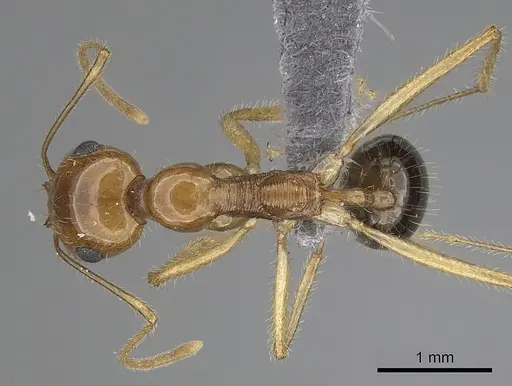
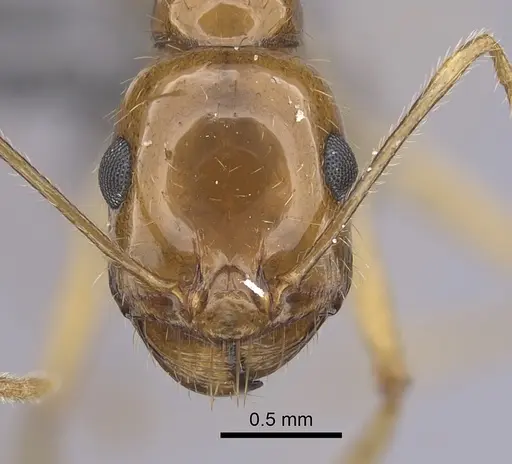
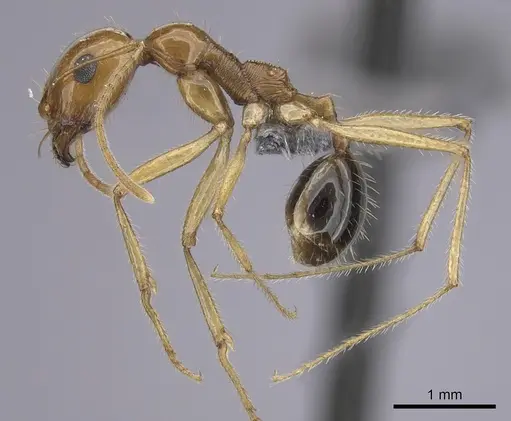
CASENT0922290
Посмотреть на AntWeb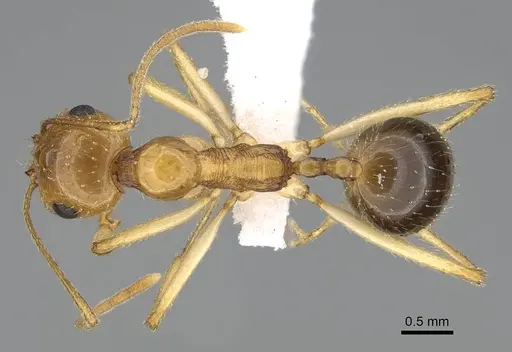
Литература
Загрузка карты распределения...Загрузка товаров...