
Loboponera nasica
- Науч. назв.
- Loboponera nasica
- Триба
- Ponerini
- Подсемейство
- Ponerinae
- Автор
- Santschi, 1920
- Распространение
- Встречается в 0 странах
Введение
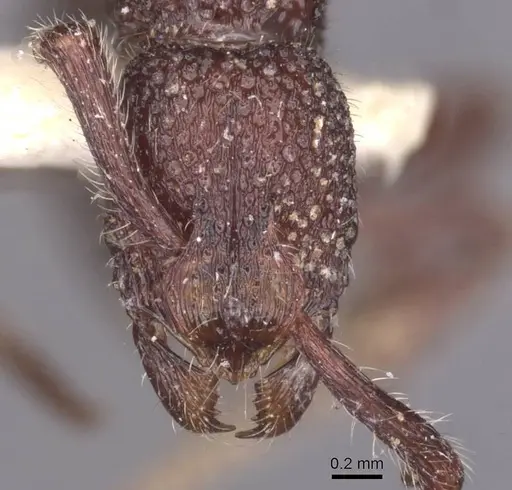
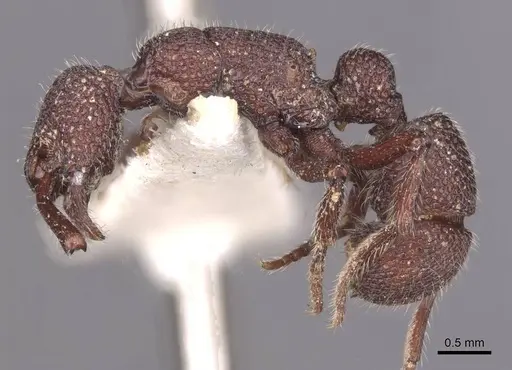
Loboponera nasica is a predatory ant species native to central Africa, particularly the Democratic Republic of Congo . Workers have the characteristic Ponerine body shape - a distinct petiole and a powerful stinger. The species name 'nasica' refers to its elongated facial structure. These ants are predators that hunt small invertebrates on the forest floor in humid, shaded environments.
Quick Summary
- Difficulty: Medium
- Origin & Habitat: Democratic Republic of Congo, central Africa. In nature they live in humid forest habitats, typically nesting in soil or under decaying wood on the forest floor where conditions remain consistently damp [1].
- Colony Type: Colony structure is unconfirmed for this species. Most Ponerinae are single-queen colonies, but specific data for L. nasica is not available.
- Size & Growth:
- Queen: Size data unavailable, no specific measurements exist for this species
- Worker: Size data unavailable, no specific measurements exist for this species
- Colony: Colony size data unavailable for this species
- Growth: Moderate, Ponerines typically develop more slowly than many Myrmicines
- Development: Development timeline is unconfirmed for this species (Ponerine ants generally have slower development than many common ant species.)
- Antkeeping:
- Temperature: Keep around 24-28°C. These are tropical forest ants that need warmth. A heating cable on one side of the nest creates a temperature gradient allowing workers to choose their preferred zone.
- Humidity: High humidity is essential, aim for 70-85%. Keep the nest substrate consistently moist but not waterlogged. These forest-floor ants dry out quickly in dry conditions. Mist occasionally and ensure water tubes are filled.
- Diapause: No true diapause required. As a central African species, they do not experience harsh winters. However, a slight reduction in temperature during what would be the dry season may be beneficial.
- Nesting: Y-tong nests or naturalistic setups work well. They prefer tight, humid chambers. Avoid dry environments. A layer of substrate for tunneling is important.
- Behavior: Loboponera nasica is a predatory ant that hunts small invertebrates. Workers are active foragers, hunting individually rather than in large groups. They have a functional stinger and can deliver a sting if handled roughly. They are not aggressive toward keepers but will defend their nest. Escape prevention should be good, while not tiny, they can squeeze through small gaps.
- Common Issues: high humidity requirements mean mold can be a problem if ventilation is poor, predatory diet means they need a constant supply of live small prey, failure to provide adequate protein leads to colony decline, slow development compared to many common ant species can frustrate beginners, wild-caught colonies may have parasites that are difficult to treat in captivity, they require warm, stable conditions, temperature drops can stress or kill colonies
Housing and Nest Setup
Loboponera nasica requires a humid, warm enclosure that mimics their forest floor habitat. Y-tong nests work well because they hold humidity better than acrylic setups. Fill the outworld with a layer of moist substrate (soil or a soil-sand mix) to allow for natural tunneling and foraging behavior. Test tube setups can work for founding colonies but will need to be transitioned to a more spacious formicarium as the colony grows. Ensure the nest has multiple chambers, these ants like to organize their colony with separate areas for the queen, brood, and food storage. Escape prevention should be good, though these ants are not particularly small.
Feeding and Diet
As predatory Ponerine ants, Loboponera nasica requires a protein-rich diet of small live invertebrates. Offer small prey such as fruit flies, pinhead crickets, small mealworms, and other tiny arthropods. They are unlikely to accept sugar water or honey, Ponerines are typically strict predators. Feed every 2-3 days, removing uneaten prey after 24 hours to prevent mold. A constant supply of clean water is essential. Some keepers report success with occasionally offering tiny pieces of raw meat or fish, but live prey should form the bulk of their diet.
Temperature and Heating
These central African ants need warm conditions to thrive. Maintain temperatures between 24-28°C in the nest area. A heating cable placed on top of the nest (never under it, as this can dry out the substrate too quickly) helps maintain consistent warmth. Room temperature may be sufficient if your home stays warm, but monitor with a thermometer. Temperature drops below 20°C can stress the colony and slow or stop brood development. Avoid placing the setup near air conditioning vents or drafty windows.
Humidity Management
High humidity is critical for this species. The nest substrate should feel consistently damp to the touch. Use a water tube connected to the nest and check it weekly, refill before it empties completely. Mist the outworld occasionally, but avoid creating standing water. Good ventilation is necessary to prevent mold, but too much airflow will dry out the nest. A hygrometer helps monitor levels, aim for 70-85%. If you see condensation constantly on the nest walls, humidity is adequate.
Colony Development
A founding queen will lay eggs within a few weeks of establishing a nest. The first workers (called nanitics) will emerge smaller than mature workers and the colony will grow gradually from there. Growth is slower than many common ant species, Ponerines simply develop more deliberately. Do not disturb the queen during founding, stress can cause her to eat the brood or abandon the nest. Once workers emerge, they will take over foraging and brood care.
Frequently Asked Questions
How long does it take for Loboponera nasica to produce first workers?
Specific development timeline data is not available for this species. Ponerine ants generally develop more slowly than many common ant species, expect several months to first workers at optimal temperatures (24-28°C).
What do Loboponera nasica ants eat?
They are strict predators that need live small invertebrates. Offer fruit flies, pinhead crickets, small mealworms, or other tiny arthropods 2-3 times per week. They typically do not accept sugar sources.
Can I keep multiple Loboponera nasica queens together?
This has not been documented for this species. Based on typical Ponerine behavior, single-queen colonies are most likely. Combining unrelated queens is not recommended.
What temperature do Loboponera nasica ants need?
Keep them warm at 24-28°C. A heating cable on the nest helps maintain consistent warmth. Avoid temperatures below 20°C.
How big do Loboponera nasica colonies get?
Colony size data is unavailable for this species. They are not among the largest ant species.
Do Loboponera nasica need hibernation?
No. As a central African species, they do not require a true diapause. They may benefit from a slight temperature reduction during the dry season, but full hibernation is not necessary.
Is Loboponera nasica good for beginners?
They are considered intermediate difficulty. Their high humidity requirements and need for live prey make them more challenging than sugar-feeding species, but they are not as difficult as some exotic Ponerines.
Why are my Loboponera nasica dying?
Common causes include: low humidity (below 70%), temperatures below 20°C, lack of adequate live prey, mold from poor ventilation, or stress from excessive disturbance. Check these parameters first.
When should I move Loboponera nasica to a formicarium?
Move them once the colony reaches 20-30 workers and the test tube setup becomes cramped. A small Y-tong or naturalistic setup works well for the transition.
Report an Issue
The current care sheet is based fully on literature. See inconsistencies, or something that's incorrect? Please , it will be resolved after review from an admin. Contributing to the blogs tab also helps providing information, to make us be able to further improve the caresheets. Thank you for your support!
References

Эта инструкция по уходу лицензирована по CC BY-SA 4.0 .
Блоги сообщества
CASENT0102327
Посмотреть на AntWeb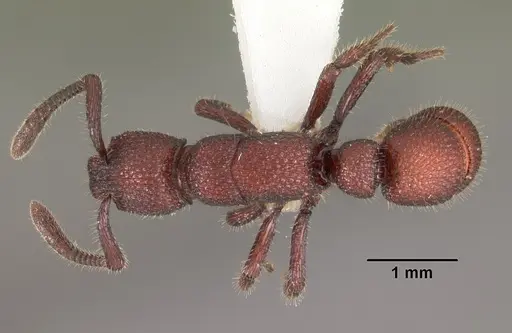
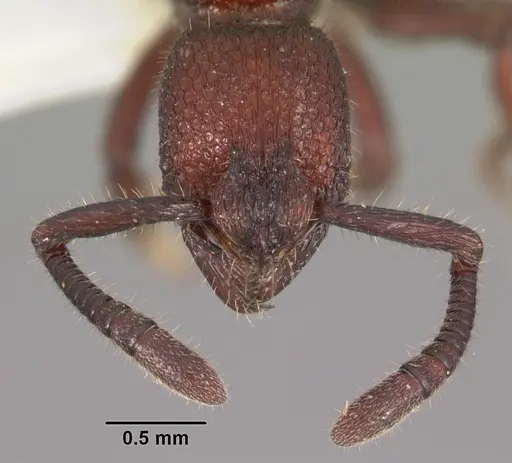
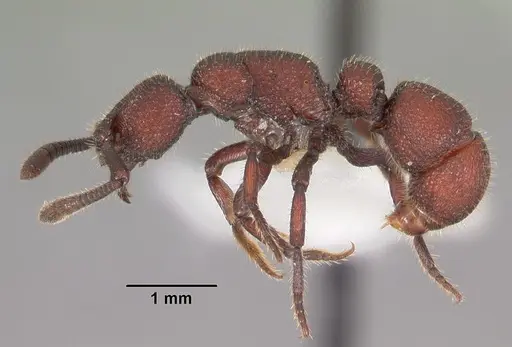
CASENT0915269
Посмотреть на AntWeb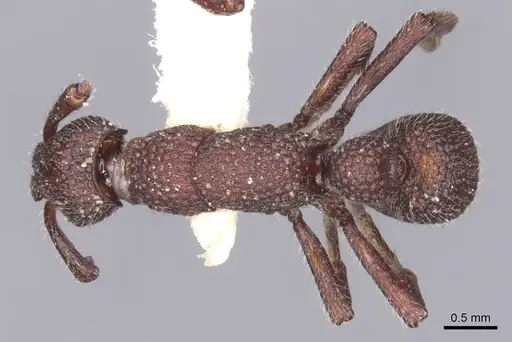
Литература
Загрузка карты распределения...Загрузка товаров...