
Loboponera edentula
- Науч. назв.
- Loboponera edentula
- Триба
- Ponerini
- Подсемейство
- Ponerinae
- Автор
- Bolton & Brown, 2002
- Распространение
- Встречается в 0 странах
Введение
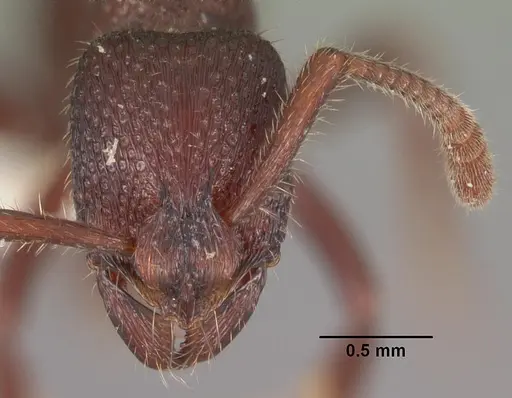
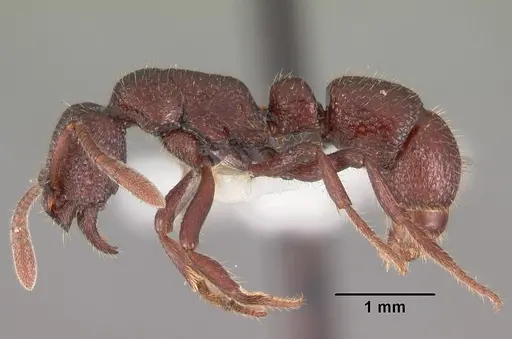
Loboponera edentula is a medium-sized Ponerine ant endemic to the highland rainforests of Rwanda in East Africa. Workers measure approximately 6.1mm in total length, with a glossy dark brown to black body and distinctive fine longitudinal sculpture on the head and alitrunk. This species belongs to the vigilans species group and is characterized by the lack of a tooth on the first gastral sternite and a propodeal declivity with only a small sharp tooth near the base. The species is known only from a handful of specimens collected in the Nyungwe tropical rainforest at elevations between 1800-2100m, making it one of the rarest and least studied African ants in captivity .
Quick Summary
- Difficulty: Expert
- Origin & Habitat: Endemic to the Afrotropical region, specifically the Nyungwe tropical rainforest in southwestern Rwanda at elevations of 1800-2100m [1][2]. Found in leaf litter in highland forest environments.
- Colony Type: Unconfirmed, Ponerine ants are typically monogyne, but colony structure for this species has never been documented.
- Size & Growth:
- Antkeeping:
- Temperature: Based on highland rainforest origin (1800-2100m), keep cooler than typical tropical ants, aim for 20-24°C with a gentle gradient. Avoid overheating.
- Humidity: Tropical rainforest environment suggests high humidity needs, keep nest substrate consistently moist but not waterlogged. Provide a humidity gradient.
- Diapause: Unknown, highland origin suggests possible cool-season slowdown, but no documented diapause requirements
- Nesting: In nature they nest in leaf litter. In captivity, a naturalistic setup with moist soil in a test tube or Y-tong nest works well. They likely prefer dark, humid chambers.
- Behavior: As a Ponerine ant, they have a potent sting and defensive behavior when threatened. Foraging style is unknown but Ponerines are typically predatory. Escape prevention should be moderate, workers at 6mm are not tiny but can still climb smooth surfaces. Handle with caution due to Ponerine sting potency.
- Common Issues: no biological data exists, keepers are essentially pioneering captive husbandry for this species, highland origin means they likely cannot tolerate typical tropical temperatures, keep cool, wild-caught colonies may be extremely difficult to obtain given the limited known range, no information on acceptable foods, start with small live prey typical of Ponerines, high humidity requirements may lead to mold issues if ventilation is poor
Species Discovery and Rarity
Loboponera edentula is an extraordinarily rare species in both the wild and in antkeeping. It was described in 2002 by Bolton and Brown from only two worker specimens collected in Rwanda, one from Kayove at 2100m elevation in 1973,and one from Rangiro at 1800m elevation in 1976. The species has since been recorded once more in a 2022 survey of the Nyungwe tropical rainforest. This means literally nothing is known about its biology in the wild, no one has ever observed a queen, colony structure, nuptial flights, or nesting behavior. For antkeepers, this represents both a challenge and an opportunity: you would be pioneering captive husbandry for a species that has never been kept before. [1][2][3]
Taxonomy and Identification
This species belongs to the Ponerinae subfamily, tribe Ponerini, and is part of the Loboponera vigilans species group. The specific name 'edentula' refers to the lack of a tooth on the first gastral sternite, which distinguishes it from other species in the group. Workers are approximately 6.1mm total length with a glossy appearance due to the fine sculpture being partially smoothed. The propodeal declivity has only a small sharp tooth near the base and otherwise rounds evenly into the dorsum. The eyes are very small, suggesting this is a ground-nesting, litter-dwelling species that does not rely heavily on visual cues. [3]
Natural Habitat and Climate
All known specimens come from highland Rwanda at elevations between 1800-2100m in the Nyungwe tropical rainforest. This is a cool, humid, high-altitude tropical environment, quite different from the hot lowland tropics. The Nyungwe forest receives high rainfall and maintains moderate temperatures year-round. For captive care, this suggests these ants would do best in cooler conditions than typical tropical ants (perhaps 20-24°C) and require consistently humid conditions. The fact that specimens were collected from leaf litter indicates they are ground-dwelling ants that nest in the forest floor layer. [1][2]
Inferred Care Requirements
Since no biological data exists for this species, all care recommendations must be inferred from related Ponerine ants and the known habitat conditions. As a Ponerine, they almost certainly have a functional sting and should be handled with caution. They likely have typical Ponerine founding behavior where the queen seals herself in a chamber and raises the first brood alone (claustral founding). Temperature should be kept on the cooler side for an ant (20-24°C) due to their highland origin. Humidity should be high, think damp forest floor conditions. For feeding, start with small live prey like fruit flies, pinhead crickets, or other small insects, which is typical for Ponerine ants. The small eyes suggest they may rely more on chemical cues than vision for foraging.
Challenges for Keepers
This is not a species for beginners. The complete lack of biological data means you are essentially conducting research rather than following established husbandry protocols. Obtaining a colony may be nearly impossible since the species is only known from a handful of specimens in a limited range in Rwanda. If available at all, wild-caught colonies would be extremely valuable for establishing this species in captivity. Given the extreme rarity, any successful captive breeding would represent a significant contribution to antkeeping knowledge. Document your observations carefully, they may become the first published information on this species' biology.
Frequently Asked Questions
Is Loboponera edentula available for purchase?
Almost certainly not. This is one of the rarest ant species in the world with only a handful of specimens ever collected. It is not commercially available and likely not kept by any hobbyist. Obtaining this species would require a research expedition to Rwanda.
How do I care for Loboponera edentula?
No established care protocol exists since this species has never been kept in captivity. Based on its highland rainforest origin and Ponerine classification, provide temperatures of 20-24°C, high humidity with moist substrate, and start with small live prey. This is expert-level territory.
Does Loboponera edentula sting?
Almost certainly yes. As a Ponerine ant, it almost certainly has a functional sting. Ponerine stings are typically painful, so handle with caution and use proper escape prevention.
What does Loboponera edentula eat?
Unknown for this species, but Ponerine ants are typically predatory. Offer small live insects like fruit flies, pinhead crickets, or small mealworms. Acceptance should be documented carefully since no feeding data exists.
How big do Loboponera edentula colonies get?
Unknown. No colony size data has ever been recorded. Based on typical Ponerine patterns, colonies likely reach several hundred workers, but this is entirely speculative.
Do I need to hibernate Loboponera edentula?
Unknown. The highland origin (1800-2100m) suggests they may experience cooler seasonal temperatures, but no documented diapause requirements exist. If keeping them, observe for seasonal slowdowns and adjust accordingly.
Is Loboponera edentula a good beginner ant?
Absolutely not. This is an expert-only species due to complete lack of biological data, extreme rarity, and likely complex care requirements. There are no established protocols to follow.
What is the queen size of Loboponera edentula?
Unknown. The queen has never been described or collected. Only worker specimens exist in museum collections.
Where does Loboponera edentula live?
Only known from Rwanda, specifically the Nyungwe tropical rainforest at elevations of 1800-2100m. This is a very restricted range in East Africa.
How long does it take for Loboponera edentula to develop from egg to worker?
Unknown. No development data exists for this species. Based on typical Ponerine development at optimal temperature, expect several weeks, but this is entirely estimated.
Report an Issue
The current care sheet is based fully on literature. See inconsistencies, or something that's incorrect? Please , it will be resolved after review from an admin. Contributing to the blogs tab also helps providing information, to make us be able to further improve the caresheets. Thank you for your support!
References

Эта инструкция по уходу лицензирована по CC BY-SA 4.0 .
Блоги сообщества
CASENT0102325
Посмотреть на AntWeb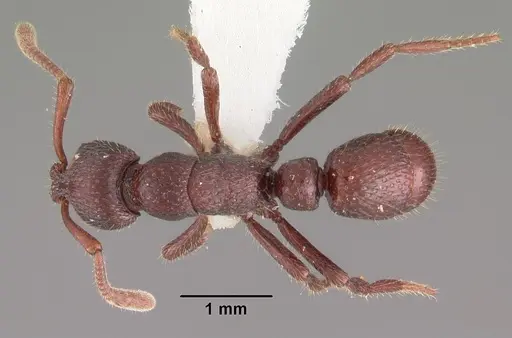
Литература
Загрузка карты распределения...Загрузка товаров...