
Leptogenys roberti
- Науч. назв.
- Leptogenys roberti
- Триба
- Ponerini
- Подсемейство
- Ponerinae
- Автор
- Forel, 1900
- Распространение
- Встречается в 0 странах
Введение
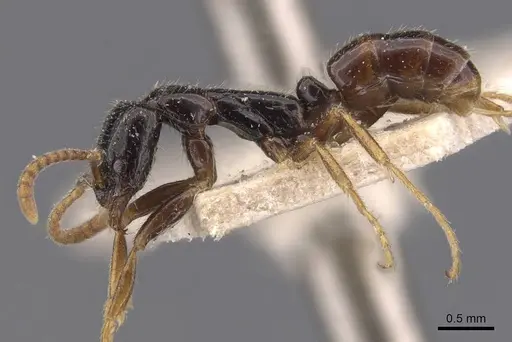
Leptogenys roberti is a small predatory ant species native to India. Workers measure 3.5-3.6mm and have a distinctive elongated, rectangular head with rounded corners. Their body is brownish-black, with the abdomen often lighter than the rest. The legs, antennae, and mandibles are reddish to varying degrees. This species belongs to the Ponerinae subfamily, known for their potent stings and predatory hunting behavior. The genus Leptogenys is characterized by slender builds and active foraging on the forest floor.
Quick Summary
- Difficulty: Medium
- Origin & Habitat: Native to northeastern India (Assam, Meghalaya, Arunachal Pradesh) and Bangladesh in the Indomalaya realm. Found in tropical and subtropical forest habitats [1][2][3].
- Colony Type: Colony structure is unconfirmed. Based on typical Leptogenys patterns, likely single-queen colonies.
- Size & Growth:
- Queen: Size data unavailable, no queen description available in literature
- Worker: 3.5-3.6mm typical workers [1]
- Colony: Unknown, no colony size data available
- Growth: Unknown, estimated moderate based on related species
- Development: Unconfirmed, no direct development data available. Based on typical Ponerinae patterns, estimate 6-10 weeks at optimal temperature. (Development timeline is unconfirmed for this species.)
- Antkeeping:
- Temperature: Unconfirmed, no specific thermal data available. Based on its Indian distribution, likely prefers warm conditions around 24-26°C. Start in this range and observe colony activity.
- Humidity: Unconfirmed, no specific humidity data. Based on typical forest-floor habitat in northeastern India, likely requires moderate to high humidity. Keep nest substrate consistently moist but not waterlogged.
- Diapause: Unknown, no documented diapause requirements. The subtropical distribution suggests minimal or no true hibernation, but a cool period during winter months may be beneficial.
- Nesting: Natural nesting habits are unconfirmed. Most Leptogenys species nest in soil, under stones, or in rotting wood. A naturalistic setup with moist substrate or a Y-tong/plaster nest works well. Provide narrow chambers and moderate humidity.
- Behavior: Leptogenys roberti is a predatory ant that hunts small invertebrates. Like other Ponerinae, they have a functional sting and may use it defensively. Workers are active foragers that search for prey on the forest floor. They are likely moderately aggressive when defending their colony. Workers at 3.5mm are small, monitor for escape, especially in test tube setups.
- Common Issues: lack of documented care information makes it difficult to provide specific guidance, predatory diet requirements may be challenging to meet, need constant supply of small live prey, humidity control is critical but specific needs are unknown, sting potential means handling should be minimized, slow colony growth may frustrate beginners expecting rapid development
Appearance and Identification
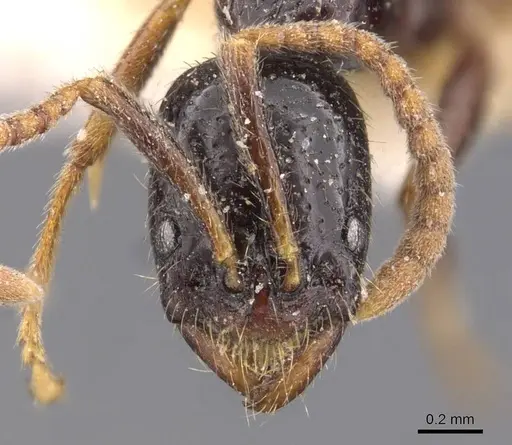
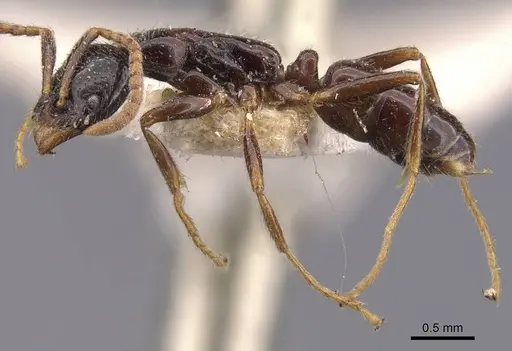
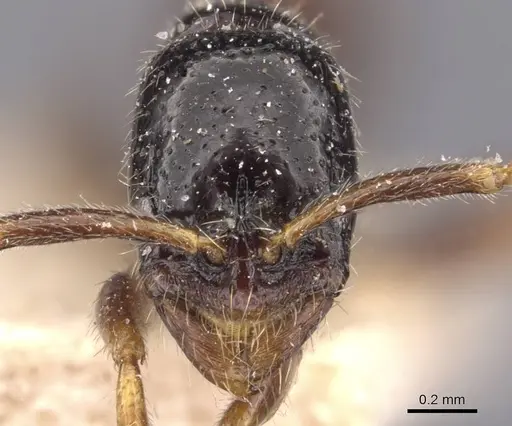
Leptogenys roberti workers measure 3.5-3.6mm, making them a small ant species. They have a distinctive elongated, rectangular head with rounded angles, this narrow head shape is characteristic of the genus Leptogenys. The antennae are relatively short, with the scapes barely exceeding the posterior border of the head. The thorax has a nearly straight dorsal profile, and the petiolar scale is very rounded on top. Their coloration is brownish-black, with the abdomen often being lighter than the rest of the body. The legs, antennae, mandibles, coxae, and femora are reddish to varying degrees. The head dorsum is largely sparsely punctate, and the metanotal groove is not impressed when viewed from the side. The species was originally described as Leptogenys (Lobopelta) roberti by Forel in 1900 [1][4].
Distribution and Habitat
This species is known from northeastern India, specifically Assam, Meghalaya (Khasia Hills), and Arunachal Pradesh. The type locality was described from the Khasia Hills in Assam. There is also a historical record from Tamil Nadu (Coonoor) which was previously described as a subspecies (coonoorensis) but has since been synonymized with roberti [1][2][4][3]. The distribution suggests a preference for tropical to subtropical forest environments in the Indian subcontinent.
Diet and Feeding
Leptogenys ants are predatory, using their sting to subdue prey items. In captivity, offer small live prey such as fruit flies, pinhead crickets, small mealworms, and other appropriately-sized invertebrates. The predatory nature means they require a constant supply of protein-rich food. Unlike some ants that readily accept sugar sources, Leptogenys species are primarily predators and may not strongly utilize honey or sugar water. However, offering occasional sugar sources is worth experimenting with. Feed small prey items 2-3 times per week, adjusting based on colony consumption. Remove any uneaten prey after 24-48 hours to prevent mold.
Nest Setup and Housing
For this species, a naturalistic setup with moist substrate or a Y-tong/plaster nest works well. Provide narrow chambers scaled to their 3.5mm worker size. The nest material should retain moisture well but not become waterlogged. A test tube setup can work for founding colonies, but monitor humidity carefully. Since specific humidity requirements are unconfirmed, aim for moderate moisture, the substrate should feel damp but not soggy, with some slightly drier areas available. Ensure adequate ventilation to prevent mold while maintaining humidity. Workers are small at 3.5mm, use standard barrier methods like fluon on test tube rims.
Temperature and Seasonal Care
Specific temperature requirements are unconfirmed for this species. Based on its distribution in northeastern India, it likely prefers warm conditions. Start around 24-26°C and observe colony behavior, if workers are consistently clustered near heat sources, increase slightly, if they avoid heated areas, reduce temperature. The subtropical distribution suggests they may not require a true hibernation period, but a slight temperature reduction during winter months (room temperature around 18-20°C) may help simulate natural seasonal cycles. Avoid sudden temperature fluctuations.
Behavior and Temperament
As a Ponerinae species, Leptogenys roberti has a functional sting that it uses for prey subduction and defense. Workers are active foragers that hunt individually on the forest floor. They are likely moderately aggressive when their nest is threatened. When keeping this species, minimize handling and avoid disturbing the nest unnecessarily. Workers are small at 3.5mm, so they can escape through small gaps. Use standard barrier methods as precaution.
Frequently Asked Questions
How long does it take for Leptogenys roberti to produce first workers?
The exact development timeline is unconfirmed for this species. Based on typical Ponerinae development patterns, expect 6-10 weeks from egg to first worker at optimal temperature. Patience is key, as colony growth may be slower than more common species.
What do Leptogenys roberti ants eat?
They are predatory ants that hunt small invertebrates. Feed them small live prey such as fruit flies, pinhead crickets, small mealworms, and other appropriately-sized arthropods. Sugar sources may be accepted experimentally but should not be the primary food.
Are Leptogenys roberti ants dangerous?
Yes, they have a functional sting like other Ponerinae ants. While the sting is not typically dangerous to healthy humans, it can be painful and may cause irritation. Handle minimally and avoid disturbing the colony.
What temperature should I keep Leptogenys roberti at?
Specific requirements are unconfirmed, but based on their Indian distribution, start around 24-26°C. Observe colony activity and adjust slightly up or down based on their behavior. Avoid temperatures below 20°C or above 30°C.
Can I keep Leptogenys roberti in a test tube setup?
Yes, test tubes work for founding colonies. Ensure the water reservoir is appropriately sized and monitor humidity carefully. You may need to transition to a more spacious formicarium as the colony grows.
Do Leptogenys roberti ants need hibernation?
Diapause requirements are unknown. The subtropical distribution suggests minimal hibernation needs, but a slight temperature reduction during winter (around 18-20°C) may be beneficial.
How big do Leptogenys roberti colonies get?
Maximum colony size is unconfirmed for this species. Based on related Leptogenys species, colonies likely reach several hundred workers over time. Growth is expected to be moderate.
Is Leptogenys roberti good for beginners?
This species is rated as Medium difficulty. While not the most challenging ant, the lack of documented care information and specific requirements makes it better suited for keepers with some experience. The predatory diet and unknown humidity needs require attention.
What humidity level do Leptogenys roberti need?
Specific humidity requirements are unconfirmed. Based on typical forest-floor habitat in northeastern India, aim for moderate to high humidity. Keep substrate consistently moist but not waterlogged.
Will Leptogenys roberti queens fight if I keep multiple together?
Colony structure is unconfirmed, but based on typical Leptogenys patterns, they likely form single-queen colonies. Combining unrelated queens is not recommended without documented evidence of pleometrosis in this species.
Report an Issue
The current care sheet is based fully on literature. See inconsistencies, or something that's incorrect? Please , it will be resolved after review from an admin. Contributing to the blogs tab also helps providing information, to make us be able to further improve the caresheets. Thank you for your support!
References

Эта инструкция по уходу лицензирована по CC BY-SA 4.0 .
Блоги сообщества
CASENT0281929
Посмотреть на AntWeb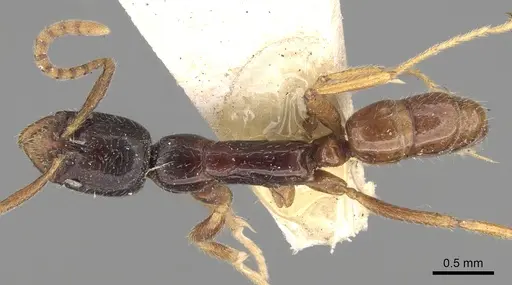
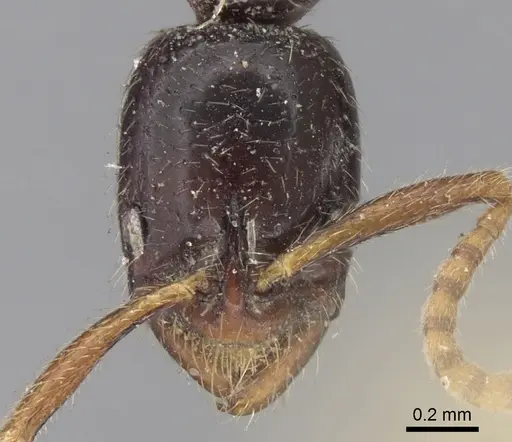
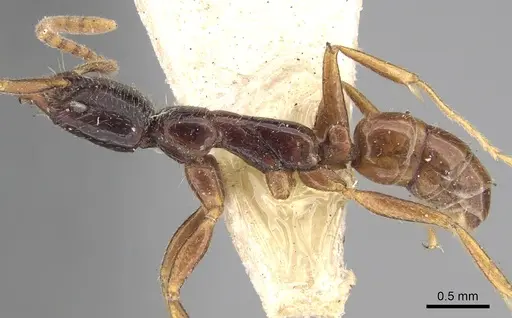
CASENT0907382
Посмотреть на AntWeb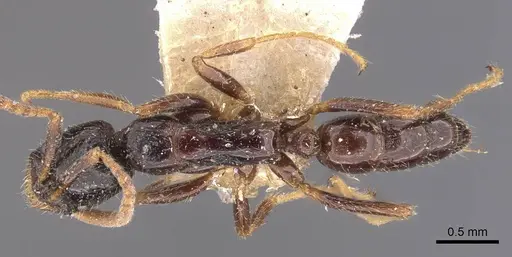
CASENT0907383
Посмотреть на AntWeb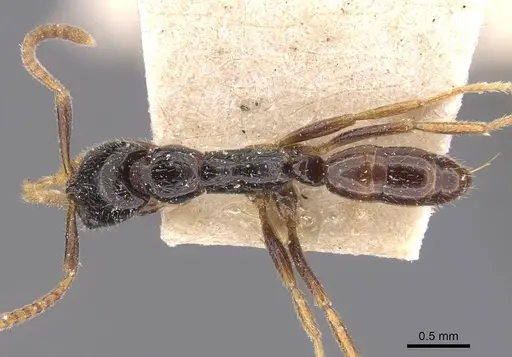
Литература
Загрузка карты распределения...Загрузка товаров...