
Leptogenys emeryi
- Науч. назв.
- Leptogenys emeryi
- Триба
- Ponerini
- Подсемейство
- Ponerinae
- Автор
- Forel, 1901
- Распространение
- Встречается в 0 странах
Введение
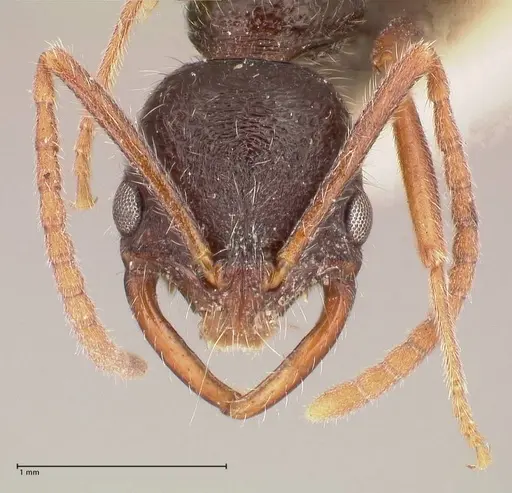
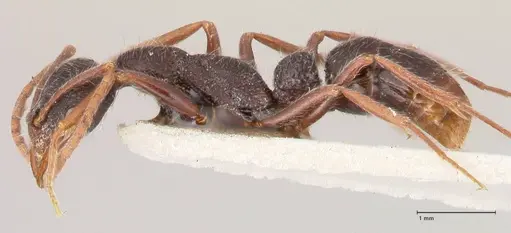
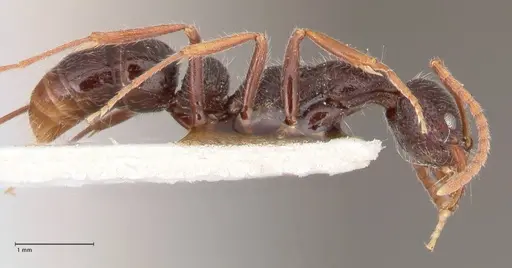
Leptogenys emeryi is a predatory ant species from the Ponerinae subfamily, found exclusively in the Australasian region, specifically documented from New Britain island in the Bismarck Archipelago off the coast of New Guinea . Workers are slender and elongated with long legs, adapted for rapid hunting behavior. This species belongs to the tribe Ponerini, which contains aggressive predatory ants that actively chase down small invertebrate prey. The genus Leptogenys contains over 300 species distributed primarily in tropical regions worldwide. The species remains poorly documented in scientific literature, with most records coming from early 20th century taxonomic work.
Quick Summary
- Difficulty: Medium to Hard, limited species-specific care data available
- Origin & Habitat: New Britain island in the Bismarck Archipelago, part of the New Guinea region. Tropical rainforest environment with high humidity and warm temperatures year-round [1][2].
- Colony Type: Colony structure is unconfirmed. Many Leptogenys species have ergatoid (wingless) replacement queens, but this has not been documented for L. emeryi specifically.
- Size & Growth:
- Queen: Size data unavailable, no measurements exist in primary literature
- Worker: Size data unavailable, no measurements exist in primary literature
- Colony: Unknown, no documented colony size data for this species
- Growth: Unknown, likely moderate growth rate typical of Ponerinae
- Development: Unconfirmed, estimated 6-10 weeks based on related Ponerinae species at tropical temperatures (No direct development data exists for this species. Estimates based on genus-level patterns for tropical Ponerinae.)
- Antkeeping:
- Temperature: Keep warm, roughly 24-28°C range. Use a heating cable on one side of the nest to create a gradient if room temperature is lower.
- Humidity: Requires high humidity typical of tropical rainforest species. Keep the nest substrate consistently moist but not waterlogged. Provide a water tube for drinking.
- Diapause: No, tropical species from New Guinea do not require diapause
- Nesting: Natural nesting is undocumented. In captivity, a Y-tong (AAC) or plaster nest works well. These ants are active hunters that need space to chase prey in the foraging area.
- Behavior: Leptogenys emeryi is a predatory ant that actively hunts small invertebrates. They are more aggressive than many common ant species due to their hunting lifestyle. Workers move quickly when pursuing prey. They have a functional stinger common to Ponerinae ants, expect painful stings if handled. Escape prevention should be standard as these are medium-sized ants.
- Common Issues: limited species-specific care information makes proper husbandry challenging, predatory diet requirements mean you must provide live prey regularly, high humidity needs can lead to mold problems if ventilation is poor, tropical species may be sensitive to temperature drops, wild-caught colonies may have parasites or diseases not yet documented
Species Background and Distribution
Leptogenys emeryi was originally described by Forel in 1901 from specimens collected in New Britain, part of the Bismarck Archipelago off the coast of New Guinea [1]. This species is part of the Ponerini tribe, which contains many aggressive predatory ants. The species remains poorly documented in scientific literature, with most records coming from early 20th century taxonomic work. The entire Leptogenys genus contains over 300 species distributed primarily in tropical and subtropical regions worldwide. These ants are characterized by their slender bodies, long legs, and distinctive rapid running motion when hunting.
Housing and Nest Setup
For Leptogenys emeryi, use a humid nest setup such as a Y-tong (AAC) formicarium or a plaster nest that holds moisture well. These ants need a properly humidified nest chamber since they come from the humid tropical environment of New Guinea. The foraging area should be spacious enough for them to chase down prey, they are active hunters rather than foragers that scavenge. Provide a water tube or moist cotton as a water source. Escape prevention should be standard, these are medium-sized ants that cannot squeeze through typical barrier gaps. Ensure ventilation is adequate to prevent mold while maintaining humidity.
Feeding Requirements
Leptogenys emeryi is a predatory ant species that hunts live prey. In captivity, offer small live insects such as fruit flies, pinhead crickets, small mealworms, and other appropriately sized invertebrates. The hunting behavior is part of what makes this species interesting to keep, they will actively chase and capture prey. Feed protein-rich prey 2-3 times per week, adjusting based on colony size and consumption. Sugar sources may be accepted but are not a primary food source for predatory Ponerinae. Always remove uneaten prey after 24-48 hours to prevent mold.
Temperature and Humidity Management
Maintain temperatures in the warm range, roughly 24-28°C, reflecting the tropical climate of their New Guinea habitat. A slight temperature gradient in the formicarium allows the colony to self-regulate. Use a heating cable on one side of the nest if room temperature falls below this range. Humidity should be kept high, these ants are adapted to the humid rainforest environment. Monitor substrate moisture and rehydrate when needed rather than on a fixed schedule. Poor humidity can lead to mortality, especially during founding and early colony stages.
Colony Development and Growth
Little is known about the specific development timeline of Leptogenys emeryi. Based on related Ponerinae species, expect the first workers (nanitics) to emerge approximately 6-10 weeks after the queen lays eggs, assuming optimal temperatures around 26°C. Colony growth is likely moderate, Ponerinae colonies typically grow more slowly than many Myrmicinae species. A mature colony may reach several hundred workers. The queen likely lays eggs in batches rather than continuously. Be patient with this species as they are not fast growers.
Frequently Asked Questions
How long does it take for Leptogenys emeryi to produce first workers?
The egg-to-worker timeline is unconfirmed for this specific species. Based on related Ponerinae ants, expect approximately 6-10 weeks at optimal tropical temperatures (24-28°C).
What do Leptogenys emeryi ants eat?
They are predatory ants that require live prey. Feed small insects like fruit flies, pinhead crickets, and small mealworms. They are active hunters that chase down their prey.
What temperature do Leptogenys emeryi need?
Keep them warm, roughly 24-28°C. This matches their tropical origin in New Guinea.
How big do Leptogenys emeryi colonies get?
Colony size is not documented for this species. Based on typical Leptogenys patterns, colonies may reach several hundred workers at maturity.
Is Leptogenys emeryi good for beginners?
This species is not recommended for beginners due to limited species-specific care information and their predatory diet requirements. They are better suited for antkeepers with some Ponerinae experience.
Do Leptogenys emeryi need hibernation?
No, as a tropical species from New Guinea, they do not require a true diapause period. A slight temperature reduction during winter may be beneficial but is not required.
Can I keep multiple Leptogenys emeryi queens together?
Colony structure is unconfirmed for this species. Combining unrelated queens is not recommended as it has not been documented and could result in fighting.
What humidity level do Leptogenys emeryi need?
Keep humidity high, reflecting their tropical rainforest origin. The nest substrate should remain consistently moist but not waterlogged.
When should I move Leptogenys emeryi to a formicarium?
Keep newly caught or purchased colonies in a test tube setup until they have 20-30 workers, then they can be moved to a proper formicarium with hunting space.
Report an Issue
The current care sheet is based fully on literature. See inconsistencies, or something that's incorrect? Please , it will be resolved after review from an admin. Contributing to the blogs tab also helps providing information, to make us be able to further improve the caresheets. Thank you for your support!
References

Эта инструкция по уходу лицензирована по CC BY-SA 4.0 .
Блоги сообщества
CASENT0907343
Посмотреть на AntWeb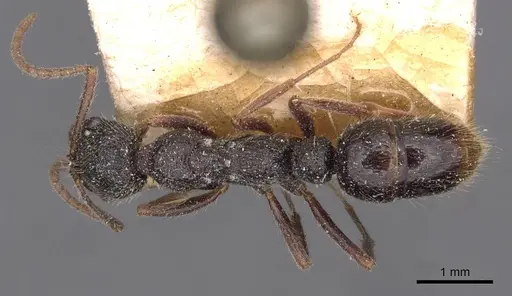
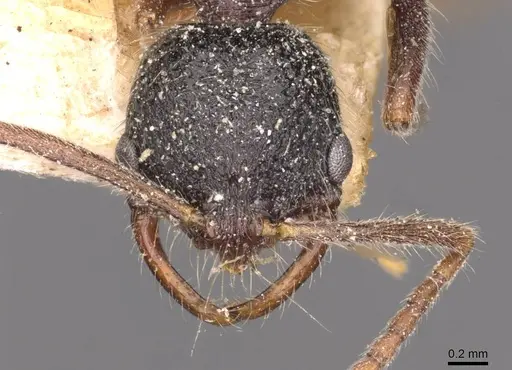
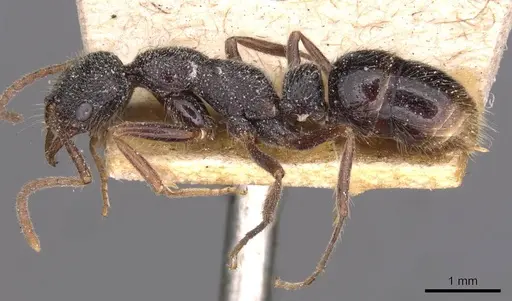
FOCOL1028
Посмотреть на AntWeb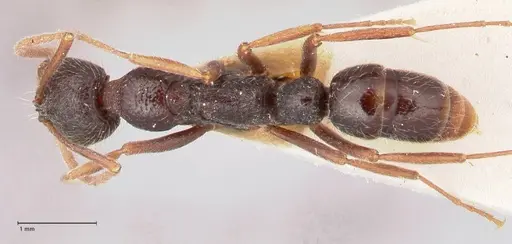
Литература
Загрузка карты распределения...Загрузка товаров...