
Leptanilla lamellata
- Науч. назв.
- Leptanilla lamellata
- Триба
- Leptanillini
- Подсемейство
- Leptanillinae
- Автор
- Bharti & Kumar, 2012
- Распространение
- Встречается в 0 странах
Введение
Leptanilla lamellata is an extremely rare, tiny ant species from the Leptanillinae subfamily, known only from a single location in the Shivalik Range of the north-western Himalaya in India. Workers are among the smallest ants in the world - size data is unavailable as only partial measurements (head length, head width, mesosomal length) were documented in the original description, not total body length. They are completely blind (no eyes) and have a distinctive lamellate subpetiolar process on their petiole - a thin, plate-like structure that gives the species its name. Their body is brownish yellow with a long, protruding sting. This species was only described in 2012 and remains one of the rarest ants in the world, with no captive colonies known to exist outside research institutions. Like other Leptanilla species, they are hypogaeic (subterranean), living in soil and rarely encountered on the surface.
Quick Summary
- Difficulty: Expert
- Origin & Habitat: Kotla village, Himachal Pradesh, India (Shivalik Range, north-western Himalaya) at 560m altitude. Found in patchy forest with semi-arid environment, collected from porous soil at 2-3 cm depth beneath thin leaf litter [1].
- Colony Type: Unknown, colony structure has not been documented in scientific literature.
- Size & Growth:
- Queen: Undescribed, queen has not been documented in scientific literature
- Worker: Size data unavailable, only partial measurements (head, mesosoma) were documented in the original description, not total body length [1]
- Colony: Unknown, no wild colonies have been studied
- Growth: Unknown, no development data exists
- Development: Unknown, no direct observations of colony development exist (No data available.)
- Antkeeping:
- Temperature: Unknown for this species. Based on Himalayan location (560m altitude), likely tolerates cooler temperatures than tropical ants. Start around 18-22°C and observe colony activity.
- Humidity: Keep the nest substrate consistently moist but not waterlogged. In the wild, they lived in porous soil with leaf litter cover, this suggests moderate humidity with good drainage.
- Diapause: Unknown, no seasonal data exists for this species. The Himalayan location suggests they may experience a winter rest period, but duration and temperature are unconfirmed.
- Nesting: Natural nesting: soil at 2-3 cm depth in porous, covered soil. In captivity, a small test tube setup or mini formicarium with fine, moist substrate works best. Given their tiny size and subterranean nature, they need darkness and minimal disturbance. Tight chambers scaled to their minute size are essential.
- Behavior: Extremely cryptic and rarely seen. Like all Leptanilla species, they are blind and live entirely underground. They are predatory, likely hunting small soil arthropods like springtails, mites, and centipedes. Workers are not aggressive and will not defend nests aggressively, their primary defense is staying hidden. Escape risk is extremely high due to their microscopic size, they can squeeze through gaps invisible to the human eye. They have a long protruding sting but their tiny size means they cannot penetrate human skin.
- Common Issues: escape prevention is critical, their microscopic size means they can escape through the tiniest gaps, including standard test tube cotton., no captive husbandry information exists, this species has never been kept in captivity and all care is speculative., colony failure is highly likely, without documented care, establishing a colony would require extensive experimentation., subterranean lifestyle makes them difficult to observe, keepers may struggle to assess colony health., prey acceptance is unknown, they may require live soil micro-arthropods which are difficult to culture.
Why Leptanilla lamellata Is an Advanced Keeper's Challenge
This species represents one of the most challenging ants to keep in captivity. It was only described in 2012 and is known from a single collection of about 10 specimens in Kotla, Himachal Pradesh, India. No queen has ever been described, no colony has ever been observed, and no captive husbandry information exists anywhere. Every aspect of keeping this species would require pioneering work. The primary challenge is that there is simply no baseline information to work from, you would be discovering everything through observation and experimentation. This makes it an expert-only species that should only be attempted by those with extensive experience keeping difficult, cryptic ant species and the resources to maintain experimental colonies. [1]
Housing and Nest Setup
Given their subterranean lifestyle and microscopic size, housing requires exceptional attention to detail. A small test tube setup with fine, moist substrate is the most practical starting point. The tube should be completely dark or covered to simulate underground conditions. Escape prevention must be absolute, these ants can squeeze through gaps smaller than 0.2mm, so standard cotton barrier methods will likely fail. Consider using multiple barriers: a water reservoir separated by cotton, then a second barrier of fine mesh or cotton, all housed in a container with smooth walls and a sealed lid. Any gap larger than a fraction of a millimeter is a potential escape route. The nest substrate should be porous soil-like material that holds moisture without becoming waterlogged.
Feeding and Nutrition
The diet for this species is entirely speculative. Based on related Leptanilla species and the Leptanillinae subfamily, they are likely predatory on small soil arthropods. Opamyrma hungvuong, a close relative in Leptanillinae, is known to prey on centipedes. Your Leptanilla likely hunt similar prey: tiny soil mites, springtails, and other micro-arthropods. Live prey is almost certainly required, they will not accept dead prey or sugar sources. Culturing a steady supply of springtails and micro-mites would be essential. Feeding would need to be done in complete darkness or very low light to mimic their natural hunting conditions. The amount and frequency are completely unknown and would require experimentation.
Temperature and Seasonal Care
No specific temperature data exists for this species. The type locality in the Shivalik Range at 560m altitude experiences distinct seasons, hot summers and cold winters. Based on this, a temperature range of 15-25°C with seasonal variation is a reasonable starting point. During winter, a slight cool-down period mimicking natural conditions would likely benefit the colony, though exact requirements are unknown. A heating cable on one side of the nest creating a gentle gradient allows workers to self-regulate their temperature. Monitor colony behavior, if workers become sluggish, slightly increase temperature, if they avoid the heated area, reduce it. [1]
Understanding Their Extreme Rarity
Leptanilla lamellata is not just rare, it is one of the least-known ants in the world. The entire scientific knowledge base consists of a single paper describing 10 workers collected in 2009. No subsequent collections have been reported. This extreme rarity likely reflects both their subterranean lifestyle and genuinely limited distribution. They may occupy a very narrow ecological niche in the Shivalik Range. For antkeepers, this means that establishing a captive breeding program would be scientifically valuable but extraordinarily difficult. Any successful captive colony would be unprecedented. This species should not be collected from the wild, instead, focus on related, more common Leptanilla species for captive husbandry experience. [1]
Frequently Asked Questions
Can I keep Leptanilla lamellata as a pet ant?
No. This species has never been kept in captivity and no husbandry information exists. The difficulty level is effectively infinite compared to other ants. Even experienced antkeepers would struggle to establish this species. Do not attempt, instead, gain experience with more common Leptanilla species first.
What do Leptanilla lamellata eat?
Based on related species in the Leptanillinae subfamily, they are predatory on small soil arthropods like springtails, mites, and possibly centipedes. Live prey is almost certainly required. The exact prey types they accept are completely unknown and would require experimentation.
How big do Leptanilla lamellata colonies get?
Unknown. No wild colonies have been studied.
Do Leptanilla lamellata ants sting?
They have a long, protruding sting morphologically, but their tiny size means they cannot penetrate human skin. They are not considered dangerous to humans.
What is the best nest type for Leptanilla lamellata?
A small test tube setup with fine, moist substrate and complete darkness is the most practical option. The nest must have tight chambers scaled to their minute size and excellent escape prevention. Standard formicaria are likely too large.
How long does it take for Leptanilla lamellata to develop from egg to worker?
Unknown, no development data exists for this or any closely related species. The egg-to-worker timeline has never been documented.
Do Leptanilla lamellata need hibernation?
Unknown, but likely yes based on their Himalayan location. The type locality experiences cold winters. A slight cool period during winter months is probably beneficial, though exact temperature and duration are unconfirmed.
Are Leptanilla lamellata good for beginners?
Absolutely not. This is an expert-only species that has never been kept in captivity. There is no care information available. Beginners should start with species like Lasius niger, Camponotus species, or more common Leptanilla that have documented care requirements.
Can I keep multiple Leptanilla lamellata queens together?
Unknown, colony structure has not been documented. Combining unrelated queens is not recommended given the complete lack of information about their social structure.
Where is Leptanilla lamellata found in the wild?
Only from Kotla village in Himachal Pradesh, India, in the Shivalik Range of the north-western Himalaya. It is known from a single location at 560m altitude.
Report an Issue
The current care sheet is based fully on literature. See inconsistencies, or something that's incorrect? Please , it will be resolved after review from an admin. Contributing to the blogs tab also helps providing information, to make us be able to further improve the caresheets. Thank you for your support!
References

Эта инструкция по уходу лицензирована по CC BY-SA 4.0 .
Блоги сообщества
ANTWEB1008004
Посмотреть на AntWeb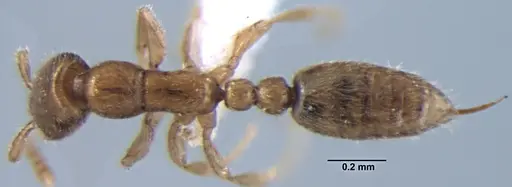
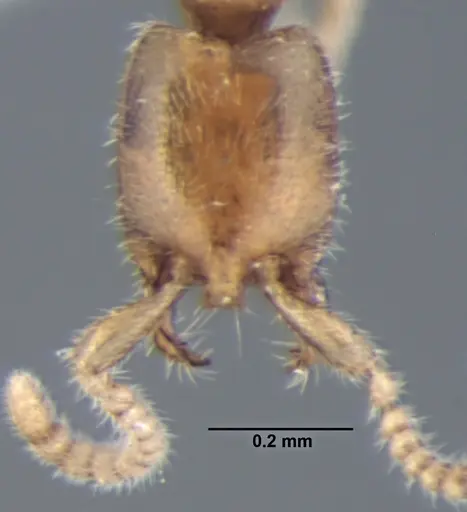
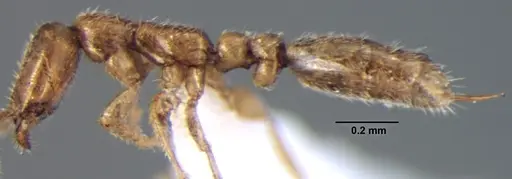
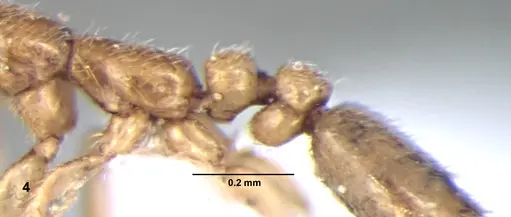
Литература
Загрузка карты распределения...Загрузка товаров...