
Leptanilla dehongensis
- Науч. назв.
- Leptanilla dehongensis
- Триба
- Leptanillini
- Подсемейство
- Leptanillinae
- Автор
- Qian <i>et al.</i>, 2024
- Распространение
- Встречается в 0 странах
Введение
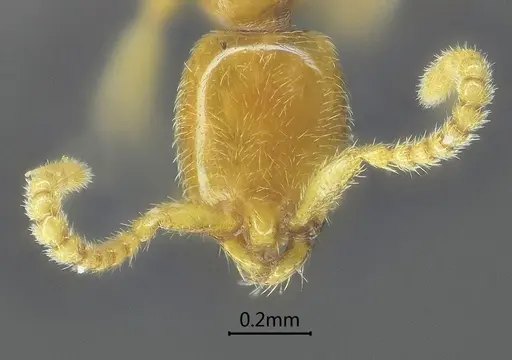
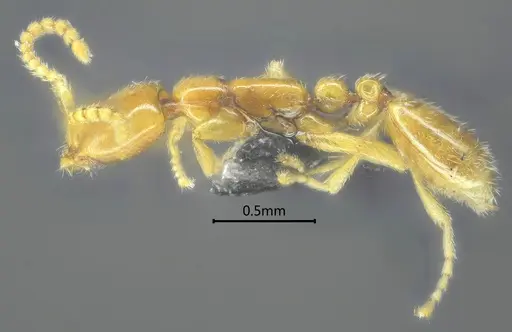
Leptanilla dehongensis is an extremely tiny ant species, with workers measuring just 1.6-2.3mm in total length . Workers have a distinctive yellow-brown body color with yellow antennae and legs, a smooth and shiny body surface, and a powerful sting at the tip of their elongated gaster . The head is longer than broad with a nearly straight posterior margin, and the petiolar node is strongly convex and nearly semicircular in profile . This species was discovered in Yunnan Province, southwestern China, where it lives in monsoon evergreen broadleaf forests at an altitude of 1537 meters . The genus Leptanilla is known for being specialized predators that hunt the brood of other ant species underground, making them fascinating but challenging to keep in captivity .
Quick Summary
- Difficulty: Expert
- Origin & Habitat: Yunnan Province, China, monsoon evergreen broadleaf forest at 1537m altitude in the Oriental region with subtropical climate [1][2]
- Colony Type: Colony structure is unconfirmed. Based on typical Leptanilla patterns, likely single-queen (monogyne) colonies.
- Size & Growth:
- Queen: size data unavailable, no queen description exists for this species [1]
- Worker: 1.60-2.30mm total length [1]
- Colony: up to 48 workers, the only recorded nest contained 48 workers [1]
- Growth: Unknown, likely slow based on small colony sizes typical of the genus
- Development: Unconfirmed, no development data exists for this species (Based on related Leptanilla species and their small colony sizes, development is likely several months but this is unconfirmed)
- Antkeeping:
- Temperature: Inferred from subtropical forest habitat, aim for 20-25°C with stable conditions. Avoid temperature extremes.
- Humidity: High humidity required, these are soil-dwelling ants from a monsoon forest. Keep nest substrate consistently moist but not waterlogged.
- Diapause: Unknown for this species. Subtropical species may have reduced activity in winter but may not require true hibernation.
- Nesting: Natural nesting: soil-dwelling, found in soil samples in monsoon evergreen broadleaf forest [1]. Captive recommendations: Use a small test tube setup or miniature formicarium with tight chambers scaled to their tiny size. Soil-based or plaster nests work well to maintain humidity.
- Behavior: These ants are extremely small and subtle. They are obligate predators specialized in hunting ant brood underground [2]. Workers have a powerful sting used to subdue prey [1]. Due to their minute size, escape prevention is critical, they can squeeze through the tiniest gaps. Foraging likely occurs in soil tunnels. Temperament is not aggressive toward humans but they will sting if threatened. Their small size and specialized diet make them challenging to observe and care for.
- Common Issues: extreme small size makes escape prevention difficult, use fine mesh barriers, specialized diet requirement (ant brood) is difficult to provide in captivity [2], colony sizes remain small, slow growth may frustrate keepers, high humidity needs can lead to mold if ventilation is poor, wild-caught colonies may have been damaged during collection due to their tiny size
Appearance and Identification
Leptanilla dehongensis workers are among the smallest ants you could keep, measuring just 1.6-2.3mm in total length [1]. Their body is brownish yellow with yellow antennae and legs, and the entire body surface is smooth and shiny [1]. The head is longer than broad with a nearly straight posterior margin, and they have 12-segmented antennae that slightly thicken toward the tip [1]. The most distinctive features are the strongly convex (rounded) petiolar node and the postpetiole, which is distinctly higher than the petiole [1]. A powerful sting is present at the tip of their elongated gaster [1]. This species is similar to Leptanilla lamellata but can be distinguished by its straighter posterior head margin, lighter yellow color, and the shape of the petiolar node [1].
Natural Habitat and Distribution
This species is known only from its type locality in Yunnan Province, southwestern China, specifically in Dehong Dai and Jingpo Autonomous Prefecture, Longchuan County, Husa Town, Baoping Village [1]. The habitat is monsoon evergreen broadleaf forest at an altitude of 1537 meters above sea level [1]. The region has a subtropical climate and belongs to the Oriental zoogeographic region [1]. Nests were found in soil samples, indicating these are strictly subterranean ants that rarely if ever come to the surface [1]. The single known colony contained 48 workers [1].
Feeding and Diet
Leptanilla species are obligate predators specialized in hunting the brood (eggs, larvae, and pupae) of other ant species underground [2]. This specialized diet is their most challenging aspect for captive keeping. In captivity, you would need to provide a consistent source of ant brood from smaller ant species, this typically means maintaining a feeder colony of something like small Formica or Lasius species whose brood can be offered. Offering small live insects is unlikely to be accepted since these ants are specialized predators on ant brood, not generalist hunters. Sugar sources are unlikely to be accepted given their predatory specialization. This species is definitely not suitable for beginners precisely because of its specialized dietary requirements.
Housing and Nesting
Due to their extreme small size and subterranean lifestyle, Leptanilla dehongensis requires careful housing setup. Use test tubes with very small water reservoirs or miniature formicarium setups with chambers scaled to their tiny 2mm size [1]. The nest material should be able to hold moisture consistently, soil-based setups or moist plaster work well. Because they are so tiny, escape prevention must be excellent, even standard test tube cotton can be too loose. Use fine mesh barriers and ensure all connections are tight. These ants should be kept in a dark environment as they are adapted to life underground and are likely light-sensitive.
Temperature and Humidity
Based on their subtropical forest habitat at 1537m altitude in Yunnan, aim for stable temperatures in the range of 20-25°C. Avoid temperature extremes, sudden drops or spikes are likely harmful. High humidity is essential since they come from a monsoon evergreen broadleaf forest [1]. Keep the nest substrate consistently moist but not waterlogged, these are soil-dwelling ants that need damp conditions. Allow for some variation within the setup so the ants can choose their preferred microclimate. Monitor for mold growth, which can be a problem in high-humidity setups with such small colonies.
Colony Structure and Behavior
The only known wild colony of L. dehongensis contained 48 workers, suggesting small colony sizes are typical for this species [1]. The colony structure (monogyne vs polygyne) has not been documented. Like other Leptanilla species, these ants likely have single queen colonies with the queen remaining underground throughout her life. Workers are specialized predators that hunt in soil tunnels, using their sting to subdue prey [1]. They are not aggressive toward humans but their sting is their primary defense. Given their minute size and subterranean nature, you will see very little of the ants themselves, they are essentially invisible unless you carefully observe their setup.
Frequently Asked Questions
How long does it take for Leptanilla dehongensis to develop from egg to worker?
The development timeline is unconfirmed for this species. Based on related Leptanilla species and their small colony sizes, development likely takes several months, but this has not been directly studied.
Can I keep Leptanilla dehongensis in a test tube setup?
Yes, test tubes can work but must be scaled to their tiny 2mm size. Standard test tubes may be too large. Use very small test tubes or custom mini setups with tight-fitting cotton and fine mesh barriers for escape prevention.
What do Leptanilla dehongensis eat?
They are obligate predators on ant brood. You would need to provide a constant source of ant brood from a feeder colony (typically small Formica or Lasius species). They will not accept standard ant foods like sugar water or dead insects.
How big do Leptanilla dehongensis colonies get?
Based on the single known wild colony of 48 workers, maximum colony size is likely under 100 workers. This is a small colony species even by Leptanilla standards.
Do Leptanilla dehongensis ants sting?
Yes, they have a powerful sting at the tip of their gaster [1]. However, due to their extremely small size (1.6-2.3mm), the sting is unlikely to penetrate human skin or cause noticeable pain to humans.
Is Leptanilla dehongensis suitable for beginners?
No, this species is not suitable for beginners. Their extreme small size, specialized diet requiring ant brood, high humidity needs, and the difficulty of obtaining them make them an expert-level species.
Do Leptanilla dehongensis need hibernation?
Diapause requirements are unknown for this species. As a subtropical species from Yunnan, they may have reduced activity in winter but likely do not require true hibernation. Keep temperatures stable year-round.
Why are my Leptanilla dehongensis dying?
Common causes include: inability to provide ant brood as food, incorrect humidity (too dry or too wet leading to mold), escape through tiny gaps, temperature instability, and stress from excessive observation. These are delicate ants that require precise conditions.
Can I keep multiple queens together?
Colony structure is unconfirmed for this species. Combining unrelated queens is not recommended since this has not been documented and could result in aggression.
When should I move Leptanilla dehongensis to a formicarium?
Given their small colony sizes and preference for soil environments, keeping them in a modified test tube setup long-term is often preferable. Only consider moving if the colony grows significantly and the test tube becomes inadequate.
Report an Issue
The current care sheet is based fully on literature. See inconsistencies, or something that's incorrect? Please , it will be resolved after review from an admin. Contributing to the blogs tab also helps providing information, to make us be able to further improve the caresheets. Thank you for your support!
References

Эта инструкция по уходу лицензирована по CC BY-SA 4.0 .
Блоги сообщества
ANTWEB1060529
Посмотреть на AntWeb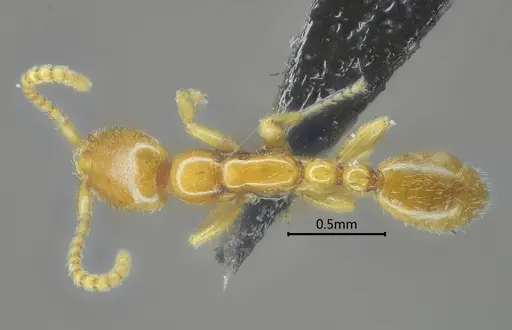
Литература
Загрузка карты распределения...Загрузка товаров...