
Lepisiota karawaiewi
- Науч. назв.
- Lepisiota karawaiewi
- Триба
- Plagiolepidini
- Подсемейство
- Formicinae
- Автор
- Kuznetsov-Ugamsky, 1929
- Распространение
- Встречается в 0 странах
Введение
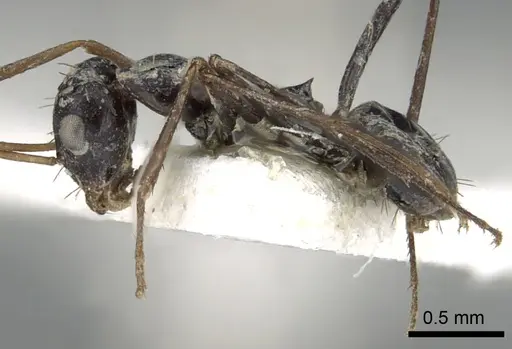
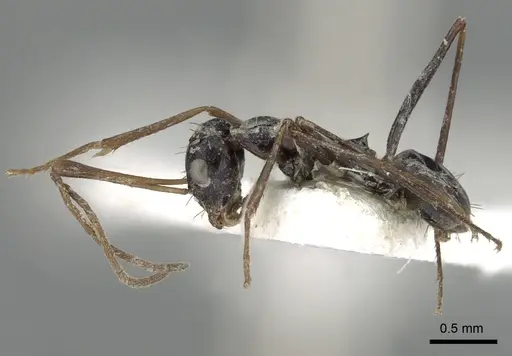
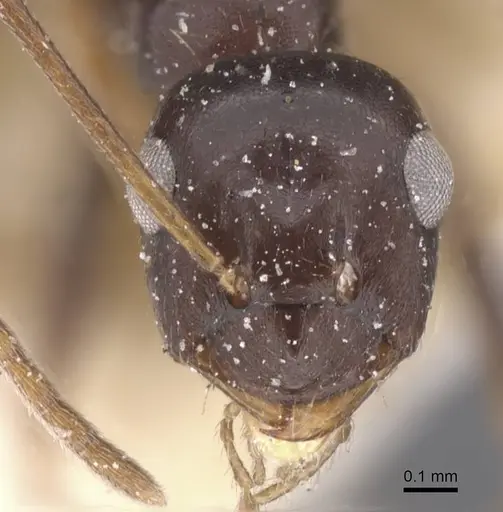
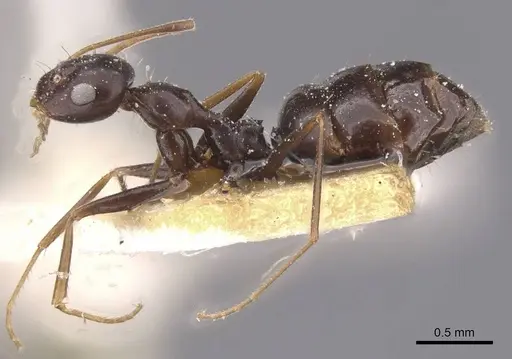
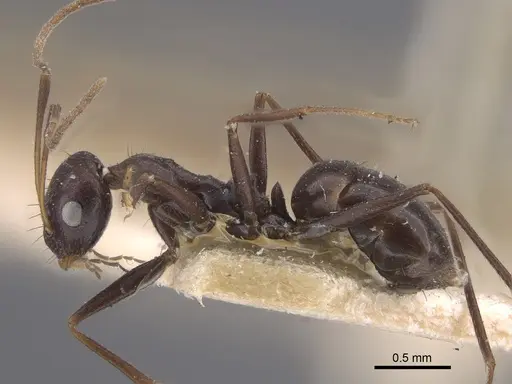
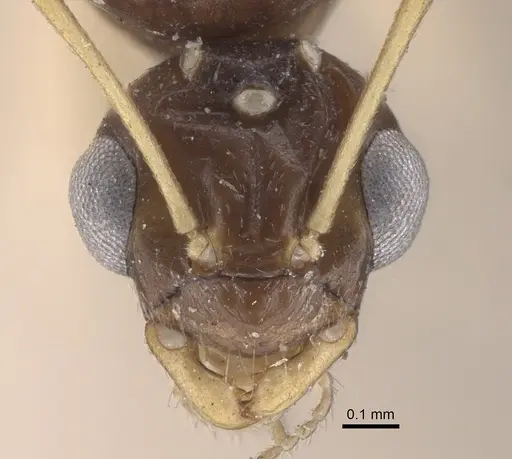
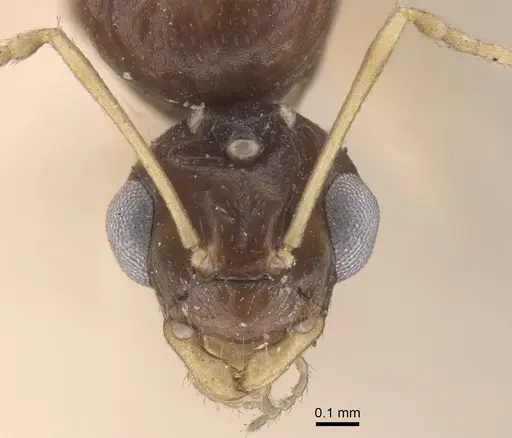
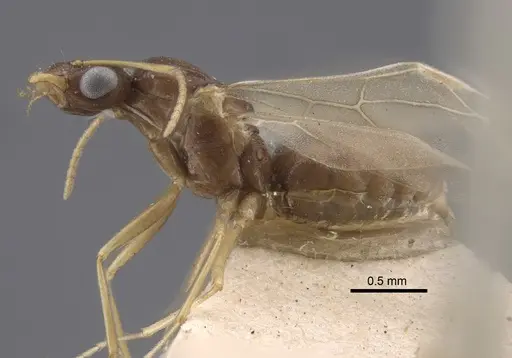
Lepisiota karawaiewi is a small ant species native to Central Asia, with confirmed records from Kazakhstan and Iran, plus unconfirmed reports from Kuwait and the United Arab Emirates . The head and mesosoma are superficially sculptured and slightly shiny, with short, blunt propodeal spines . The first and second abdominal segments are completely bare . Workers measure around 3-4mm - inferred from Lepisiota genus patterns . This species belongs to the frauenfeldti-nigra group and has a messy taxonomic history, having been synonymized with Lepisiota semenovi before being revived as a valid species . True distribution is limited to Central Asia, and many records from Greece or the Balkans are misidentifications . For keepers, this is an uncommon species with limited documented care information.
Quick Summary
- Difficulty: Medium
- Origin & Habitat: Central Asia (Kazakhstan) and Iran, found in montane areas with low rainfall [2]. Also recorded from Kuwait and the UAE [1].
- Colony Type: Likely monogyne (single queen) based on typical Lepisiota patterns, though exact colony structure is unconfirmed.
- Size & Growth:
- Queen: ~5-6mm, inferred from Lepisiota genus
- Worker: ~3-4mm, inferred from Lepisiota genus [2]
- Colony: Unknown, no colony size data available
- Growth: Moderate, inferred from genus patterns
- Development: 6-10 weeks estimated based on related Lepisiota species and temperate climate origin (Development time is not directly studied for this species, estimates based on genus patterns and Central Asian climate)
- Antkeeping:
- Temperature: Keep warm and stable, roughly low-to-mid 20s°C. Based on montane Central Asian origin, they likely prefer cooler conditions than tropical ants. A temperature gradient allowing them to choose their preferred spot works well.
- Humidity: Prefers drier conditions, montane areas with low rainfall suggest keeping the nest substrate mostly dry with one small moist area. Allow the nest to dry out between waterings.
- Diapause: Yes, likely requires a winter rest period of 2-3 months at 10-15°C, consistent with Central Asian origin and temperate climate species.
- Nesting: Use a dry nest setup, Y-tong (AAC), plaster, or soil nests work well given their preference for drier conditions. Provide a small water tube but avoid excessive moisture.
- Behavior: Active and fast-moving foragers typical of the genus. They are generalist omnivores, feeding on small insects and honeydew. Workers are small so escape prevention is important. Temperament is typically non-aggressive, but they can spray formic acid when threatened, which is standard for Formicinae ants.
- Common Issues: limited availability makes this species uncommon in the hobby, escape prevention is critical due to small worker size, taxonomic confusion makes identification difficult since records may represent different species, drying out is less of a concern than for moisture-loving species, but don't keep them too dry, winter diapause is likely required but specific duration is unconfirmed
Nest Preferences and Housing
Lepisiota karawaiewi prefers drier nest conditions compared to many other ants. A Y-tong (AAC) nest or plaster nest works well for this species. The nest should have small chambers scaled to their tiny worker size. Provide a small water tube for humidity but avoid creating overly moist conditions, these ants come from montane areas with low rainfall [2]. The outworld should be simple with easy access to food. Because of their small size, ensure all connections and barriers are tight-fitting to prevent escapes. A test tube setup can work for founding colonies, but monitor moisture levels carefully as they prefer drier conditions.
Feeding and Diet
Like most Lepisiota species, these ants are generalist omnivores. Offer protein sources such as small insects (fruit flies, small mealworms, crickets) and provide sugar sources like honey water or sugar water. In the wild, they likely forage for small prey and tend aphids for honeydew. Feed small prey items appropriate to their worker size, their tiny mandibles mean they can only handle very small insects. Offer protein 2-3 times per week and keep sugar water available at all times. Remove uneaten prey after 24-48 hours to prevent mold.
Temperature and Seasonal Care
Keep colony temperatures around 18-24°C, leaning toward the cooler end since they originate from montane Central Asia. Room temperature is often suitable. Unlike tropical ants, they do not require constant warmth. Provide a temperature gradient if possible so workers can choose their preferred spot. During winter (roughly November to February in the Northern Hemisphere), reduce temperature to 10-15°C for a diapause period. This winter rest is likely important for colony health and triggering reproductive behavior the following spring. Do not feed during diapause but keep a small water source available. [2]
Behavior and Colony Dynamics
Workers are active and fast-moving, typical of the genus Lepisiota. They are not particularly aggressive but will quickly flee when threatened. Colonies likely reach moderate sizes, though exact maximum colony size is unknown for this species. The founding method is unconfirmed. Workers are small with the characteristic blunt propodeal spines of the frauenfeldti-nigra group. The colony will establish nanitic (first) workers that are typically smaller than subsequent generations. These ants are not known for any unusual behaviors like slave-making or temporary parasitism. [2][5]
Taxonomic Notes for Keepers
This species has a complicated taxonomic history. It was originally described as a subspecies of Lepisiota frauenfeldi, later raised to species status, then synonymized with L. semenovi, and finally revived as a valid species [6]. The entire Lepisiota genus in this region needs revision, and many records (especially from Greece and the Balkans) may represent different, similar-looking species [5][1]. If you obtain this species, be aware that exact identification can be difficult. The type locality is Kazakhstan, and specimens from Iran represent the same valid species [2].
Frequently Asked Questions
How long does it take for Lepisiota karawaiewi to produce first workers?
Expect 6-10 weeks from egg to first worker at room temperature. This is an estimate based on related Lepisiota species and their Central Asian temperate origin, the exact development time has not been scientifically documented for this specific species.
Do Lepisiota karawaiewi ants need hibernation?
Yes, a winter diapause period of 2-3 months at 10-15°C is recommended. This species originates from Central Asia (Kazakhstan) where winters are cold, so they require a rest period during winter months to remain healthy.
What do Lepisiota karawaiewi ants eat?
They are omnivores. Feed small insects (fruit flies, tiny mealworms) as protein and provide sugar water or honey constantly. They will also tend aphids for honeydew if given the opportunity.
Are Lepisiota karawaiewi good for beginners?
This species is rated as Medium difficulty. While not the most challenging species, they are uncommon in the hobby and some care requirements (exact development time, colony size limits) are not well documented. They prefer drier conditions than many beginner species, which may be easier to manage.
Can I keep multiple Lepisiota karawaiewi queens together?
This is not recommended. While colony structure is not well documented, Lepisiota species are typically monogyne (single queen). Combining unrelated foundress queens has not been studied for this species and would likely result in fighting.
What size nest do Lepisiota karawaiewi need?
Use a small nest with tight chambers scaled to their tiny 3-4mm worker size. Y-tong nests or plaster nests work well. They prefer drier conditions, so avoid nests that retain too much moisture. A test tube can work for founding colonies.
Why are my Lepisiota karawaiewi escaping?
Their small size (3-4mm workers) means they can squeeze through tiny gaps. Use fine mesh barriers and ensure all connections are tight-fitting. Check all tubing connections and make sure the outworld lid fits securely.
How big do Lepisiota karawaiewi colonies get?
The maximum colony size is unknown, this has not been documented in scientific literature. Based on related Lepisiota species, colonies likely reach several hundred to a few thousand workers. They are not known for supercolonial behavior.
Where is Lepisiota karawaiewi native to?
This species is native to Central Asia, specifically Kazakhstan and Iran, with records also from Kuwait and the United Arab Emirates. Records from Greece and the Balkans are considered misidentifications and need confirmation [1][2].
Report an Issue
The current care sheet is based fully on literature. See inconsistencies, or something that's incorrect? Please , it will be resolved after review from an admin. Contributing to the blogs tab also helps providing information, to make us be able to further improve the caresheets. Thank you for your support!
References

Эта инструкция по уходу лицензирована по CC BY-SA 4.0 .
Блоги сообщества
CASENT0249850
Посмотреть на AntWeb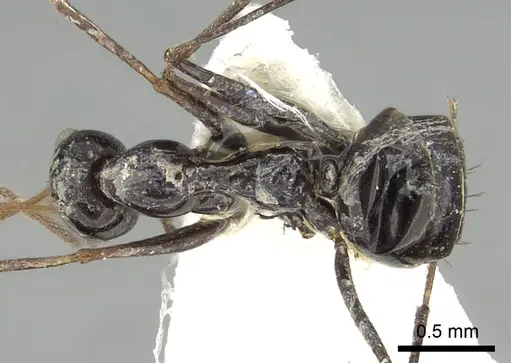
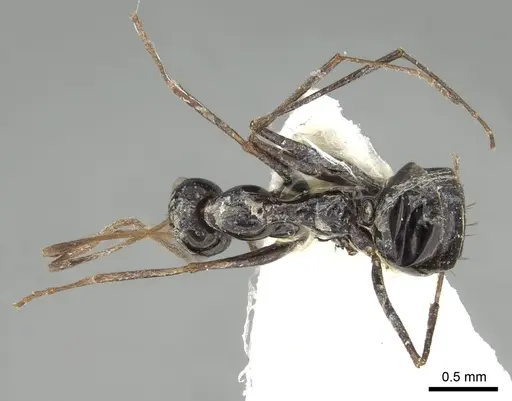
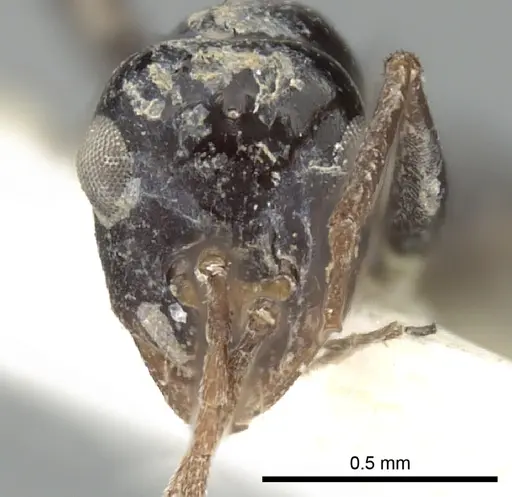
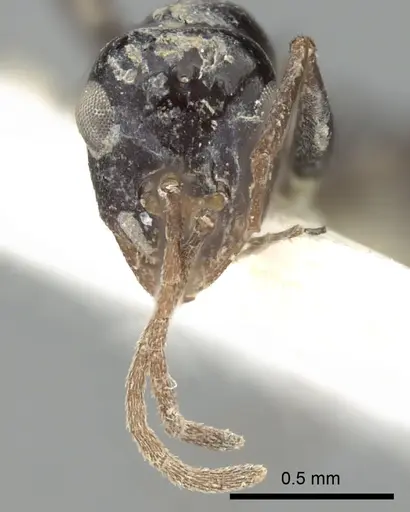
CASENT0912405
Посмотреть на AntWeb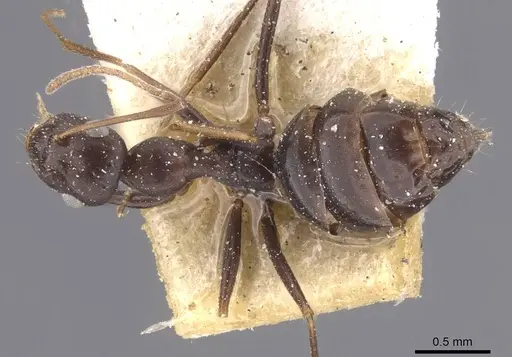
CASENT0917324
Посмотреть на AntWeb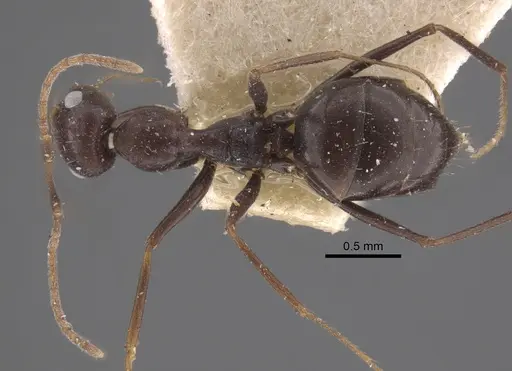
CASENT0917326
Посмотреть на AntWeb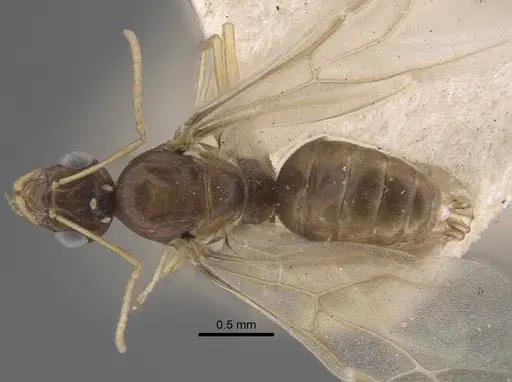
Литература
Загрузка карты распределения...Загрузка товаров...