
Lepisiota fergusoni
- Науч. назв.
- Lepisiota fergusoni
- Триба
- Plagiolepidini
- Подсемейство
- Formicinae
- Автор
- Forel, 1895
- Распространение
- Встречается в 0 странах
Введение
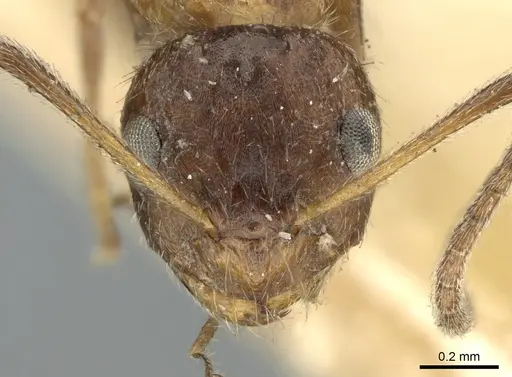
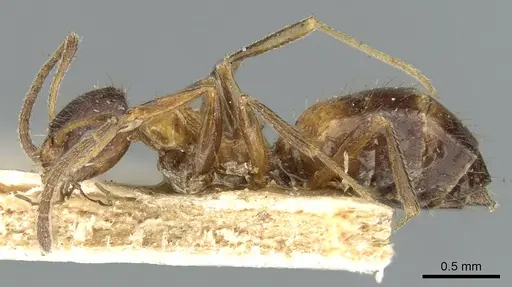
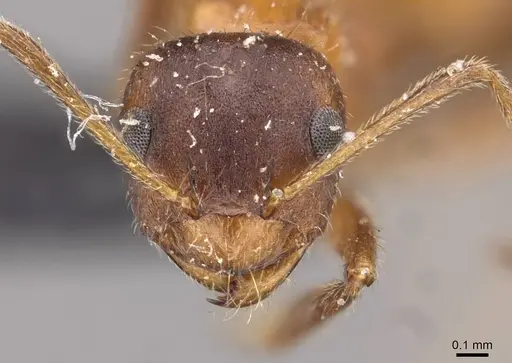
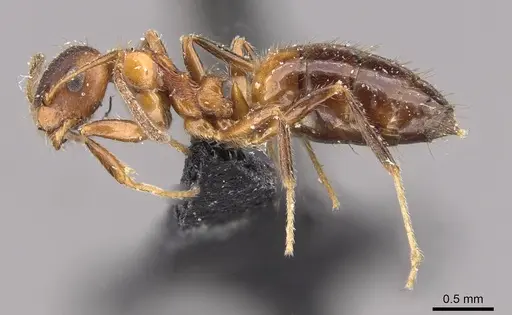
Lepisiota fergusoni is a medium-sized ant native to the coastal plains of India and Sri Lanka. Workers measure 2-3.5mm with a distinctive appearance: reddish-brown head and gaster, reddish-yellow mesosoma and petiole, and a light patch on the first abdominal segment. The species is identified by its reticulate-striate head texture and blunt propodeal spines pointing backward, which distinguish it from similar species like Lepisiota pulchella. These ants inhabit leaf litter in coastal plain environments and are infrequently encountered in ant collections . This species is part of the Formicinae subfamily. The genus Lepisiota is considered exotic to Sri Lanka, meaning this species may not be native there . They are ground-dwelling ants found in leaf litter and coconut plantations across wet, dry, and intermediate climate zones.
Quick Summary
- Difficulty: Medium
- Origin & Habitat: Coastal plains of India (Karnataka, Kerala, West Bengal) and Sri Lanka. Found in leaf litter samples and coconut plantations across wet, dry, and intermediate climate zones [1][3][2].
- Colony Type: Colony structure is unconfirmed for this specific species.
- Size & Growth:
- Antkeeping:
- Temperature: Keep at 24-28°C. These ants come from warm coastal tropical environments in India and Sri Lanka, so they prefer warmer conditions. A heating cable on one side of the nest creates a suitable gradient
- Humidity: Keep substrate moderately moist. They inhabit leaf litter in coastal areas, so aim for 60-75% humidity. Provide a water tube for drinking water and occasional misting of the outworld
- Diapause: No true diapause required. As a tropical species from Sri Lanka and coastal India, they do not experience cold winters. Keep them active year-round at stable warm temperatures
- Nesting: Use a naturalistic setup with leaf litter material or a Y-tong/plaster nest with small chambers. They are ground-dwelling leaf litter ants, so they prefer tight spaces with some moisture-retaining substrate. A test tube setup works for founding colonies
- Behavior: This species is moderately active and forages in the leaf litter layer. They are not particularly aggressive but will defend their nest. Workers are small (2-3.5mm) so escape prevention should focus on fine mesh barriers. They are ground-nesting and likely form moderate-sized colonies. Their small size means they can squeeze through small gaps, use tight-fitting lids and fine mesh on any outworld connections.
- Common Issues: small size makes escape likely without fine mesh barriers, tropical species may decline if temperatures drop below 22°C, limited availability in ant keeping trade, wild-caught colonies may have parasites, ground-dwelling species needs proper substrate depth for nesting, humidity levels that are too low can cause colony decline, the genus Lepisiota is considered exotic to Sri Lanka, ensure you source from legal suppliers
Housing and Nest Setup
Lepisiota fergusoni is a ground-dwelling species that naturally lives in leaf litter and soil. For captive care, a naturalistic setup works best, use a container filled with moist soil or a mixture of soil and leaf litter material. The substrate should be kept moderately moist but not waterlogged. A Y-tong (AAC) or plaster nest with small chambers also works well, especially for established colonies. For founding colonies, a standard test tube setup with a water reservoir works initially, but transfer to a more naturalistic setup once the colony reaches 20-30 workers. These ants prefer tight, enclosed spaces rather than open areas, so provide chambers sized appropriately for their small worker size of 2-3.5mm. [1]
Feeding and Diet
Like most Lepisiota species, these ants are omnivorous and will accept both protein and sugar sources. Offer sugar water, honey, or diluted syrup as a constant carbohydrate source. For protein, provide small insects like fruit flies, small mealworms, or other tiny arthropods. In their natural habitat in Sri Lanka and India, they likely forage for small invertebrates and honeydew from aphids in the leaf litter layer. Feed protein prey 2-3 times per week, and keep sugar water available at all times. Remove uneaten prey after 24 hours to prevent mold. [1][2]
Temperature and Seasonal Care
As a tropical species from the coastal plains of India and Sri Lanka, Lepisiota fergusoni requires warm temperatures year-round. Maintain nest temperatures between 24-28°C. They do not require hibernation or diapause, keeping them at stable warm temperatures will support continuous colony growth. A small heating cable placed on one side of the nest can help maintain optimal temperatures, especially in cooler climates. Avoid temperatures below 22°C as this species is not adapted to cool conditions. Room temperature in heated homes is often suitable, but monitor with a thermometer. [1][3]
Humidity and Water
These ants inhabit leaf litter in coastal areas, so they prefer moderate to high humidity. Keep the nest substrate consistently moist but not waterlogged, the substrate should feel damp but you should not see standing water. Provide a water tube (test tube with cotton plug) as a permanent water source. Occasional light misting of the outworld helps maintain humidity. Good ventilation is important to prevent mold, but avoid excessive airflow that dries out the nest. The combination of moist substrate and adequate ventilation creates the damp forest-floor conditions they naturally inhabit. [1]
Colony Development
The colony starts when a queen seals herself in a small chamber and raises her first workers. Since this species has not been studied in captivity, development time is unknown. Initial colonies grow slowly as the queen focuses on producing a small batch of workers. Once established, growth rate depends on temperature and food availability. Maximum colony size is unknown, this species has not been documented in captive colonies. Patience is key during the founding stage.
Behavior and Temperament
Lepisiota fergusoni workers are small but active foragers that search for food in the leaf litter layer. They are not particularly aggressive toward keepers but will defend their nest if threatened. Workers are small enough (2-3.5mm) that they can squeeze through tiny gaps, excellent escape prevention is essential. Use fine mesh on any ventilation holes and ensure all connections between nest and outworld are sealed. The species is ground-dwelling and does not climb smooth surfaces well, but their small size means they can still find unexpected escape routes. They are most active in warm, humid conditions and may become less active if conditions are too dry or cool. [1]
Frequently Asked Questions
How long does it take for Lepisiota fergusoni to raise first workers?
This is unknown, the species has not been studied in captivity. Based on typical tropical ant development, expect first workers in 6-8 weeks under optimal warm conditions (24-28°C), but this is only an estimate.
Can I keep Lepisiota fergusoni in a test tube?
Yes, test tubes work well for founding colonies. Use a standard test tube setup with a water reservoir. Once the colony reaches 20-30 workers, consider moving them to a more naturalistic setup with soil substrate.
What temperature do Lepisiota fergusoni ants need?
Keep them warm at 24-28°C. These tropical ants from India and Sri Lanka do not tolerate cool temperatures well. Avoid temperatures below 22°C.
Do Lepisiota fergusoni ants need hibernation?
No, they do not require hibernation. As a tropical species from Sri Lanka and coastal India, they stay active year-round at warm temperatures.
How big do Lepisiota fergusoni colonies get?
Maximum colony size is unknown for this species, it has not been documented in captivity.
Are Lepisiota fergusoni good for beginners?
This species is rated as medium difficulty. They require warm temperatures and moderate humidity, which is manageable for intermediate antkeepers. Their small size and specific humidity needs make them slightly more challenging than common temperate species.
What do Lepisiota fergusoni ants eat?
They are omnivorous. Offer sugar water or honey as a constant carbohydrate source, and protein prey like small insects (fruit flies, tiny mealworms) 2-3 times per week.
Do Lepisiota fergusoni ants escape easily?
Yes, their small size (2-3.5mm) means they can squeeze through tiny gaps. Use fine mesh on all ventilation holes and ensure all connections are tightly sealed.
Can I keep multiple Lepisiota fergusoni queens together?
The colony structure is unconfirmed for this species. It is not recommended to combine unrelated queens.
Where is Lepisiota fergusoni found in the wild?
They inhabit the coastal plains of India (Karnataka, Kerala, West Bengal) and Sri Lanka. They live in leaf litter and have been found in coconut plantations across different climate zones.
Report an Issue
The current care sheet is based fully on literature. See inconsistencies, or something that's incorrect? Please , it will be resolved after review from an admin. Contributing to the blogs tab also helps providing information, to make us be able to further improve the caresheets. Thank you for your support!
References

Эта инструкция по уходу лицензирована по CC BY-SA 4.0 .
Блоги сообщества
CASENT0906256
Посмотреть на AntWeb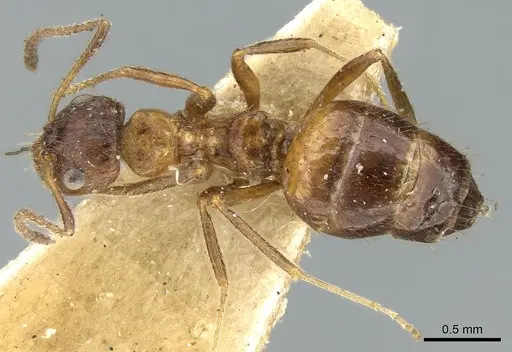
CASENT0909883
Посмотреть на AntWeb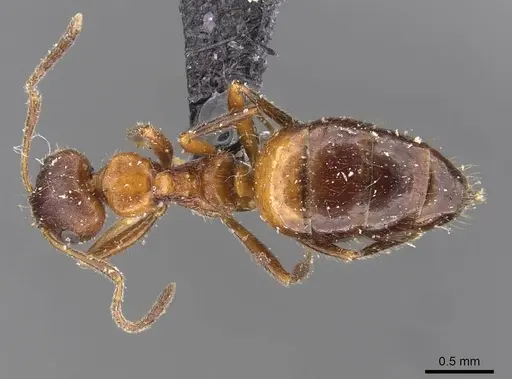
Литература
Загрузка карты распределения...Загрузка товаров...