
Lasius mikir
- Науч. назв.
- Lasius mikir
- Триба
- Lasiini
- Подсемейство
- Formicinae
- Автор
- Collingwood, 1982
- Распространение
- Встречается в 0 странах
Введение
Lasius mikir is a small ant species endemic to the Indian Himalayas, specifically found in Assam, Sikkim, and West Bengal . Workers measure 3.9-4.6mm in total length and have a distinctly pale yellow coloration - much lighter than other Himalayan Lasius species - with a smooth, shining body and fine adpressed pubescence . This species is notable for being one of the few Lasius species documented in a tropical environment, and it belongs to the umbratus species group with close relation to Lasius crinitus . The discovery of this species in Assam was significant because most Lasius prefer temperate climates, making mikir an unusual tropical-adapted member of the genus.
Quick Summary
- Difficulty: Unknown, likely Medium
- Origin & Habitat: Endemic to the Indian Himalayas (Assam, Sikkim, West Bengal) at approximately 1500m elevation [3][1]. Likely inhabits leaf litter in alpine Himalayan zones based on behavior of its close relative Lasius crinitus [2].
- Colony Type: Unconfirmed, colony structure has not been documented in scientific literature
- Size & Growth:
- Queen: Unknown, not described in original description
- Worker: 3.9-4.6mm [2]
- Colony: Unknown, no colony size data available
- Growth: Unknown
- Development: Unconfirmed, estimate 6-10 weeks based on typical Lasius development patterns (Development timeline has not been directly studied. Estimates based on genus-level data for related Lasius species.)
- Antkeeping:
- Temperature: Likely requires moderate temperatures, aim for 20-24°C based on its Himalayan origin and relation to Lasius crinitus which inhabits cooler alpine zones. Provide a temperature gradient if possible.
- Humidity: Likely requires moderate to high humidity given its leaf litter habitat preference. Keep nest substrate consistently moist but not waterlogged.
- Diapause: Likely yes, based on Himalayan origin, expect a winter dormancy period. More research needed to confirm specific requirements.
- Nesting: Based on relation to Lasius crinitus (leaf litter inhabitant), likely nests in soil or under stones in damp, shaded areas. A naturalistic setup with moist substrate or a Y-tong/plaster nest would likely work well.
- Behavior: Not well-documented. Based on related species, likely peaceful and not aggressive. Workers are small (under 5mm) so escape prevention should be moderate, fine mesh barriers recommended. Foraging style likely typical of Lasius, they likely forage for honeydew and small insects.
- Common Issues: very limited scientific data means care requirements are largely inferred from related species, colony founding behavior is unconfirmed, unknown if claustral or semi-claustral, hibernation requirements are not documented and may require experimentation, wild-caught colonies may have parasites given limited captive breeding information, growth rate is unknown making it difficult to predict colony development timeline
Discovery and Taxonomic Background
Lasius mikir was first described by Collingwood in 1982 from specimens collected in Assam, India [2]. The discovery was significant because it represented a definite record of a Lasius species inhabiting a tropical environment, which is unusual for this genus that typically prefers temperate climates. The species is closely related to Lasius crinitus, another Himalayan species known for inhabiting leaf litter in alpine zones. This relationship suggests that Lasius mikir may also be a specialized litter inhabitant, adapted to the cool, damp conditions found at higher elevations in the Himalayas [2]. The species is part of the umbratus species group within the flavus clade of Lasius.
Identification and Appearance
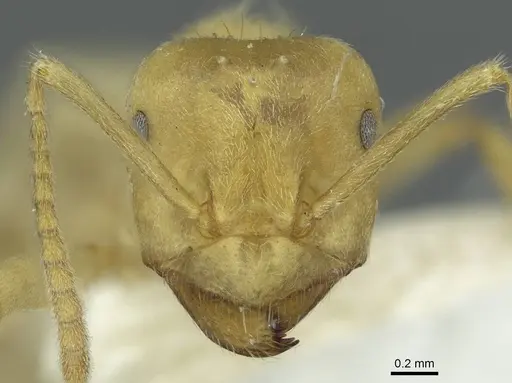
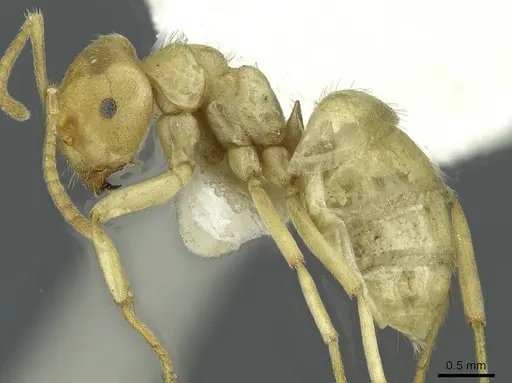
Lasius mikir workers are small ants measuring 3.9-4.6mm in total length [2]. They can be distinguished from related species by their distinctly pale yellow coloration, much paler than any other known Himalayan Lasius species, and their reduced body pilosity (fewer standing hairs) compared to Lasius crinitus. The head is more parallel-sided, and the body has a smooth, shining appearance with fine, silky, adpressed pubescence covering the entire body. The eyes are relatively large, and the antennae are elongated. The petiole (the narrow waist segment) is thin with a pointed, non-emarginate apex when viewed from the front [2].
Distribution and Habitat
This species is endemic to India, with confirmed records from Assam, Sikkim, and West Bengal [1]. It is found at approximately 1500 meters above mean sea level in the Himalayan region [3]. While the specific habitat details for Lasius mikir are not available, its close relative Lasius crinitus is commonly found inhabiting leaf litter in the alpine Himalayan zone [2]. This suggests that Lasius mikir likely prefers damp, shaded microhabitats such as forest floor leaf litter, under stones, or in soil in high-elevation forested areas.
Housing and Nesting
Since specific nesting information is unavailable for Lasius mikir, housing recommendations must be based on its likely preferences as a leaf litter inhabitant from the Himalayan region. A naturalistic setup with moist substrate (like a soil-filled container with leaf litter on top) would likely suit this species well, replicating its natural forest floor habitat. Alternatively, a Y-tong or plaster nest with consistently moist substrate would provide the humidity they likely need. Given their small size (under 5mm), ensure escape prevention is adequate with fine mesh or other appropriate barriers. The nest should be kept in a cool, stable environment away from direct heat sources and excessive dryness.
Feeding and Diet
Like other Lasius species, Lasius mikir likely has a typical diet of honeydew from aphids and other plant-sucking insects, plus small insects and arthropods for protein. In captivity, you can offer sugar water or honey water as a constant carbohydrate source, along with small protein sources such as fruit flies, small mealworms, or other tiny insects. Since this is a very small ant species, prey items should be appropriately sized. The exact dietary preferences of Lasius mikir have not been studied, but related Lasius species are generalist feeders, so a varied diet is likely best.
Temperature and Seasonal Care
Based on its Himalayan origin at approximately 1500m elevation, Lasius mikir likely prefers cooler temperatures than typical tropical ants. Aim for temperatures in the range of 20-24°C, with some cooler areas in the enclosure. During winter, expect that this species will require a hibernation period or at least significant temperature reduction, similar to other Lasius species from temperate regions. The exact duration and temperature requirements for diapause (winter rest) are not documented and will require observation of captive colonies to determine. Monitor colony activity levels as a guide, if workers become less active in winter, this indicates natural seasonal slowing. [3]
Frequently Asked Questions
How long does it take for Lasius mikir to go from egg to first worker?
The exact development timeline has not been scientifically documented for this species. Based on typical Lasius development patterns, estimate approximately 6-10 weeks from egg to first worker at optimal temperatures around 22°C. This is an educated guess rather than confirmed data.
What do Lasius mikir ants eat?
Like other Lasius species, they likely feed on honeydew from aphids and small insects. In captivity, offer sugar water or honey water as a constant carbohydrate source, plus small protein prey like fruit flies, tiny mealworms, or other small insects. Their small size means prey should be appropriately sized.
What temperature should I keep Lasius mikir at?
Based on their Himalayan origin, aim for moderate temperatures around 20-24°C. Provide a temperature gradient so ants can choose their preferred zone. They likely prefer cooler conditions than typical tropical ants due to their high-elevation habitat.
Do Lasius mikir ants need hibernation?
Likely yes, based on their Himalayan origin at 1500m elevation. Most Lasius species from temperate regions require a winter dormancy period. The exact requirements are unconfirmed and will require observation of captive colonies to determine properly.
Are Lasius mikir good for beginners?
This species is not recommended for beginners due to the very limited scientific data available on its care requirements. Most of what we know is inferred from related species. If you are experienced with Lasius species and enjoy experimentation, it could be an interesting species to attempt.
How big do Lasius mikir colonies get?
The maximum colony size is unknown, no scientific data exists on colony size for this species. Based on related species in the genus, colonies likely reach several hundred workers at most.
Can I keep multiple Lasius mikir queens together?
The colony structure (monogyne vs polygyne) has not been documented for this species. Without this information, combining unrelated queens is not recommended as the outcome is unpredictable.
What type of nest should I use for Lasius mikir?
A naturalistic setup with moist soil and leaf litter would likely best replicate their natural habitat. Alternatively, a Y-tong or plaster nest with consistently moist substrate would work. Their small size and likely preference for humidity should guide your choice.
Where is Lasius mikir found in the wild?
Lasius mikir is endemic to the Indian Himalayas, specifically recorded from Assam, Sikkim, and West Bengal at approximately 1500m elevation. It is one of the few Lasius species adapted to tropical/subtropical environments.
Report an Issue
The current care sheet is based fully on literature. See inconsistencies, or something that's incorrect? Please , it will be resolved after review from an admin. Contributing to the blogs tab also helps providing information, to make us be able to further improve the caresheets. Thank you for your support!
References

Эта инструкция по уходу лицензирована по CC BY-SA 4.0 .
Блоги сообщества
CASENT0912295
Посмотреть на AntWeb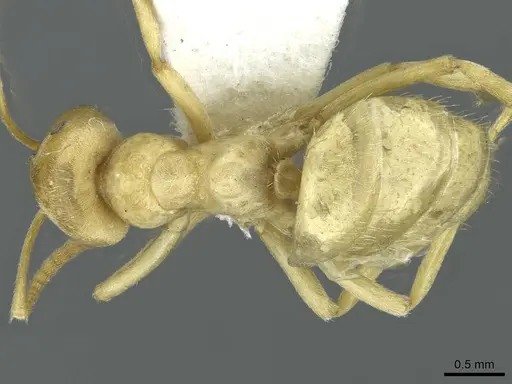
Литература
Загрузка карты распределения...Загрузка товаров...