
Lasius creticus
- Науч. назв.
- Lasius creticus
- Триба
- Lasiini
- Подсемейство
- Formicinae
- Автор
- Seifert, 2020
- Распространение
- Встречается в 0 странах
Введение
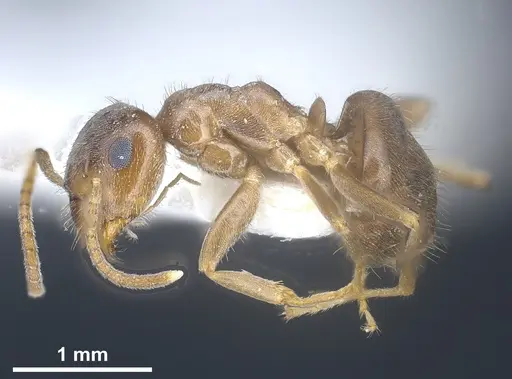
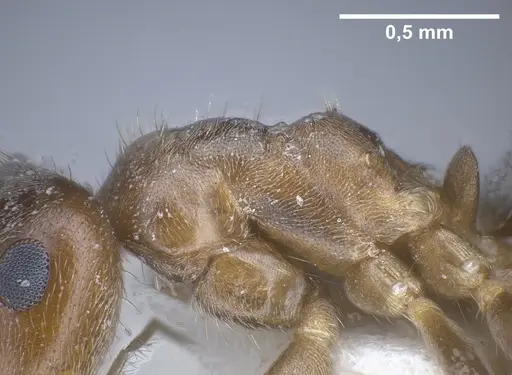
Lasius creticus is a small ant belonging to the Lasius niger species group, specifically the obscuratus species complex. Workers have a distinctive appearance with coloration ranging from light reddish-brown to medium brown with a reddish tinge, and notably long erect setae on the back of the head and body. This species was formally described in 2020,making it one of the newer additions to the ant-keeping hobby. It originates from the eastern Mediterranean region - specifically the islands of Crete and Rhodes, extending through Anatolia to northern Iran. In the wild, they inhabit diverse environments from sandy beaches and pine coastal areas to deciduous forests along stream banks, and have been found at elevations ranging from 25 to 1900 meters.
Quick Summary
- Difficulty: Easy
- Origin & Habitat: Eastern Mediterranean, islands of Crete and Rhodes, Anatolia east to northern Iran. Found in diverse habitats from sandy beaches and pine coastal areas to deciduous forests along stream banks, at altitudes from 25-1900m [1][2].
- Colony Type: Colony structure is unconfirmed, species-specific data has not been documented. Based on typical Lasius patterns, likely single-queen colonies.
- Size & Growth:
- Queen: ~8-10mm, inferred from Lasius genus patterns
- Worker: ~3-4mm, inferred from Lasius genus patterns
- Colony: Estimated up to several hundred workers based on related species in the obscuratus complex
- Growth: Moderate, inferred from typical Lasius development patterns
- Development: Estimated 6-10 weeks based on related Lasius species at optimal temperature (Development time is inferred from genus-level data since species-specific measurements are not available.)
- Antkeeping:
- Temperature: Keep at 20-24°C. This species tolerates a wide range in the wild (25-1900m elevation), so room temperature in most homes should work well. A slight heating gradient is beneficial for brood development.
- Humidity: Moderate humidity around 50-60%. They naturally inhabit areas near rivers and streams, so occasional misting or a water reservoir in the outworld helps. Avoid overly dry conditions.
- Diapause: Yes, Lasius species require a winter rest period. Keep at 5-10°C for 2-3 months during winter (roughly October to March in the Northern Hemisphere). This mimics their natural seasonal cycle.
- Nesting: Test tubes work well for founding colonies. Once established, they do well in Y-tong nests, plaster nests, or naturalistic setups. They prefer nesting in soil or decaying wood in the wild, so provide appropriate substrate.
- Behavior: Workers are active foragers with moderate aggression when defending the colony. They are not particularly aggressive toward keepers and can be handled with care. Escape risk is moderate, they are small but not as tiny as some other species, so standard escape prevention measures (fluon barriers, tight-fitting lids) are sufficient. They readily accept sugar water and protein prey.
- Common Issues: colonies may fail if not given proper hibernation, Lasius need winter rest to maintain healthy cycles, test tube flooding can kill founding colonies, use appropriate water reservoir size and avoid overfilling, wild-caught colonies may have parasites that cause colony collapse in captivity, slow founding phase causes some keepers to overfeed, leading to mold problems, queen loss during founding is common, ensure founding setup is stable and undisturbed
Nest Preferences
In the wild, Lasius creticus nests in soil and decaying wood, often in shaded areas near water sources like riverbanks. They prefer locations with moderate to high canopy cover, one sample was collected from a Platanus stand with 90% canopy cover near a river at 1000m elevation, and another from an Abies stand with 70% canopy cover at 1900m [1]. For captive care, test tubes work perfectly for queen founding. Once the colony reaches 20-30 workers, you can move them to a Y-tong nest, plaster nest, or naturalistic setup with soil. They do well in nests that maintain moderate humidity and offer some darkness. Avoid very dry conditions, these ants naturally occur near water and prefer somewhat damp substrates.
Feeding and Diet
Like other Lasius species, Lasius creticus is omnivorous with a preference for sugar sources and protein. Feed them sugar water, honey, or diluted honey water regularly, this should be available at all times once workers emerge. For protein, offer small insects like fruit flies, pinhead crickets, mealworms, or other appropriately sized prey. They will also collect honeydew if you have access to aphid colonies. Feed protein prey 2-3 times per week, removing any uneaten prey after 24 hours to prevent mold. Young colonies (founding queens) do not need food until their first workers emerge, the queen has enough stored fat to survive the claustral founding period. [2]
Temperature and Seasonal Care
Lasius creticus is a thermophilous (warmth-loving) species, but they tolerate a wide temperature range in the wild from near sea level to 1900m elevation [1][2]. Keep them at 20-24°C for optimal brood development. Room temperature in most homes (around 20-22°C) is usually ideal. You can provide a slight temperature gradient using a heating cable on one side of the nest, but this is not required if your room temperature falls within this range. During winter (roughly October through March in the Northern Hemisphere), you must provide a diapause period. Move the colony to a cool location around 5-10°C, an unheated garage, basement, or refrigerator works well. This winter rest is essential for maintaining healthy colony cycles and triggers reproductive behavior in the following spring.
Behavior and Colony Dynamics
Workers of Lasius creticus are active foragers that readily search for food in the outworld. They are moderately defensive, they will emerge to confront threats but are not particularly aggressive toward keepers. Their small size means they can squeeze through small gaps, so use fluon barriers on any tubing and ensure lids fit tightly. They are not known for being escape artists to the degree of tiny species like Pheidole, but standard precautions are still necessary. Colonies grow at a moderate pace, typically reaching several hundred workers over several years. The queen is long-lived and can produce workers for many years once established. [2]
Frequently Asked Questions
How long does it take for Lasius creticus to raise first workers?
Expect first workers (nanitics) to emerge in 6-10 weeks at room temperature (20-24°C). This is estimated from related Lasius species since specific development data for L. creticus is not available. The exact time depends on temperature, warmer conditions within their tolerance range speed up development.
Can I keep multiple Lasius creticus queens together?
Colony structure for this species is unconfirmed. Based on typical Lasius patterns, they likely have single queen colonies. Combining unrelated queens is not recommended as they will likely fight. If you find multiple queens after a nuptial flight, house them separately in individual test tubes for founding.
Do Lasius creticus ants need hibernation?
Yes, they require a winter diapause period. Keep colonies at 5-10°C for 2-3 months during winter (typically October-March). This is essential for their natural biological cycle and triggers reproductive behavior in spring. Skip hibernation only if you are deliberately trying to prevent reproduction.
What do Lasius creticus ants eat?
They accept sugar sources (honey, sugar water) and protein (small insects like fruit flies, mealworms, pinhead crickets). Keep sugar water available at all times once workers emerge. Feed protein prey 2-3 times per week.
Are Lasius creticus good for beginners?
Yes, this species is beginner-friendly. They are forgiving of minor temperature and humidity variations, do not require specialized equipment, and have typical Lasius care requirements. Their small size and recent description (2020) mean limited species-specific data, but they follow standard Lasius husbandry which is well-established in the hobby.
How big do Lasius creticus colonies get?
Colony size is not directly documented, but based on related species in the obscuratus complex, colonies likely reach several hundred workers over several years. They are not among the largest Lasius species.
When should I move Lasius creticus from a test tube to a formicarium?
Move them once the colony reaches 20-30 workers and the test tube is becoming crowded. Make sure the formicarium provides appropriate humidity and darkness. You can connect the test tube to the formicarium and let them move naturally, or carefully transfer them if needed.
What temperature is best for Lasius creticus?
Keep them at 20-24°C. This species tolerates a wide range in the wild, so room temperature is typically sufficient. A slight gradient is beneficial but not required if your room falls within this range.
Why is my Lasius creticus colony declining?
Common causes include improper hibernation (skipping winter rest), mold from overfeeding, queen death during founding, or parasites from wild-caught colonies. Ensure they have proper seasonal cycles, feed appropriately without excess, and keep founding setups clean and undisturbed.
Report an Issue
The current care sheet is based fully on literature. See inconsistencies, or something that's incorrect? Please , it will be resolved after review from an admin. Contributing to the blogs tab also helps providing information, to make us be able to further improve the caresheets. Thank you for your support!
References

Эта инструкция по уходу лицензирована по CC BY-SA 4.0 .
Блоги сообщества
ANTWEB1041438
Посмотреть на AntWeb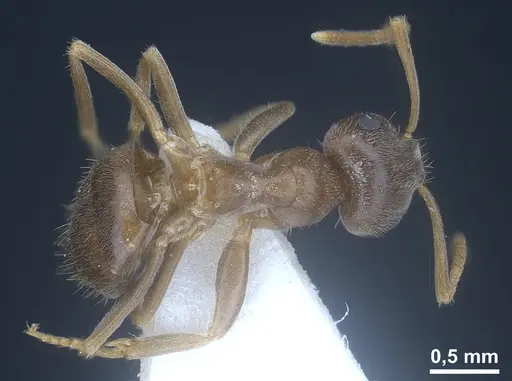
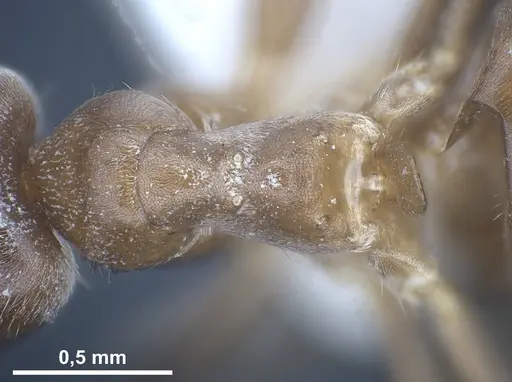
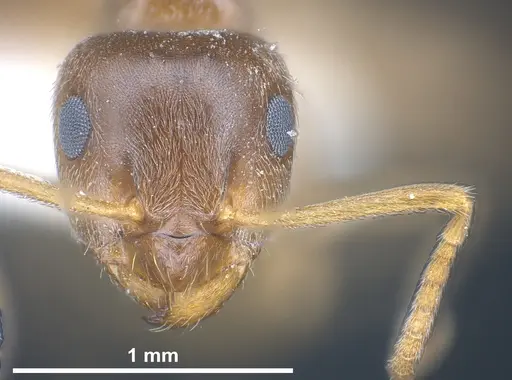
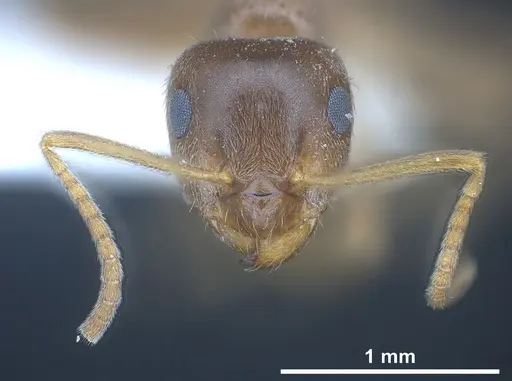
Литература
Загрузка карты распределения...Загрузка товаров...