
Kartidris galos
- Науч. назв.
- Kartidris galos
- Триба
- Crematogastrini
- Подсемейство
- Myrmicinae
- Автор
- Bolton, 1991
- Распространение
- Встречается в 0 странах
Введение
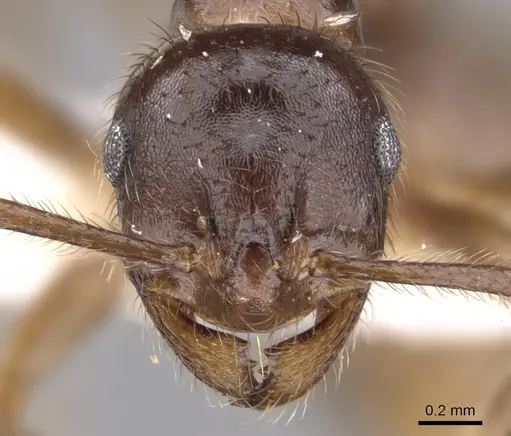
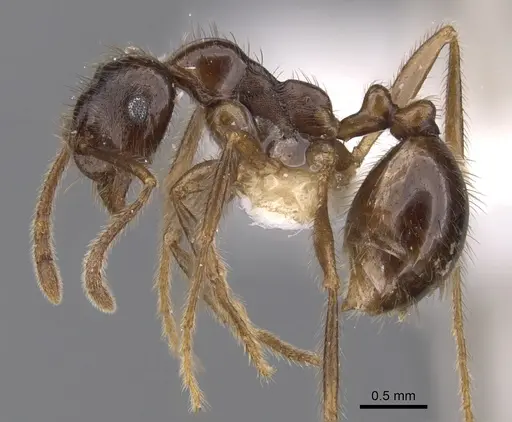
Kartidris galos is a small ant species native to southern China, specifically found on Hainan Island and in Guangxi province . Workers measure approximately 4.4mm in total length, with a distinctive finely reticulate-granular sculpture on the head that gives the surface an opaque appearance . This species belongs to the Myrmicinae subfamily within the Crematogastrini tribe. The genus Kartidris remains poorly studied in terms of captive care requirements, and much of what we know comes from limited specimen data rather than detailed behavioral or ecological research.
Quick Summary
- Difficulty: Unknown, likely Medium due to limited data
- Origin & Habitat: Subtropical China, Hainan Island and Guangxi province. Found in forest environments in southern China [2][1].
- Colony Type: Unconfirmed colony structure.
- Size & Growth:
- Queen: Unknown, not described in available literature
- Worker: 4.4mm total length (holotype worker) [1]
- Colony: Unknown, no colony size data available
- Growth: Unknown, no development data available
- Development: Unconfirmed, no specific development data available for this species (Development timeline is unstudied.)
- Antkeeping:
- Temperature: Estimated 22-28°C based on subtropical Hainan Island habitat. Start in the mid-range and observe colony activity.
- Humidity: Estimated moderate to high (50-70%) based on forest floor habitat preferences typical of Myrmicinae. Keep substrate consistently moist but not waterlogged.
- Diapause: Unknown, subtropical species may have reduced activity in cooler months but true hibernation is unlikely.
- Nesting: No specific nesting data available. Likely nests in soil or rotting wood based on typical Myrmicinae preferences. Test tube setups work well for initial colonies, acrylic or plaster nests for established colonies.
- Behavior: Behavior is unstudied in captivity. Based on genus placement in Crematogastrini, likely generalist foragers that accept sugar sources and small protein prey. Escape risk moderate given 4.4mm worker size, standard barriers should suffice but fine mesh is recommended.
- Common Issues: limited availability, this species is rarely kept in captivity and cultures are uncommon, no established care protocols, keepers will be pioneers in captive husbandry, slow growth expected given limited data on development, wild-caught colonies may have parasites or adapting issues to captivity
Origin and Distribution
Kartidris galos is endemic to southern China, specifically documented from Hainan Island (type locality in the Tien Fong Mountains) and Guangxi province [1]. The species was originally described by Bolton in 1991 based on a worker specimen collected in May 1983. More recent surveys in 2025 confirmed its presence in Hainan Province [2]. This subtropical island environment features warm temperatures year-round with high humidity, which should guide captive care expectations. The ant's natural habitat appears to be forested areas, likely nesting in soil or decaying wood on the forest floor.
Identification and Morphology
Workers of Kartidris galos measure approximately 4.4mm in total length, making them a small but visible ant species. The head features fine, dense reticulate-granular sculpture that appears opaque rather than glossy. The pronotum has somewhat lighter sculpturing than the head, while the first gastral tergite shows fine superficial reticulation between hair-pits. The overall coloration is uniform dark brown. The scapes extend notably beyond the head. These morphological features can help distinguish them from other Myrmicinae in the region. [1]
Housing and Nesting
Since no captive husbandry data exists for this species, recommendations are based on typical Myrmicinae requirements and the subtropical climate of their native habitat. Start colonies in clean test tube setups with a water reservoir, providing a dark, humid environment for the queen. Once the colony reaches 20-30 workers, consider transitioning to a small acrylic or plaster nest. The nest should maintain moderate humidity, damp but not saturated substrate. A small outworld for foraging allows you to observe feeding behavior. Given their small size, ensure escape prevention is adequate, though 4.4mm workers are not as prone to escaping as tiny species.
Feeding and Diet
No specific dietary studies exist for Kartidris galos. Based on typical Crematogastrini behavior and related genera, they likely accept both sugar sources and protein. Offer sugar water or diluted honey as a carbohydrate source, and provide small protein items such as fruit flies, small mealworms, or other appropriately-sized insects. Start with small prey items and observe acceptance. As with any new species, variety in the diet may help determine preferences. Remove uneaten prey after 24-48 hours to prevent mold issues.
Temperature and Seasonal Care
Given their origin on subtropical Hainan Island, Kartidris galos likely prefers warmer conditions in the range of 22-28°C. Room temperature in most homes (20-24°C) should be suitable as a starting point. Monitor colony activity, if workers seem sluggish, slightly increase temperature. Unlike temperate species, they likely do not require a true hibernation period, though cooler winter temperatures may slow activity naturally. Avoid temperature extremes and sudden fluctuations. A heating cable on one side of the nest can create a gradient if your room temperature runs cool.
Colony Development
The development timeline for Kartidris galos remains unstudied. Initial colony growth will likely be slow as the queen raises her first brood alone. Once workers emerge, growth typically accelerates as the colony can now forage for additional food. Maximum colony size is unknown but likely ranges from several hundred workers based on typical Myrmicinae colony sizes. Patience is essential, small colonies may take months to show significant growth, and rushing or disturbing the nest can cause queen stress or abandonment.
Frequently Asked Questions
How long does it take for Kartidris galos to produce first workers?
The exact timeline is unknown. No specific development data exists for this species.
What temperature do Kartidris galos ants need?
Based on their subtropical Hainan Island origin, aim for temperatures between 22-28°C. Room temperature (20-24°C) is a good starting point. Observe your colony's activity level and adjust slightly warmer if they seem sluggish.
Can I keep Kartidris galos in a test tube setup?
Yes, test tubes work well for founding colonies. Provide a water reservoir with a cotton plug, and keep the setup in darkness. Once the colony reaches 20-30 workers, you can transition to a small formicarium if desired.
What do Kartidris galos ants eat?
While not specifically studied, they likely accept standard ant foods: sugar water or honey for carbohydrates, and small insects like fruit flies or small mealworms for protein. Offer variety to determine preferences.
Are Kartidris galos good for beginners?
This species is not recommended for beginners due to limited availability and lack of established care protocols. There are no captive cultures readily available, and keepers would essentially be pioneering husbandry methods. More established species like Lasius or Camponotus are better choices for beginners.
How big do Kartidris galos colonies get?
Maximum colony size is unknown. Based on typical Myrmicinae patterns, colonies likely reach several hundred workers. Their small size means even large colonies remain manageable.
Do Kartidris galos ants sting?
Stinging behavior has not been documented for this species. As Myrmicinae, they possess a stinger, but given their small size and typical Crematogastrini behavior, they are unlikely to pose any threat to keepers.
Where is Kartidris galos found in the wild?
This species is native to southern China, specifically Hainan Island and Guangxi province. The type locality is the Tien Fong Mountains on Hainan Island, collected in May 1983.
Do Kartidris galos need hibernation?
True hibernation is unlikely given their subtropical origin. However, cooler winter temperatures may reduce activity. Do not force hibernation, simply allow natural seasonal slowing if your room temperature drops in winter.
How do I start a Kartidris galos colony?
Wild queens are rarely encountered since nuptial flight timing is unknown. If you obtain a queen, place her in a clean test tube with water reservoir, keep her in darkness, and wait for eggs to appear. Do not disturb her during the founding period.
Report an Issue
The current care sheet is based fully on literature. See inconsistencies, or something that's incorrect? Please , it will be resolved after review from an admin. Contributing to the blogs tab also helps providing information, to make us be able to further improve the caresheets. Thank you for your support!
References

Эта инструкция по уходу лицензирована по CC BY-SA 4.0 .
Блоги сообщества
CASENT0901256
Посмотреть на AntWeb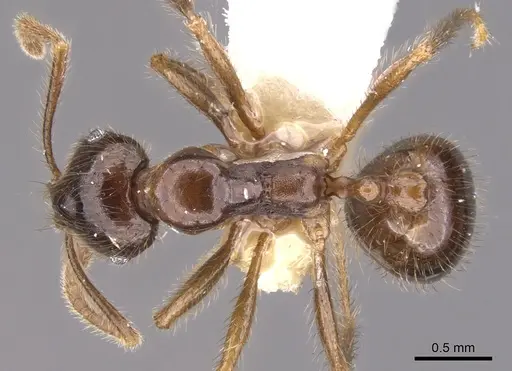
Литература
Загрузка карты распределения...Загрузка товаров...