
Goniomma punicum
- Науч. назв.
- Goniomma punicum
- Триба
- Stenammini
- Подсемейство
- Myrmicinae
- Автор
- Forel, 1907
- Распространение
- Встречается в 0 странах
Введение
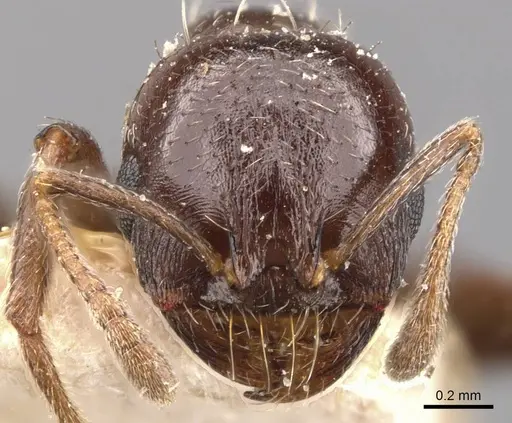
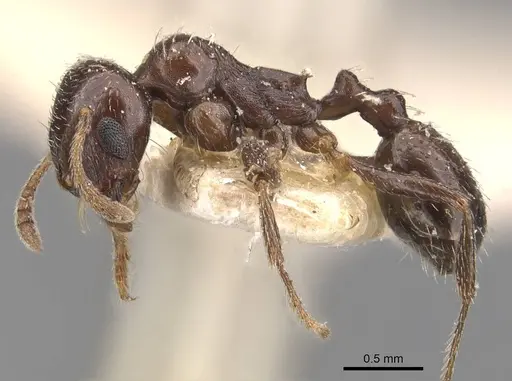
Goniomma punicum is a small Myrmicinae ant native to Tunisia in North Africa. Workers have the typical stocky build of desert-dwelling ants in the Stenammini tribe. The species was originally described from Kairouan in central Tunisia and remains known primarily from this region . The genus Goniomma is not well-studied in scientific literature, and Goniomma punicum specifically has limited documented information compared to more common ant species.
Quick Summary
- Difficulty: Hard
- Origin & Habitat: Tunisia (Palearctic region), specifically documented from Kairouan in central Tunisia. This interior region has a semi-arid to arid climate with hot summers and mild winters. The species is extratropical at approximately 34° latitude [1][2].
- Colony Type: Unconfirmed colony structure. The colony type (single queen vs multiple queens) has not been documented in scientific literature for this species.
- Size & Growth:
- Queen: Size data unavailable, no measurements exist in primary literature
- Worker: Size data unavailable, no measurements exist in primary literature
- Colony: Unknown, no colony size data available
- Growth: Unknown, development timeline unstudied
- Development: Unknown, no species-specific development data exists (Development timeline is unstudied. Without data, expect 6-10 weeks based on typical Myrmicinae patterns at warm temperatures, but this is a rough estimate.)
- Antkeeping:
- Temperature: Keep at 22-28°C. These are desert-adapted ants from Tunisia, so they prefer warm conditions. A heating cable on one side of the nest creates a temperature gradient they can regulate themselves.
- Humidity: Low to moderate humidity (40-60%). Tunisia has an arid to semi-arid climate. Keep the nest relatively dry with only slight moisture in the founding chamber. Allow portions of the nest to dry out completely.
- Diapause: Likely required. As a species from a temperate climate at ~34° latitude, they likely need a winter rest period. Provide 2-3 months at 10-15°C during winter [1].
- Nesting: Natural nesting is unconfirmed, but based on genus patterns and arid habitat, they likely nest in sandy or loose soil. A Y-tong (AAC) nest or plaster formicarium with sand-themed chambers works well. Avoid overly humid conditions.
- Behavior: Behavior is unstudied in captivity. Based on Stenammini tribe patterns, they are likely docile and non-aggressive. Workers probably forage and may show seed-harvesting tendencies like related genera. Escape risk is moderate, standard mesh barriers should suffice but check for small gaps.
- Common Issues: no species-specific data means care is based on genus inference, results may vary, desert species are sensitive to overwatering, too much humidity kills them, winter diapause is likely required but timing and duration are unconfirmed, slow growth with no documented timeline means patience is essential, wild-caught colonies may have unknown parasites or health issues, this species has no captive husbandry documentation, keeper observations are essential
Origin and Natural Habitat
Goniomma punicum comes from Tunisia in North Africa, specifically documented from Kairouan in the central part of the country [1][2]. This region has a semi-arid to arid climate with hot summers and mild winters. The species is part of the Palearctic biogeographic region and is considered extratropical, sitting at approximately 34° latitude [1]. In their natural habitat, these ants likely encounter sparse vegetation, sandy or loamy soils, and significant temperature fluctuations between seasons. The interior of Tunisia away from the coast tends to be drier and experiences more extreme temperatures than the Mediterranean coastal areas.
Nest Preferences and Housing
Natural nesting behavior has not been documented for this species, but based on the genus Goniomma and the arid Tunisian habitat, these ants likely nest in open ground or under stones in sandy, well-drained soil. For captive care, a Y-tong (AAC) nest or a plaster formicarium with a sandy texture works well. The key is drainage, these are desert ants that do not tolerate damp conditions. Keep the founding chamber slightly moist but allow other areas to remain dry. A test tube setup can work for founding colonies if placed in a warm, dry area of the enclosure. Avoid naturalistic setups with high moisture-retention soils.
Temperature and Seasonal Care
As desert dwellers from Tunisia, these ants prefer warm conditions. Keep the nest area at 22-28°C, with a slight gradient allowing workers to choose their preferred temperature. A heating cable placed on top of the nest (never underneath to avoid drying) can help maintain warmth. During winter, provide a diapause period of 2-3 months at 10-15°C. This mimics the cooler Tunisian winters. Do not attempt to maintain active colonies year-round without a rest period, this is likely essential for their health and reproductive cycles. Reduce or stop feeding during diapause.
Feeding and Diet
The diet of Goniomma punicum has not been studied, but members of the tribe Stenammini (which includes Goniomma) are typically omnivorous with a tendency toward seed-harvesting. Offer a varied diet including sugar water or honey as an energy source, protein sources like small insects or mealworms, and observe whether they accept seeds. Start with small prey items appropriate to their size. Fresh water should always be available. Because their natural diet is unconfirmed, be prepared to experiment with different food types and monitor what the colony accepts best.
Colony Development and Growth
No specific data exists on the development timeline of Goniomma punicum. Based on typical Myrmicinae patterns in warm conditions, expect approximately 6-10 weeks from egg to first worker (nanitic). The queen likely seals herself in a claustral chamber and raises the first brood alone, as is common in this subfamily. Colony growth is expected to be moderate. The biggest challenge is the lack of species-specific information, so keepers should document their observations carefully to build husbandry knowledge for this rarely kept species.
Frequently Asked Questions
How long does it take for Goniomma punicum to produce first workers?
The exact timeline is unknown. Based on typical Myrmicinae development at warm temperatures (24-27°C), expect approximately 6-10 weeks from egg to nanitic worker. This is a rough estimate since no species-specific development data exists.
What temperature should I keep Goniomma punicum at?
Keep them warm at 22-28°C. These are desert ants from Tunisia, so they prefer heat. A temperature gradient allows workers to regulate their own conditions.
Do Goniomma punicum ants need hibernation?
Likely yes. As a species from a temperate climate at ~34° latitude, they probably need a winter rest period. Provide 2-3 months at 10-15°C during winter.
What do Goniomma punicum ants eat?
Their diet is unconfirmed, but Stenammini ants are typically omnivorous with seed-harvesting tendencies. Offer sugar water or honey, small insects, and observe whether they accept seeds.
How big do Goniomma punicum colonies get?
Unknown, no colony size data exists in scientific literature.
Is Goniomma punicum a good species for beginners?
Not recommended for beginners. This species has no captive husbandry documentation, meaning care must be inferred from genus patterns. Experienced antkeepers who can adapt to unknown requirements will have better success.
Can I keep multiple Goniomma punicum queens together?
Unknown. The colony structure (monogyne vs polygyne) has not been documented for this species. Do not attempt combining unrelated queens without documented evidence they can coexist.
What humidity level does Goniomma punicum need?
Low to moderate humidity (40-60%). Tunisia has an arid climate, so these ants prefer dry conditions. Keep the nest relatively dry with only slight moisture in the founding area.
Does Goniomma punicum sting?
Unknown, stinging behavior has not been documented for this species. Most small Myrmicinae ants can sting but rarely penetrate human skin. Handle with care regardless.
When do Goniomma punicum have nuptial flights?
Unknown. No data exists on reproduction timing for this species. If keeping a mature colony, be prepared for flights at any time during warm months.
What type of nest is best for Goniomma punicum?
A dry nest setup works best, Y-tong (AAC) or plaster formicarium with good drainage. Avoid naturalistic setups that retain moisture. The key is providing dry, warm conditions.
Why is my Goniomma punicum colony declining?
Without species-specific data, troubleshooting is difficult. Common issues include: too much humidity (desert species rot easily), insufficient warmth, or lack of winter diapause. Review all environmental conditions and compare to their arid Tunisian habitat.
Report an Issue
The current care sheet is based fully on literature. See inconsistencies, or something that's incorrect? Please , it will be resolved after review from an admin. Contributing to the blogs tab also helps providing information, to make us be able to further improve the caresheets. Thank you for your support!
References

Эта инструкция по уходу лицензирована по CC BY-SA 4.0 .
Блоги сообщества
CASENT0907758
Посмотреть на AntWeb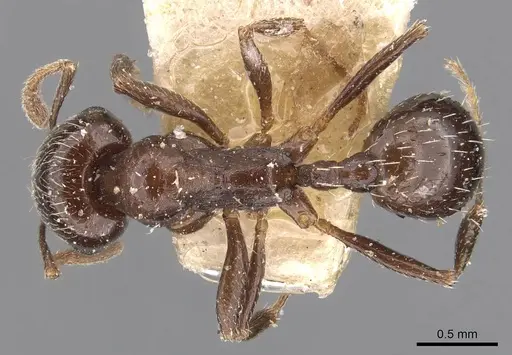
Литература
Загрузка карты распределения...Загрузка товаров...